- Category
- Latest news
Trump Weighs 500% Tariff on Russian Oil, Possible Global Embargo
 Prefer U24 Media on Google
- Authors


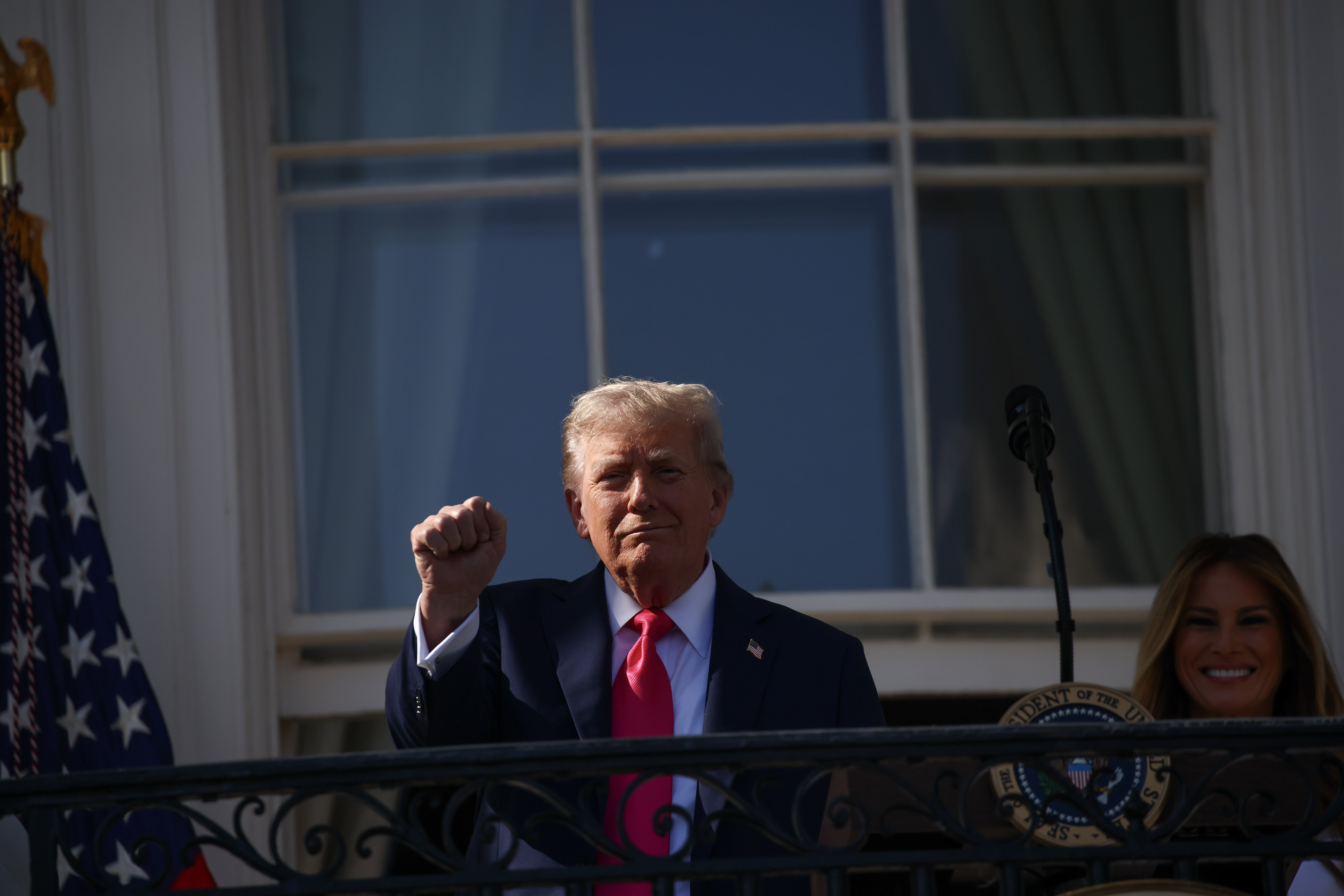
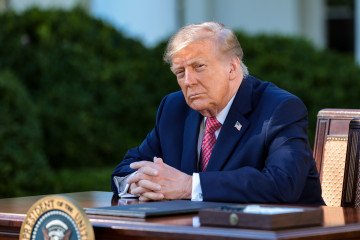
US President Donald Trump is seriously considering a dramatic expansion of sanctions targeting Russian oil exports, including a global 500% tariff on Russian crude, according to a report by The Times on July 11.
The report states that Trump is now “closely studying” a bill that would introduce a 500% tariff on Russian oil imports, targeting not only Russia but also nations such as China, India, and Turkey that continue to purchase its energy resources.
While Trump had previously described the bill as “too strong,” his reported frustration with Russian leader Vladimir Putin’s refusal to engage in peace talks and continued attacks on civilian infrastructure in Ukraine has led to a reconsideration.
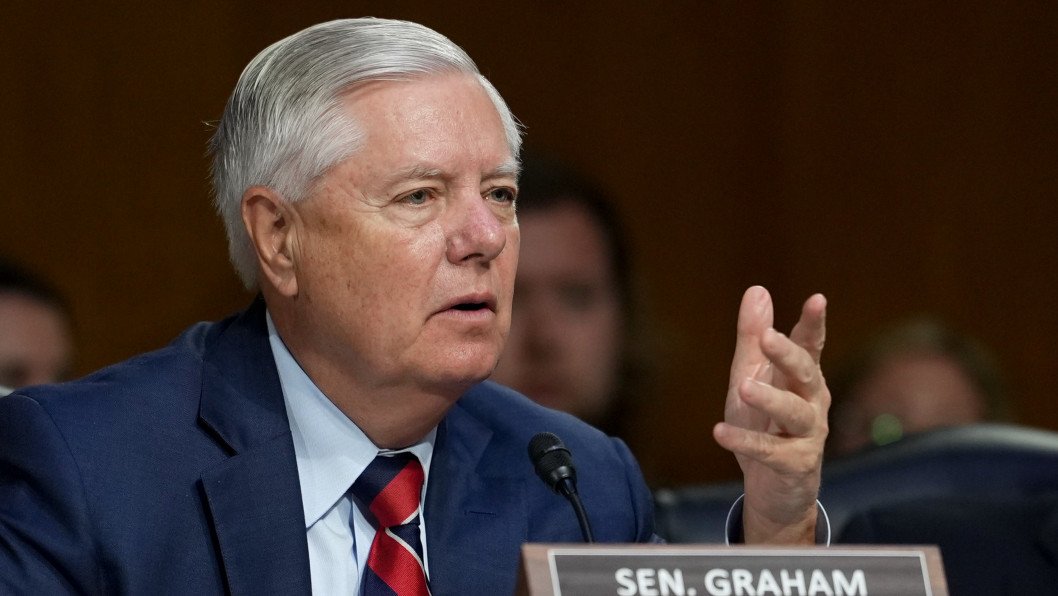
The Times highlights that the proposed legislation is being discussed in Washington, with the White House reportedly seeking to keep the authority to lift such sanctions in the hands of the president. Some in Congress, however, are pushing for more limited executive power.
Maximilian Hess, a fellow at the Foreign Policy Research Institute, told The Times that the proposed 500% tariff, as written, would be equivalent to a global embargo on Russian oil. He expressed doubt that Trump would go so far, noting the risk of sharply rising global energy prices.
“Unless Trump comes out and says, ‘We need to face the risk that Russia poses to Europe and the globe and accept oil prices of $100 or higher,’ it’s hard to see him endorsing this fully,” Hess said. Still, he added that expanding the US sanctions regime and introducing a credible secondary tariff threat could have a substantial deterrent effect.
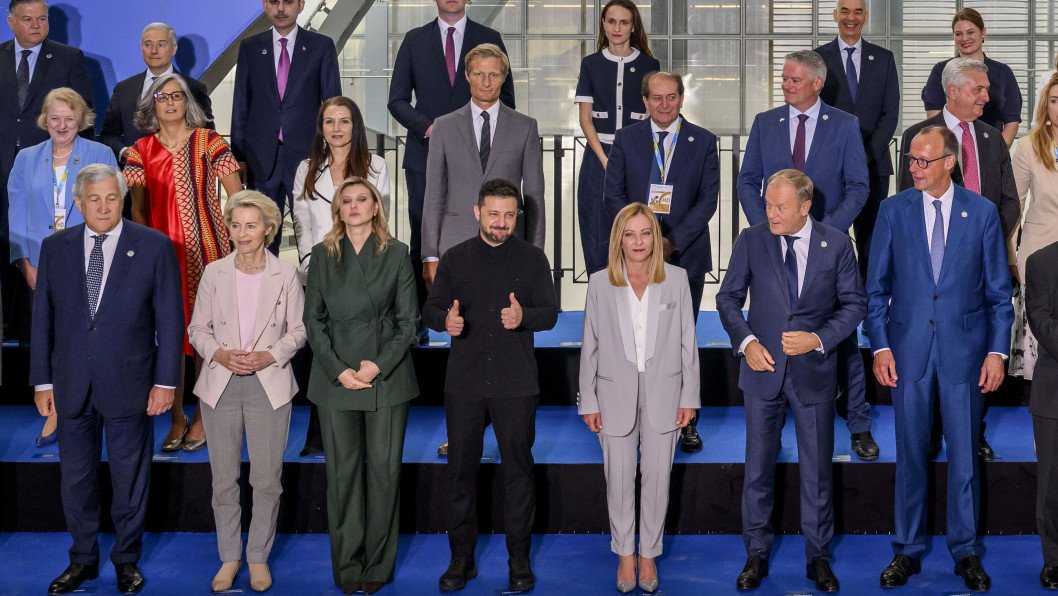
The Times report also references the stalled 18th EU sanctions package, which is currently blocked by Hungary and Slovakia. The package includes proposals to lower the price cap on Russian oil exports from $60 to $45 per barrel. However, Hess called the measures “too cautious” and argued that more effective enforcement, particularly in maritime compliance, is needed.
He suggested that denying access to British and European financial and insurance markets for ports that do not adhere to inspection standards could significantly limit Russia’s ability to bypass existing restrictions. “That would be hugely effective,” he told The Times.
The report concludes that even partial implementation of such measures—especially if backed by stronger oversight—could pose serious challenges to Russia’s wartime economy.
Previously, it was reported that President Donald Trump has authorized a fresh weapons package for Ukraine, marking the first time since returning to office that he has used presidential powers to draw arms from US stockpiles.
Discuss this article:


-c439b7bd9030ecf9d5a4287dc361ba31.jpg "Photo of Katherina Popilnichenko")