- Category
- Latest news
UAE Airports Stay Open as Missiles and Drones Cross Nearby Airspace
 Prefer U24 Media on Google
- Authors

-111f0e5095e02c02446ffed57bfb0ab1.jpeg "Photo of Roman Kohanets")
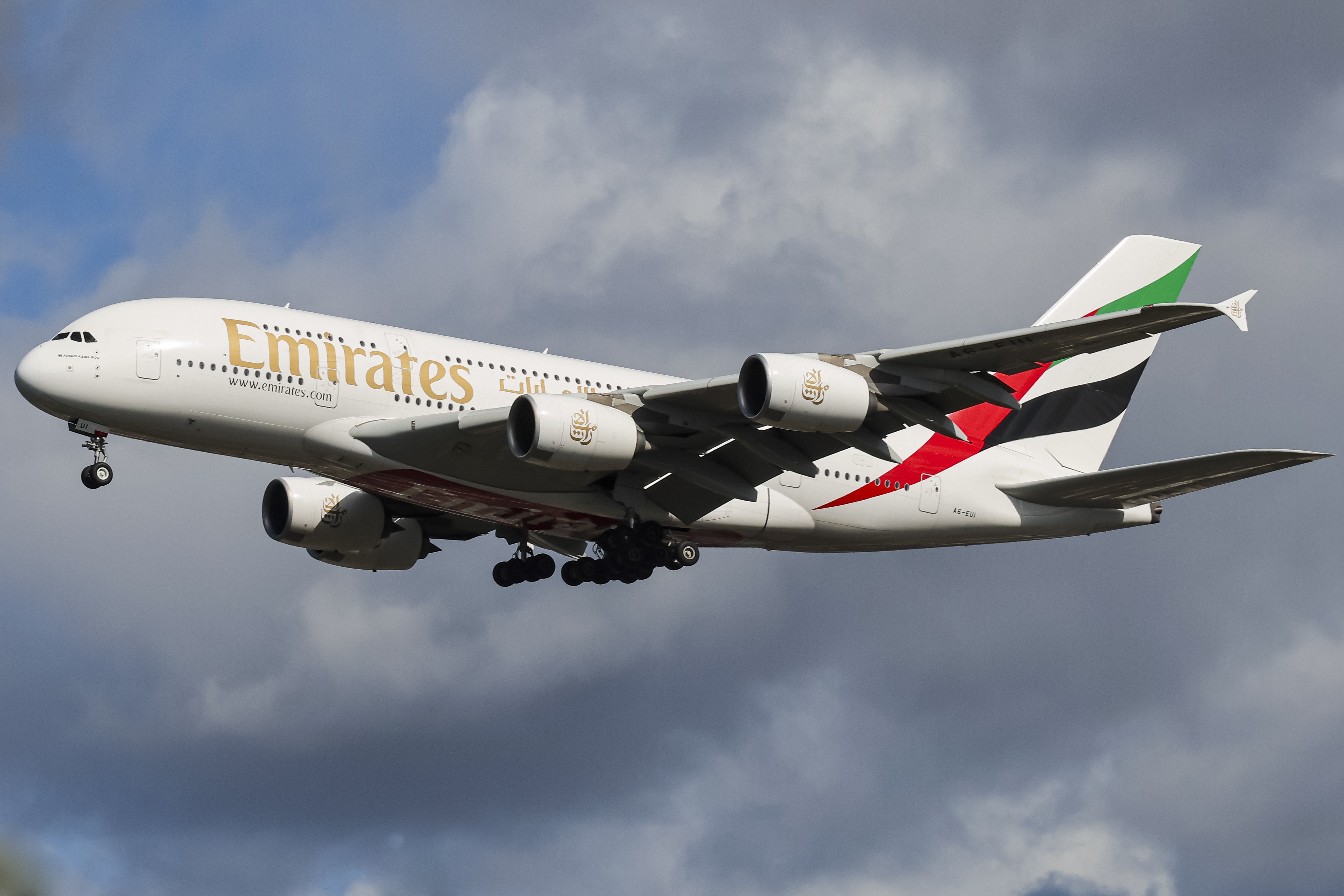
Commercial flights continued to land and depart from the UAE’s busiest airports within minutes of missile and drone warnings during the regional war, according to The Wall Street Journal on March 21.
The outlet reported that Dubai International Airport remained active even as Iranian strikes hit nearby infrastructure, including a March 16 drone attack that struck a fuel tank near the airport.
We bring you stories from the ground. Your support keeps our team in the field.
In one of the clearest examples, an Emirates flight to Beijing took off minutes before the blast, while two arriving aircraft were forced to divert and enter holding patterns before operations resumed later that day.
Based on an analysis of more than 8,700 flights and government alerts, the outlet identified at least 39 passenger flights at Dubai International that arrived or departed within five minutes of official warnings of incoming fire.
It recorded six such cases at Abu Dhabi and 12 at Sharjah.
Expanding the window to 10 minutes on either side of a warning raised the combined total across the three airports to 130 flights.
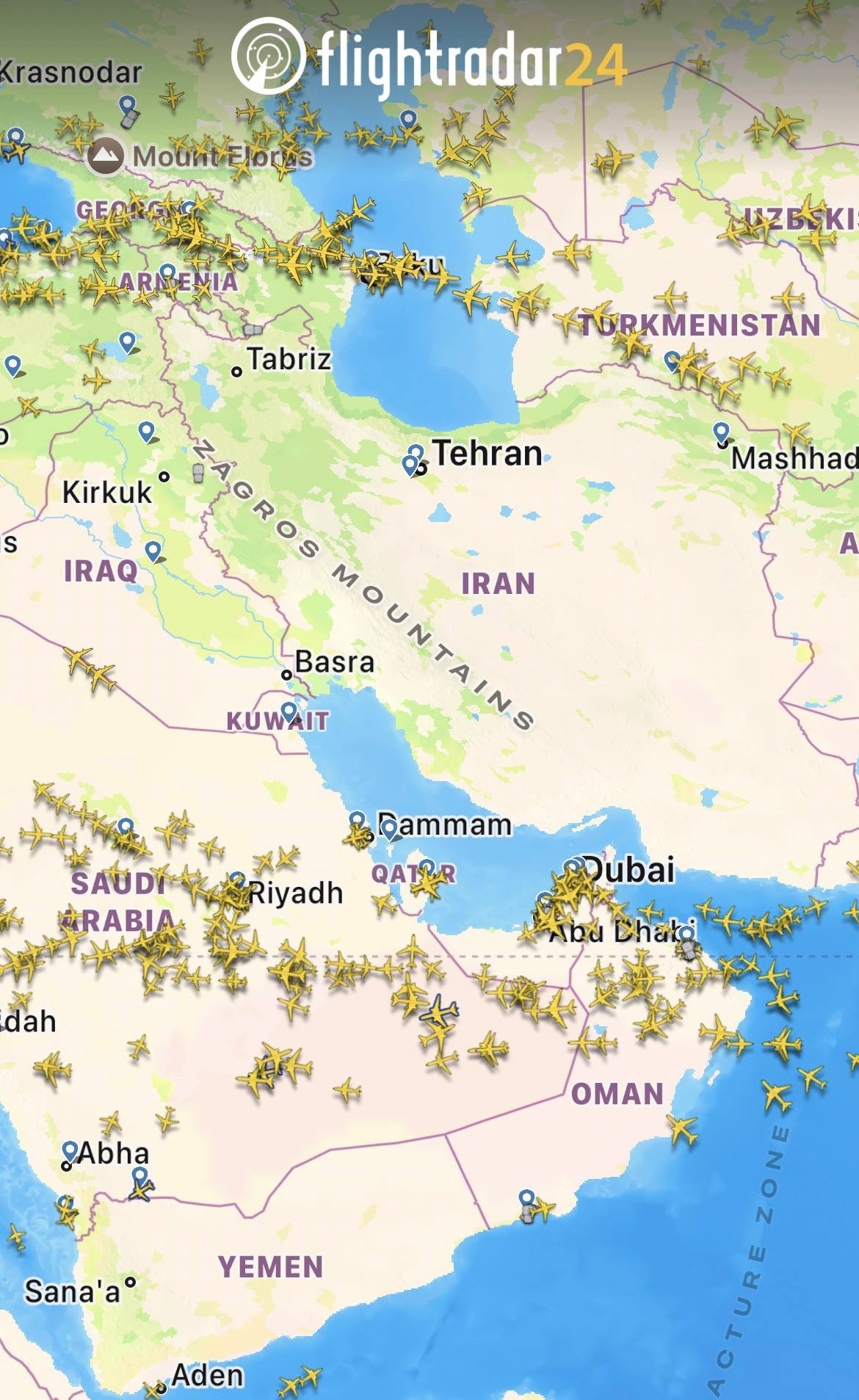
Pilots, aviation security specialists, and industry officials warned that the margin for error is dangerously thin, especially in airspace exposed to missiles, drones, and air defense systems.
“Even flying with contingencies, you’re exposing aircraft, passengers, and crew to a potential catastrophic event,” Matt Borie, chief intelligence officer at Osprey Flight Solutions, told the newspaper.
Kourosh Doustshenas, whose partner was killed when Iran downed a passenger jet in 2020, asked, “This is war, why are they flying in the path of missiles?”
Despite those concerns, Emirati airlines have rapidly restored schedules. The Journal reported that Emirates has operated about 300 flights a day over the past two weeks, around 60% of its prewar capacity, while Emirates, Etihad, Flydubai, and Air Arabia together have flown more than 11,000 trips since the conflict began.
The UAE has also introduced designated flight corridors, prepared controllers for rapid diversions, and reportedly deployed fighter jets to help protect civilian aircraft from incoming drones.
The report noted that no commercial aircraft have been shot down since the war began, but at least five planes parked on the ground have been damaged by Iranian attacks or missile debris.
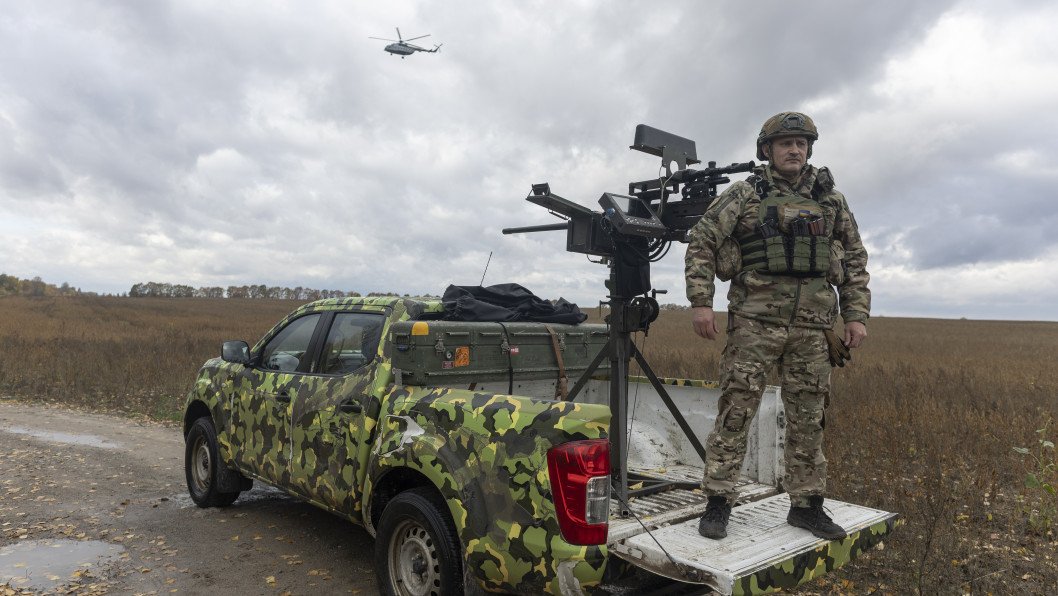
The situation has also created an opening for Ukraine to offer battlefield-tested counter-drone expertise to regional partners.
Kyiv is framing that outreach as reciprocal, arguing Middle Eastern partners can back Ukraine politically, sustain pressure on Russia and Iran, deepen defense ties, and join reconstruction and investment efforts.
Foreign Ministry spokesperson Heorhii Tykhyi described protection of airspace and civilian infrastructure as a shared challenge, presenting anti-drone cooperation as a mutually beneficial track.
That effort already includes 201 Ukrainian military experts working with partners in the United Arab Emirates, Qatar, Saudi Arabia, and Kuwait on countering drone threats. Tykhyi noted the deployments were made at partners’ request, including requests involving the US.
He also noted that 34 more Ukrainian experts are ready for deployment, while additional teams are already operating, and high-level contacts between the sides continue.
Discuss this article:
-9a7b3a98ed5c506e0b77a6663f5727c5.png)

-c439b7bd9030ecf9d5a4287dc361ba31.jpg "Photo of Katherina Popilnichenko")