- Category
- Latest news
Ukraine Blinds Russian Air Defenses, Destroying Pantsir, Two Tor Systems, and Critical Radars
 Prefer U24 Media on Google
- Authors


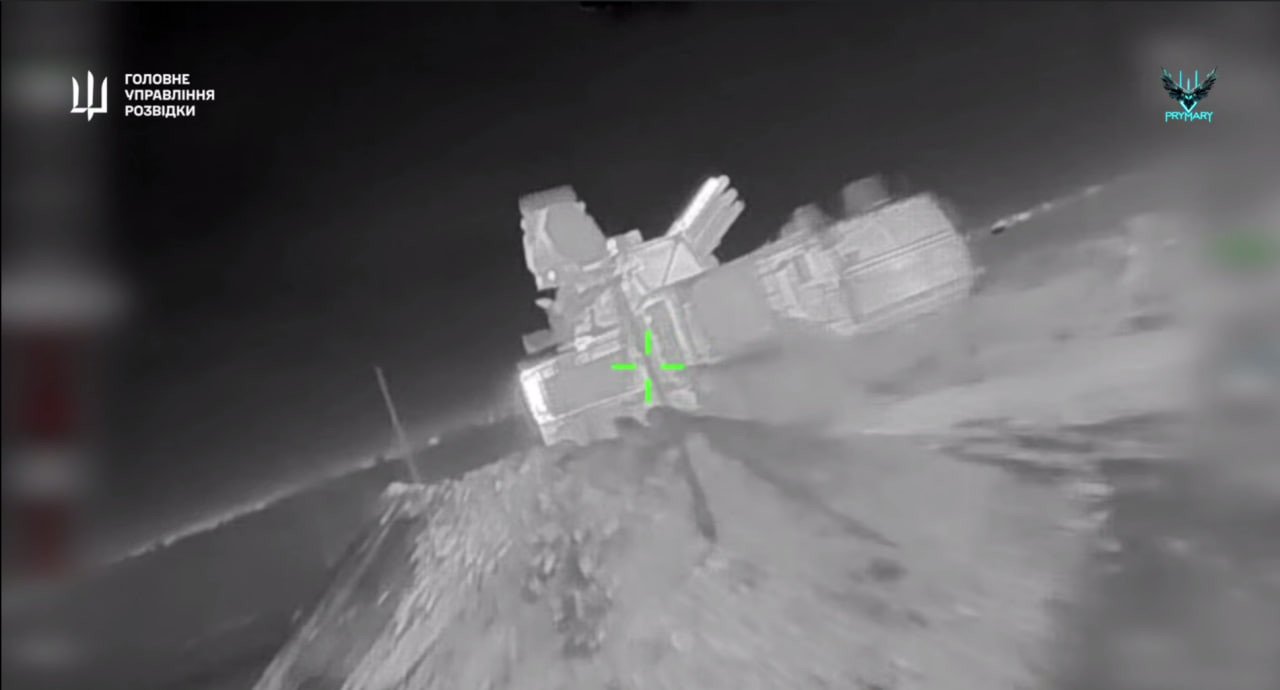
In a series of coordinated drone strikes throughout January, Ukraine’s military intelligence agency (HUR) targeted and destroyed multiple components of Russia’s short-range air defense network and radar systems across the frontline, the agency reported on February 7.
According to the Main Directorate of Intelligence of the Ministry of Defense of Ukraine, operatives from the special unit “Prymary” conducted attacks against Russian anti-air systems and surveillance radars during cold weather operations, successfully striking six key assets.
The list of destroyed equipment includes a Pantsir-S1 short-range air defense system, two variants of the Tor surface-to-air missile system—Tor-M1 and the more advanced Tor-M2—and two radar installations: the RLM-ME radar of the Nebo-M complex and the three-coordinate radar “Protivnik-GE.”
The Pantsir-S1 combines a tracking radar with twin 30 mm autocannons and 12 surface-to-air missiles. It is designed to intercept low-flying drones and aircraft within a range of 20 km and up to 15 km in altitude. The HUR noted that the system’s radar can detect targets up to 36 km away.
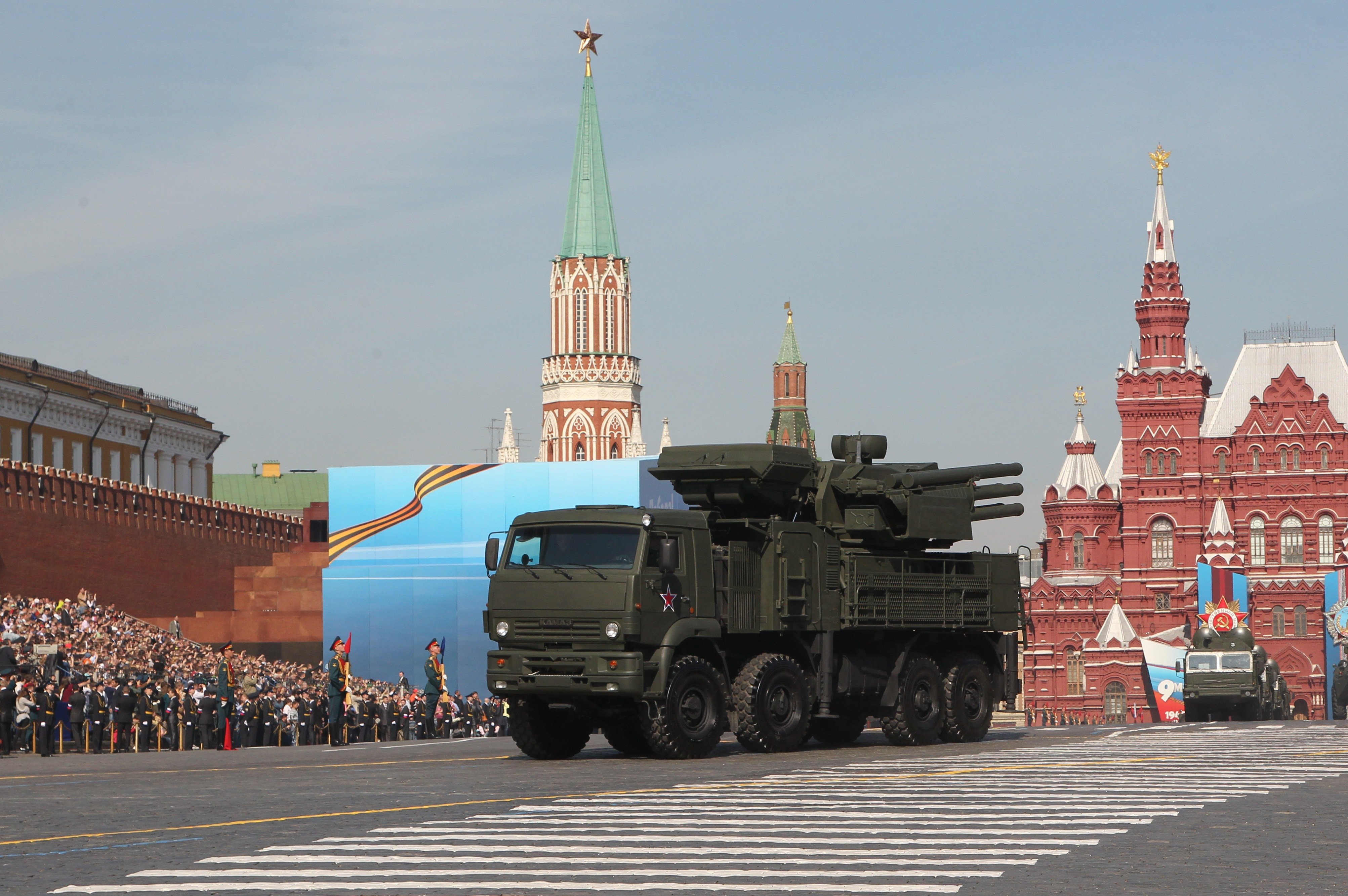
The Tor-M1 is a short-range system intended to defend ground forces against aerial threats, with its missiles capable of engaging targets at distances from 1.5 to 12 km and at altitudes up to 6 km. It uses an onboard radar with a detection range of up to 27 km.
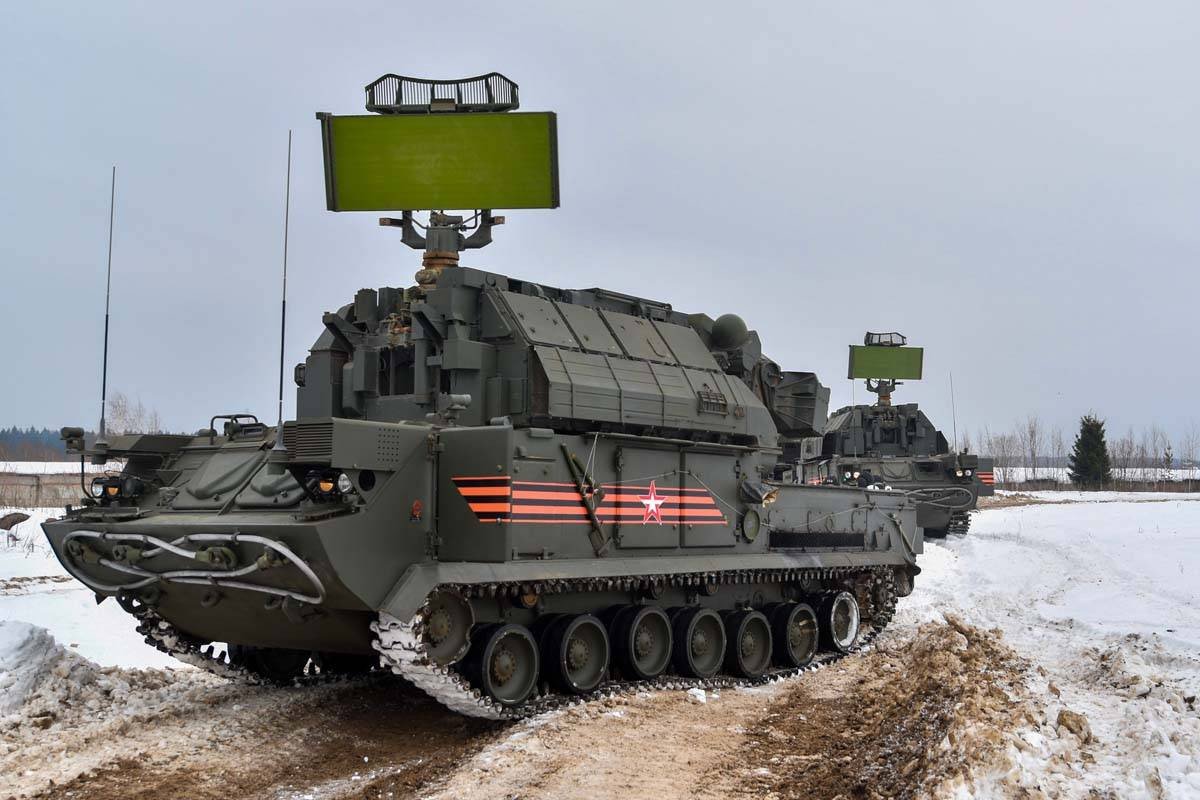
The Tor-M2, which was destroyed along with its transport-loading vehicle, represents a more advanced version of the system, using improved 9M338 missiles. It features an upgraded radar capable of detecting stealth targets up to 32 km away and can simultaneously engage up to four targets within a 16 km range and 10 km altitude.
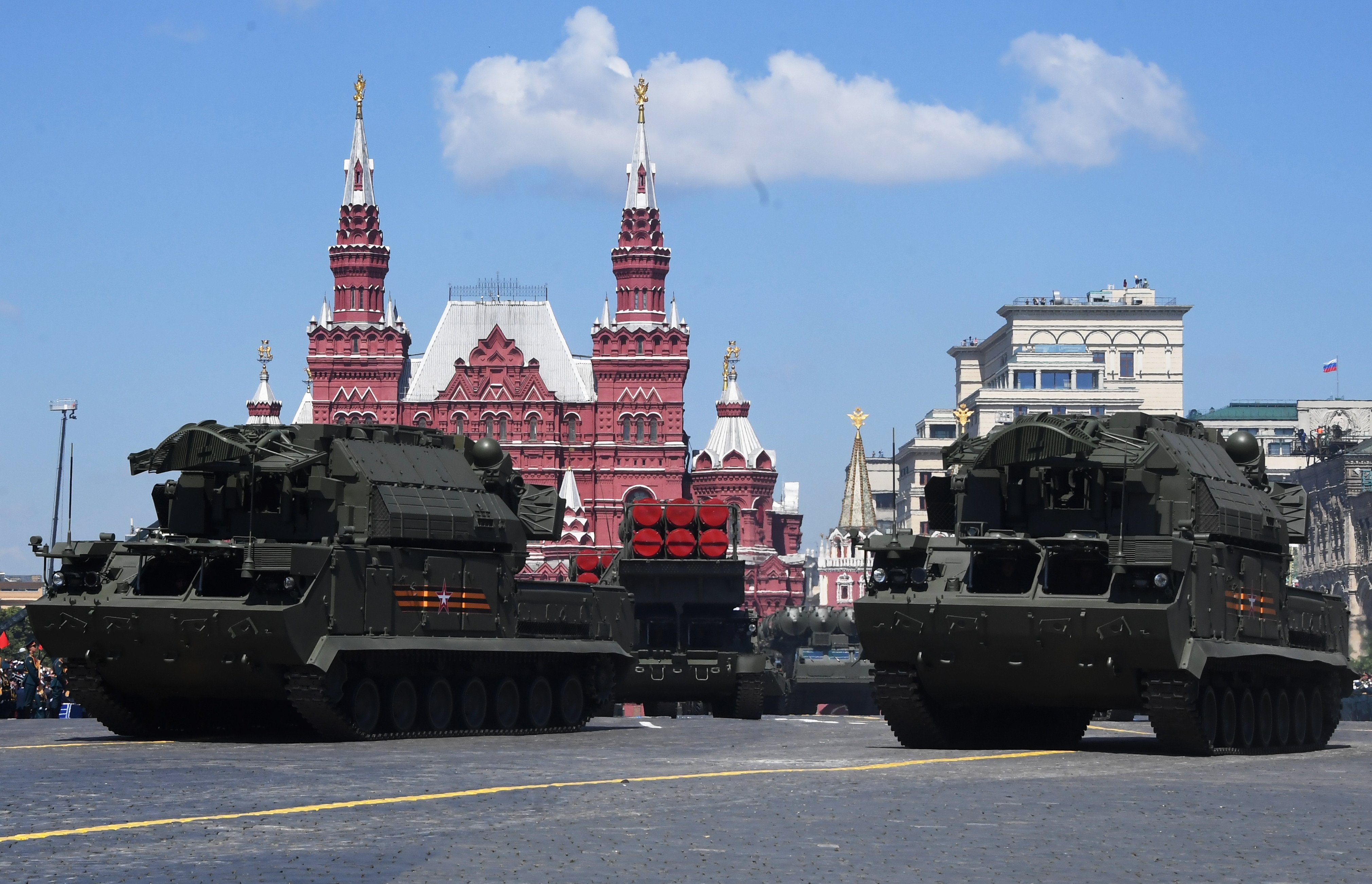
The loss of the transport-loading machine (TZM) associated with the Tor-M2 complicates battlefield logistics by disabling the system’s ability to reload rapidly, thereby limiting its combat sustainability.
Among radar assets, the Ukrainian strikes took out the RLM-ME component of the Nebo-M radar system, which is responsible for low-altitude detection, as well as the Protivnik-GE, a mobile three-coordinate radar used to track and provide target information for missile systems and fighter aircraft.
Earlier in 2025, Ukraine’s Security Service reported that its special forces destroyed or disabled Russian air defense assets worth approximately $4 billion, including S-300, S-350, S-400, Buk, Tor, and Pantsir systems, as well as advanced radar stations like Nebo-M, Podlet, and Protivnik-GE.
Discuss this article:
-4a56a6b482ec132402c16ef6fcabf9a2.png)


-72b63a4e0c8c475ad81fe3eed3f63729.jpeg "Photo of Cyril Barabaltchouk")
-e88c01988249cd60b6f04f79d29156b7.jpeg "Damage to “Cosmogony,” the largest painting in Ukraine, following a Russian drone attack on Lutsk on October 13, 2026. (Source: @sashyyna/Instagram)")


-dd35be762f08867915b1187d08f5b7cb.jpg "Aftermath of a Ukrainian Neptune missile strike on a Russian Borisoglebsk airfield, October 15, 2026.")