- Category
- Latest news
Ukraine Resumes Gas Imports via Balkan Pipeline to Offset Energy Loss From Russian Strikes
 Prefer U24 Media on Google
- Authors


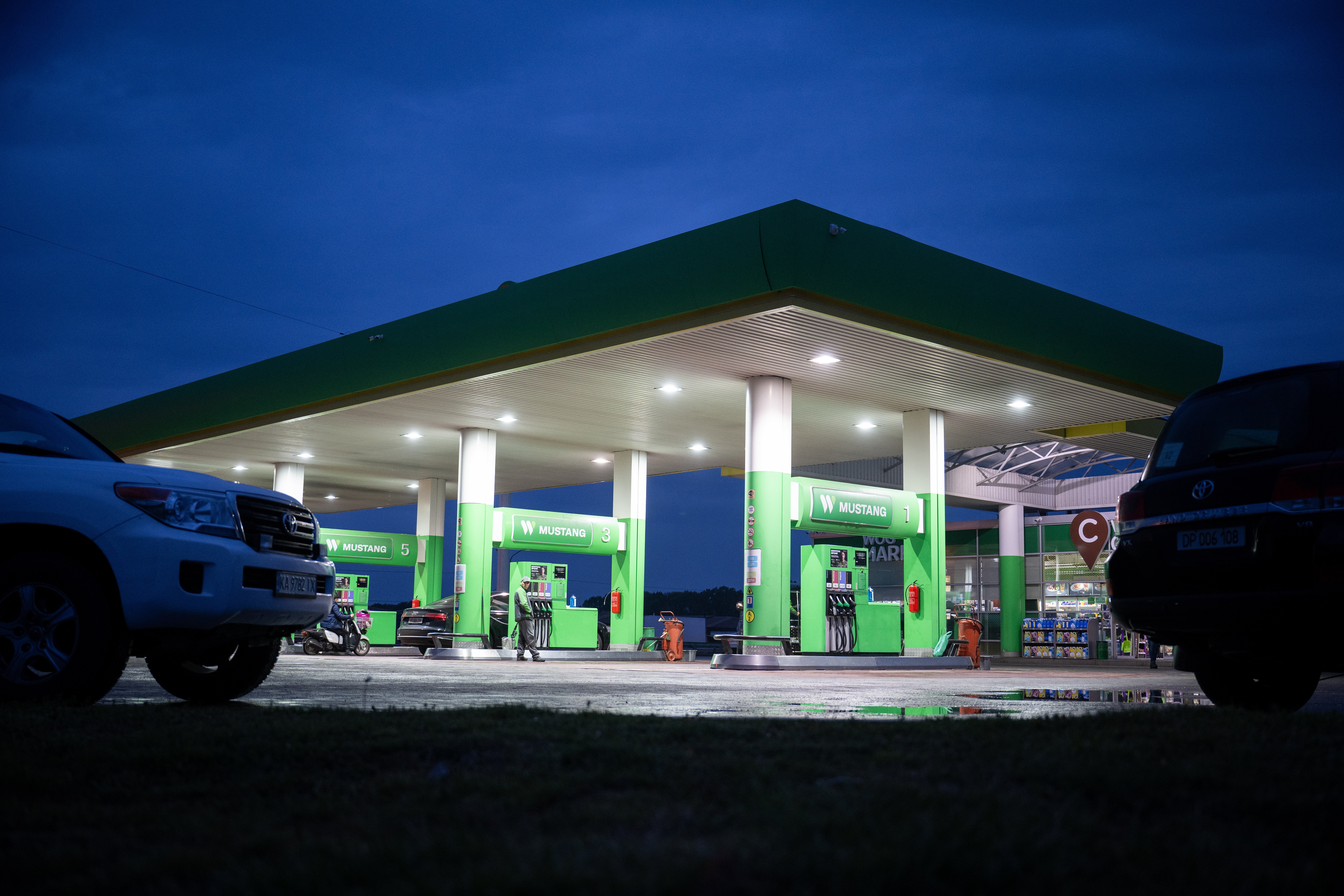
Ukraine has resumed gas imports through the pipeline running across the Balkans to Greece to sustain its heating and power systems through the winter after recent Russian attacks severely damaged energy infrastructure.
This was reported by Reuters on November 5.
The intensification of Russian strikes against Ukraine's gas sector in October resulted in the loss of at least half of the country's domestic gas production. TTo cover the shortage, Ukraine will import an additional 4 billion cubic meters of gas.
According to Reuters, citing the data from the Ukrainian gas transit operator, it was indicated on November 5 that Ukraine is set to receive 1.1 million cubic meters (mcm) of gas via the Transbalkan route that day, following an import of 0.78 mcm on November 4. This route links Ukraine to Liquefied Natural Gas (LNG) terminals in Greece, passing through Moldova, Romania, and Bulgaria.
The Ukrainian energy consultancy ExPro reported last month that several entities—specifically Greek DEPA Commercial, D.Trading (a subsidiary of Ukraine's largest private energy firm DTEK), and Swiss Axpo Trading—had successfully booked capacity to import gas from Greece to Ukraine, securing a daily volume of 0.6 million cubic meters.
Ukraine also continues to import approximately 23 mcm of gas daily from other sources, including almost 10 mcm from Hungary, about 8 mcm from Poland, and roughly 5 mcm from Slovakia.
The Transbalkan route was not utilized in September and October, having only been operational previously in July and August. Its infrequent use was attributed to the high cost of gas transit across the four participating countries, including Ukraine. However, tariff reductions implemented by the Moldovan and Romanian operators helped incentivize the booking of capacities in November, according to ExPro.
Oleksandr Kharchenko, director of the Kyiv-based Centre of Energy Studies, noted that Russian attacks have damaged a considerable number of gas compressors, complicating efforts to restore the power system, Reuters reported.
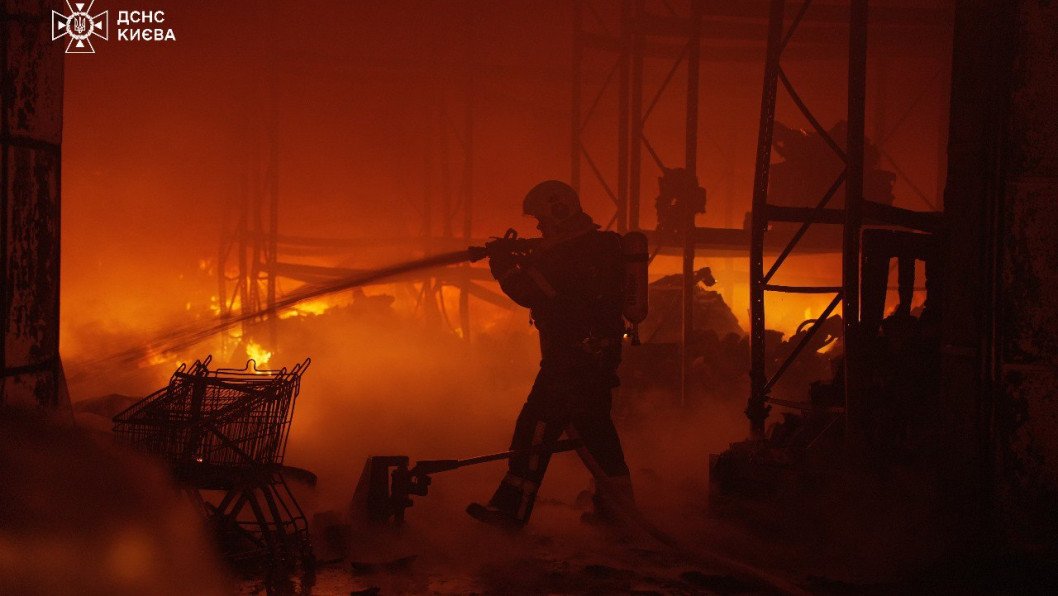
“We will not restore 30% to 40% (of destroyed capacity) during the heating season because the compressor stations have been destroyed,” Kharchenko stated.
He added that replacement compressors for the gas system are inherently costly and are currently unavailable globally due to high demand.
Kharchenko concluded that production has been affected, and restoring the compressors is a long-term undertaking, estimating that “restoring production will take 15-18 months.”
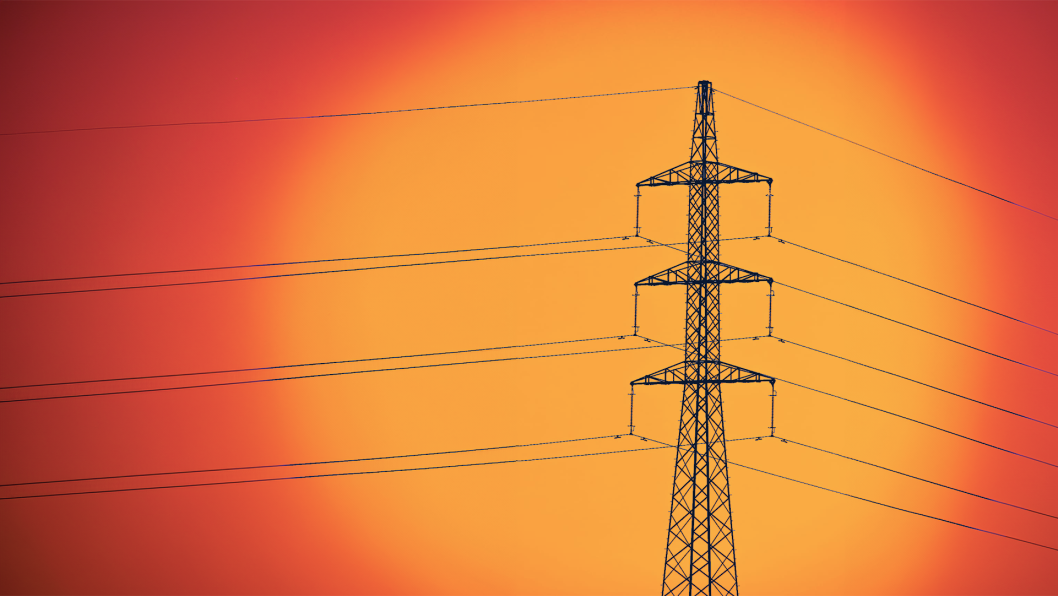
Earlier, it was reported that Ukraine significantly increased its electricity imports in October. This rise was necessary to satisfy domestic demand following Russia's intensified attacks targeting the nation's energy infrastructure.
Discuss this article:
-4a56a6b482ec132402c16ef6fcabf9a2.png)