- Category
- Latest news
Ukraine’s Gas Output Reportedly Cut by 60% After Russian Strikes, Forcing $2.2B Import Push
 Prefer U24 Media on Google
- Authors


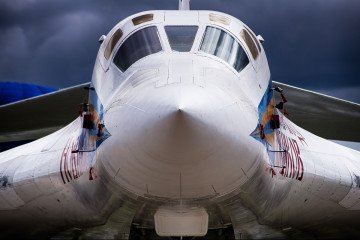
Recent Russian strikes have destroyed more than half of Ukraine’s domestic natural gas production, potentially forcing Kyiv to spend $2.2 billion on imports to get through the winter, Bloomberg reported on October 9.
According to Bloomberg’s sources, a massive Russian attack on the Kharkiv and Poltava regions on October 3 knocked out around 60% of Ukraine’s gas production capacity.
Russia launches biggest attack yet on Ukraine’s gas production facilities
— Naftogaz of Ukraine (@NaftogazUkraine) October 3, 2025
Facilities in Kharkiv and Poltava regions were hit with 35 missiles, many of them ballistic, along with 60 drones.
More details: https://t.co/xplXLSU5MF
Before the full-scale invasion, Ukraine’s gas infrastructure had been sufficient to meet domestic demand, but repeated missile and drone strikes this year have severely disrupted it.
If such attacks continue, Ukraine may need to purchase about 4.4 billion cubic meters of gas by March 2026, equal to roughly 20% of its annual consumption, Bloomberg reported.
Kyiv has already appealed to its G7 partners for repair equipment, financial aid, and additional air defense systems to protect its energy network.
Russia strikes Ukrainian gas infrastructure again.@KoretskyiUA: The facilities under attack serve no military purpose. These obsessive terrorist strikes aim at one thing only — to deprive Ukrainians of gas, heat, and electricity.
— Naftogaz of Ukraine (@NaftogazUkraine) October 5, 2025
More: https://t.co/bwjBbwVi6K
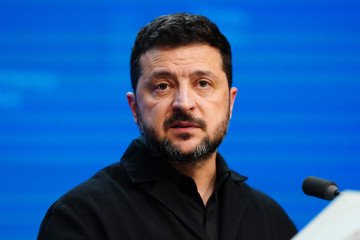
“Russia will do everything to prevent us from extracting our gas,” President Volodymyr Zelenskyy told reporters in Kyiv. “They will do everything. It will be difficult to protect all this. The task is to have money to import gas so that people have gas.”
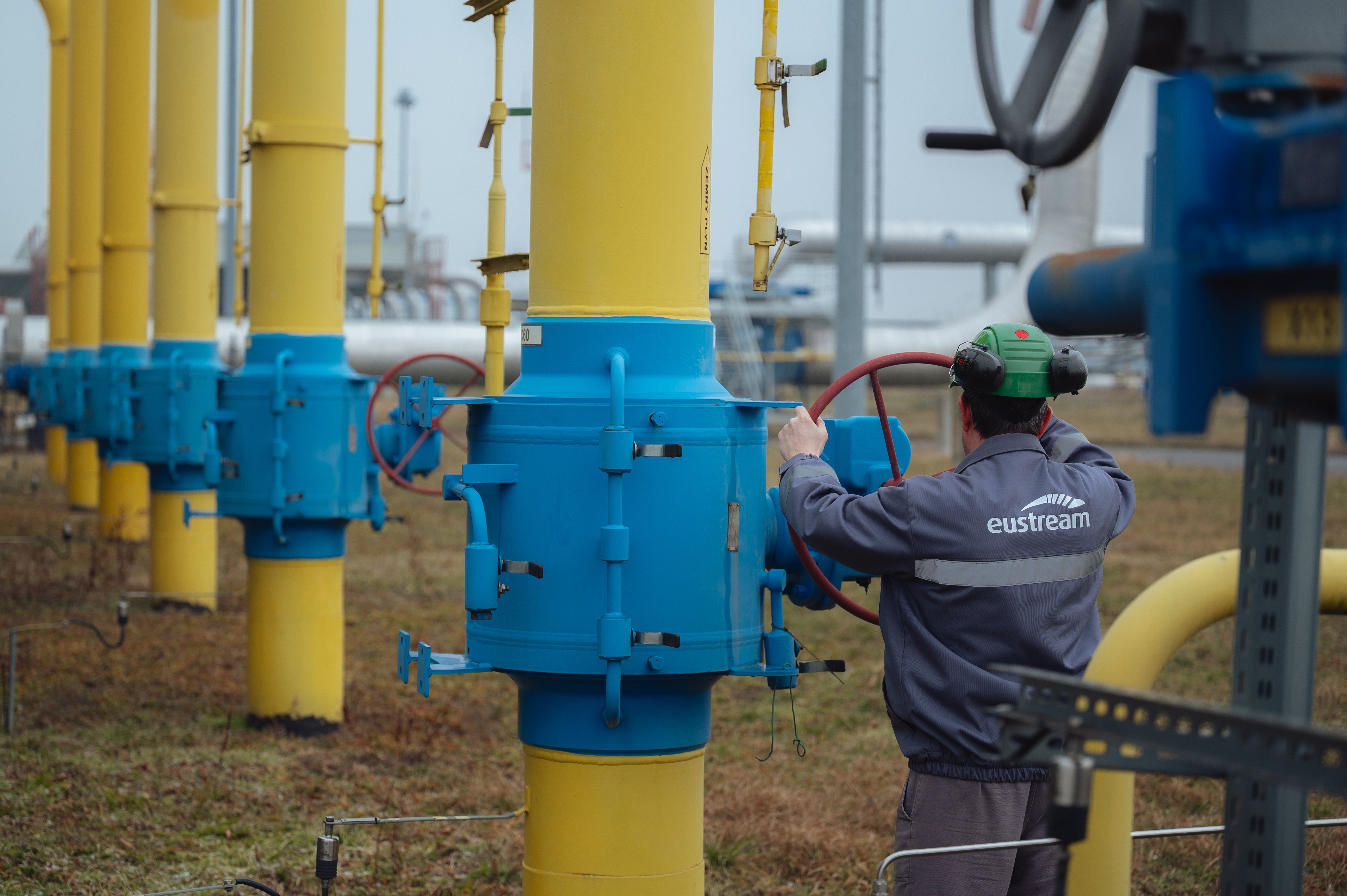
Ukraine has bought 4.58 billion cubic meters of gas from foreign suppliers this year, including 3.67 billion since the last heating season. Initial government estimates suggested the country would need 5.8 billion cubic meters of imports by year’s end, but the figure is expected to rise as Russian strikes continue.
Energy Minister Svitlana Grynchuk said the final import volume will depend on repair progress and the scale of future attacks. “We are restoring gas infrastructure every day, but the damage is significant,” she said.
Naftogaz, the state energy company, declined to comment publicly, but its CEO Sergii Koretskyi wrote on LinkedIn that he had “productive” talks with G7 representatives, the IMF, and other partners. “Our partners understand the full complexity of the situation,” he noted.
The European Bank for Reconstruction and Development, the European Investment Bank, and the European Commission are considering new financial packages for Ukraine’s energy sector.
The EBRD provided a €500 million loan in August for emergency gas purchases, followed by another €300 million from the EIB earlier this month.
“The Commission is deeply concerned about the damage inflicted by Russia on Ukraine’s energy infrastructure,” said Anna Kaisa Itkonen, the Commission’s spokesperson for energy. “We remain in close contact with Ukraine on the overall energy situation in the country.”

Grynchuk confirmed that Kyiv plans to increase gas imports by as much as 30% and is negotiating with neighboring countries and G7 members to secure additional supplies.
Earlier, Russian forces carried out the largest attack to date on Ukraine`s Naftogaz Group’s gas production infrastructure, targeting facilities in Kharkiv and Poltava regions.
According to the company, the strike involved 35 missiles—many of them ballistic—and 60 drones. While some were intercepted, not all could be stopped.
Discuss this article: