- Category
- Latest news
Russia Is Targeting Trains With Shaheds—Will Ukraine Revive WWII-Style Rail Defenses?
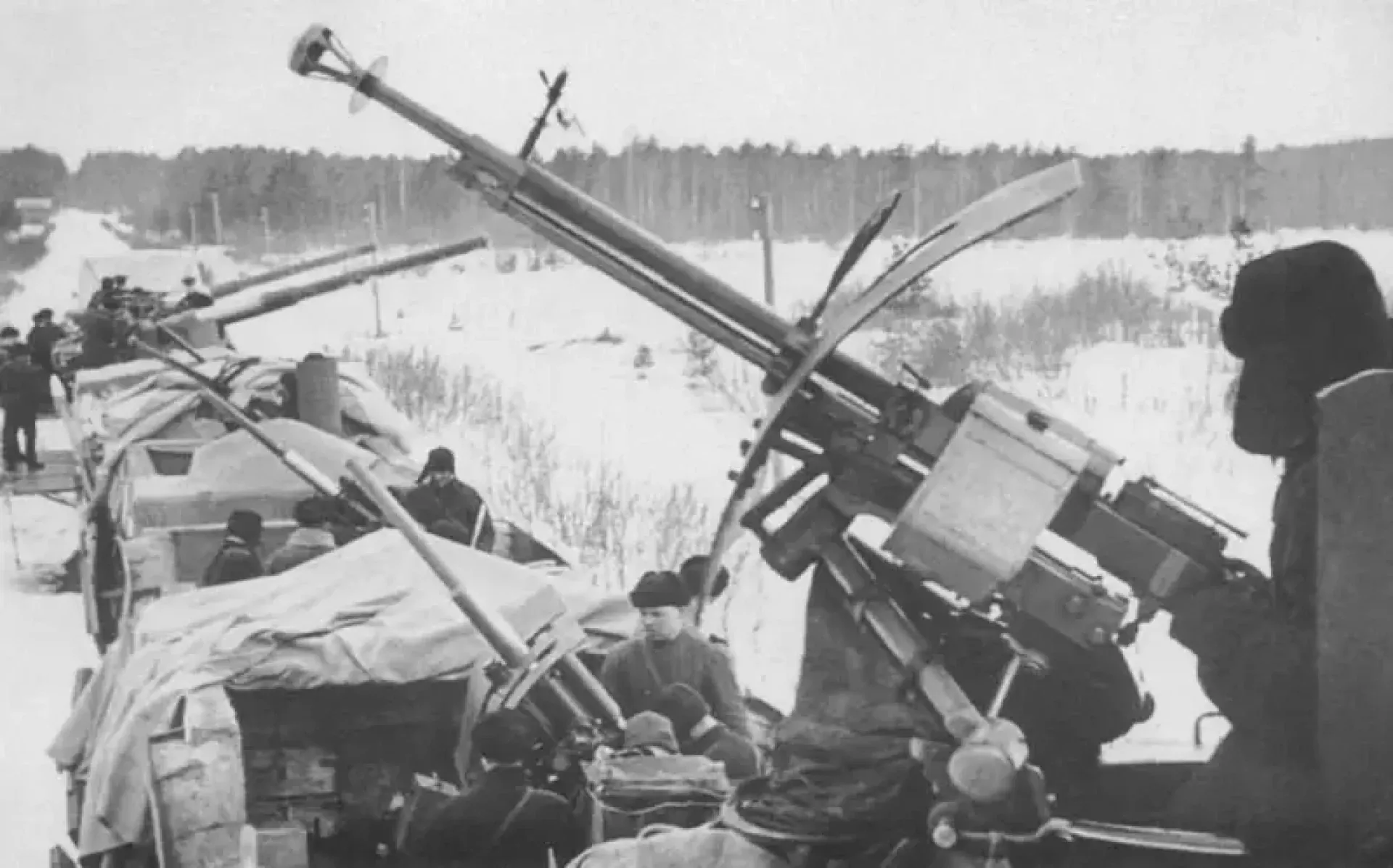
“Logistics is the lifeblood of any army. Cut the lines, and the war is lost,”—US General Omar Bradley once said during World War II. Now, as Russian Shahed drones begin targeting Ukrainian trains, Kyiv may be forced to revisit one of the war’s oldest rail defense ideas: the armored anti-air wagon.
 Prefer U24 Media on Google
- Authors


Russia has begun systematically targeting Ukrainian railway transport with long-range Shahed-type drones, marking an escalation in attacks on critical civilian infrastructure, according to Defense Express on October 8.
On the same day, the mayor of Nizhyn, Oleksandr Kodola, reported that twelve Shahed drones were launched at a freight train between Nosivka and Nizhyn.
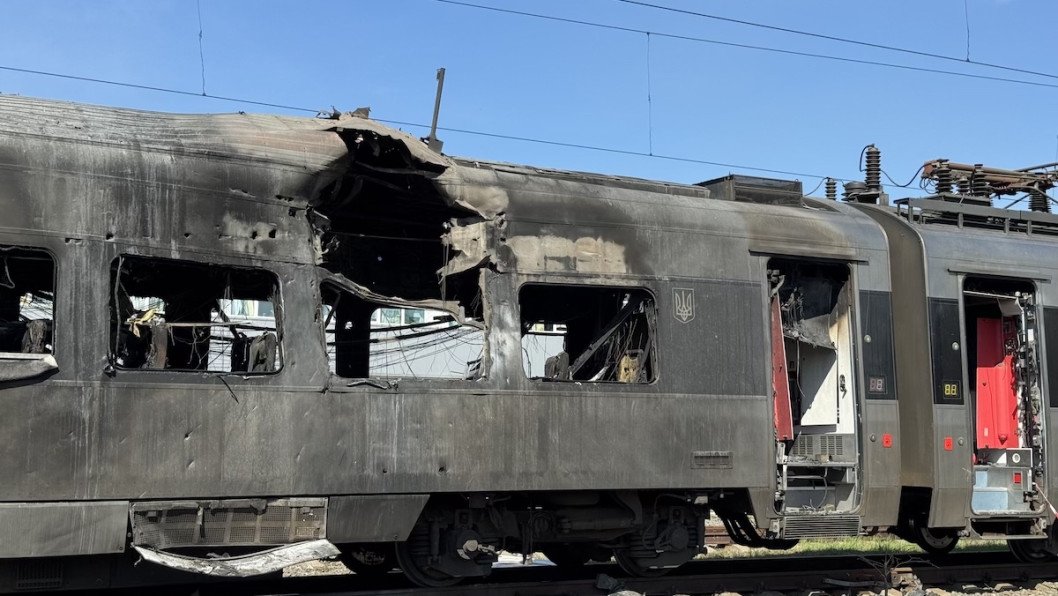
In a separate strike, a Ukrainian Railways locomotive was hit in the town of Snovsk in Chernihiv region. These follow a prior incident on October 4, when a passenger train was struck while stationary at the Shostka railway station.
Emerging drone capabilities and tactical shifts
Defense Express noted that these are not isolated events but part of a growing trend of deliberate attacks on railway assets. Previously, discussions focused on defending locomotives from small FPV-type drones.
A savage Russian drone strike on the railway station in Shostka, Sumy region. All emergency services are already on the scene and have begun helping people. All information about the injured is being established. So far, we know of at least 30 victims. Preliminary reports… pic.twitter.com/ZZoWfPmpL5
— Volodymyr Zelenskyy / Володимир Зеленський (@ZelenskyyUa) October 4, 2025
However, the increasing use of Shahed-class drones—reportedly modified with mesh communication modems and onboard cameras—suggests a more sophisticated level of drone coordination and targeting.
Historic precedents for rail defense
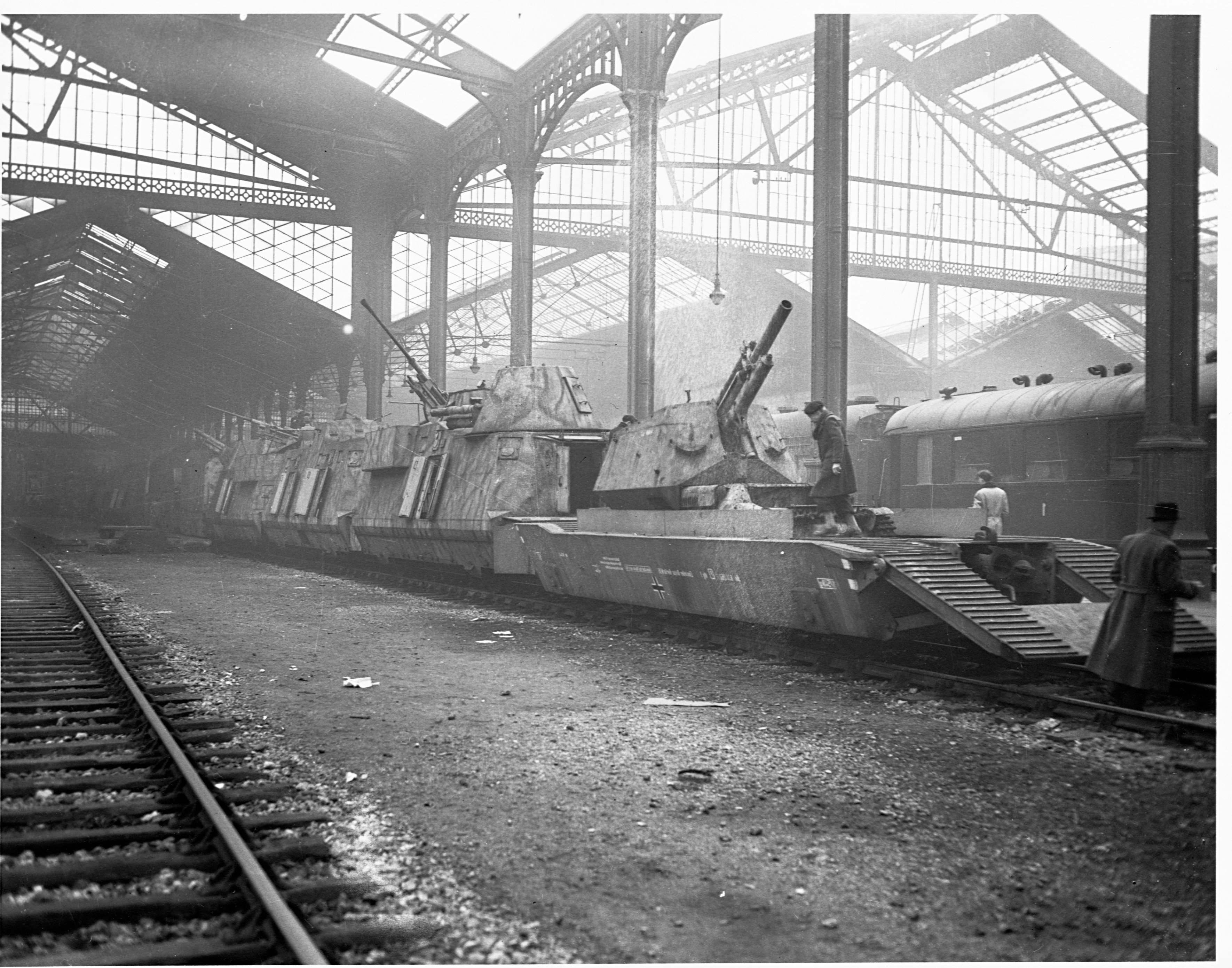
In response, Defense Express points to historical examples from World War II, when both Soviet and German forces deployed anti-aircraft platforms mounted on railcars to protect trains from aerial bombardment.
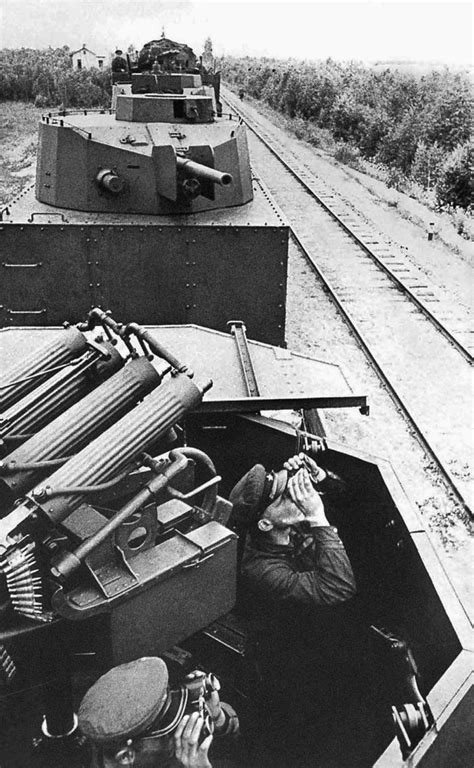
While heavily armored trains with multiple weapon stations are more commonly remembered, these mobile flak wagons—often equipped with light to medium anti-aircraft guns—offered a more flexible and scalable approach.
They were typically attached to military or high-value logistical trains traveling through contested or high-risk areas, allowing for temporary yet effective defense against enemy aircraft.
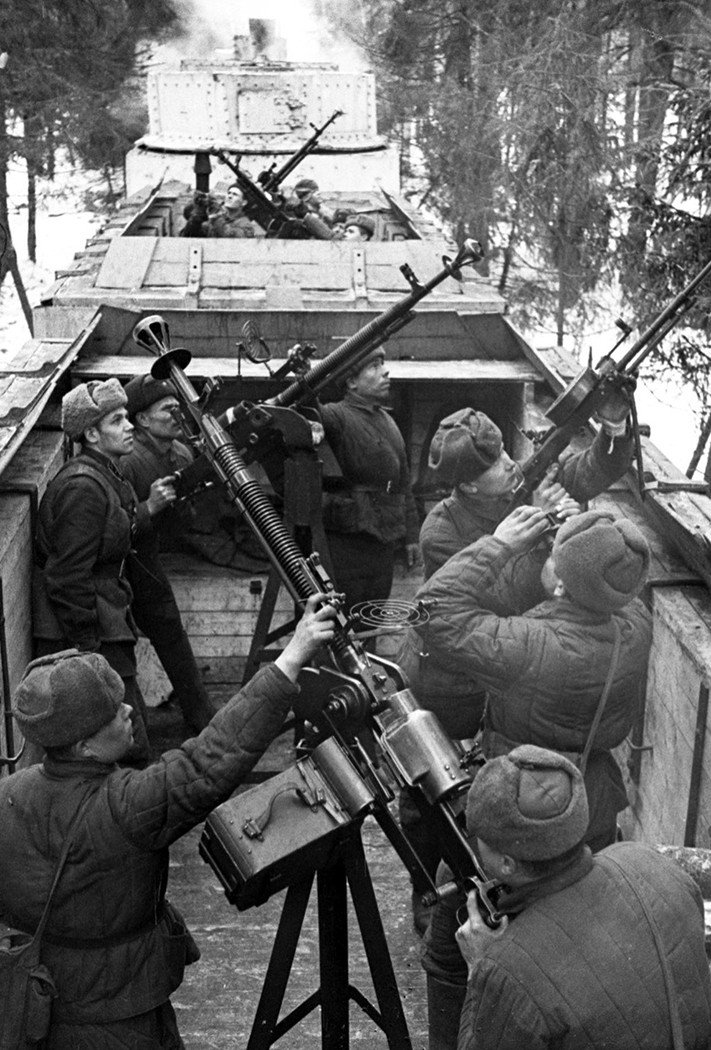
Such platforms could be relocated as needed and did not require the extensive resources or infrastructure of a full armored train, making them a practical solution in fast-moving wartime environments.
Potential modern adaptations
A modern equivalent, the report suggests, could involve rail-mounted air defense systems enhanced with sensors for early drone detection and mechanisms to isolate them from railway electrification systems.
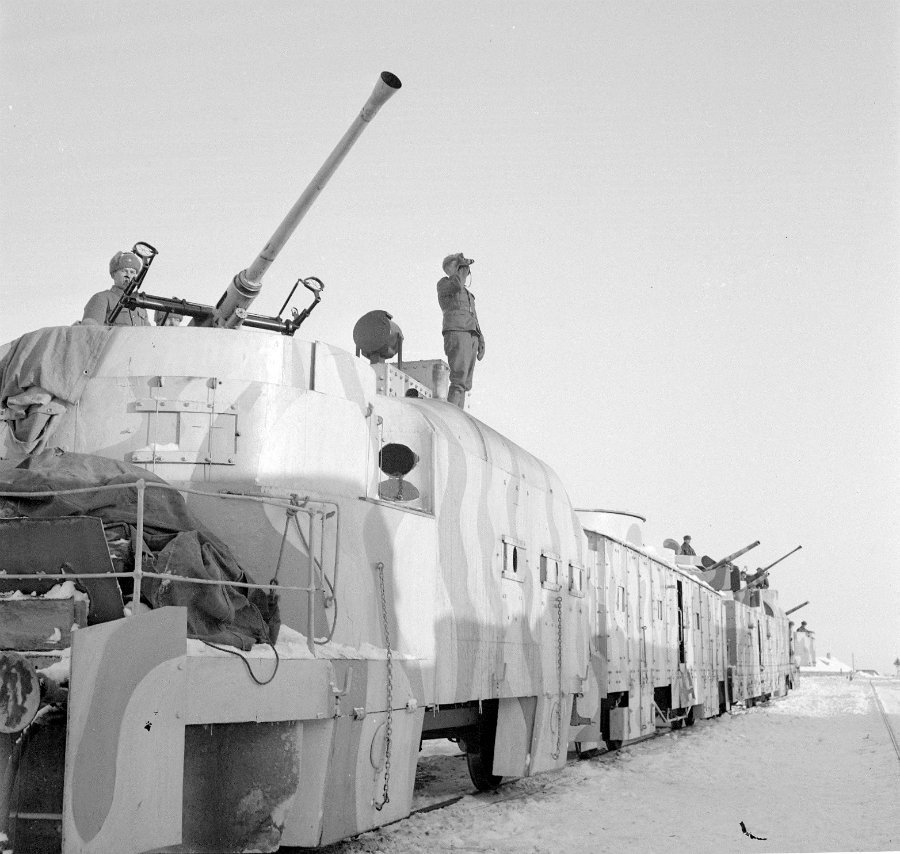
Such configurations would provide mobile protection without requiring permanent armored trains.
As Defense Express notes, Russia appears committed to expanding its capacity to strike moving targets deep within Ukraine’s transport network.
The strategic use of Shahed drones against trains indicates a shift in priorities—and may force Ukraine to adopt rapid-deployable defensive solutions reminiscent of mid-20th century battlefield logistics.
No official comment has yet been issued by Ukraine’s Ministry of Defense on the prospect of reviving mobile anti-aircraft rail platforms. However, the need for scalable protection against drone attacks on railway infrastructure is likely to grow in urgency as these strikes continue.
Earlier, Russia had already begun reintroducing armored trains to protect supply routes in occupied Ukrainian territories. Several such platforms—equipped with ZU-23 anti-aircraft guns and BMP-2 turrets—are currently operating under Russian military command.
Discuss this article:



-c439b7bd9030ecf9d5a4287dc361ba31.jpg "Photo of Katherina Popilnichenko")