- Category
- Latest news
Ukraine’s New Arsenal: Missiles, Drones, and Decentralized Defense
 Prefer U24 Media on Google
- Authors




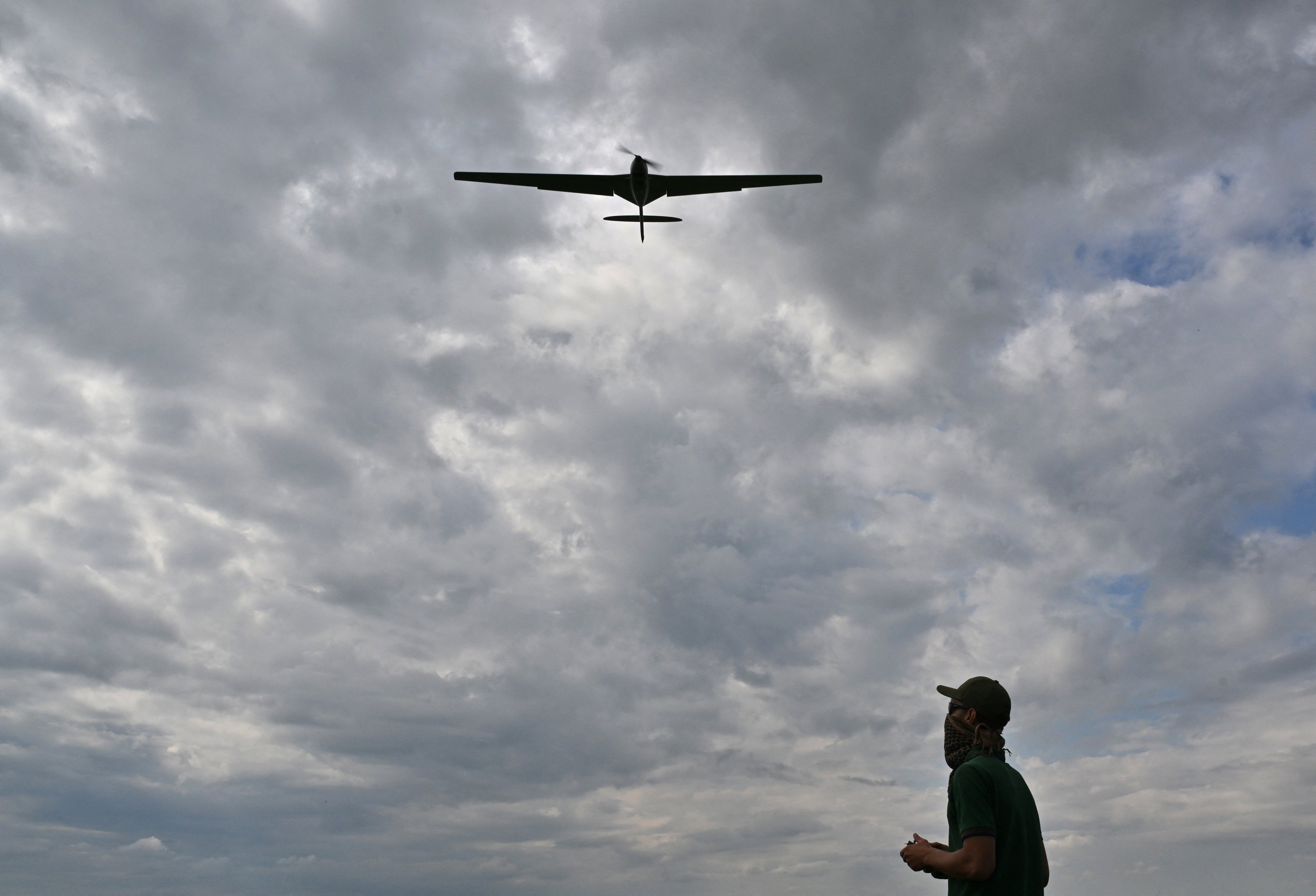
To strengthen its strike capabilities, Ukraine is developing its own missile systems with ranges of 30–100 kilometers and over 300 kilometers. These weapons are expected to be more effective than strike drones.
This assessment comes from US military analyst Michael Kofman, who shared his observations in a recent thread on X. However, he did not specify what types of missile systems he was referring to.
Kofman emphasized that the deployment of drone units in the Ukrainian Armed Forces, a process that began in 2024, has helped offset chronic manpower shortages. This adaptation has allowed Ukraine to maintain a front line spanning more than 1,200 kilometers with minimal infantry density. He noted that Russia’s disproportionate troop losses—relative to the territory it has seized—are largely due to Ukraine’s dominance in drone warfare.
An update on the war following a recent trip. As Russian offensive presume mounts, the front is not at risk of collapse, though salients have formed. More concerning is that Russian improvements in drone employment have reduced Ukraine’s advantages. Long thread. 1/ pic.twitter.com/q1ZGTCP6Ac
— Michael Kofman (@KofmanMichael) July 31, 2025
Despite Russia’s numerical advantage, Kofman pointed out how poorly those forces are being utilized. He said it is “remarkable” that Ukrainian troops continue to hold Chasiv Yar and highlighted how the timely deployment of Ukrainian Air Assault Forces helped stabilize the situation in the Sumy sector.
At the same time, Russian forces are making gains in the Zaporizhzhia direction, aiming to tie down Ukrainian reserves. They are also posing threats not only to Pokrovsk but to Kostiantynivka as well.
Kofman underscored that the current nature of fighting can no longer be described as “trench warfare.” Ukraine’s defensive line is no longer continuous, relying instead on a network of small outposts—often held by just two or three soldiers—who avoid detection unless absolutely necessary.
“This is not a war of trenches. It is a war of individual fighting positions, fortified and well masked units in tree lines, buildings, basements, or in dense forests. Occupying fortifications in the open is usually considered suicidal by troops,” Kofman wrote.
Ukrainian drones are responsible for around 80% of Russian battlefield losses. However, artillery still plays a critical role. Russia has largely abandoned massed armored assaults, shifting to infantry storm units—often using motorcycles or civilian vehicles for mobility, Ukrainian outlet Defense Express noted.
-89a6b63248b068b6cc91cf0a32c051b9.jpg)
In response to Ukraine’s “drone line” defense, Russian forces are attempting to create an “offensive drone line” of their own. At the center of this effort is the Rubikon drone unit, which specializes in fiber-optic drones and electronic warfare systems.
Ukraine continues to hold a qualitative edge in drone operations, especially in ground-based unmanned systems. Kofman added that the Ukrainian military’s ongoing transition from operational commands to army corps structures could yield important benefits, though implementation remains complicated by the need to redeploy brigades.
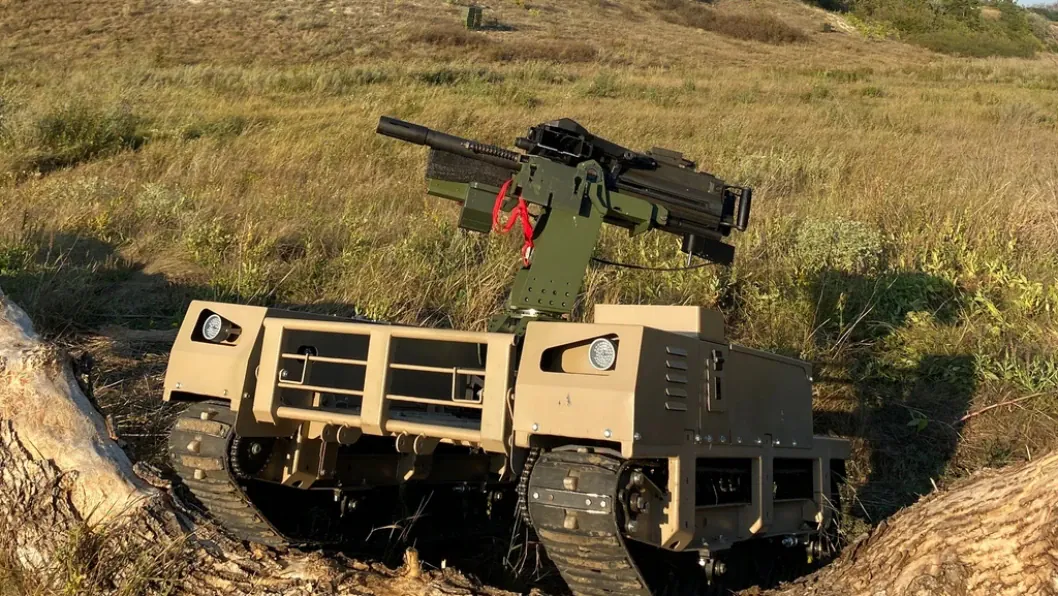
Previously, Ukrainian Defense Minister Denys Shmyhal confirmed the approval of a budget reallocation totaling approximately $232 million to enhance unmanned aerial capabilities and fortify logistics infrastructure, in line with decisions by the Supreme Commander-in-Chief’s Staff. The announcement was made on August 2.
Discuss this article:


-72b63a4e0c8c475ad81fe3eed3f63729.jpeg "Photo of Cyril Barabaltchouk")


-111f0e5095e02c02446ffed57bfb0ab1.jpeg "Photo of Roman Kohanets")