- Category
- Latest news
Ukrainian Drones Wipe Out Russian 2S1 Gvozdika and D-30 Artillery Pieces, Video
 Prefer U24 Media on Google
- Authors


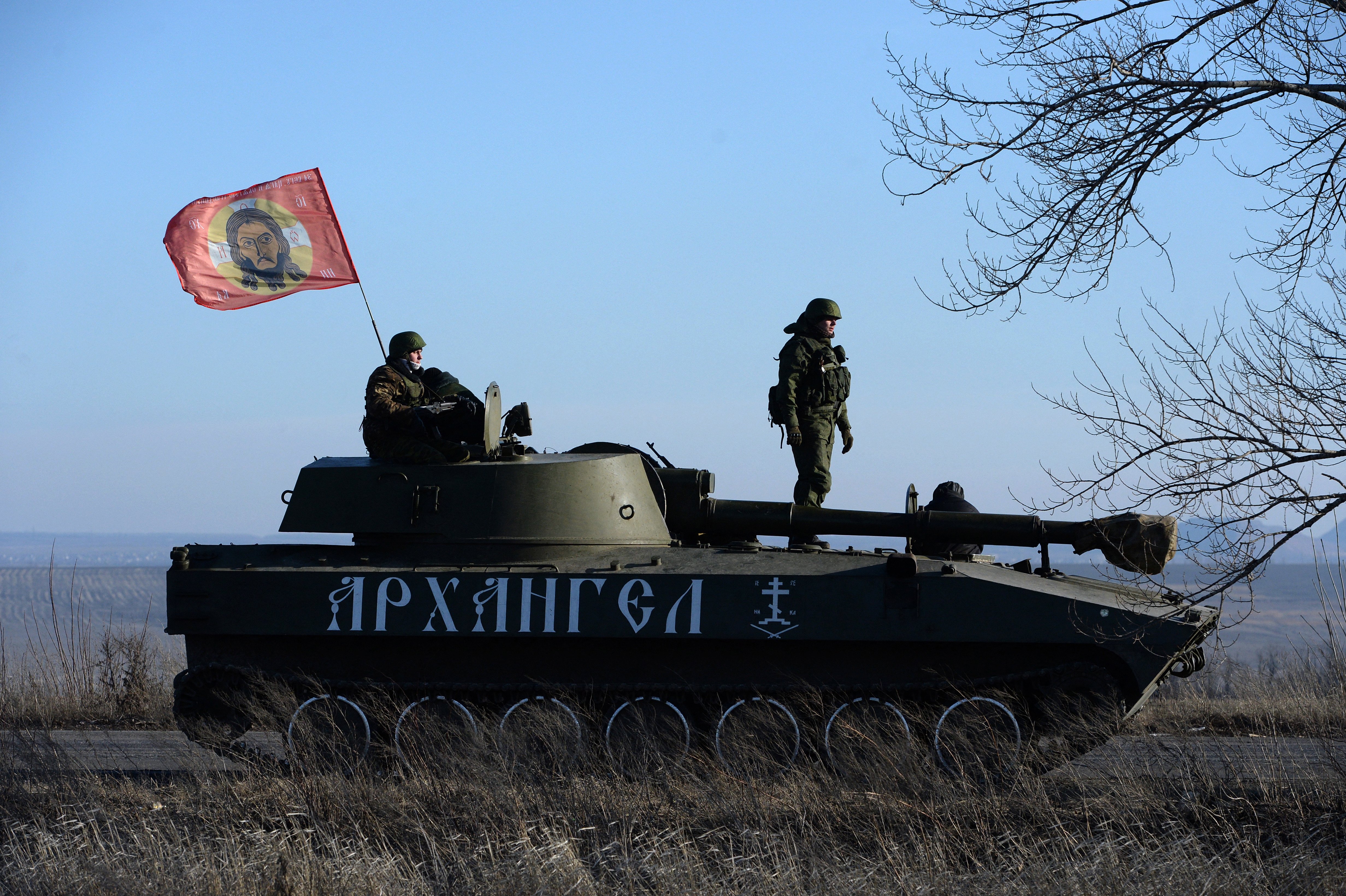
A Ukrainian drone operator from the “Sapsan” battalion of the 14th Separate Mechanized Brigade destroyed two pieces of Russian artillery within minutes of combat work, the brigade announced on September 16.
“In just a few minutes of work, a pilot from the Sapsan unmanned systems battalion tracked down and eliminated enemy artillery. The 2S1 Gvozdika self-propelled howitzer and a D-30 howitzer were explosively hunted down!” the unit wrote.
У ворожої артилерії серйозні неприємності… 😉🔥
— 14ОМБР (@14_OMBR) September 16, 2025
Кілька хвилин роботи пілота батальйону безпілотних систем «Сапсан» і… САУ 2С1 «Гвоздика» та гаубиця Д-30 вибухово впольовані! 🔥
Працюємо далі! 🫡#14омбр_Князівська_бригада#народжена_та_загартована_в_боях#Купянський_напрямок pic.twitter.com/sCL3xflHlj
The 2S1 Gvozdika (“Carnation”) is a Soviet-designed 122-mm self-propelled artillery system, built on the MT-LB armored chassis. It was designed to destroy enemy troops, artillery positions, and fortifications, as well as to clear paths through minefields and obstacles.
Serial production began in 1971 at the Kharkiv Tractor Plant and continued into the early 1990s.
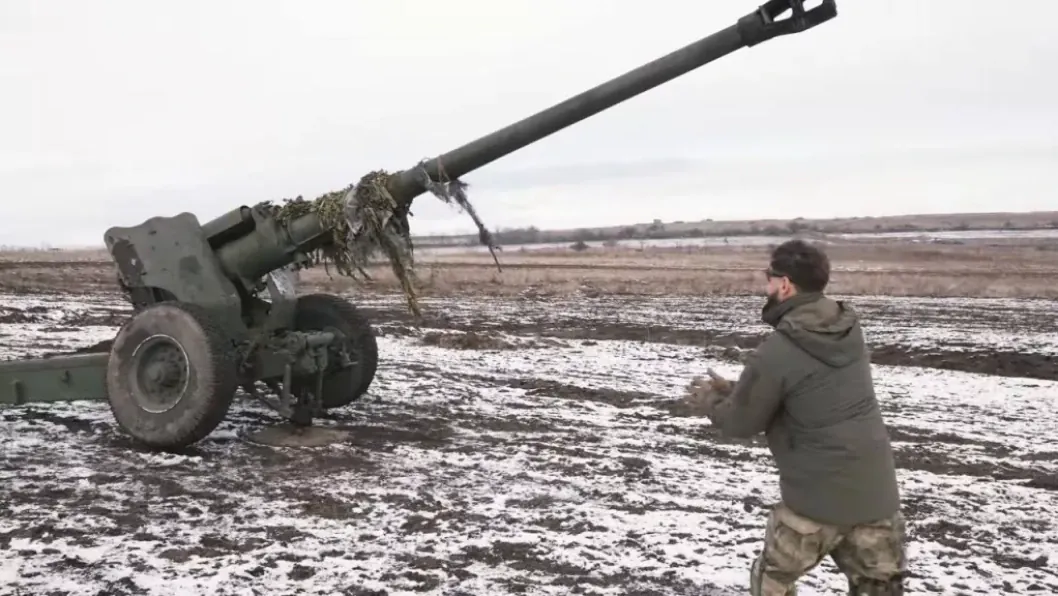
The D-30 is a 122-mm towed howitzer that entered Soviet service in 1960. Designed under the leadership of Fyodor Petrov, it became a staple of Soviet and later Russian artillery, known for its 360-degree traverse and rugged reliability.
With a maximum firing range of nearly 22 kilometers using rocket-assisted shells, the D-30 remains in use across more than 60 countries. Its barrel system also serves as the core weapon of the 2S1 Gvozdika.
⚡️The 🇷🇺Russian 122-mm howitzer D-30 is equipped with an anti-drone grill and "Kontakt-1" dynamic protection 🤕 pic.twitter.com/NfIfemydEm
— 🪖MilitaryNewsUA🇺🇦 (@front_ukrainian) July 25, 2024
Earlier, Ukrainian Armed Forces destroyed three Russian 2A36 Giatsint-B towed guns on the Lyman axis. The strike was carried out through coordinated action between drone units and artillery elements.
Russian troops attempted to conceal the losses by covering the positions with freshly cut branches, but the imagery confirmed that the systems had been rendered inoperable.
Discuss this article:



-c439b7bd9030ecf9d5a4287dc361ba31.jpg "Photo of Katherina Popilnichenko")