- Category
- Latest news
Ukraine Destroys Three Russian Long-Range Giatsint-B Artillery Guns in Lyman Strike
 Prefer U24 Media on Google
- Authors


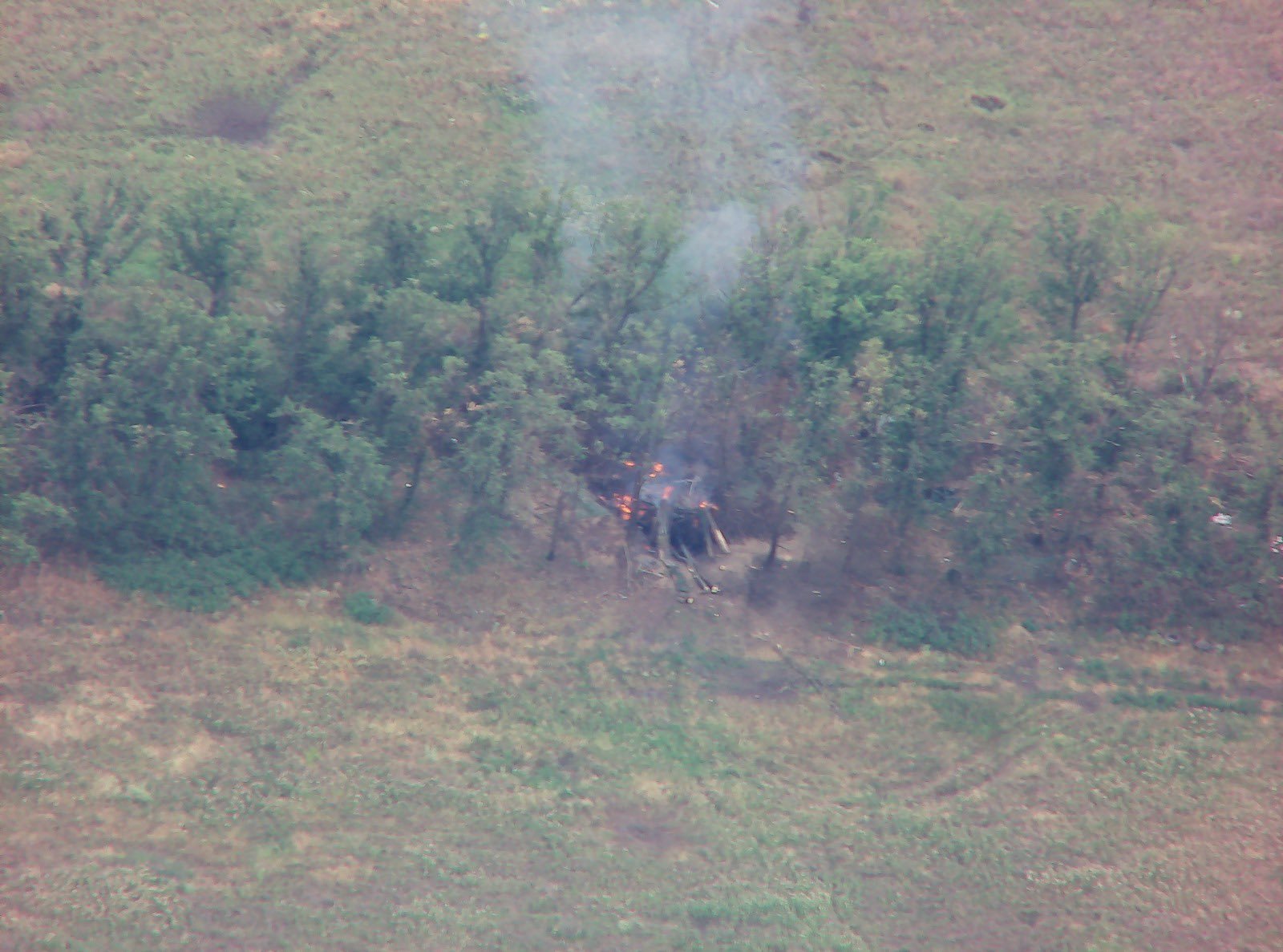
Ukrainian Defense Forces have destroyed three Russian 2A36 Giatsint-B towed guns on the Lyman axis. The strike was carried out through coordinated action between drone units and artillery elements.
Photographs of the damaged weapons were published by a Ukrainian serviceman known as Kriegsforscher.
According to the author, Russian troops attempted to conceal the losses by covering the positions with freshly cut branches, but the imagery confirmed that the systems had been rendered inoperable.
The third destroyed 2A36. July. Lyman direction.
— Kriegsforscher (@OSINTua) August 24, 2025
Russian towed artillery is very hard to destroy. But we do our best on daily basis to make them suffer and make the life of our infantry a little bit better (if I may say something like that).
Зі святом, країно✊ pic.twitter.com/pOlXOOKFd9
The Giatsint-B (2A36) is a 152 mm towed field gun that entered service with the Soviet Army in the mid-1970s. It was designed primarily for counter-battery fire, targeting enemy artillery, fortifications, and concentrations of manpower at long ranges.
With a maximum firing range of up to 30 kilometers, the system remains one of the longest-range towed artillery pieces still in active service with Russian forces.
The weapon fires separate-loading ammunition, including high-explosive fragmentation shells, cluster munitions, and specialized rounds capable of engaging armored vehicles or hardened targets. Its rate of fire is up to six rounds per minute, though its weight of more than 9 tons limits mobility compared to modern self-propelled systems.
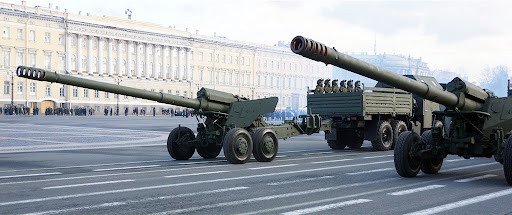
Despite its age, the Giatsint-B continues to be widely deployed in Russia’s artillery units, especially in the war against Ukraine, where it is used to strike deep targets and support infantry assaults.
Earlier, fighters from Ukraine’s National Guard UAV unit destroyed a Russian S-300V air defense launcher in occupied Zaporizhzhia, with video showing the $40 million system erupting in flames after being struck.
Discuss this article: