- Category
- Latest news
Ukrainian Forces Destroy Key Russian Military Assets, Including S-400 Radars and Logistics Sites
 Prefer U24 Media on Google
- Authors


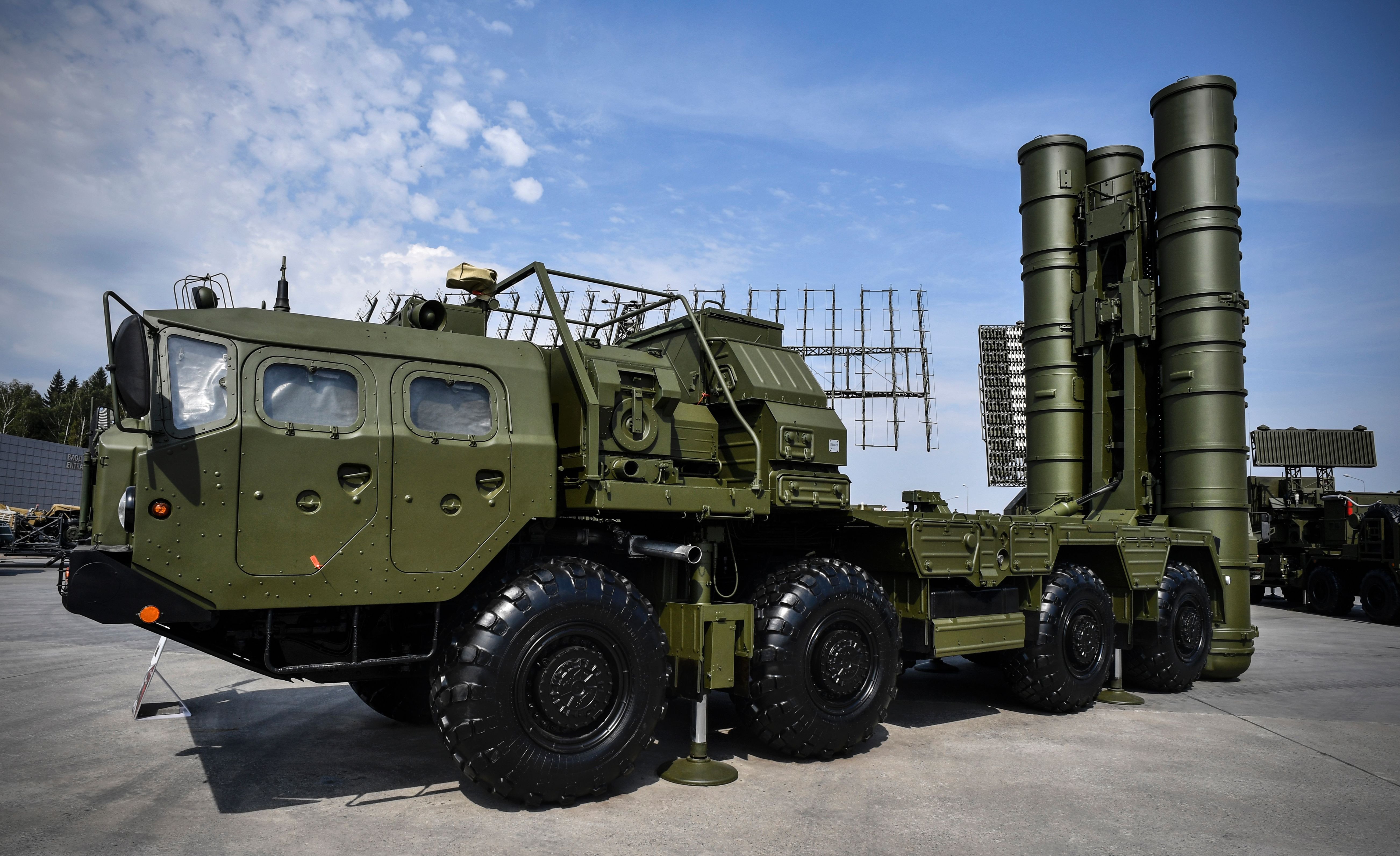
Ukraine’s Defense Forces successfully struck key Russian military assets, including radar components from the S-400 air defense missile system, logistics sites, and concentrations of Russian troops, according to the General Staff of the Armed Forces of Ukraine.
As reported by the General Staff, Ukrainian forces targeted these critical facilities during operations on April 14 and the early hours of April 15.
We bring you stories from the ground. Your support keeps our team in the field.
Among the successful strikes, Ukrainian forces hit a radar station from the S-400 air defense system (96L6) near Krasnohirske, located in the temporarily occupied part of the Zaporizhzhia region. Additionally, the “Nebо-SVU” radar station was targeted in the Gvardiske area, which is also under Russian occupation in Crimea.
Ukrainian military forces also targeted and destroyed several Russian logistical hubs. In the temporarily occupied Zaporizhzhia region, a munitions depot in the village of Terpinnia was struck, and in Donetsk, near the settlement of Hirne, a drone storage facility was hit. Furthermore, fuel tanks near Mariupol were destroyed, and material and technical resources were obliterated in the areas of Rybynske and Topolyne.
In addition to damaging critical infrastructure, Ukraine’s defense forces targeted Russian personnel in multiple locations, the General Staff reported. Areas near Ivanivskyi and Volfynskyi in Russia's Kursk region, as well as near Krasnohirske in Zaporizhzhia, Berazove in Dnipro, Rodynske in Donetsk, and Oleshky in Kherson were also struck. These areas were reportedly housing significant numbers of Russian troops.
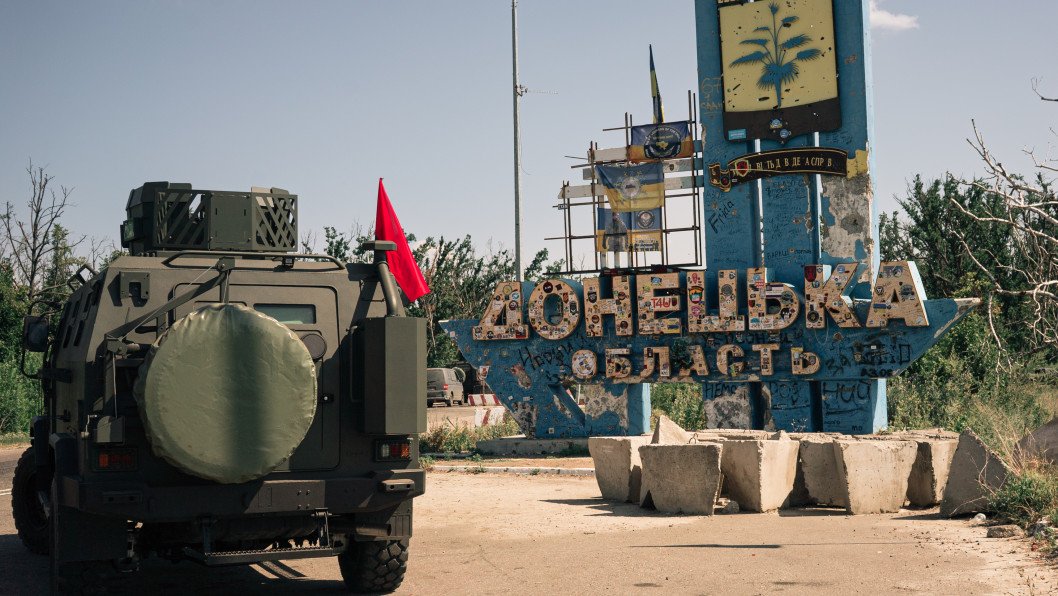
According to the statement, other key Russian military assets were also affected, though the full scale of the Russia’s losses and the extent of the damage are still being assessed.
In the related development, Ukraine’s Defense Forces launched a series of precision strikes on Russian unmanned aerial vehicle (UAV) storage sites near Donetsk Airport on the night of April 14. The strikes, which aimed at reducing Russia's offensive capabilities, were carried out using SCALP cruise missiles and GBU-39 precision-guided bombs.
According to the General Staff of the Armed Forces of Ukraine, the operation was led by Ukrainian Air Force units as part of a broader strategy to disrupt Russian military logistics. The targets were located in the temporarily occupied Donetsk region and were used for storing attack drones.
Alongside the SCALP missiles, Ukrainian forces deployed guided aerial bombs and strike drones to hit critical Russian logistics hubs and ammunition depots. The strikes were confirmed in several locations, including Azovske in the Zaporizhzhia region, and Urzuf and Kulykivske in the Donetsk region. These operations are part of Ukraine’s ongoing efforts to weaken Russia's logistical support and combat capabilities on the frontlines.

At the same time, the ATESH partisan movement has claimed responsibility for a sabotage operation deep inside Russian territory, targeting a critical communications node used by the Russian military in the Sverdlovsk region.
In a statement issued on April 15, the movement revealed that their operatives successfully destroyed a telecommunications cabinet linked to a major communications tower in the settlement of Gorny Shchit. This facility, described as essential for maintaining secure command and data transmission channels, is believed to play a central role in Russia’s military logistics operations.
“Our agents continue to strike the aggressor’s military infrastructure deep behind the lines,” the statement read. “In Gorny Shchit, we successfully destroyed a telecommunications cabinet connected to a key communications tower that supports the operational control and secure data channels of the Central Military District headquarters.”
Discuss this article:
-9a7b3a98ed5c506e0b77a6663f5727c5.png)


-c439b7bd9030ecf9d5a4287dc361ba31.jpg "Photo of Katherina Popilnichenko")