- Category
- Latest news
UN Commission Finds Russian Telegram Videos of Ukrainian Killings Constitute War Crimes
 Prefer U24 Media on Google
- Authors


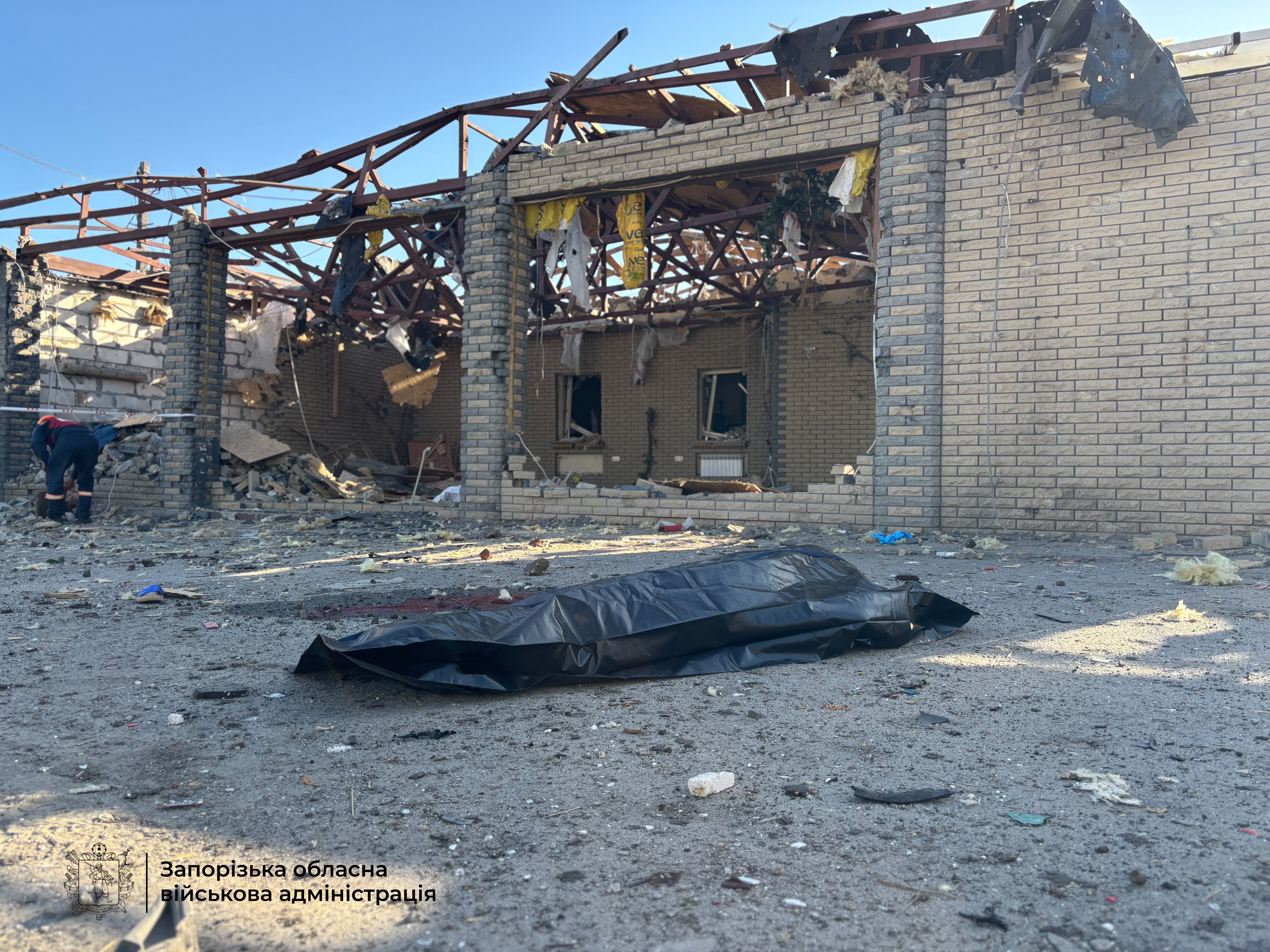
The Independent International Commission of Inquiry on Ukraine has concluded that Russian Telegram channels, run by the perpetrators of attacks or those linked to Russian drone units, spreading videos of Ukrainian civilians being killed or wounded, constitutes a war crime.
This statement was made by the Independent International Commission of Inquiry on Ukraine in its most recent update to the Human Rights Council on September 22. The Commission emphasized that these actions directly violate human dignity.
The channels also published threatening posts, announcing new attacks and urging civilians to abandon their homes.
In May of this year, the Commission concluded that drone attacks in the Kherson region were large-scale and systematic, qualifying them as crimes against humanity, specifically murder.
Furthermore, collected evidence confirms similar strikes on civilians and civilian infrastructure in the Dnipropetrovsk and Mykolaiv regions.

The report highlights that the circumstances of the attacks in settlements along the right bank of the Dnipro River indicate the perpetrators’ intent to kill, maim, and destroy. Russian forces are shelling these three regions from positions on the left bank of the Dnipro, more than 300 kilometers away.
For these strikes, they use drones equipped with real-time surveillance and target-tracking systems. These drones often followed their victims over long distances, dropping explosives on them, resulting in deaths and injuries. The Commission also reported drone strikes on ambulances and other emergency services, obstructing their ability to reach critical destinations.
The Commission’s report states that these attacks have had a devastating impact on civilians in the affected areas. Entire communities have become uninhabitable, with essential services and shops closed. The terror forced thousands of people to flee their homes.
“Apartments stopped running, stores were closed, drones were everywhere—where previously a few drones would fly in a day, by that time three, four, or five would fly every hour. It became impossible to go outside,” said a resident of the village of Antonivka, who left after repeated attacks.
-6b2caaf13bbe77ebec3d9235261689a0.jpg)
The Commission believes that the actions of the Russian military can be considered a crime against humanity—forced displacement. The Commission plans to address this issue further in its report to the General Assembly in October.
The report also states that investigations into short-range drone strikes, as well as deportations and forced relocations, show that Russian authorities are acting in a coordinated and organized manner to capture new territories, strengthen control over occupied areas, and force locals to flee.
Additionally, the Commission continues to investigate the practice of deporting and relocating adult civilians from the occupied regions of Zaporizhzhia.
Previously, it was reported that in July, civilian casualties in Ukraine reached a new three-year high, according to the UN Human Rights Monitoring Mission in Ukraine HRMMU on August 13 in its latest update on civilian protection.
Discuss this article:


-c439b7bd9030ecf9d5a4287dc361ba31.jpg "Photo of Katherina Popilnichenko")