- Category
- Latest news
US Extends State of Emergency, Continuing Restrictions on Russian Ships in American Ports
 Prefer U24 Media on Google
- Authors


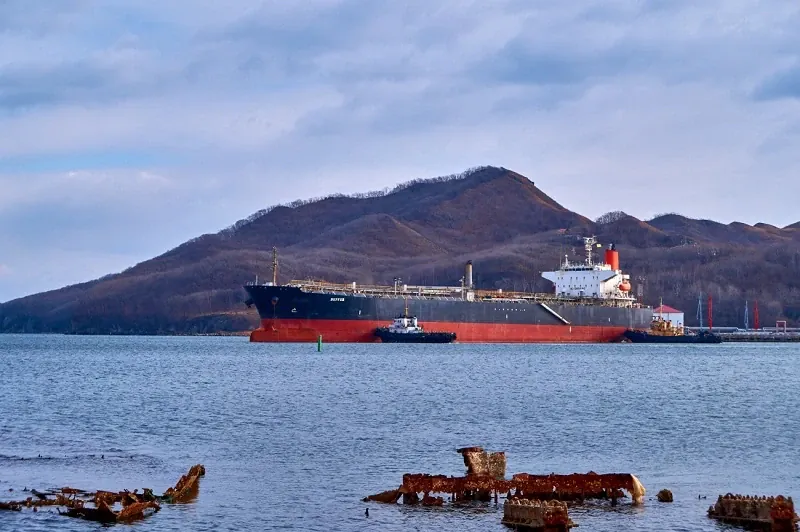
The United States has extended its state of emergency for one more year, continuing restrictions on the movement and docking of vessels associated with Russia in American ports.
This decision, confirmed in a notice from the White House and published in the Federal Register on April 17, emphasizes the ongoing geopolitical tensions surrounding Russian actions.
We bring you stories from the ground. Your support keeps our team in the field.
The emergency declaration, initially issued on April 21, 2022, by then-President Joe Biden, grants the Secretary of Homeland Security authority to regulate the docking and movement of ships connected to Russia within US waters.
“The policies and actions of the Government of the Russian Federation continue to constitute a national emergency by reason of a disturbance or threatened disturbance of international relations of the United States,” the White House explained.
In accordance with the National Emergency Act, US President Donald Trump has authorized the extension of the emergency and the associated powers to regulate the docking and movement of Russian-linked vessels in US ports, the statement read.
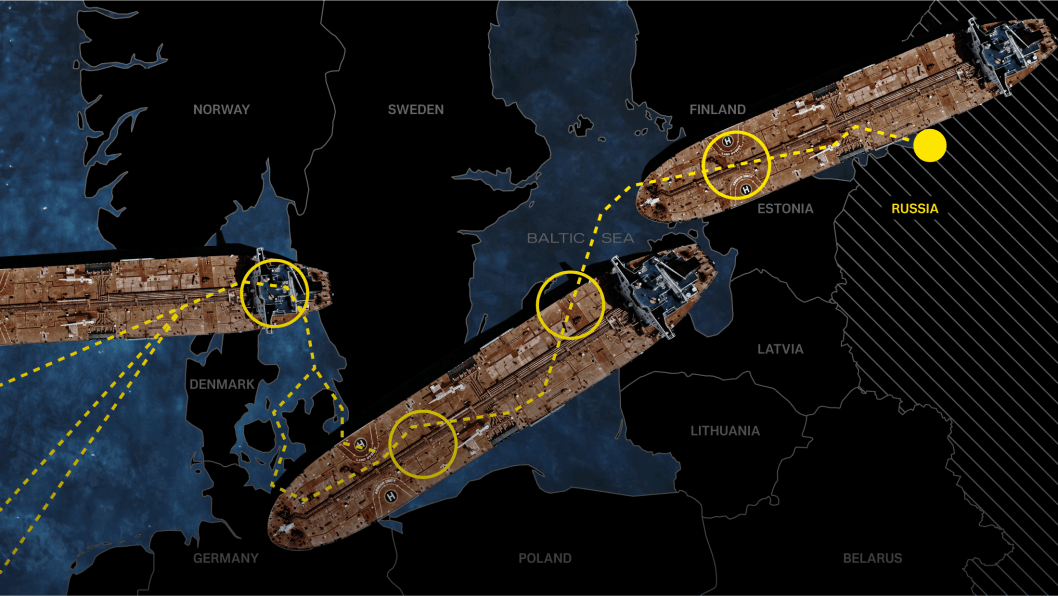
As tensions surrounding Russia's actions remain high, the United States maintains its strict stance, extending its state of emergency and upholding sanctions on Russian and Iranian oil.
This statement was made by US Treasury Secretary Scott Bessent during a press conference held at the White House on April 15.
“We will not be renewing the general license on Russian oil and we will not be renewing the general license on Iranian oil,” Bessent affirmed.
The Treasury Secretary further clarified that these actions concern a limited amount of oil that was in transit until March 11 under prior permissions. According to Bessent, these shipments have already been completed and are no longer covered by the licenses.
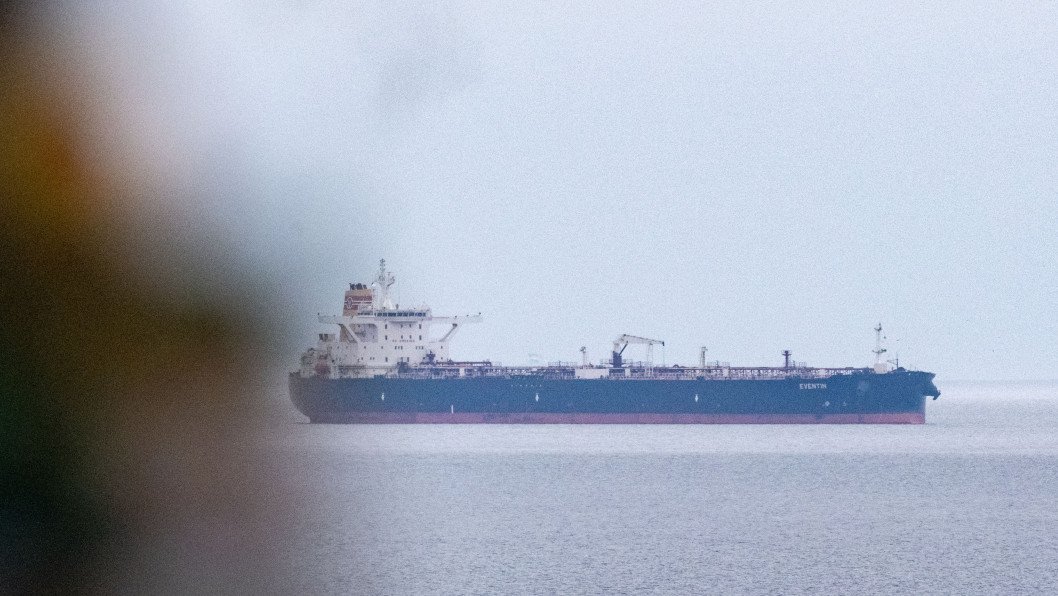
The extension follows the discovery of a new evasion method by Ukrainian intelligence, which found that Russian tankers are using fraudulent insurance certificates to bypass international sanctions.
The assessment, which was seen by Bloomberg on April 16, shows that Seaguard P&I, a company claimed to be based in Pinneburg, Germany, issued an insurance certificate for the Paz tanker, which is sanctioned by the US, UK, and European Union.
However, Ukrainian intelligence uncovered that no such commercial entity named Seaguard exists in Germany. The address listed on the insurance certificate and the company’s website was found to correspond to a residential apartment building.
Discuss this article:
-4a56a6b482ec132402c16ef6fcabf9a2.png)