- Category
- Latest news
US Refuses to Extend Sanctions Relief for Russian and Iranian Oil
 Prefer U24 Media on Google
- Authors


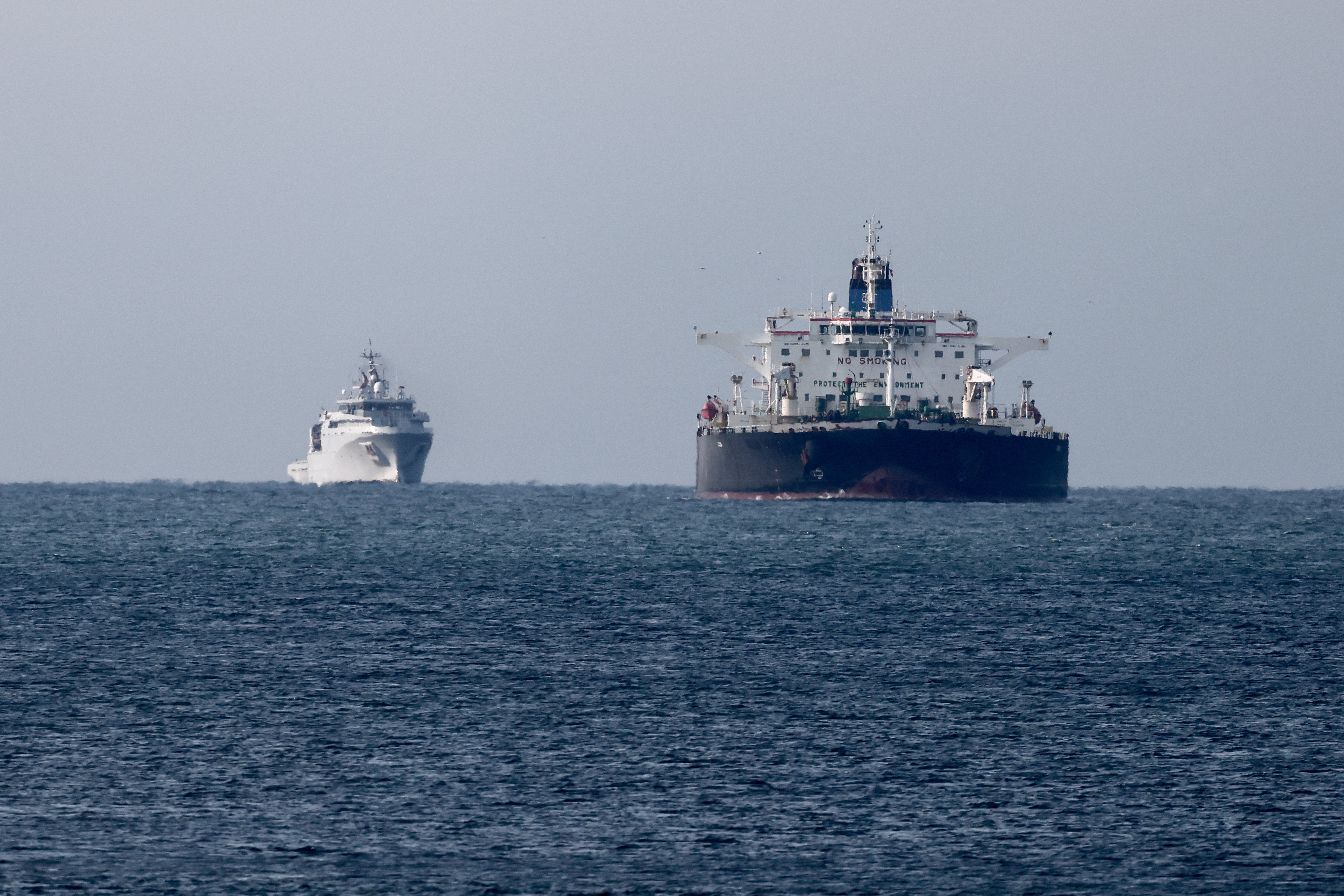
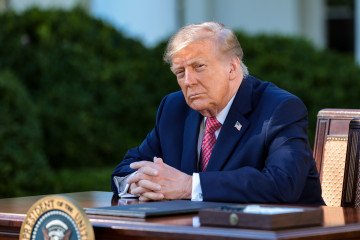
The United States will not ease sanctions on Russian and Iranian oil, nor will it extend the validity of existing general licenses.
This was confirmed by US Treasury Secretary Scott Bessent during a press conference at the White House on April 15.
We bring you stories from the ground. Your support keeps our team in the field.
“We will not be renewing the general license on Russian oil and we will not be renewing the general license on Iranian oil,” Bessent emphasized.
The Treasury Secretary clarified that these measures pertain to a limited amount of oil that was in transit until March 11 under previous allowances. According to Bessent, these shipments have already been completed and are no longer covered by the licenses.
On March 13, the United States has issued a 30-day license that allows for the purchase of Russian oil and petroleum products currently stranded at sea.

According to the Office of Foreign Assets Control at the US Treasury, the license permits the delivery and sale of crude oil and petroleum products originating from Russia, which were loaded onto vessels as of March 12, 2026. The license remained valid until April 11, 2026.
In a clarification, US Secretary of the Treasury Scott Bessent explained that the temporary easing of sanctions would not result in significant financial gains for Russia. Bessent took to social media, stating that the measure aims to improve global influence over supply channels.
“To increase the global reach of existing supply, the US Department of the Treasury is providing a temporary authorization to permit countries to purchase Russian oil currently stranded at sea,” Bessent wrote. He further explained that the move is designed to stabilize energy markets and prevent price hikes amid the ongoing US-Israel operation in Iran.
“This narrowly tailored, short-term measure applies only to oil already in transit and will not provide significant financial benefit to the Russian government, which derives the majority of its energy revenue from taxes assessed at the point of extraction,” he added.
The US's temporary easing of sanctions on Russian oil came at a time when Russia's oil tax revenues saw a significant decline, dropping by nearly 50% in March compared to the same period last year. This sharp decrease occurred just weeks before rising global oil prices, fueled by escalating tensions in the Middle East, began to reverse the downward trend.
-7742bc3a260432fa9633e5ce414ea210.jpg)
According to data from Russia's Ministry of Finance, Russian oil producers paid around $6.4 billion in oil taxes in March, a 48% year-on-year decline. Combined oil and gas revenues also saw a nearly 43% decrease, totaling 617 billion rubles. Estimates from The Insider, citing similar data, suggest the drop was approximately 50% compared to March 2025.
This sharp revenue decline reflects Russia's tax structure for oil and gas, with March’s revenues based on February prices for Urals crude, which averaged below $45 per barrel—well below the $59 per barrel that Russia's federal budget had anticipated for 2026.
Discuss this article:
-4a56a6b482ec132402c16ef6fcabf9a2.png)

-c439b7bd9030ecf9d5a4287dc361ba31.jpg "Photo of Katherina Popilnichenko")