- Category
- Latest news
US Blockade Forces Sanctioned Chinese Tanker to Retreat at Strait of Hormuz
 Prefer U24 Media on Google
- Authors

-72b63a4e0c8c475ad81fe3eed3f63729.jpeg "Photo of Cyril Barabaltchouk")
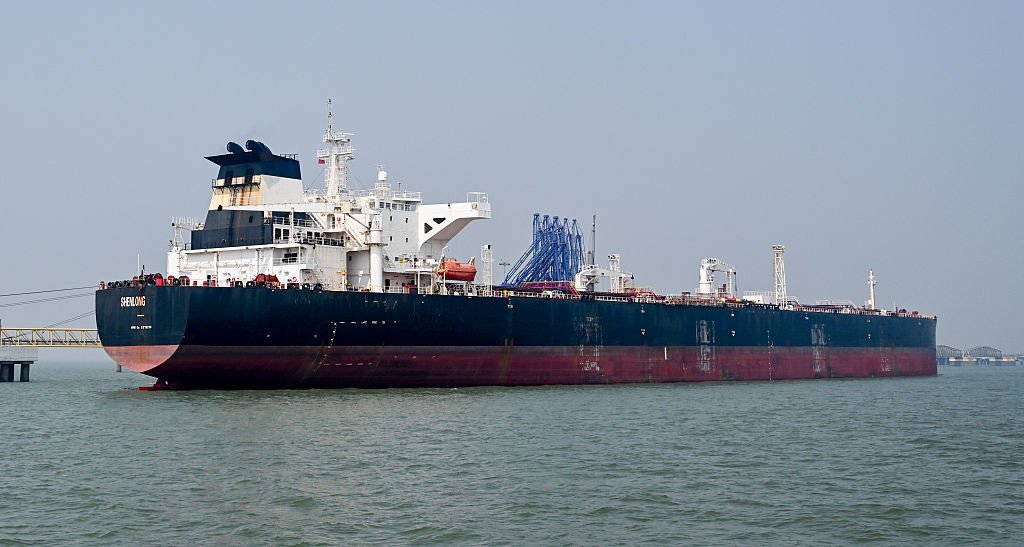
The US-sanctioned tanker Rich Starry was forced to retreat back into the Strait of Hormuz after failing to break through a newly imposed US naval blockade targeting vessels calling at Iranian ports, Reuters reported on April 15.
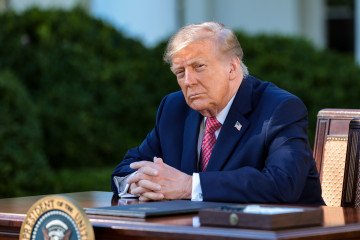
US President Donald Trump ordered the blockade on April 12 following the collapse of peace talks between Washington and Tehran in Islamabad.
We bring you stories from the ground. Your support keeps our team in the field.
“During the first 24 hours, no ships made it past the US blockade,” the US Central Command confirmed on X, adding that six vessels had complied with direct orders from US naval forces to turn around and re-enter Iranian ports. Furthermore, a US destroyer successfully intercepted and stopped two oil tankers attempting to leave the Iranian port of Chabahar on the Gulf of Oman on April 14.
More than 10,000 U.S. Sailors, Marines, and Airmen along with over a dozen warships and dozens of aircraft are executing the mission to blockade ships entering and departing Iranian ports. During the first 24 hours, no ships made it past the U.S. blockade and 6 merchant vessels… pic.twitter.com/dpWAAknzQp
— U.S. Central Command (@CENTCOM) April 14, 2026
The Rich Starry, a Chinese-owned medium-range tanker carrying approximately 250,000 barrels of methanol loaded in the United Arab Emirates, was among at least eight ships crossing the waterway on the first day of the blockade. Both the vessel and its owner, Shanghai Xuanrun Shipping Co, were previously placed under US sanctions for dealing with Iran. The tanker is currently anchored off the Iranian coast, according to Reuters.
The military blockade has paralyzed global shipping in the region, creating massive uncertainty for oil companies and war risk insurers. Industry sources told Reuters that maritime traffic has fallen to a mere fraction of the 130-plus daily crossings seen before the US and Israel’s war on Iran began on February 28. Since the blockade’s enforcement, no Iranian tankers carrying crude for export have successfully passed through the strait.
According to energy consultancy FGE, Iran currently holds about 90 million barrels of unused onshore crude storage, which can sustain its current output of 3.5 million barrels per day for roughly two months before capacity is exhausted.
While Iranian exports remain trapped, other regional trade continues under scrutiny. The US-sanctioned Very Large Crude Carrier (VLCC) Alicia, which has a history of transporting Iranian oil, was permitted to enter the Gulf via the strait on April 15 because the empty vessel was heading to Iraq to load cargo. Similarly, the Malta-flagged VLCC Agios Fanourios I successfully entered the Gulf on its second attempt to transit, heading to Iraq to load Basra crude for Vietnam’s Nghi Son refinery.
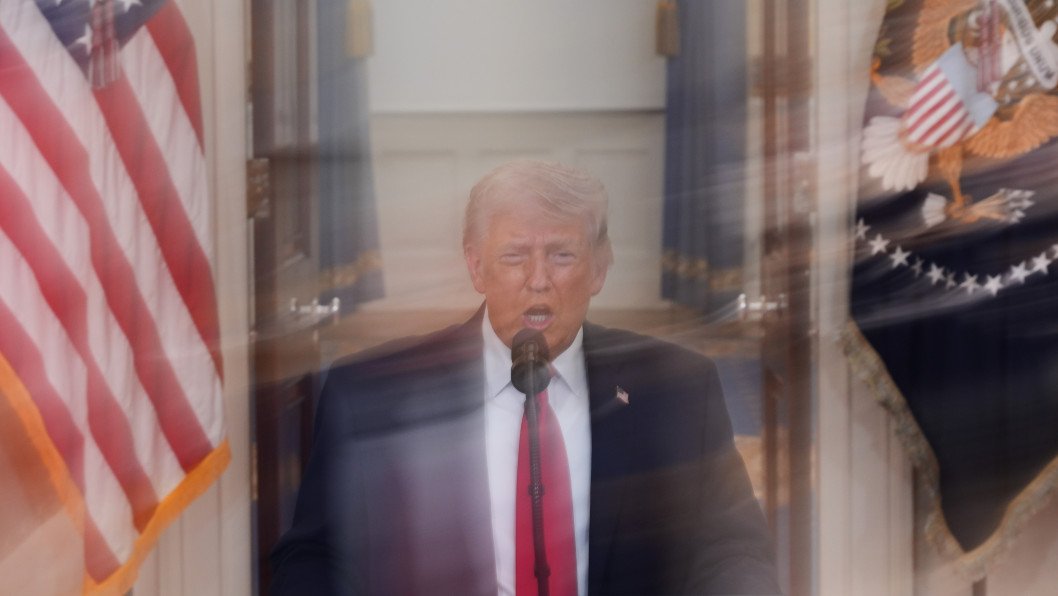
The newly enforced US naval blockade on Iranian ports follows Tehran’s staunch refusal to yield to Donald Trump’s midnight ultimatum to unblock the Strait of Hormuz. Rejecting a temporary ceasefire brokered by international intermediaries, Iran issued a sweeping 10-point response, insisting on financial compensation, a permanent end to US and Israeli strikes, and crucially, direct control over the strait to impose transit fees on international shipping.
With the standoff paralyzing a vital chokepoint that handles 20% of global petroleum consumption, Trump has threatened to destroy Iranian civilian infrastructure like bridges and power plants, while Tehran vows to retaliate by targeting the water and power grids of US allies in the Gulf.
Discuss this article:



-c439b7bd9030ecf9d5a4287dc361ba31.jpg "Photo of Katherina Popilnichenko")