- Category
- Latest news
What Keeps Putin Awake at Night? Veterans Returning From Ukraine
 Prefer U24 Media on Google
- Authors


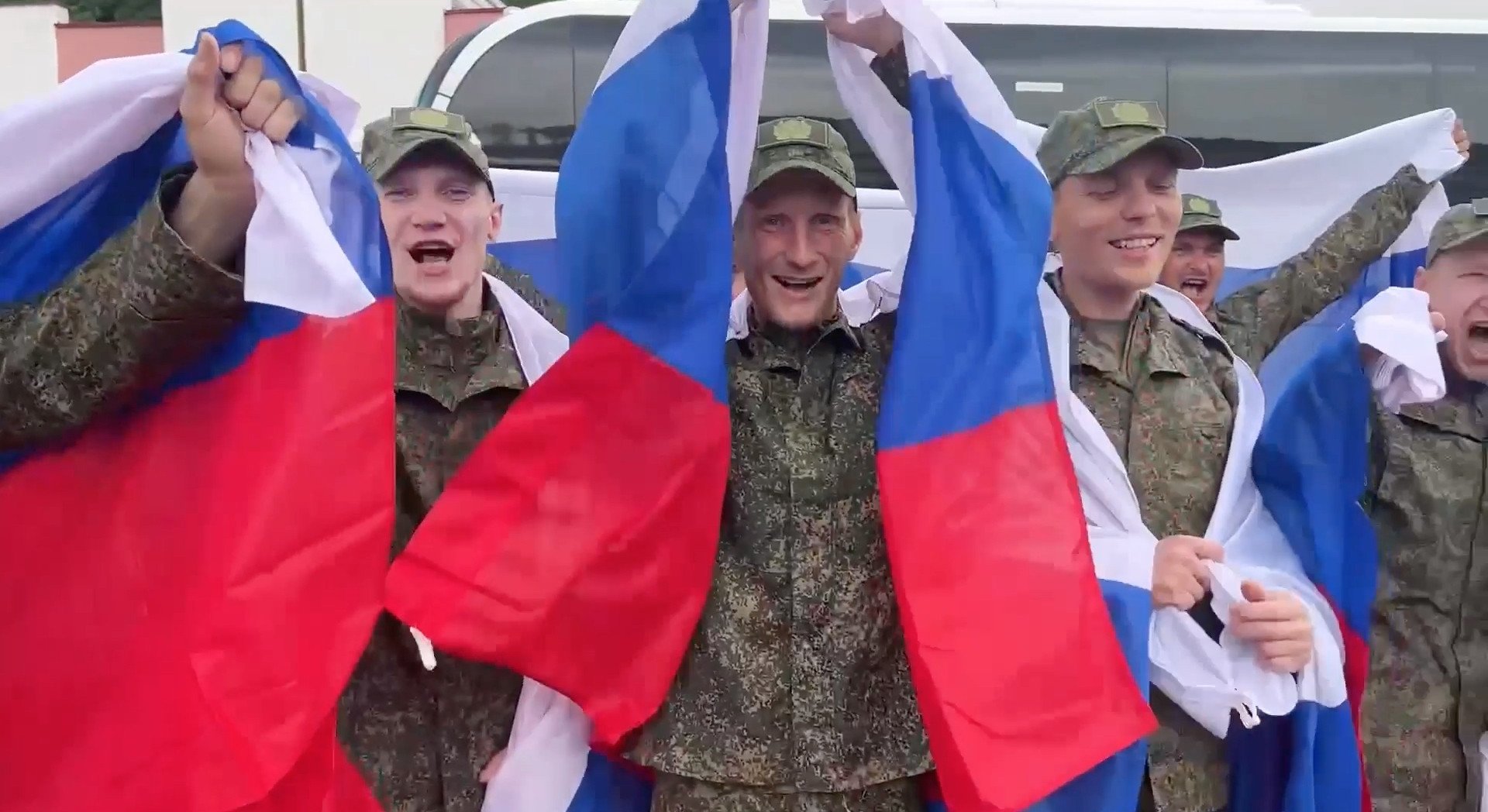
The Kremlin is increasingly concerned that the return of tens of thousands of veterans from the war in Ukraine—including many former prisoners—may pose a serious internal threat to Vladimir Putin’s regime.
According to the Foreign Intelligence Service of Ukraine (SZRU) on October 7, Russian authorities anticipate that returning soldiers may become a destabilizing force, both politically and socially, particularly as they face reintegration into a society marked by low wages, economic uncertainty, and limited social support.
“According to the Kremlin’s estimates, veterans could become a catalyst for criminal and political destabilization capable of shaking the system built around Putin’s personal loyalty,” the SZRU said in a public statement.
Ukrainian intelligence draws a parallel to the 1990s, when Soviet veterans returning from the war in Afghanistan formed criminal and paramilitary groups that contributed to a surge in organized crime across Russia.
-50c64d019d3899de5677f8b898913418.jpg)
A similar trend may be emerging now, fueled by the psychological impact of the war, prior criminal histories, and economic hardships.
The SZRU noted that a significant part of Russia’s military effort relied on prisoners recruited from penal colonies. Between 120,000 and 180,000 convicts are estimated to have been deployed to the front.
Many of them have since returned to Russian cities, where authorities are reportedly seeing a sharp rise in violent crime committed by individuals with military service records.
Since 2023, Russian military courts have received at least 989 cases involving murder or grievous bodily harm resulting in death.
Official sentencing figures reveal a steep climb in convictions: 38 in 2022, 266 in 2023, 346 in 2024, and 377 new cases already reviewed in the first nine months of 2025.
-ed051fb1853bcb98ed81f53fa31bd834.png)
The Kremlin has responded to the growing security risk by expanding the powers of the Federal Penitentiary Service.
The agency has been authorized to deploy a broader array of non-lethal weapons—ranging from batons and stun guns to water cannons and dogs—to maintain control over aggressive ex-inmates and demobilized troops.
Intelligence analysts suggest that these returning individuals, many of whom have become desensitized to violence and accustomed to impunity during the war, could shift from being supporters of the regime to becoming its most volatile internal threat.
Earlier, Russia redeployed former POWs back to the front, with soldiers like Vitalii Soldatenko and Ivan Grebennikov reporting they were sent without medical treatment—violating Article 117 of the 1949 Geneva Convention, which bans forcing repatriated POWs to fight again.
Discuss this article: