- Category
- Latest news
What We Know About Russia’s New “Zubr” Air Defense System
 Prefer U24 Media on Google
- Authors




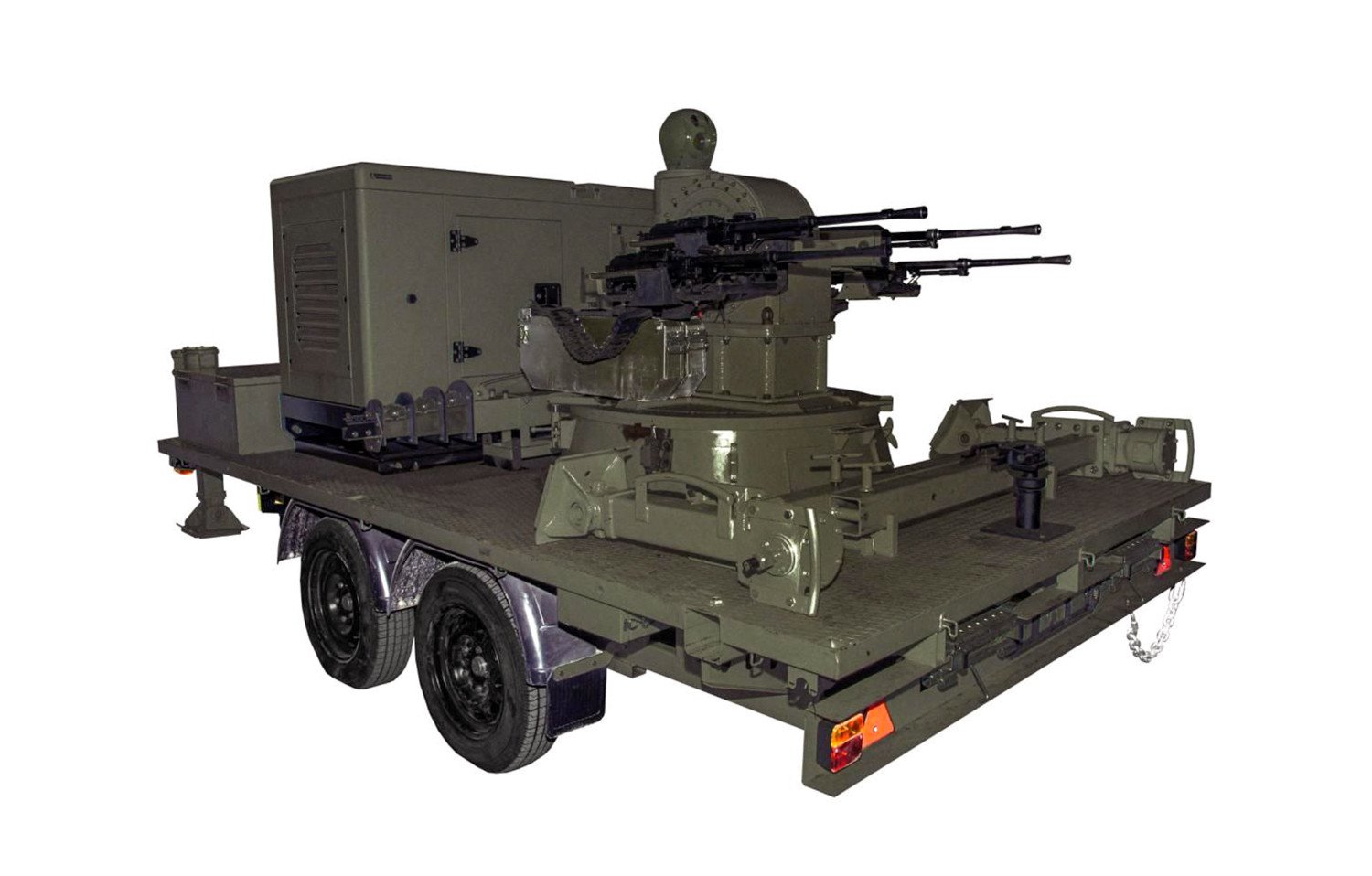
Russia has put new Zubr air defense systems into service, designed to counter drones and protect critical infrastructure.
The delivery of the first systems was announced by the state-owned corporation Rostec on January 28.
We bring you stories from the ground. Your support keeps our team in the field.
According to the company, the High-Precision Systems holding has for the first time supplied the latest Zubr systems to Russia’s Defense Ministry.
Rostec said the systems are equipped with integrated radar stations capable of detecting both large and small airborne targets. The Zubr airspace monitoring and control complex is intended to protect the near zone of critical infrastructure and can detect aerial threats, including small drones and loitering munitions, around the clock.
“The Zubr system was developed by specialists at our High-Precision Systems holding. It independently detects a drone and automatically tracks it. The operator only needs to make a decision and give the command to engage,” said Bekhan Ozdoev, industrial director of Rostec’s weapons cluster and a member of the bureau of the Russian Union of Machine Builders.
“During testing, the complex demonstrated high effectiveness against small-sized and high-speed targets.”
According to Rostec, the Zubr system consists of four modules, a command post, and its own radar station. The delivered systems have already begun duty rotations to provide protection for infrastructure facilities.
Although Russia presents its air defense network as one of the most effective in the world, its performance in combat has repeatedly fallen short. Ukraine’s Security Service of Ukraine said its Alpha Unit alone destroyed Russian air defense systems worth about $4 billion in 2025—an extraordinary figure for a single special unit rather than the entire Ukrainian Armed Forces.
-fe851b90d8a0ba797c376cd41cd6a9ac.png)
According to the Security Service, Ukrainian operators targeted air defense assets in temporarily occupied parts of Luhansk, Donetsk, Zaporizhzhia, and Kherson regions, as well as in Crimea and inside Russia itself. The strikes suggest that wherever Ukrainian long-range drones can reach, Russia has struggled to mount an effective air defense.
This pattern is not limited to Ukraine. A similar gap between Russia’s claims and real-world performance has been visible elsewhere, including in Venezuela.
Over the years, Venezuela became heavily reliant on Russian military equipment and support. It acquired a broad range of arms, with air defense systems playing a central role in protecting the regime. Yet even with this arsenal in place, Venezuelan forces proved unable to prevent a rapid operation that resulted in Nicolás Maduro being taken into custody. Air defense systems were reportedly not fully integrated into radar networks, while some components remained in storage rather than deployed.
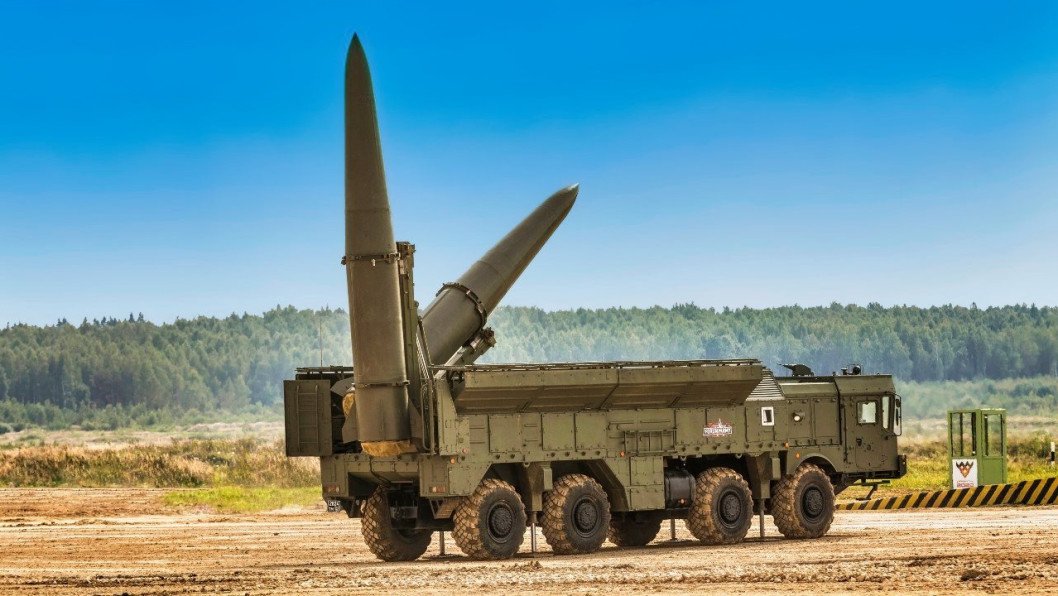
Years of corruption, poor logistics, and international sanctions further eroded the readiness of Venezuela’s air defenses. The systems themselves were only as effective as the maintenance, training, and technical support behind them—and those elements steadily deteriorated. Russia, for its part, failed to provide sustained technical backing and did not prioritize its South American ally, leaving critical systems undermaintained and poorly coordinated.
Earlier, it was reported that Russia ordered a batch of 100 guided 122mm artillery rounds under the previously undisclosed designation KV122.
The munitions are being produced by the Tula-based Instrument Design Bureau. The records indicate that each shell costs about 5.71 million rubles, or roughly $71,000 at current exchange rates.
Discuss this article:

-c439b7bd9030ecf9d5a4287dc361ba31.jpg "Photo of Katherina Popilnichenko")