- Category
- Latest news
Why Challenger 3’s First Crewed Live-Fire Matters for Britain’s Armored Future
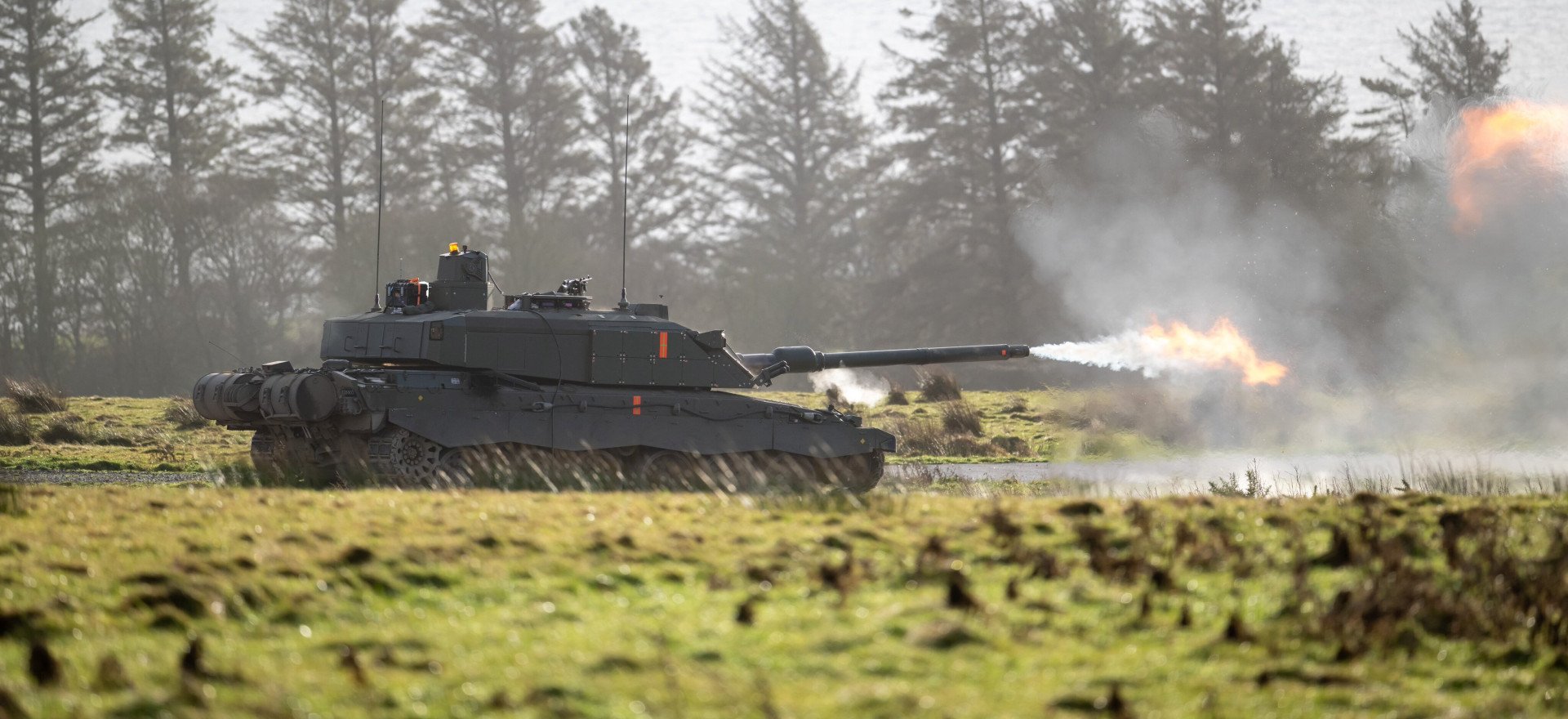
Britain’s next-generation main battle tank has crossed a decisive line between concept and combat reality, as the Challenger 3 completed its first crewed live-fire trials, validating its new gun, digital fire-control system, and upgraded turret ahead of entry into frontline service.
 Prefer U24 Media on Google
- Authors


The British Army’s Challenger 3 main battle tank has completed a major milestone after successfully conducting its first crewed live-fire trials, marking a key step toward operational service, according to Army Recognition on January 21.
We bring you stories from the ground. Your support keeps our team in the field.
The tests are part of a broader assurance campaign aimed at validating the tank’s new combat systems before it enters frontline use.
Engineers initially carried out live firing with the vehicle operated remotely, allowing them to assess the performance of the turret, gun, and fire-control system without placing personnel at risk.
Challenger 3 completed test firings this week 🔥
— Ministry of Defence 🇬🇧 (@DefenceHQ) April 27, 2024
👇👇👇https://t.co/RNcUbQfOln pic.twitter.com/tgUnHDqzPd
Only after those safety and performance benchmarks were met did the program move on to live firing with a full crew inside the turret.
During the trials, crews fired both kinetic energy anti-tank rounds and programmable multi-purpose ammunition, confirming the integration between the Rheinmetall 120 mm L55A1 smoothbore cannon, its ammunition suite, and the tank’s digital fire-control architecture.
Program officials say the results pave the way for additional crewed firing events and reliability growth testing later this year.
Latest shots of the Challenger 3 from testing at the ATDU in Bovington.
— Junsupreme (@RyszardJonski) October 7, 2025
Compared to previous photos from this summer, some changes can be seen in the front of the hull and the rear of the turret side.
Screenshots from: https://t.co/kGHcEG4mqZ pic.twitter.com/fjsGHTn3rd
Why Challenger 3 marks a break from the Challenger 2 era
Challenger 3 is intended to become the backbone of Britain’s heavy armor force and a central element of its armored modernization effort.
The upgrade pairs a deeply redesigned turret and modern electronic systems with the existing Challenger hull, delivering a substantial leap in firepower, protection, and digital connectivity compared with Challenger 2.
A major change is the adoption of the NATO-standard 120 mm smoothbore gun, replacing the unique rifled weapon used by Challenger 2. This shift allows the British Army to use the latest high-performance ammunition shared across allied fleets, improving interoperability and simplifying logistics.
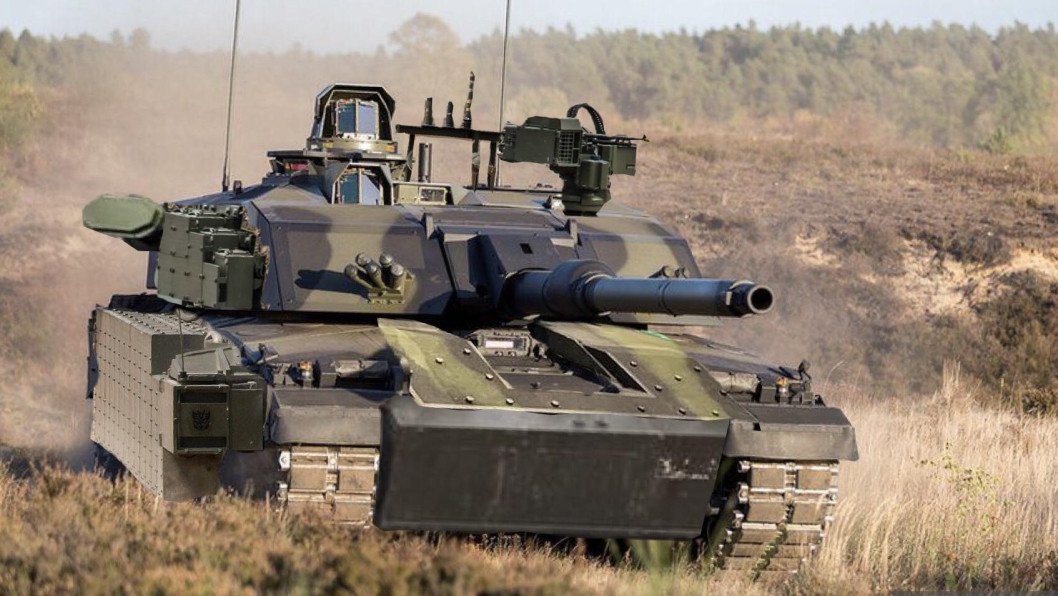
Combined with new sensors and a digital combat system, Challenger 3 is designed to engage targets at longer ranges and operate more effectively in complex, high-intensity environments.
The transition from Challenger 2 to Challenger 3 reflects lessons learned from decades of service. While Challenger 2 proved durable and lethal in past operations, it was built around an analogue architecture that struggled to keep pace with modern threats.
NATO-standard firepower and a new ammunition ecosystem
Challenger 3’s programmable ammunition, networked systems, and faster sensor-to-shooter cycle are intended to give crews greater flexibility and improved situational awareness on today’s battlefield.
From a survivability standpoint, the new turret architecture and modular protection packages are designed to counter advanced anti-tank weapons, with compatibility for active protection systems.
Together with improved crew interfaces and hunter-killer targeting capabilities, these upgrades aim to significantly shorten engagement timelines and improve coordination with other armored and combined-arms units.
An $1 billion program with strategic industrial weight
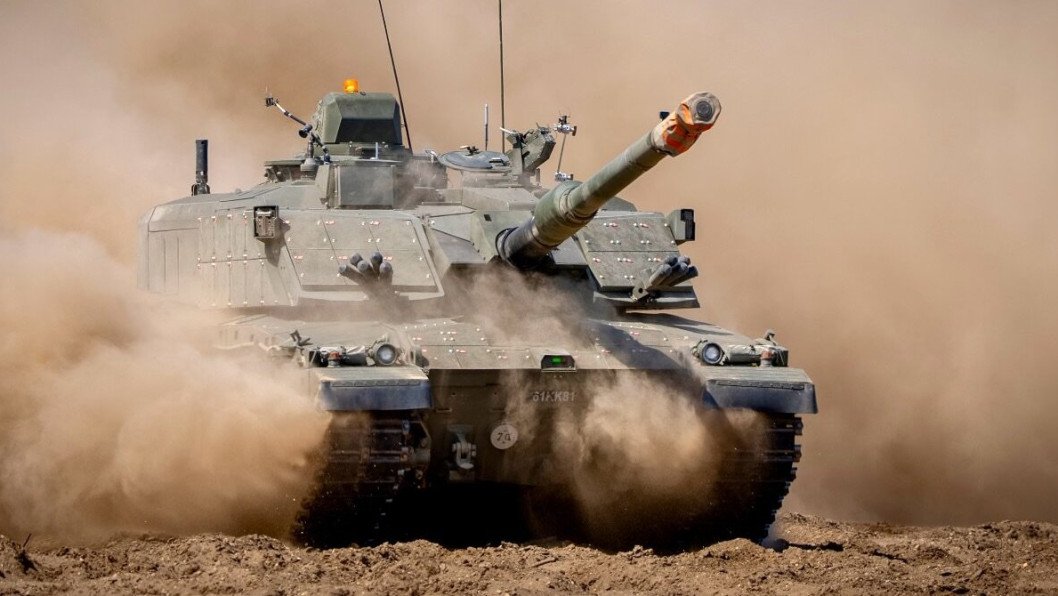
The successful crewed firing also signals progress on a strategically important industrial program. Challenger 3 is being produced by Rheinmetall BAE Systems Land (RBSL) under a contract worth more than £800 million ($1,07 billion) to upgrade 148 tanks.
Manufacturing at RBSL’s Telford facility is supported by significant investment and sustains hundreds of skilled jobs across the UK, drawing on a supply chain that includes dozens of British small and medium-sized firms.
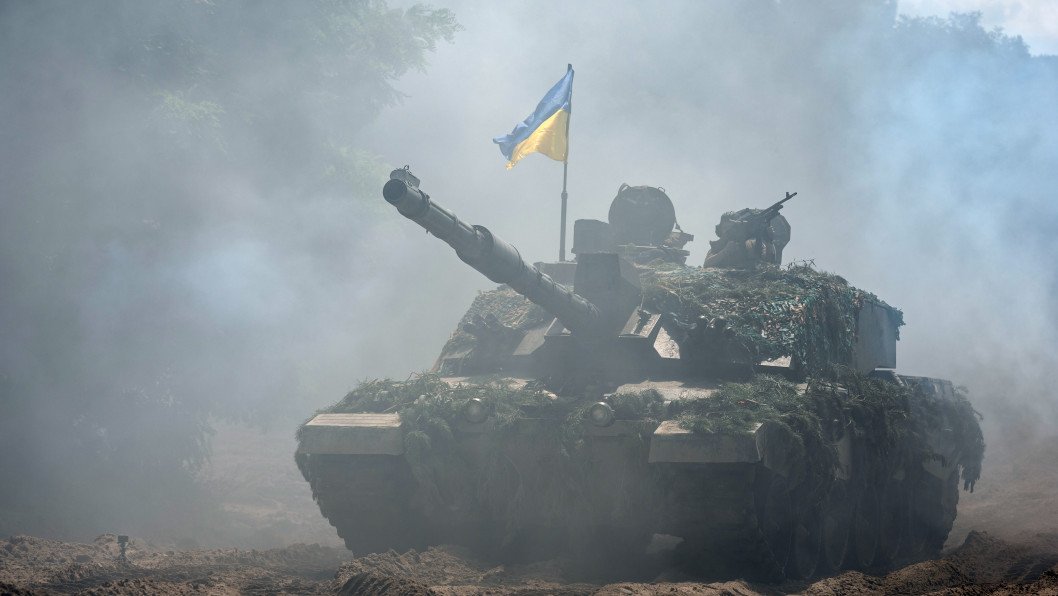
By moving from remote testing to live firing with crews aboard, Challenger 3 has crossed a critical threshold in its development.
While further testing lies ahead before full operational capability is declared, the trials underscore the UK’s intent to retain a modern, credible heavy armor force—one aligned with NATO standards and shaped by the renewed reality of high-intensity land warfare in Europe.
Earlier, the head of the British Army outlined an ambitious overhaul of the United Kingdom’s ground forces aimed at ensuring readiness for a potential high-intensity conflict by 2027.
Discuss this article:


-c439b7bd9030ecf9d5a4287dc361ba31.jpg "Photo of Katherina Popilnichenko")