- Category
- Latest news
Winter Is No Longer Russia’s Ally on the Battlefield Near Pokrovsk
 Prefer U24 Media on Google
- Authors




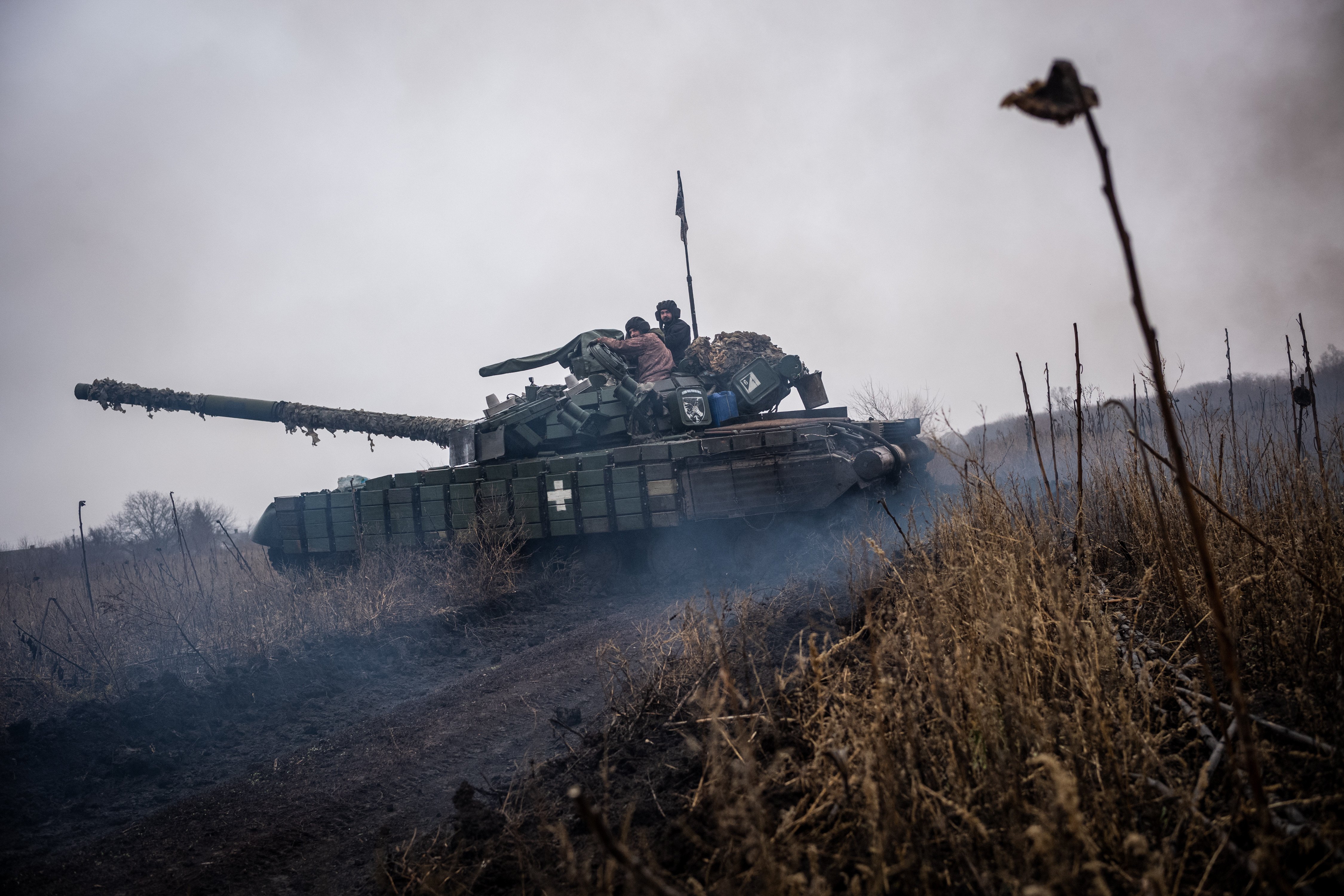
Ukrainian forces from the 7th Army Corps continue to hold defensive positions in the Pokrovsk–Myrnohrad area, retaining control of the northern sectors of both cities, according to Volodymyr Polevyi, head of strategic communications for the corps on January 23.
Polevyi said operational data and intelligence assessments indicate that Russian offensive capability in the sector is beginning to degrade. He pointed to a combination of harsh weather and systemic neglect of troop welfare as key factors.
We bring you stories from the ground. Your support keeps our team in the field.
The report challenges the long-standing myth of “General Winter ” as a decisive ally of Russia—invoked historically in wars against Napoleon and Nazi Germany.
In the current war, Ukrainian officers say, the cold is disproportionately harming attacking Russian units rather than the defending side.
According to the assessment, the decisive variable is not temperature itself but preparation and logistics. Ukrainian forces operate from long-established defensive positions equipped with shelters, heating, and stored supplies. Stable supply routes and available reserves help minimize non-combat losses.
Official Pokrovsk Defense video report, January 23
— 7th Rapid Response Corps of AAF (@7corpsDSHV) January 23, 2026
Colonel Volodymyr Polevyi. 7 AAF Corps Head of Startcom.
The forces of the 7th Corps continue defensive operations in the Pokrovsk–Myrnohrad area. Ukrainian units retain control over the northern sectors of both cities.… pic.twitter.com/jkJKjob9Zp
By contrast, Russian assault units advancing on foot often rely solely on what individual soldiers can carry—basic sleeping gear, limited fuel, and minimal rations. Without vehicles, winterized equipment, or the ability to dig into frozen ground or light fires, these units face severe exposure.
Ukrainian officials say Russian troops are frequently pushed into open terrain without adequate winter clothing and with little expectation of sustained support. The result has been a rise in hypothermia and frostbite cases that quickly translate into non-combat casualties.
In the Pokrovsk sector specifically, Russian forces have reportedly relied on small infantry groups attacking without armored or mechanized backing. Ukrainian units, operating from prepared positions, have repelled repeated assaults while maintaining control of key terrain.
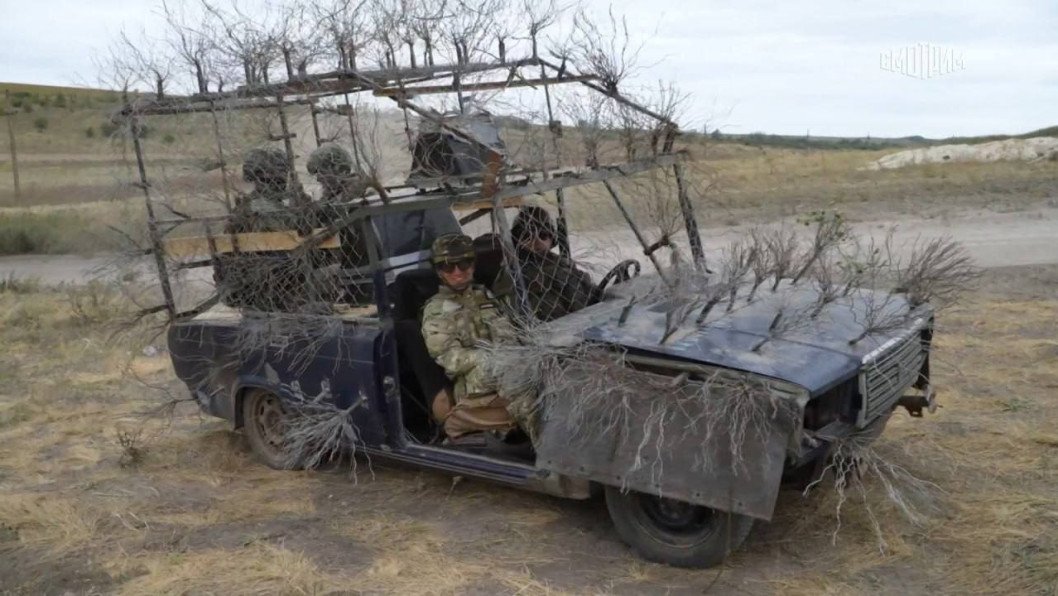
Under these conditions, Ukrainian commanders say, winter weather has become an advantage for defenders rather than attackers.
With established positions and functioning logistics, Ukrainian forces are able to withstand the cold while Russian units—exposed, under-equipped, and attacking across open ground—pay an increasing price.
Polevyi concluded that in the battle around Pokrovsk, the cold is now working against the offensive, accelerating the erosion of Russian combat effectiveness.
Earlier, reports emerged that Russian officers deployed on the Pokrovsk axis were increasingly attempting to leave frontline positions, submitting formal requests for reassignment to rear-area posts or quieter sectors.
Discuss this article:

-c439b7bd9030ecf9d5a4287dc361ba31.jpg "Photo of Katherina Popilnichenko")