- Category
- Life in Ukraine
Fedorov Gives First Major Interview Since Ouster, Detailing the Reasons Behind His Removal
 Prefer U24 Media on Google
- Authors

-c439b7bd9030ecf9d5a4287dc361ba31.jpg "Photo of Katherina Popilnichenko")
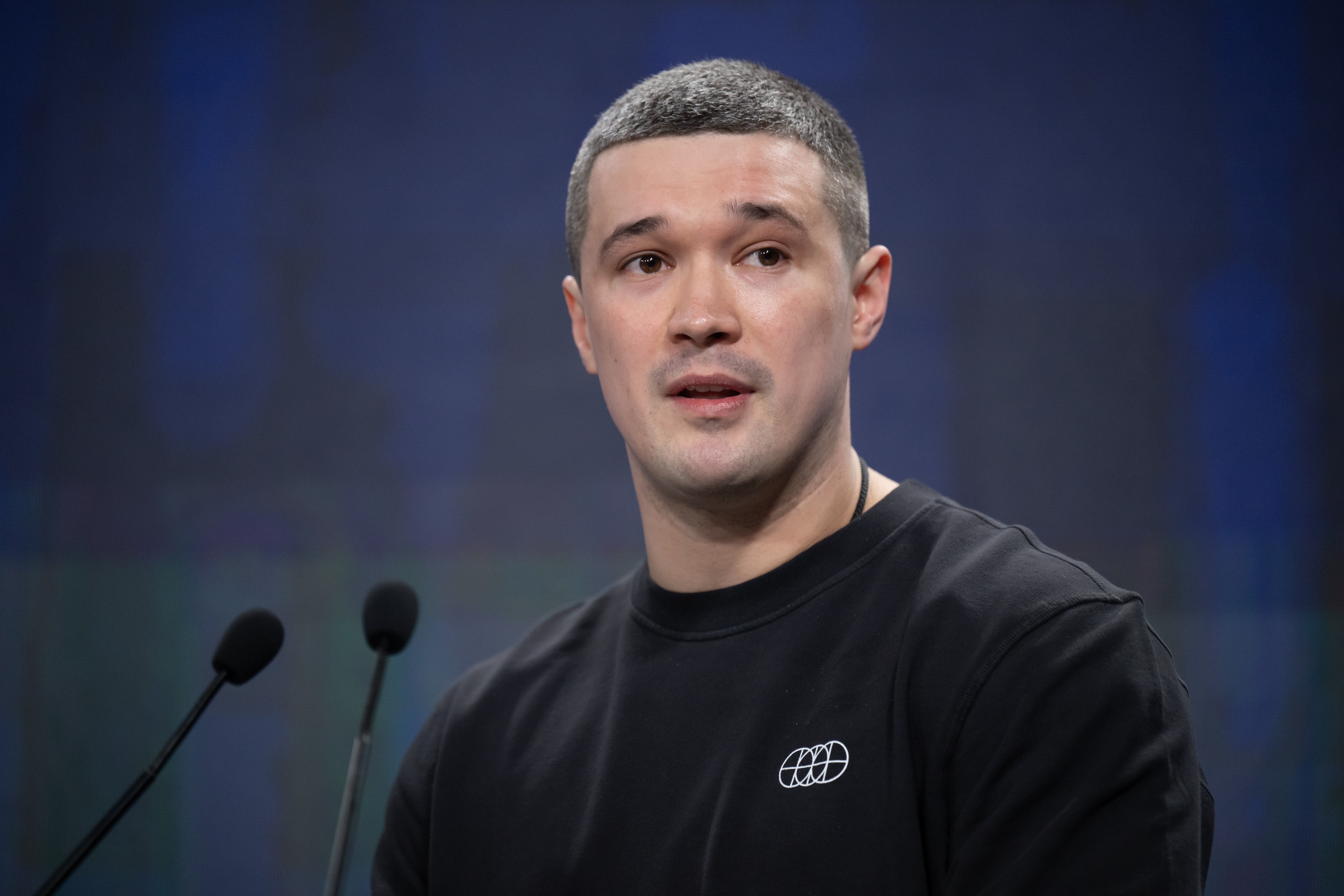
Former Defense Minister Mykhailo Fedorov says resistance to his procurement reforms—not personal disagreements—was the main factor behind his removal from office.
Speaking in his first major interview since leaving office to Ukrainska Pravda journalists Sevgil Musaieva and Mykhailo Tkach on July 28, Fedorov stated that external pressure began mounting around early April. It was fueled by dissatisfaction over changes to government bidding processes.
We bring you stories from the ground. Your support keeps our team in the field.
"First of all, there were statements that there was a certain disagreement, but in principle I think that the reasons generally lie elsewhere," Fedorov said.
He noted that resistance escalated when his team began overhauling Defense Ministry management, changing personnel hiring approaches, and restructuring defense procurement and tenders to eliminate human influence. "And from what started happening in the public space—certain pressure, certain law enforcement agencies around our work—somewhere from the beginning of April it was clear that the degree was rising. And that this would end in something."
The former defense official stressed that the core issue involved defense procurement and weapon tenders, including drone and ammunition contracts. Restructuring these areas created widespread discontent among individuals who attempted to influence both the president and the broader media space.
"We do not know the final reason for the dismissal. I think that when 90% of people come to you and say: something is wrong there, there is some problem there, there is a personal interest there, then perhaps it is difficult under such pressure to perceive an objective picture of the world," Fedorov stated.
Addressing his relationship with the military leadership, Fedorov clarified that he had no personal dispute with Commander-in-Chief Oleksandr Syrskyi—who was subsequently replaced by Major General Mykhailo Drapatyi following the fallout—describing it instead as an ideological difference over vision and strategy.
While media reports previously indicated that their prolonged conflict was the primary catalyst for Fedorov's resignation, the former minister framed the split as a broader systemic issue.
"In fact, we didn't really have such a personal conflict with the commander-in-chief. It's more of a worldview conflict. We have a certain vision of the war that we came with. But this vision breaks down into certain reforms, projects, and operations that need to be implemented," he noted.
Fedorov explained that his team entered the ministry with a clear strategic approach: "When we entered the Ministry of Defense, we had a clear vision—to force Russia to peace through asymmetric actions, preserving human capital. And this vision was without ‘black swans ’, without partners who might help tomorrow. It was based on the fact that we must count on ourselves."
Regarding his current standing with Zelenskyy, Fedorov emphasized that dialogue remains active despite his departure. "We didn't have a final conversation with the president, we didn't quarrel, it wasn't a case of agreeing to stop communicating. From my perspective, communication is still ongoing, and we must come out of this situation so that Ukraine becomes stronger," he stated.
He also commented on the public reaction following his departure. Fedorov explained that he did not want to create theories about his dismissal or share private conversations held with the president. He noted that public discussions were missing the real roots of the issue, which stemmed directly from his team restructuring core processes inside the ministry.
Fedorov added that major Ukrainian Telegram channels were purchased to run targeted campaigns against him and his team, while law enforcement opened criminal cases against his associates. He concluded that this pressure built up every month, ultimately leading to a government reshuffle and his departure from office.
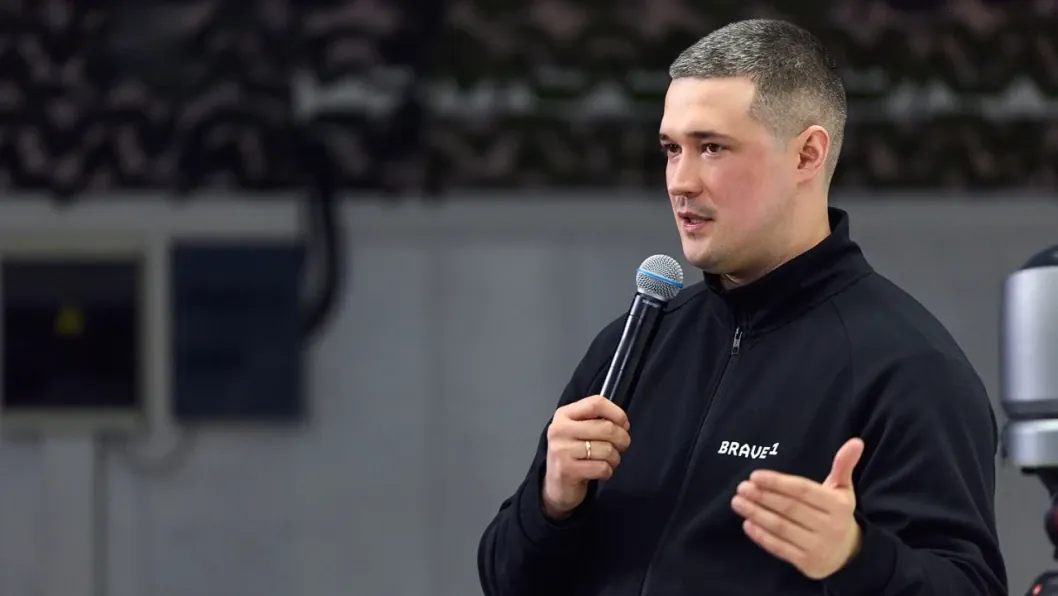
Commenting on the public response and demonstrations following his removal, Fedorov emphasized that the core focus remains on institutional reform.
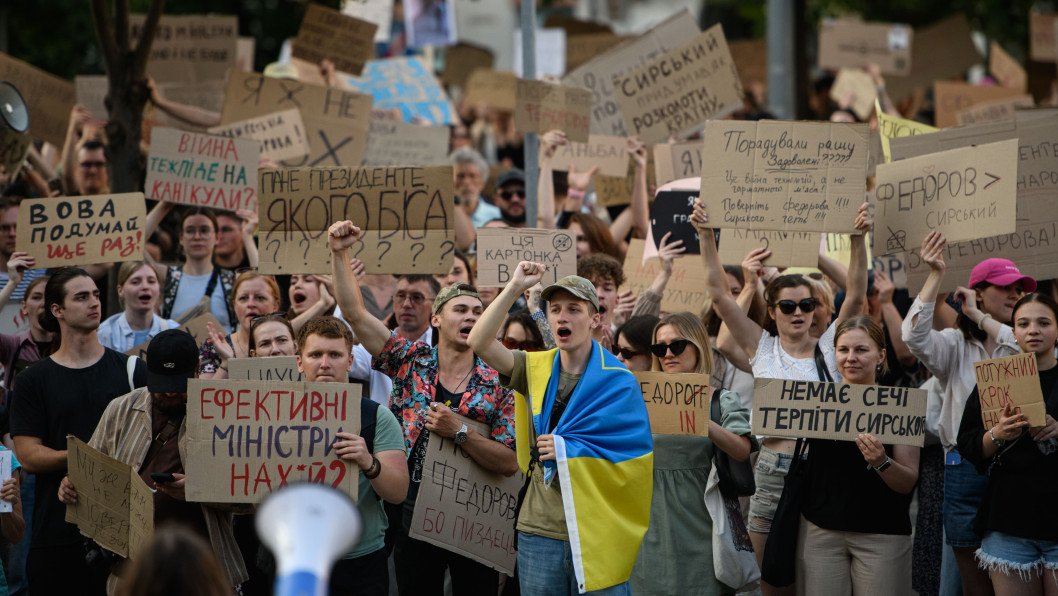
"The fact that my surname is heard at rallies it was completely unexpected. I didn't even think there would be protests. The question was not about Syrskyi, the question was about the system. We saw that Russia failed to take our democracy hostage," Fedorov said.
"I don't feel like a politician, I'm a manager who builds systems and sees the result. This is not about returning me to office, it is about what conclusions will be drawn so that there are no more such crises. What I can say for sure is that I will stay in Ukraine—meaning I will not go to work for any foreign nations. And I can say for certain that any of my future activities will be tied to executing this war plan," he added.
Massive demonstrations and "cardboard " rallies protesting the dismissal of Mykhailo Fedorov have been ongoing across Ukrainian cities for 16 consecutive days.
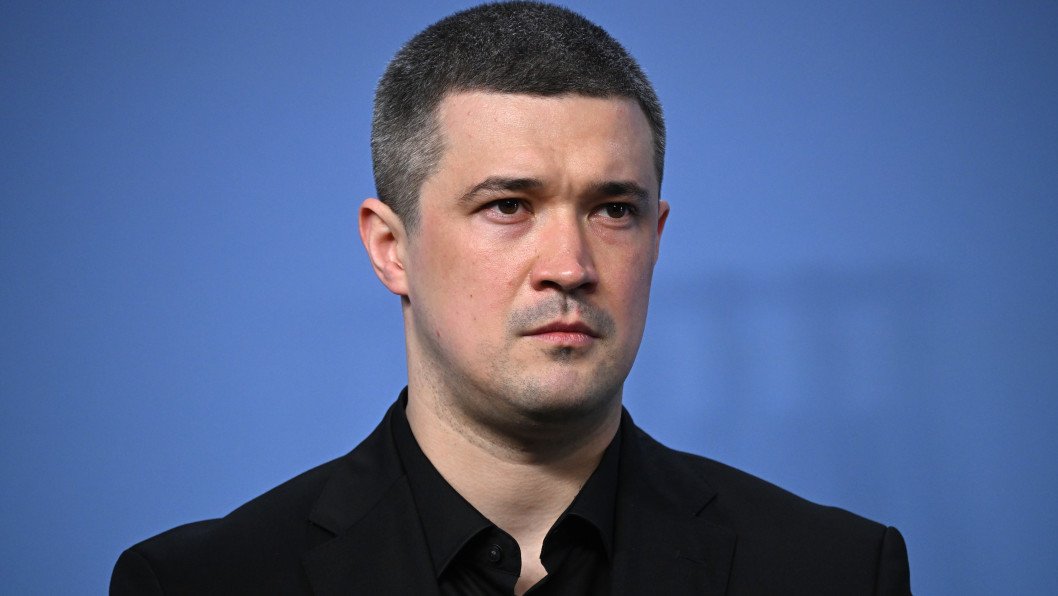
The protests came as Ukraine’s parliament prepared to vote on a new prime minister and cabinet following a government reshuffle announced by President Volodymyr Zelenskyy.
On July 15, it was announced that Fedorov would leave his post as defense minister, with Khmara appointed as acting defense minister in his place.
Reflecting on his service, Fedorov highlighted a series of key initiatives completed by his team during his time in office: successfully disconnecting Russia’s access to Starlink terminals, coordinating a “Logistics Lockdown” campaign against Russia, and launching procurement reforms.
Discuss this article:
-9a7b3a98ed5c506e0b77a6663f5727c5.png)

-111f0e5095e02c02446ffed57bfb0ab1.jpeg "Photo of Roman Kohanets")
-07c046f037cabcd54fb44b5253b3733d.jpg "“Bathing” (2021), an 80 × 60 cm artwork by Ukrainian artist Mariia Drozdova. (Source: Art From Ukraine/Instagram)")