- Category
- War in Ukraine
Ukraine Seeks More Funding to Overmatch Russia Before Six-Month Window Closes, Says Fedorov
 Prefer U24 Media on Google
- Authors


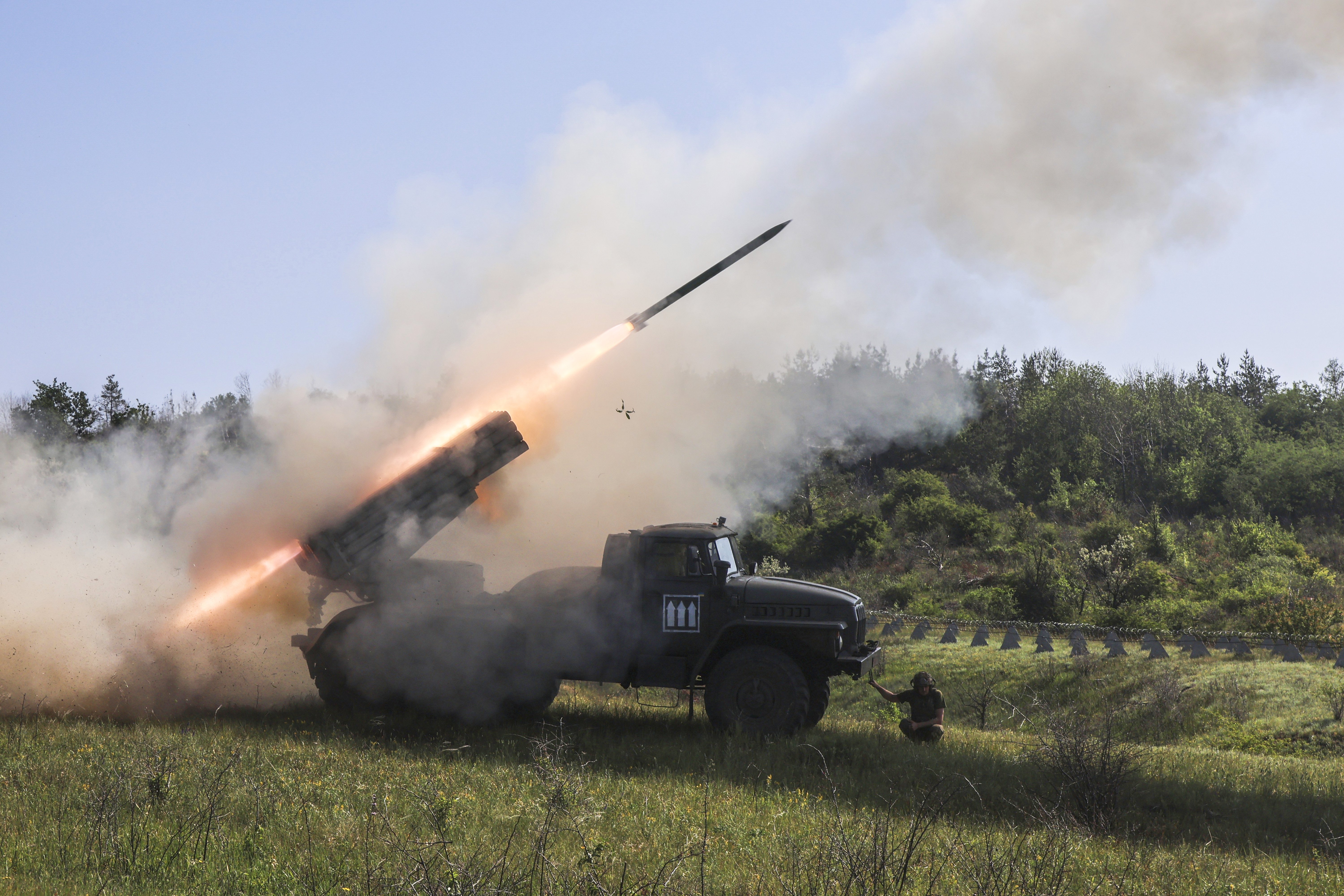
Ukraine is seeking additional military assistance from its international partners to accelerate military innovation, strengthen its defense capabilities, and maintain pressure on Russian forces.
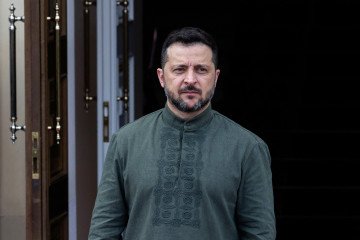
The statement was made by Ukrainian Defense Minister Mykhailo Fedorov during the interview with POLITICO on June 30.
We bring you stories from the ground. Your support keeps our team in the field.
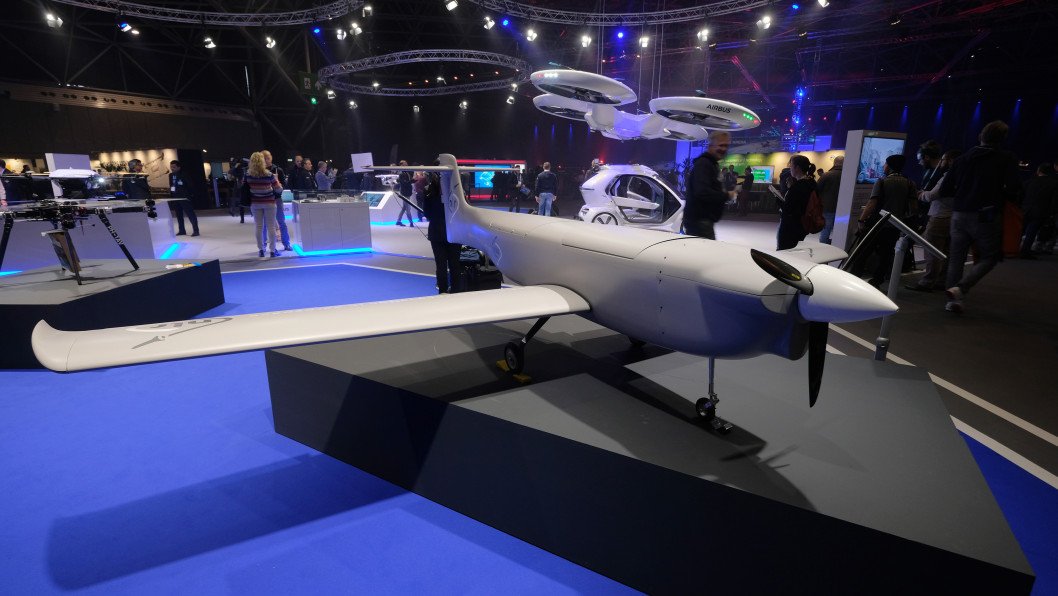
According to Fedorov, Kyiv is urging allies to seize what he described as a “fleeting opportunity” by financing a new generation of drones, missiles, and defense technologies capable of disrupting Russia's military operations and reinforcing Ukraine's recent battlefield gains.
“We need the next level of aid to be able to finish the job. If we have enough resources to launch a new cycle of war innovations before Russia adapts to the current one, we will get another six months,” Fedorov told POLITICO. “In a war of technology, you can see how quickly you can turn the tide. It all depends on the speed of financing and our actions. Ukraine is protecting the entirety of Europe from Russians.”
According to Politico, Ukraine estimates its defense expenditure for this year at €136 billion (around $155 billion), while domestic revenues are expected to finance only €53 billion (approximately $60 billion) of that amount.
To help bridge the gap, the European Union recently approved the Ukraine Support Loan, a two-year €90 billion (nearly 103 billion) financial package that includes roughly €28.3 billion (about $32 billion) in military assistance for this year. Ukraine is also expected to receive additional support through bilateral military aid from partner countries and NATO's Prioritised Ukraine Requirements List (PURL), under which allies procure US-made weapons for Kyiv.
However, Frdorov believes that it’s not enought, stressing that Ukraine requires billions more in targeted assistance, “and we need it tomorrow.”
He argued that donor countries should focus military assistance on Ukraine's most urgent operational needs rather than on equipment that is simply easier to provide.
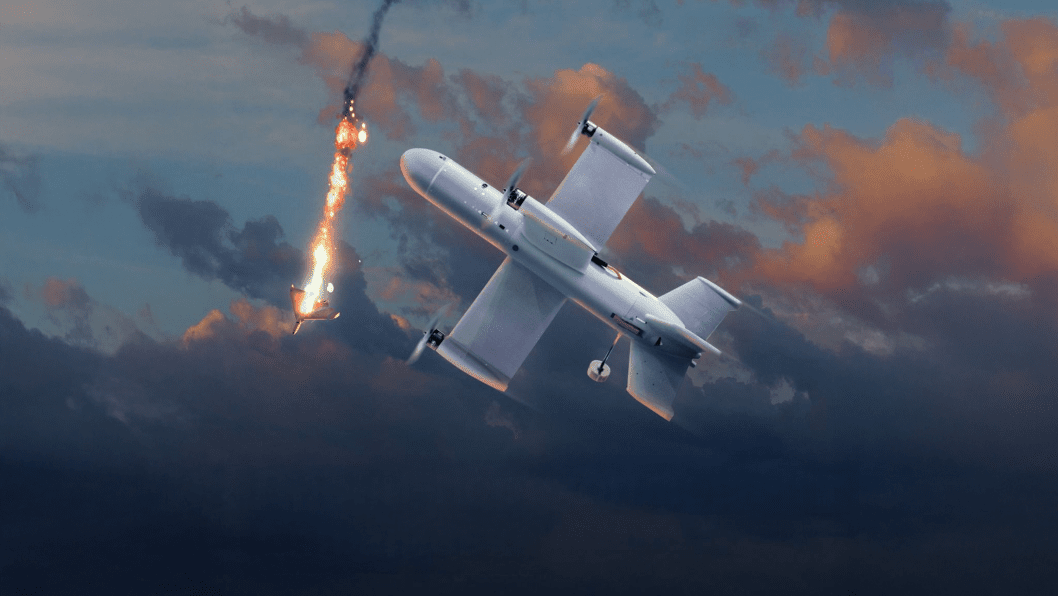
The minister also suggested reallocating €200 million (roughly $230 million) currently designated for tank repairs toward the production of medium-range strike drones capable of targeting Russian logistics and transport up to 100 kilometers behind the front line.
“Let's review the existing contracts, let's abandon the non-priority ones,” Fedorov said.
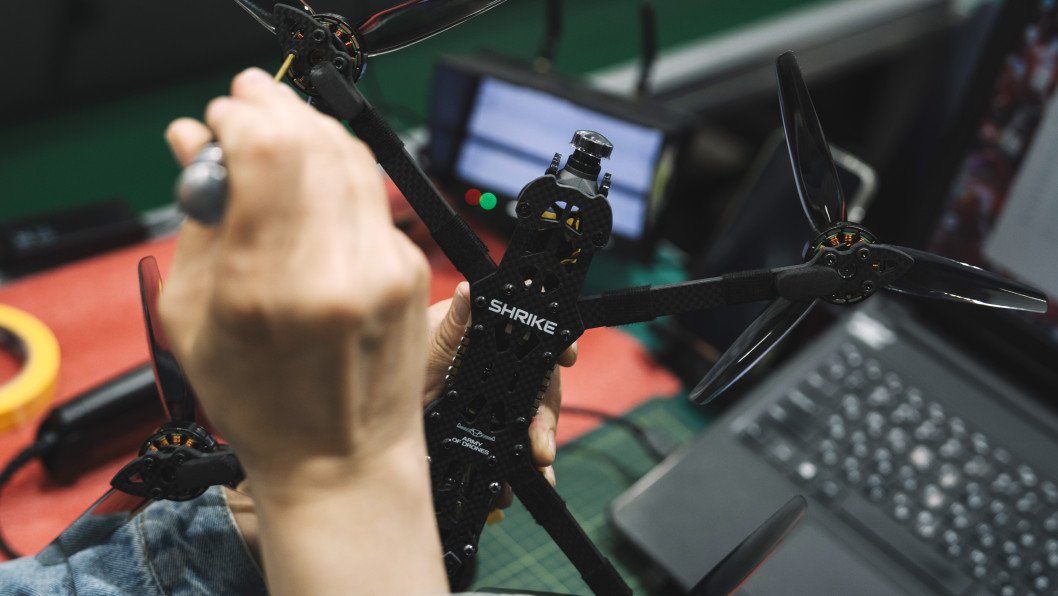
While awaiting approval of the EU loan package, Ukraine invested in fiber-optic drones, medium-range strike drones, and interceptor drones, Fedorov said.
“Together with our partners, we changed the quality of aid, and that means billions of dollars we started using for what we really need: increasing interceptor production, cheap missiles, cruise missiles and jet engine drones,” he said.
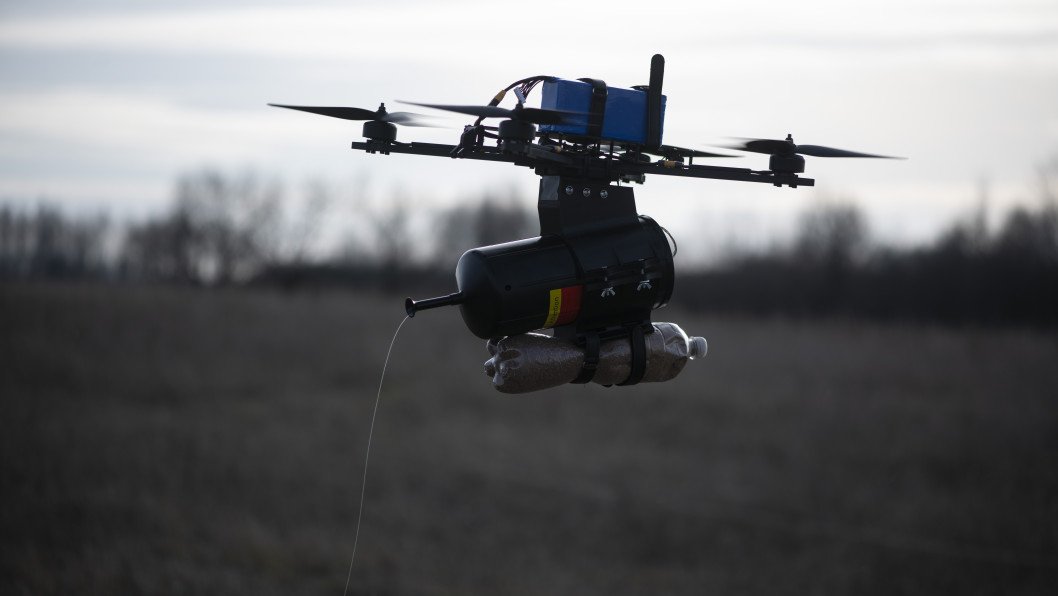
“Our middle-strike campaign is aimed at protecting our infantry, stopping Russian advancement, and disrupting their resupply. Russians already feel it. At some parts of the front, they slowed down.”
According to Ukraine’s Defense Minister, the broader objective of Ukraine's military modernization efforts is to convince Russian leader Vladimir Putin that victory in the war is unattainable.
“He has to feel the cost is too high to continue,” Fedorov said.
The appeal comes amid wider Ukrainian requests for emergency assistance. At the meeting of the Ukraine Defense Contact Group (UDCG) on June 18, Ukraine requested an additional $20 billion in emergency military support from its international partners.
The timing of the request was driven by a combination of operational urgency and tightening financial constraints. Ukrainian officials said the current battlefield situation created a limited “window of opportunity” in which additional resources could be converted into tangible gains before Russian forces adapted and regained the initiative.
At the same time, Ukraine continues to expand the reach and scale of its long- and mid-range strike capabilities, targeting key elements of Russia’s military and economic infrastructure, including refineries and logistics networks in both Russia and occupied Crimea.
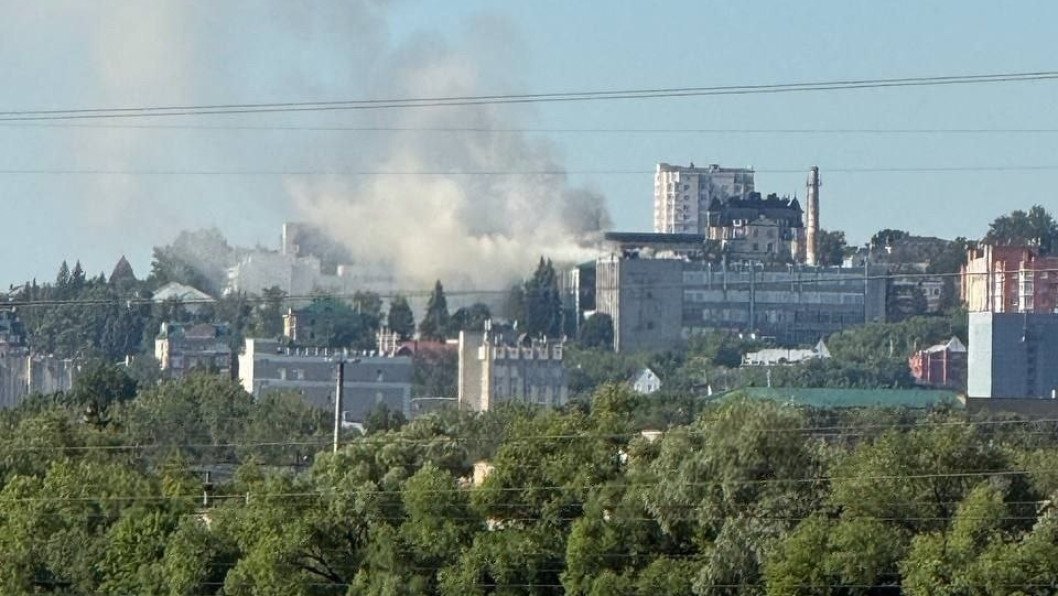
For instance, Ukrainian President Volodymyr Zelenskyy confirmed on July 1 that Ukrainian long-range strikes had once again hit an oil refinery in Ufa and a strategic defense industry facility in Russia’s Penza region.
He noted that the refinery, one of Russia’s largest producers of lubricants, was struck for a second time at a distance of more than 1,300 kilometers from the frontline, describing the attacks as part of Ukraine’s “sanctions” response to Russia’s continued war.
Additionally, Ukraine’s mid-range drone operations have increasingly focused on degrading Russian logistics chains supporting military activity in occupied territories. According to Ukrainian defense reporting, these systems are capable of striking supply routes, fuel convoys, rail infrastructure, and military facilities up to 300 kilometers behind the front line, creating sustained pressure on Russia’s operational capacity.
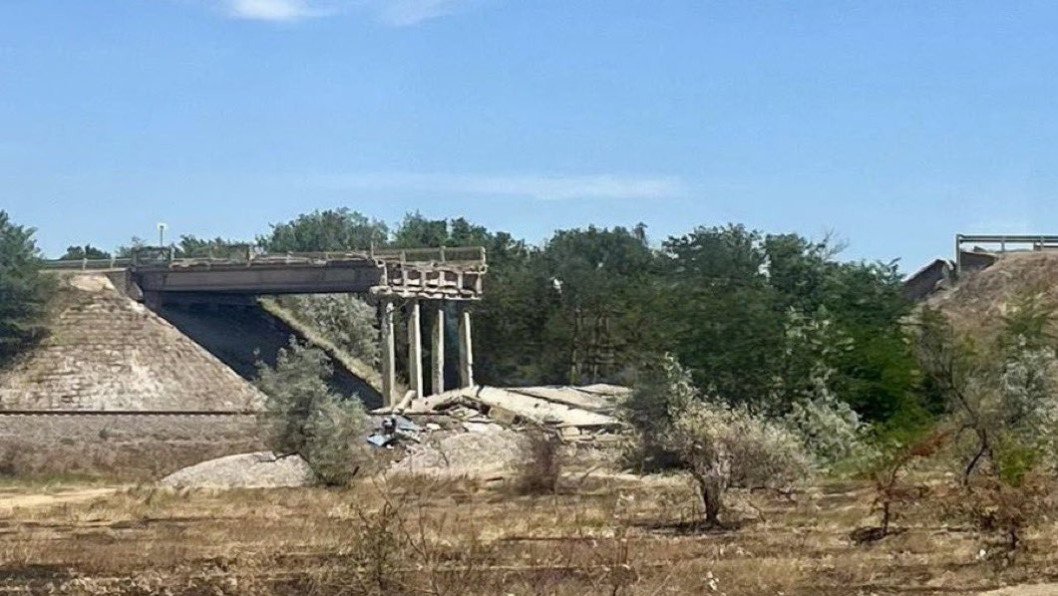
In temporarily occupied Crimea, recent strikes have also contributed to significant fuel disruptions, with civilian petrol sales restricted and supplies reportedly redirected primarily to emergency services and military use. Ukrainian operations have effectively constrained logistical access to the peninsula, leaving limited supply routes available.
These developments come amid what officials describe as a 40-day strategic operation approved by Volodymyr Zelenskyy and conducted by Ukraine’s Security Service, aimed at intensifying pressure on Russia through sustained strikes on military, industrial, energy, and logistics infrastructure supporting the war effort.
Discuss this article:
-9a7b3a98ed5c506e0b77a6663f5727c5.png)


-80134f2dc17b4a887d01513a1c7bc929.png "Illustration of Russian military infrastructure targeted by Ukrainian strikes in temporarily occupied eastern Ukraine. (Source: General Staff of the Armed Forces of Ukraine)")