- Category
- War in Ukraine
“We Want Russia to Burn”: Why is Ukraine Asking for $20 Billion From Its Partners

Ukraine is preparing to ask its international partners for an additional $20 billion in emergency military support, arguing that the coming months represent a narrow and potentially decisive window to consolidate what it describes as a temporary battlefield advantage over Russia.
 Prefer U24 Media on Google
- Authors


The request will be formally presented on June 18 at the next meeting of the Ukraine Defense Contact Group (UDCG), also known as the Ramstein Format, where allied states coordinate military and financial assistance for Kyiv, according to POLITICO, citing a senior Ukrainian defense official.
We bring you stories from the ground. Your support keeps our team in the field.
Everyone sees that Russia is burning, and we want it to burn even more, but we need financing to do it.
Senior Ukrainian defense official
At its core, the proposal reflects a central Ukrainian argument: that battlefield momentum currently favors Kyiv, but only for a limited period unless reinforced through immediate and large-scale funding.
What the $20 billion is for
The $20 billion request is explicitly tied to what Ukrainian officials describe as a narrowing battlefield window, in which accelerated funding is intended to translate directly into expanded military capability before current momentum fades.
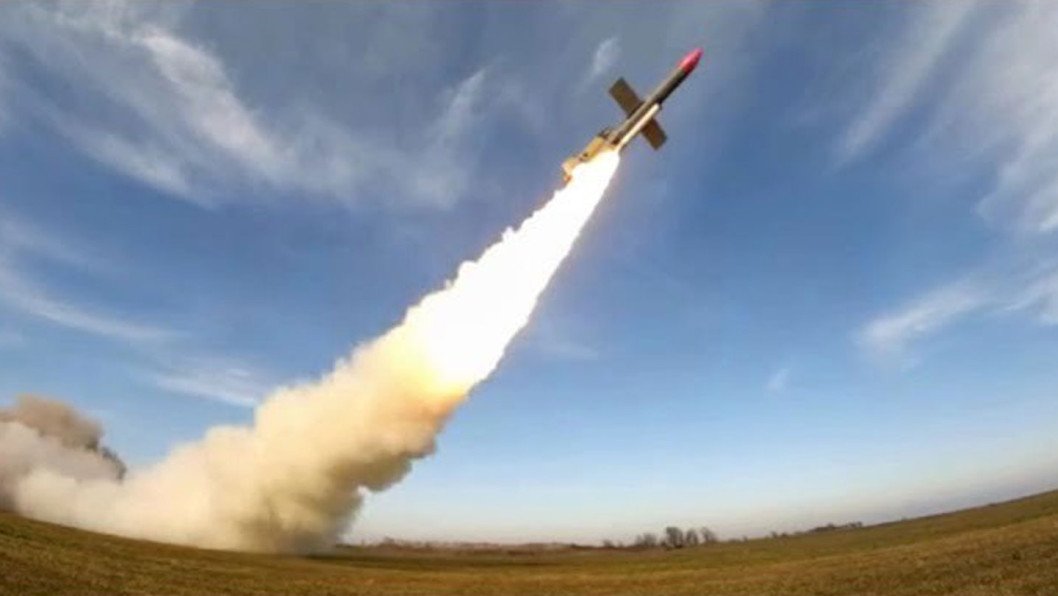
According to the official, the funds would be allocated across priority areas already presented to NATO ahead of the June 18 meeting, including:
air and anti-ballistic defense through PAC-3 interceptors delivered via the JUMPSTART mechanism;
increased contributions to the Prioritised Ukraine Requirements List (PURL);
expanded procurement of strike and interceptor drones, ammunition, electronic warfare systems, long-range strike capabilities, and equipment sourced both from Ukraine’s domestic defese industry and allied producers.
Beyond capability expansion, the scale of the request closely aligns with an independently identified structural shortfall in Ukraine’s medium-term defense financing.
A European Commission presentation in April estimated Ukraine’s 2026 defense gap at approximately €19.6 billion ($23.1 billion), even after accounting for more than $100 billion in already committed support and the EU’s €90 billion Ukraine Support Loan. In effect, the Ukrainian proposal seeks to front-load funding that would otherwise be distributed across 2026–2027, compressing it into the current operational cycle in order to close the gap immediately rather than incrementally.
Officials describe the goal as ensuring that Ukraine can maintain the intensity of its strikes on Russian forces while protecting critical infrastructure from sustained aerial attacks.
Financing structure
Ukrainian officials say allied contributions would be distributed across partners, with each country expected to provide between $2 billion and $6 billion to meet the $20 billion target. Contributions could take the form of either direct aid or loans.
The proposal has been discussed in recent meetings involving Ukraine’s Defense Minister Mykhailo Fedorov and officials from Norway, Sweden, Germany, and Canada, according to people familiar with the talks. Fedorov has also conducted bilateral consultations in recent months across several of these countries to align positions ahead of the Ramstein meeting.

Ukraine’s defense budget for this year stands at approximately €85 billion (Around $98 billion), with defense spending consuming around 40% of GDP—one of the highest ratios globally.
The $20 billion package would therefore sit above already-record domestic expenditures rather than replace them.
Why now
The timing of Ukraine’s $20 billion request is driven by a convergence of operational urgency and tightening financial constraints. Ukrainian officials argue that the current battlefield environment presents a limited “window of opportunity” in which additional resources could be translated into measurable gains before Russian forces adapt and regain initiative.
At the same time, this assessment is closely tied to a broader strategic calculation centered on timing. Ukrainian official describes Ukraine as holding a temporary advantage on the battlefield—one that is unlikely to last—making the coming months critical for sustaining momentum and exerting pressure on Russian forces.
This view is echoed beyond classified assessments. In a CBS News interview recorded on May 29, Ukrainian President Volodymyr Zelenskyy responded to Third Army Corps commander Brigadier General Andrii Biletskyi’s statement that Ukraine has six to nine months to seize the initiative from Russia and strengthen its position. Zelenskyy confirmed the assessment, saying: “Yes, it’s true.”
He also noted that Russia began losing the initiative on the battlefield in December 2025 and that he had informed US partners in January that a window had opened, as Moscow was suffering monthly personnel losses that outpaced its ability to replace them.
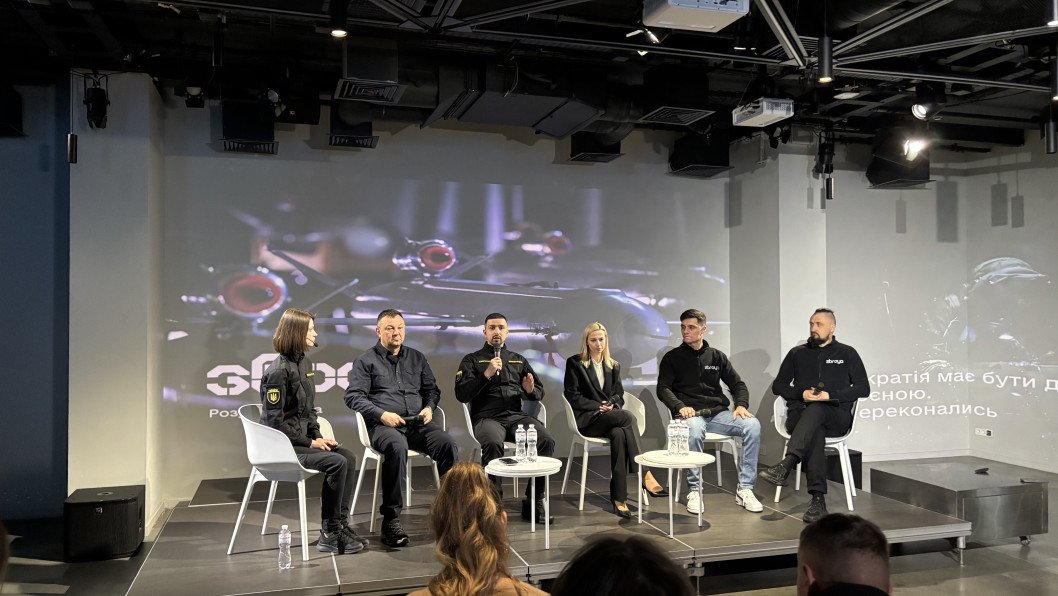
However, this window is colliding with a practical funding bottleneck: according to Ukraine’s Ministry of Defense, only around $4 billion in existing security assistance remains available for new procurement, with the rest already committed or tied to contracts. This severely restricts Kyiv’s short-term ability to scale production, replenish stockpiles, and sustain the tempo of operations.
As a result, the $20 billion request is framed as an immediate corrective measure intended to unlock stalled procurement capacity and ensure that previously pledged international support can be converted into usable military capability while the battlefield conditions remain favorable.
The funding request comes amid parallel discussions among NATO allies on expanding long-term military assistance frameworks for Ukraine. NATO member states are considering a proposal for a new €70 billion (around $81 billion) military aid package for Ukraine, which could be unveiled at the alliance’s summit in Ankara next month, according to four NATO diplomats cited by POLITICO.
The key is to have a firm commitment from Ankara to continue the crucial support to Ukraine on a sustainable and more equitable basis.
Senior NATO diplomat
The proposal, which was circulated by Germany last month, introduces a new mechanism designed to improve transparency in the allocation of funding for Ukraine, according to diplomats. The initiative comes against the backdrop of ongoing conversations about balancing the financial commitments involved in supporting Kyiv among member states.
Discuss this article:

-c439b7bd9030ecf9d5a4287dc361ba31.jpg "Photo of Katherina Popilnichenko")

-111f0e5095e02c02446ffed57bfb0ab1.jpeg "Photo of Roman Kohanets")