- Category
- Life in Ukraine
Saving Those Who Save Others: How Ukrainian Combat Medics Take Their Lives Back From the War Zone
“It’s all good and well when you get people out alive and bring them to safety,” says Ruslana, a Ukrainian combat medic. “But the hardest thing is when you lose someone in your hands.”
 Prefer U24 Media on Google
- Authors

-73e9c0fd8873a094288a7552f3ac2ab4.jpg "Photo of Olena Blizniakova")
Like thousands of other combat medics on Ukraine’s frontline, Ruslana’s daily work is to save lives while Russia tries to take them away. Under constant shelling, without perfectly sterile operating rooms, or large teams of specialists, combat medics often risk their own health to help the wounded.
Ruslana is a participant of the project run by Repower Charitable Foundation that helps frontline medics to rest, recover and find the strength to continue their work.
In the middle of nowhere
It took us a full day’s drive to reach this small village in the Carpathians, where the program is taking place. Though this marks the 17th Repower session, it’s the first ever run in Ukraine. All previous sessions were held in Sweden, Denmark and Spain.
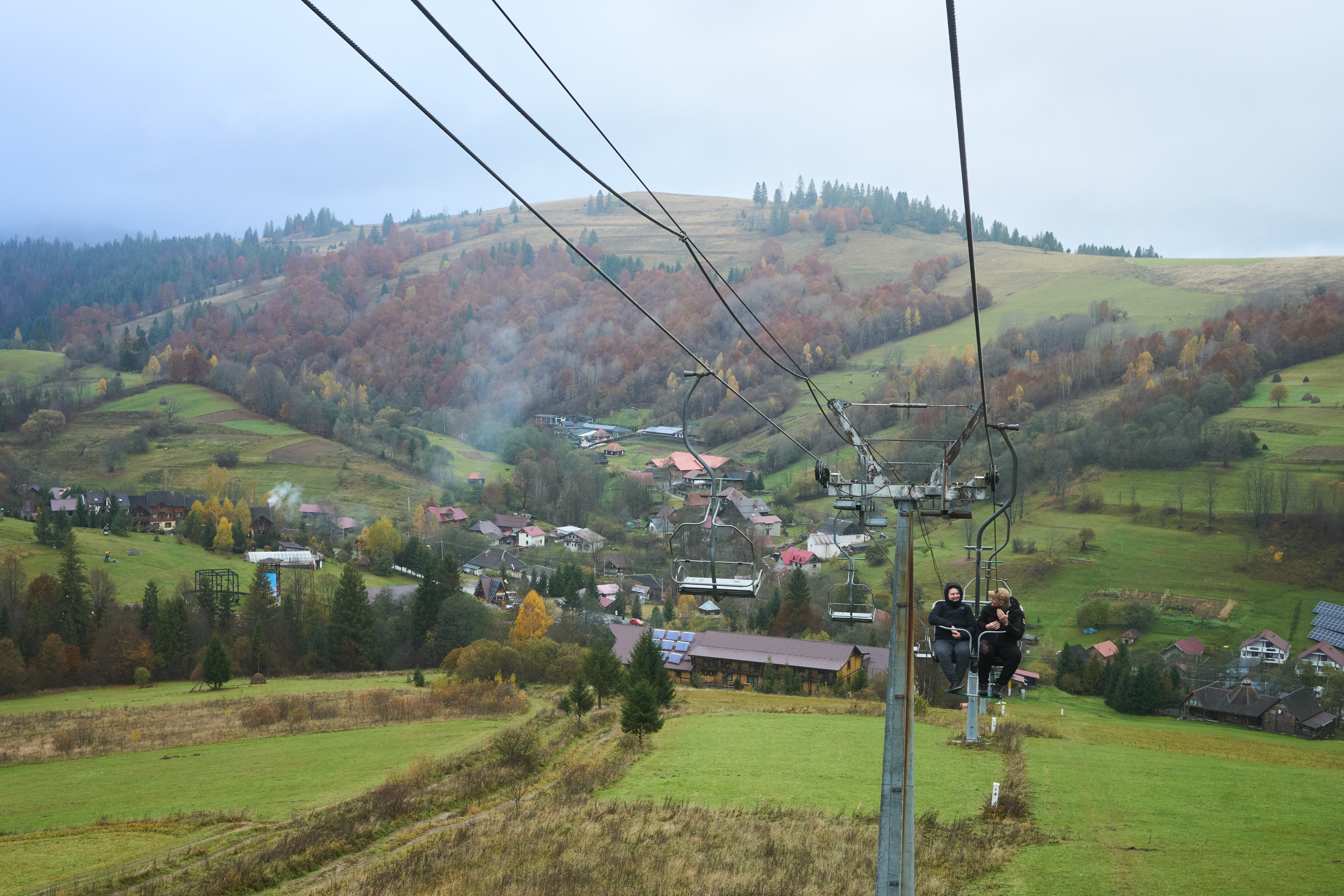
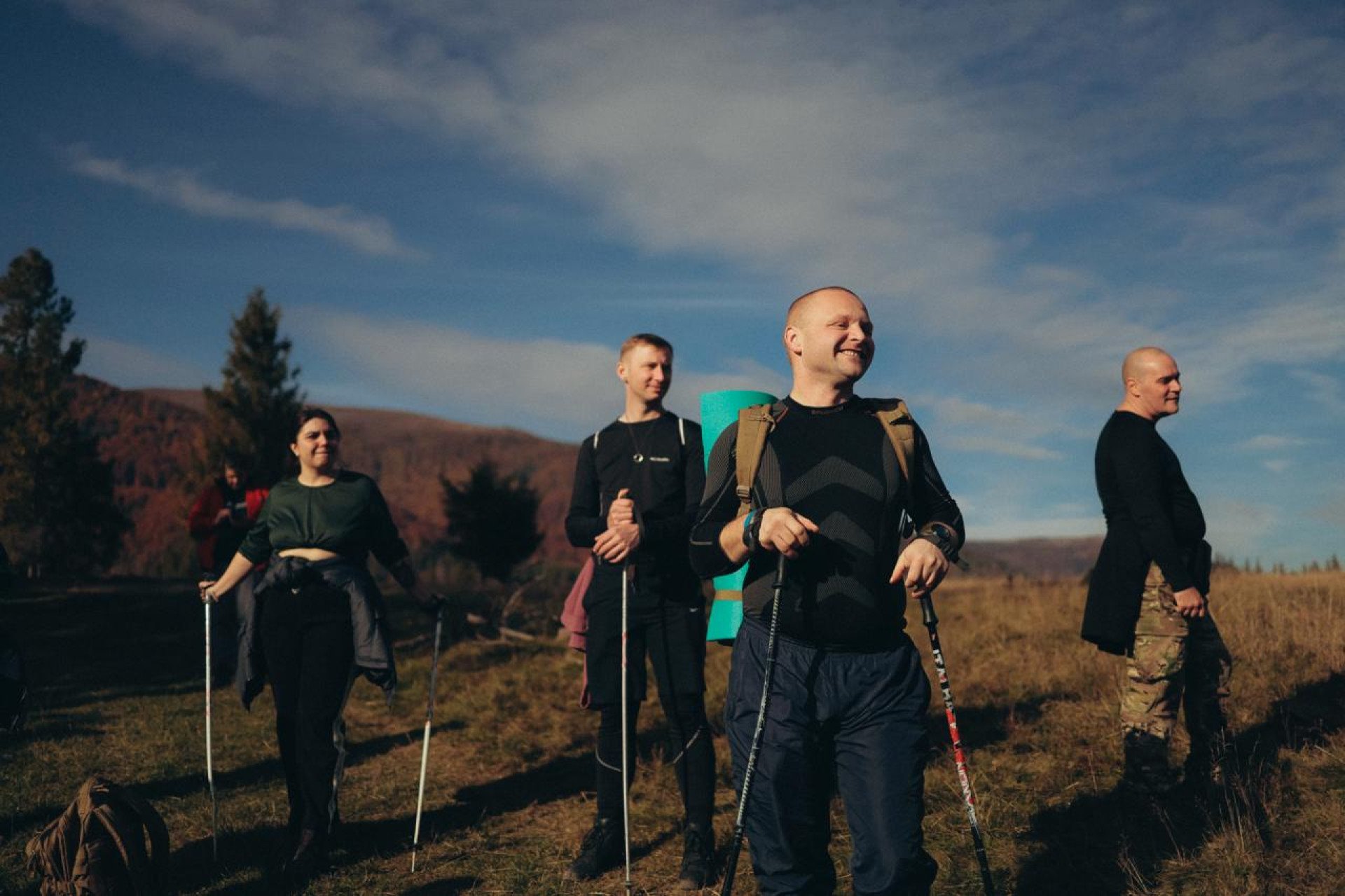
We are surrounded by tranquility and mountains, and with us are about 50 Ukrainian military medics. Just a few days ago, they were spread out across the entire front line, working in places dedicated to saving others—stabilization points, medevacs, and operating rooms. However, for the next 10 days, they will dedicate this time to themselves and their own health—primarily, their psychological well-being.
The first person we meet is Ruslana Maidaniuk. At 26, she serves as a medical operating nurse in the 82nd Separate Air Assault Brigade. Altogether, she has been in the military for nine years.
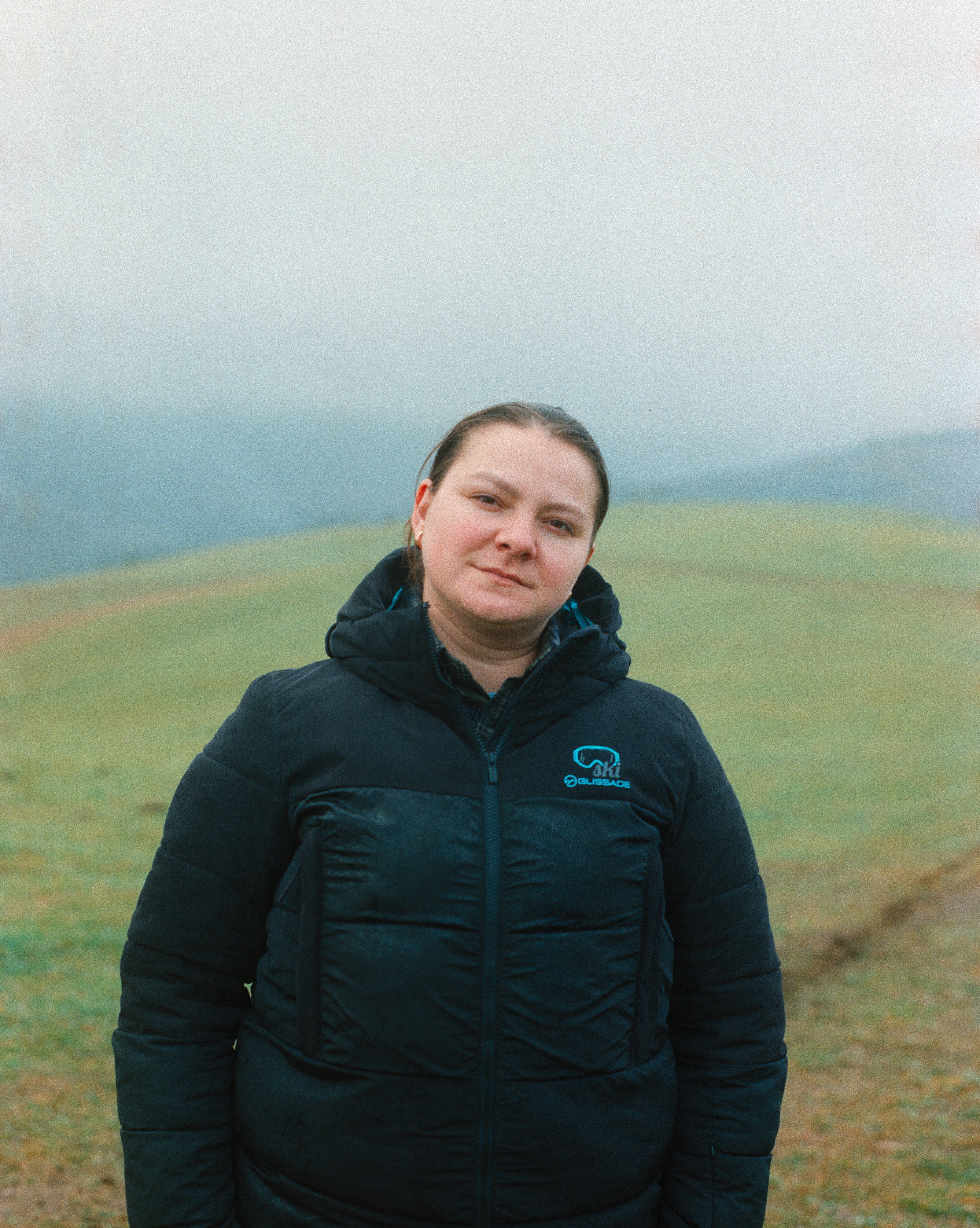
“For the first three years, I was a combat medic on deployments and a tactical medicine instructor,” said Maidaniuk. “Over the next five, I held various roles, including senior combat medic—mostly handling the evacuation of the wounded.” Ruslana primarily works in the Donetsk region, but she has also served in the Kharkiv and Zaporizhzhia directions and participated in the operation in the Kursk region.
You can do everything possible, and still a person may not survive. That’s what happened to me. But you go on living with it.
Ruslana Maidaniuk
Combat medic
“There was a civilian, over 50 years old,” she says. “We pulled him from the debris—his house had been hit. He was alive when we got him out, but in the car, his breathing stopped, his pulse disappeared. I performed CPR, but it didn’t work.” Recalling one of the latest cases that happened not long ago, Ruslana is certain—she was only five minutes too late.
“I cried, I felt angry. I wondered if I hadn’t done enough, or if I’d made a mistake. But the fact remains, and no one can deny it: some people survive, and some don’t, no matter what you do.”
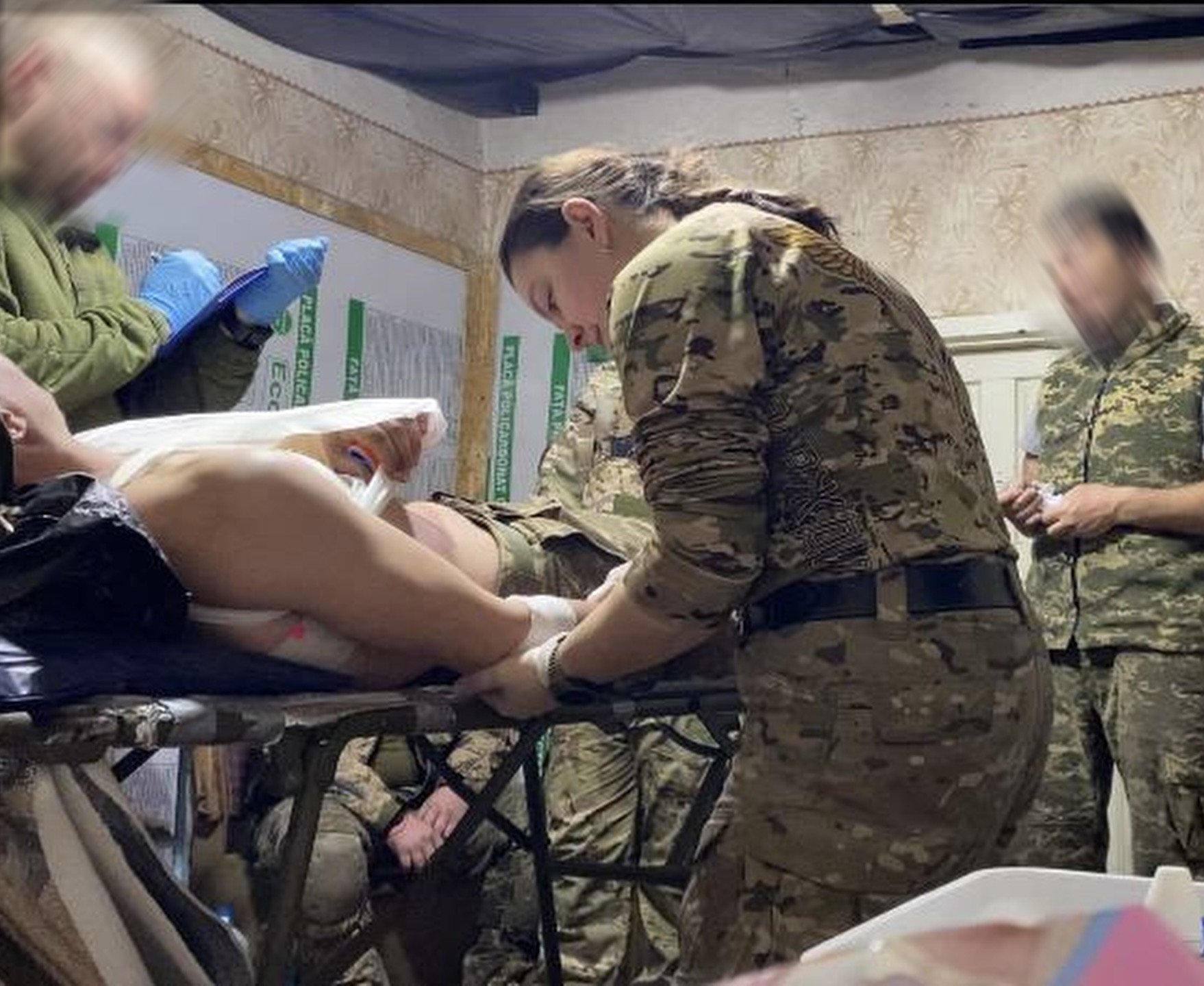
She believes that every medic carries a kind of personal cemetery within them. “Mine holds two souls I’ll remember for the rest of my life—they will always be with me.”
“There’s this constant irritation, apathy toward everything,” says Ruslana’s colleague, Viktor, talking about the psychological challenges he faces in his work. “You start ignoring your own safety—your mental state is so worn down that you stop paying attention to anything. There’s sleep deprivation. Then—weakness, loss of coordination, confidence, and focus. It’s the standard set of symptoms. Everyone goes through it.”
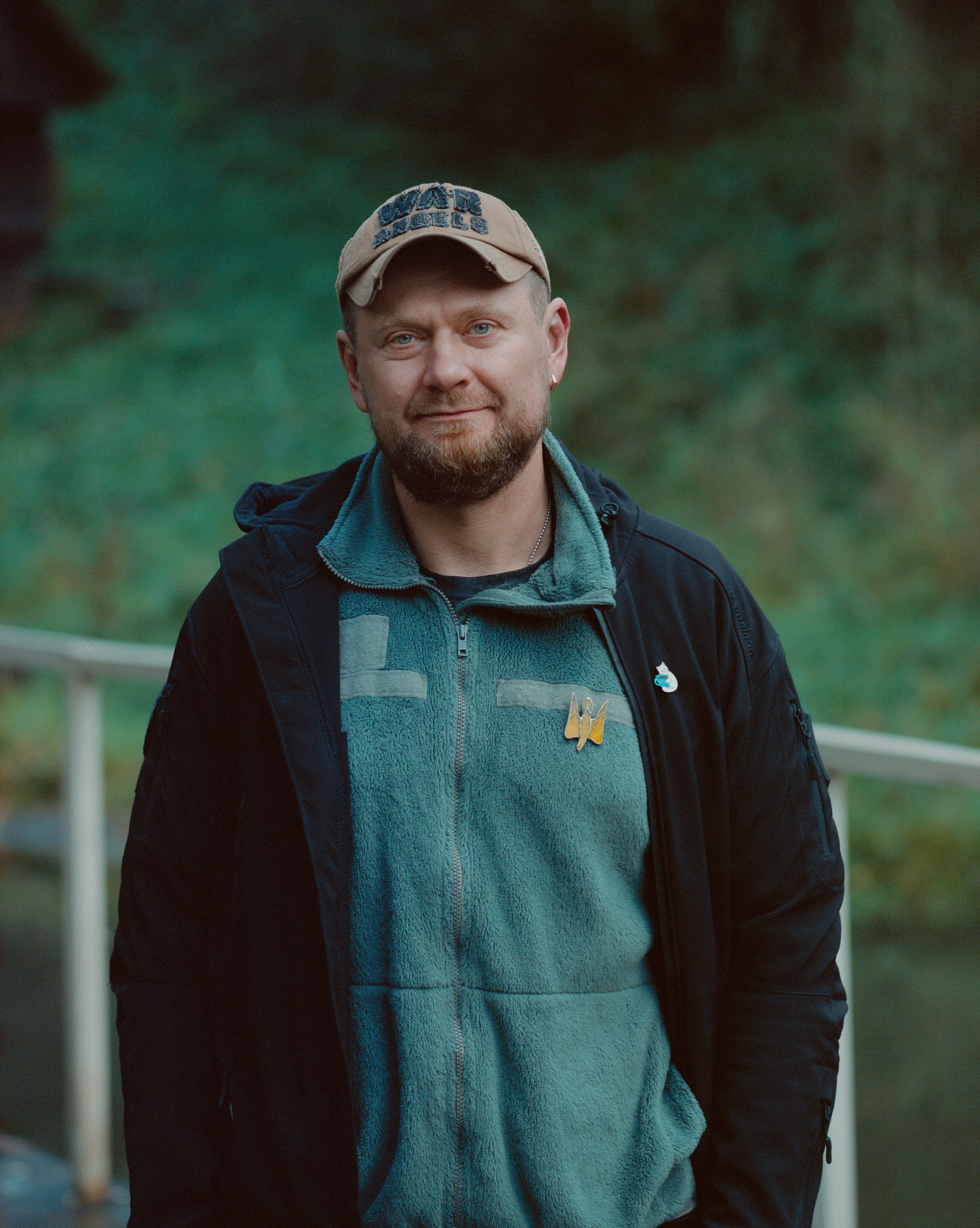
For Viktor, everything began when Russia started its full-scale invasion in February 2022. “I was serving as deputy director in the Legal Department at the Zaporizhzhia City Council. When the war broke out, I was determined not to leave the city. Since the military enlistment office was further away, I went to the Territorial Defense gathering point.” Having had no prior connection to the medical field, Viktor nevertheless went on to serve as a combat medic instructor in an evacuation unit of the 110th Territorial Defense Brigade.
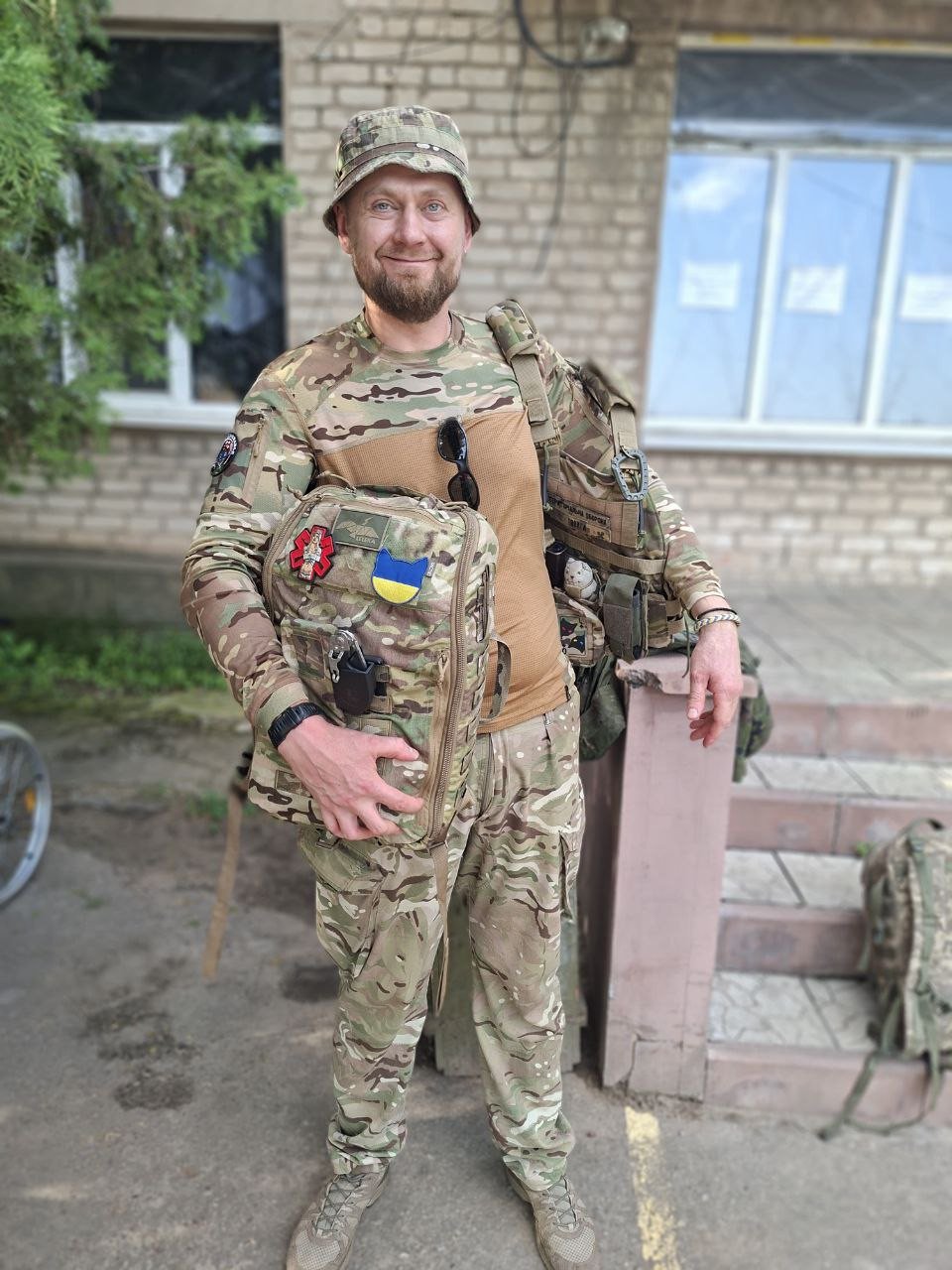
Now, his job is to receive the wounded and work with those who have light or moderate injuries, under the supervision of a doctor. “The severe cases are handled by qualified medical personnel, because I’m not needed there at all. Maybe that’s a good thing, because it’s very hard. Not even so much physically, although surgeries can last for several hours—but above all, psychologically.”
Psychological recovery is the central aim of this project. While it initially involved participants beyond just medics, today they make up its core.
Dmytro, a combat medic, joined the armed forces in July 2023, signing a contract at the tender age of 18. “For me, the question was never whether to join—only when and where. I waited until I turned 18, found a unit, and joined as soon as I could.”
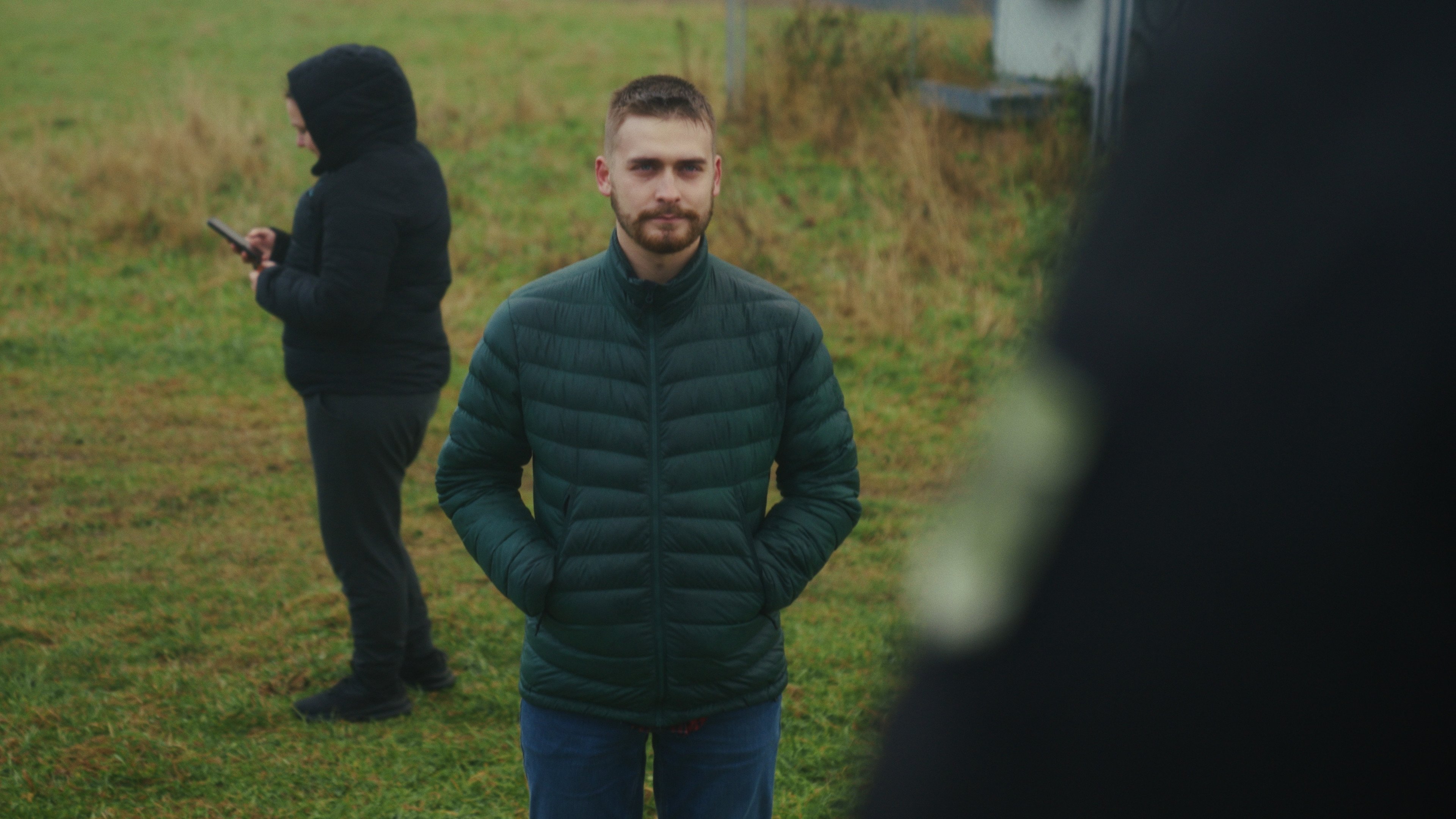
These days, his work mostly involves evacuating the wounded. “There are lots of flashbacks—wounded people, killed people, explosions, and so on. Many things that are completely normal for civilians can cause us stress or discomfort. If medics aren’t mentally stable, they may suffer flashbacks or acute PTSD and won’t be able to carry out their primary duty—saving lives. The better the medics' psychological and emotional state, the more lives they can save. This is why the program is so crucial.”
Taking care of themselves
During the 10 days, a team of psychologists is on site—their number varies depending on the size of the group. Typically, one specialist is assigned to every 10 participants.
“Unfortunately, even after nearly four years of war, there’s still a stigma—many still see turning to a psychologist as a sign of weakness,” says Viktor. That’s why he thinks that one of the greatest strengths of this program is that it shows that such help is absolutely normal. “Some guys still go to a psychologist for the first time only when things have already gotten really bad. But here, you’re simply offered—‘Go talk. If you like it, great. If not, that’s okay. At least you’ll see how it works.’”
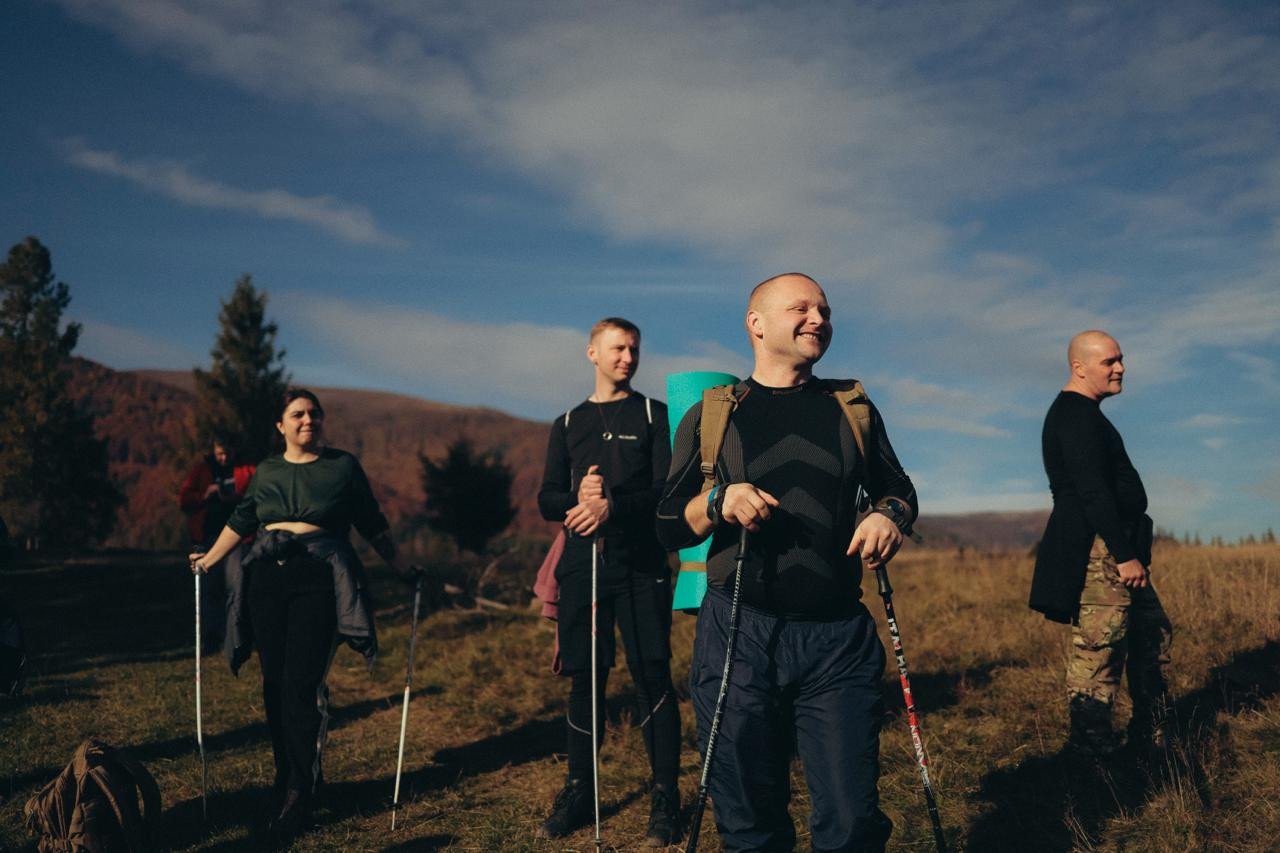
Thanks to the project, Viktor has learned what actually helps him and what doesn’t. “This opportunity to choose—and to do it alongside others who also need this kind of help—that’s really great.”
Among the specialists serving as part of the 17th Repower project is Tetiana Savalova, who works for the “Vilnyy Vybir” NGO. This organization has been involved since the fourth project and has since taken charge of the Repower psychological component. According to her, there are not only psychologists and psychotherapists ready to help, but also psychiatrists, to provide a more comprehensive response to all the requests.
“We offer morning sessions, which are great for trying different activities,” says Savalova. “We also run lectures on essential topics, such as self-care and caring for your comrades. In the evenings, reflection groups help participants track their progress throughout the project.”
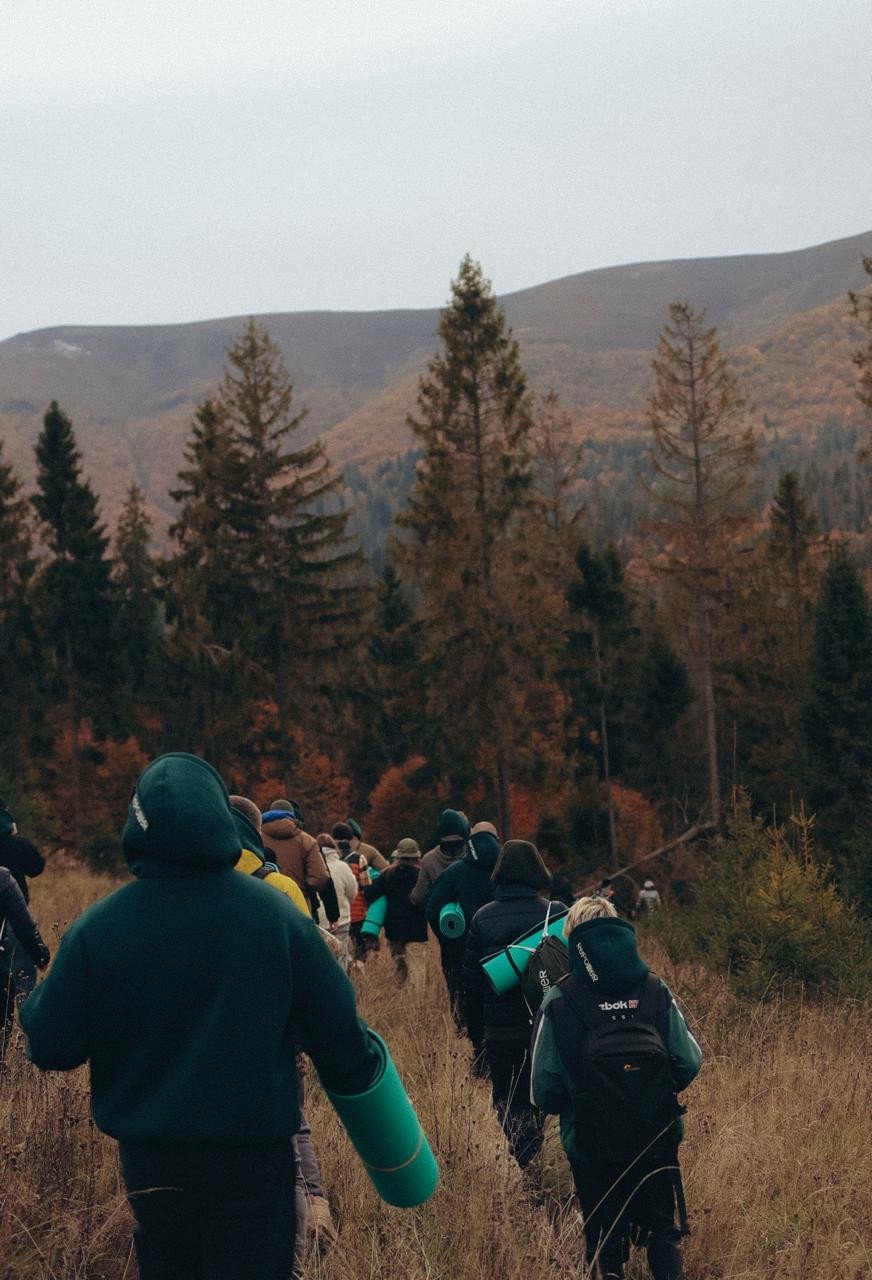
According to Tetiana, the issues participants bring to her and her colleagues cover a wide range, mostly related to exhaustion, general fatigue, and sleep problems. “Often, they ask how to take care of themselves under the conditions they live in. Sometimes, they seek help with communicating with their families. At times, it’s about dealing with the buildup of aggressive energy—what to do with it, and how to release it more constructively.’
The psychologist emphasizes that this program offers a much-needed change of environment. “It helps the mind slow down a bit and, to some extent, remember that safety exists—that care exists—and that people are around not only to trigger or hurt you, but also to support you and stand by your side.”
Building community is one of the project's goals, according to Kateryna Serdiuk, co-founder of the Repower Charitable Foundation. “When it comes to medical professionals, you really don't want to share that with your friends or with your family, what you've been doing and seeing.”
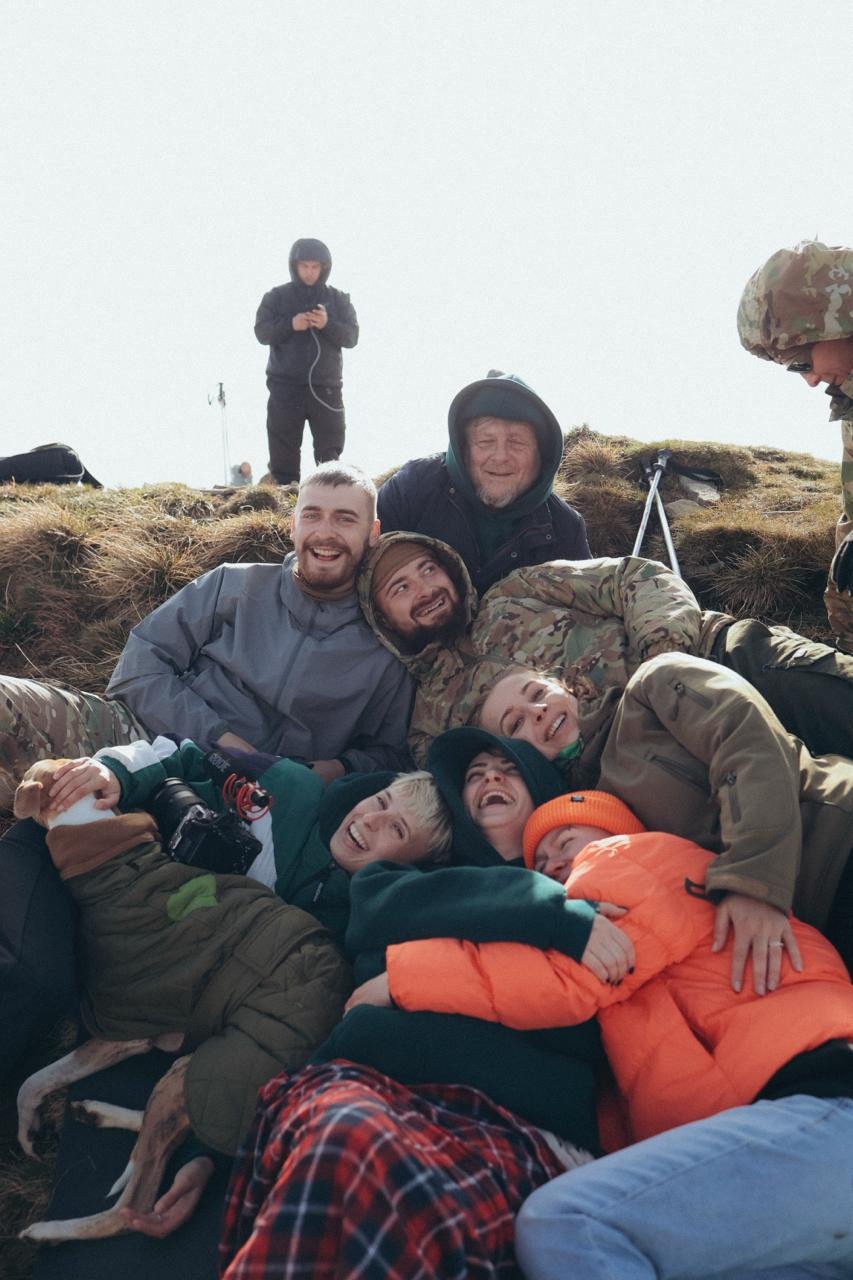
“During combat, we also get exhausted, we have terrible nightmares, and some people don’t sleep at all,” Ruslana explains. “Aggression can build up, or, on the contrary, you become emotionally numb. And here, you can release all of that. Psychologists help me a lot, and it also helps to be surrounded by the best people—those who understand and are carrying out the same mission to save lives.”
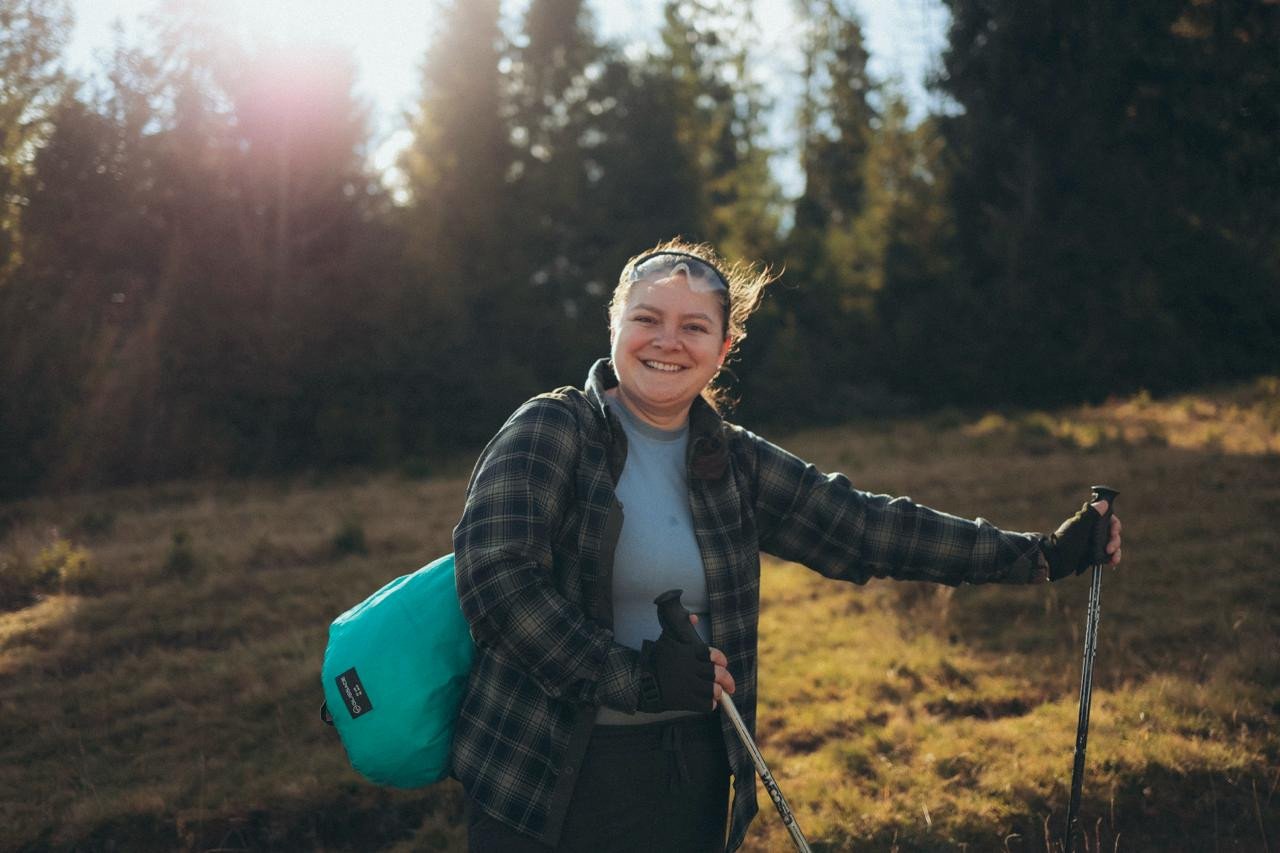
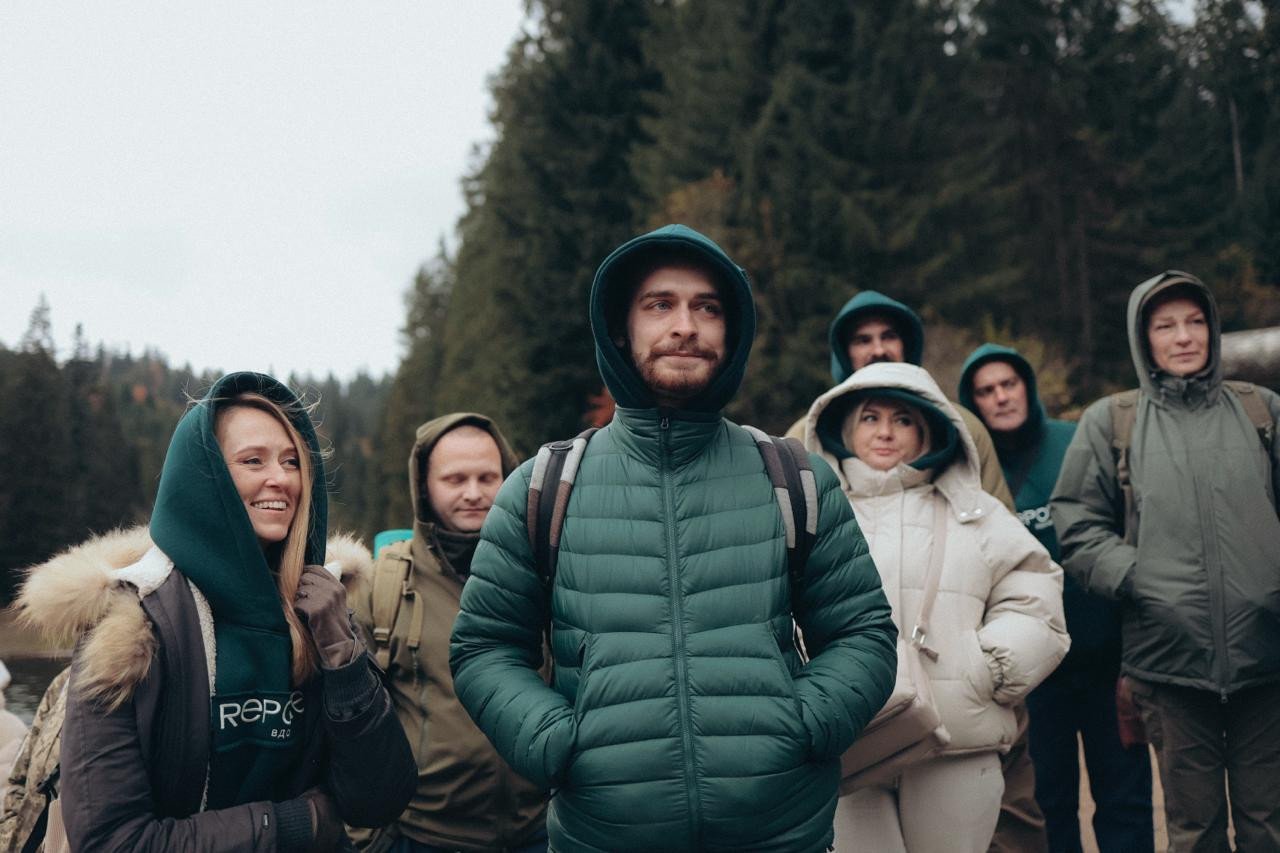
Dmytro first took part in the project in July 2024, in Denmark. “After completing the program, it felt like I had wings—it was amazing. That feeling stayed with me for a long time; it really carried me through.” He underlines that ‘the sense of connection and communication that remains within the medical community is really great.’
For one thing, all participants are in a common group chat, allowing them to continue communicating. “In September, I got wounded and went to a stabilization point,” Dmytro recalls. “The medic who treated me was, in fact, from my own Repower team. It was like: ‘Hey!’—‘Hey!’—‘I’ve got some shrapnel in here. D’you mind getting it out?’—‘Alright, let’s do it.’”
Culture above all
Alongside its psychological and social elements, the project also includes cultural aspects. “We go to museums, we learn about history,” Serdiuk says. “When you get connected with your history, you feel empowered, you feel stronger, you know that it's not only your fight, it's the fight of your ancestors, and we better finish it now, right?”
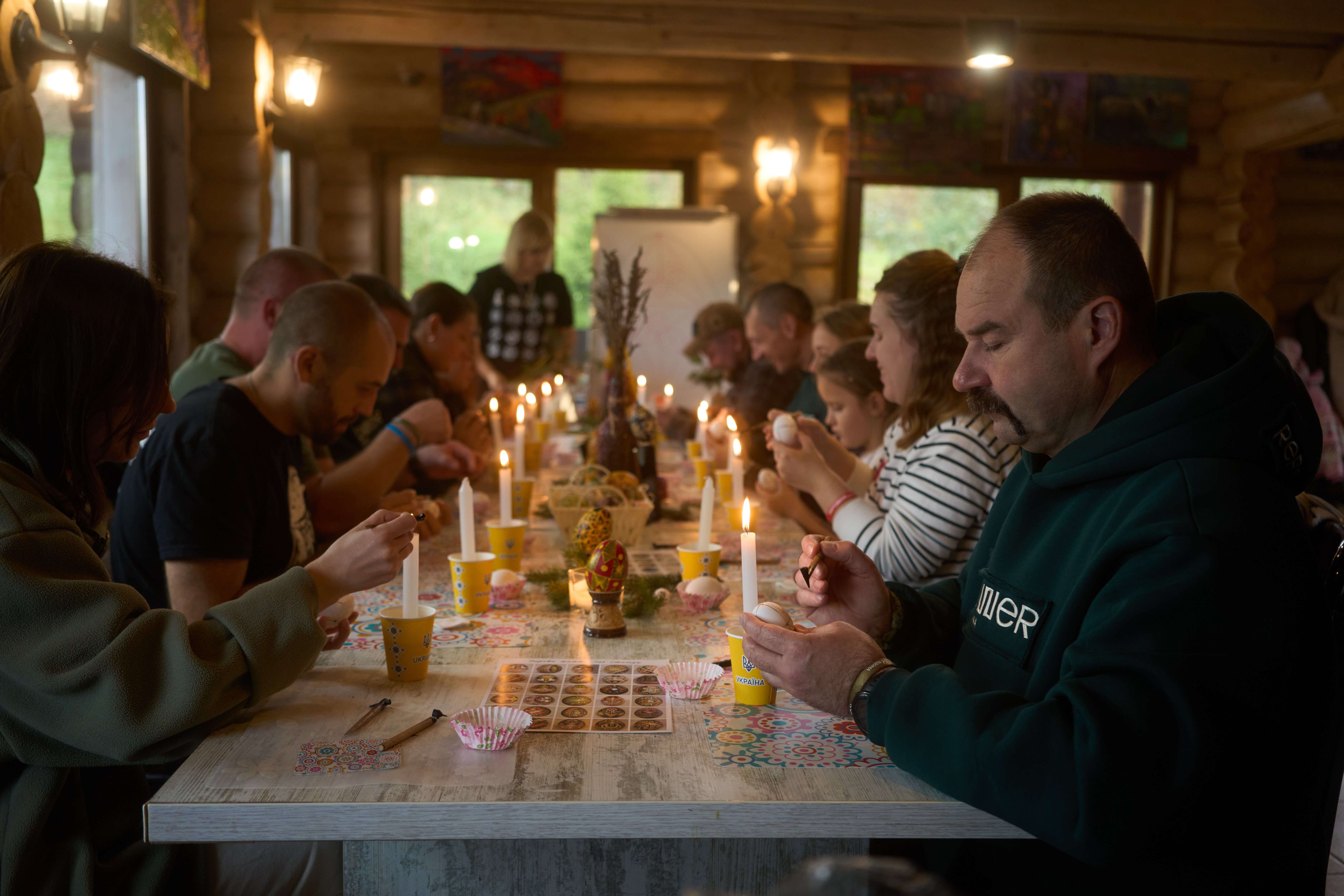
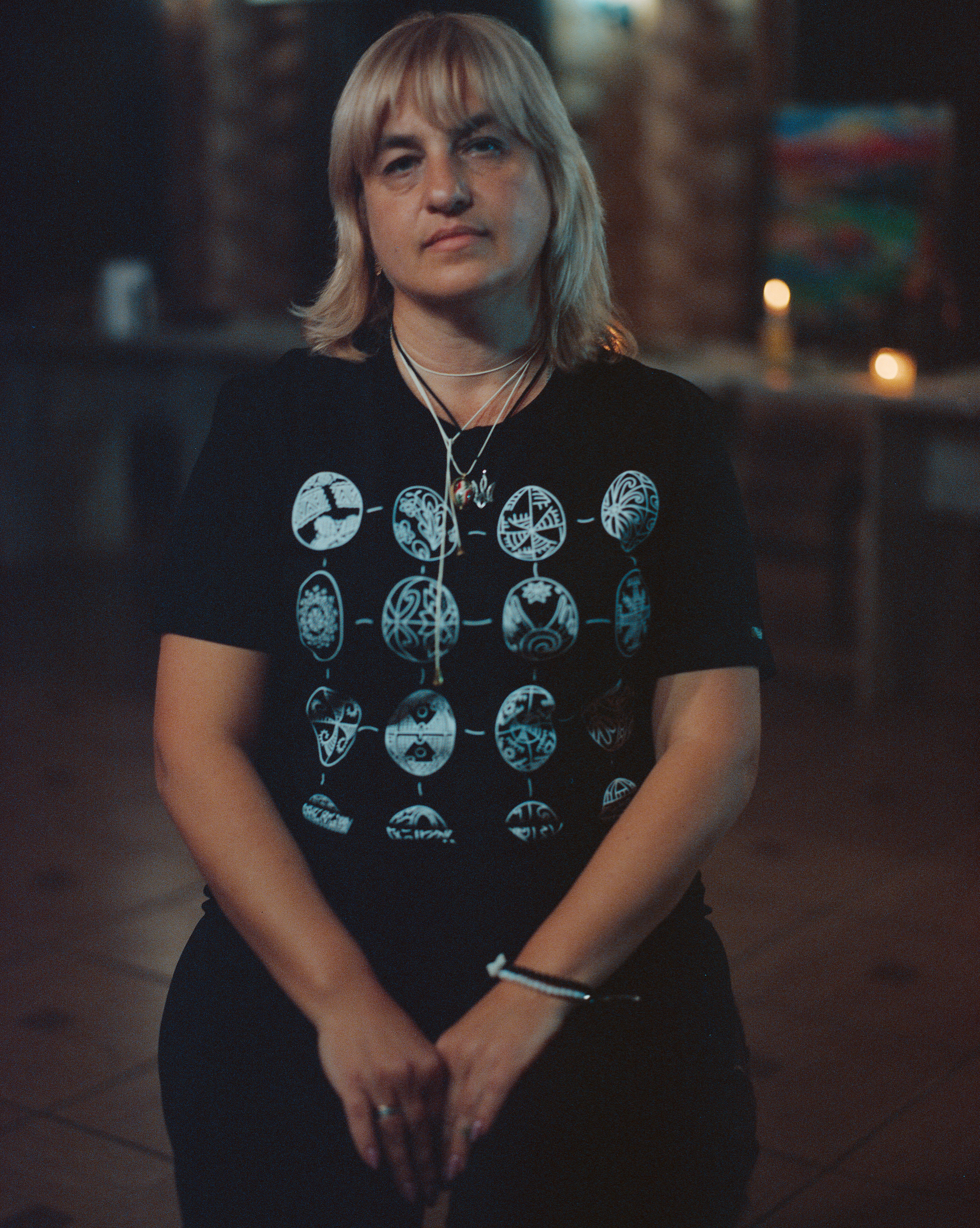
We catch up with the participants during a workshop, where the combat medics are learning how to paint pysanka . “What we’re doing now is reclaiming what belongs to us.” With these words, the session begins—led by Oksana Tsybukh, who, though not a professional pysanka artist, has been doing it, as she says, “for as long as I can remember.”
Oksana is the mother of Hospitallers paramedic Iryna Tsybukh, known by her call sign “Cheka.” Before the Russian full-scale invasion, Iryna worked at the Ukrainian Suspilne public broadcaster and implemented educational projects in villages of the Donetsk and Luhansk regions. She joined the volunteer battalion in February 2022. On May 29, 2024, during a rotation in the Kharkiv direction, she was killed—just a few days before her 26th birthday.
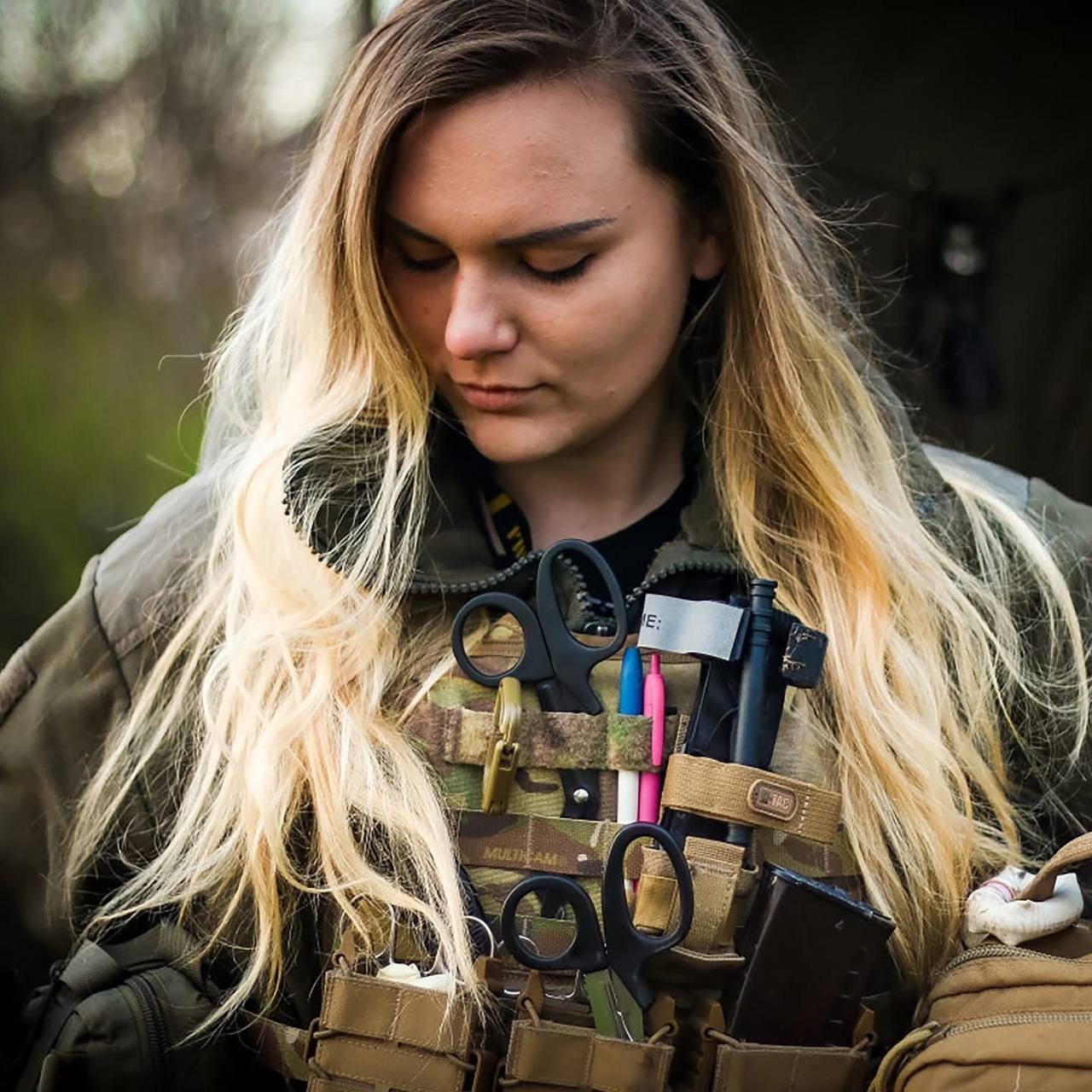
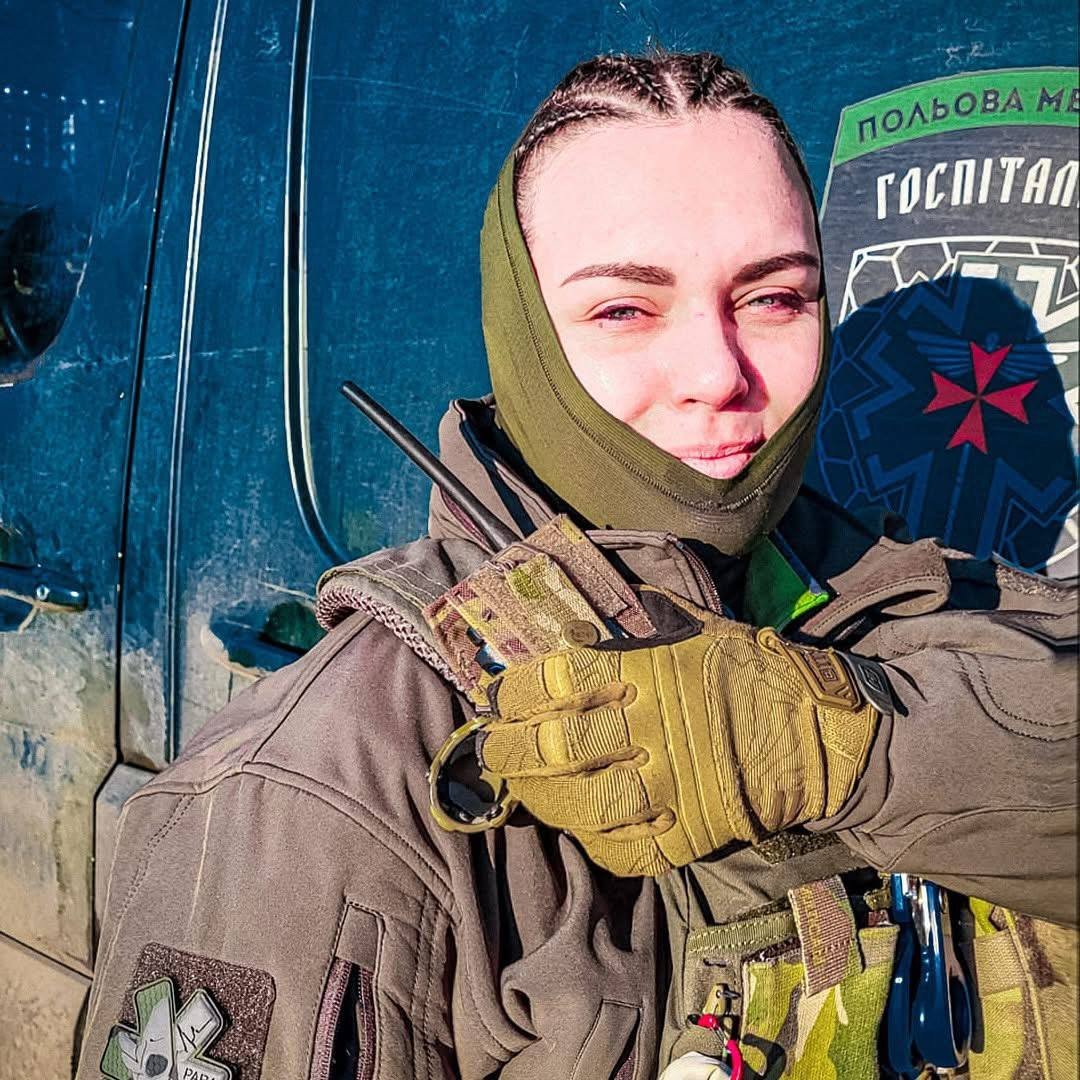
“When everything happened, I thought that was it—I even thought about throwing everything away, everything connected to pysanky,” Oksana says. “Pysanky, for me, is only about positive emotions—only positivity, goodness, and love. Back then, I couldn’t feel any of that… I didn’t even want to live.”
She stresses, however, that for her daughter, the most important things were dignity and freedom.
And at some point, I thought—how could I call myself dignified if I didn’t continue doing this?
Oksana Tsybukh
Mother of the fallen paramedic Iryna Tsybukh
Oksana recalls that she and Iryna often painted pysanky together at home. From an early age, her daughter tried to involve her peers and younger children in the tradition—she organized the workshops, and Oksana led them.
“In recent years, she didn’t have time for it, though she often spoke of it as a very important ritual for our family—a symbol of continuity, of our history and traditions. She understood how important it was, and whenever she could, she shared that with others.”
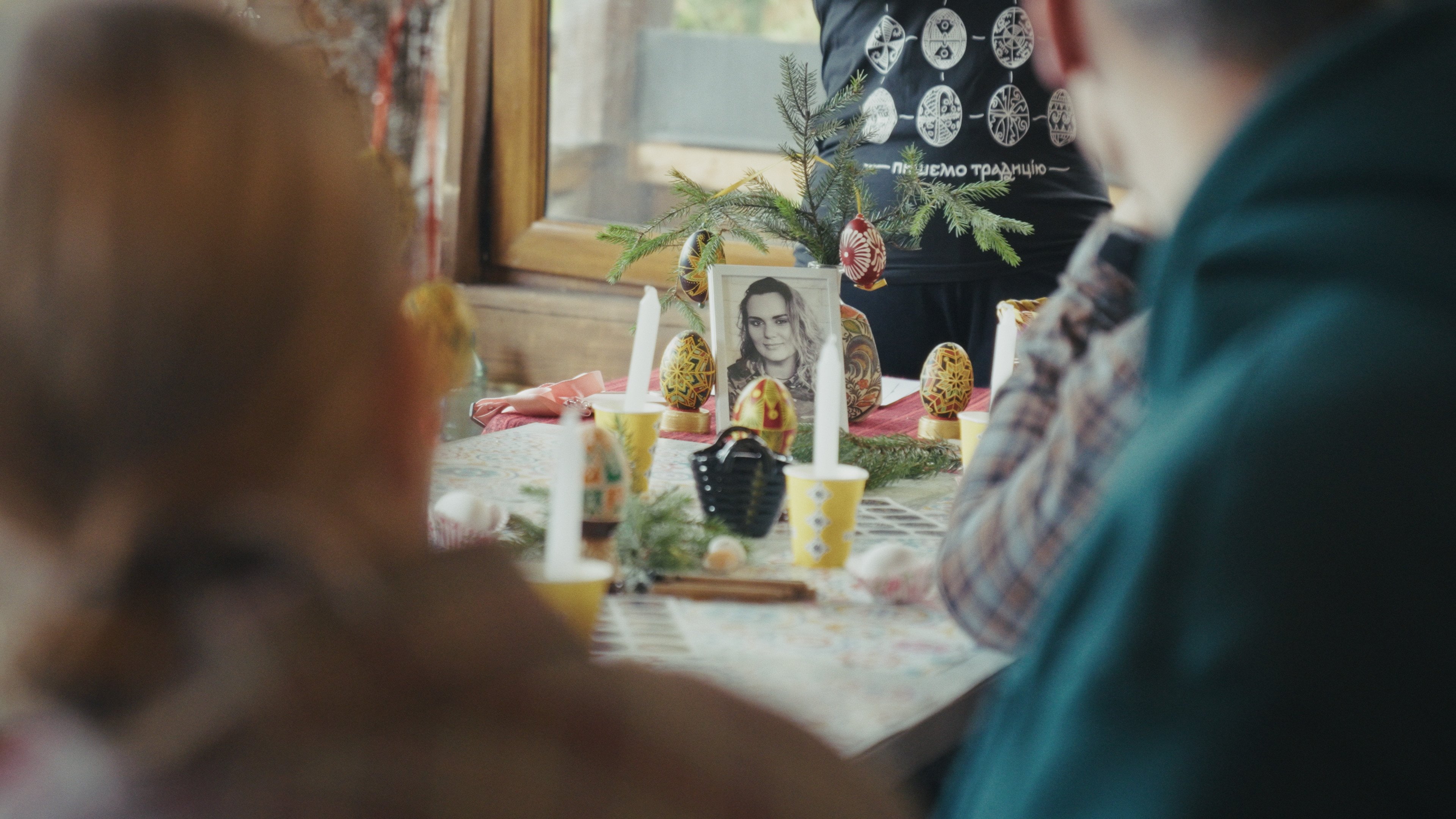
Oksana first heard about the Repower Charitable Foundation from her daughter, who participated in its third program. “I know how valuable it was for Iryna, who at that time was already in a very difficult emotional state because of her rotations. The project helped her recover.” Oksana says the organizers once invited her to hold a workshop in Sweden, but she couldn’t make the trip at the time. When she learned that the project would be taking place in Ukraine, she didn’t hesitate to participate.
“It’s an honor for me, and it brings me a lot of warmth. It’s also something very healing, being able to be among my own people, in my own little bubble, with Iryna’s sisters and brothers in arms.”
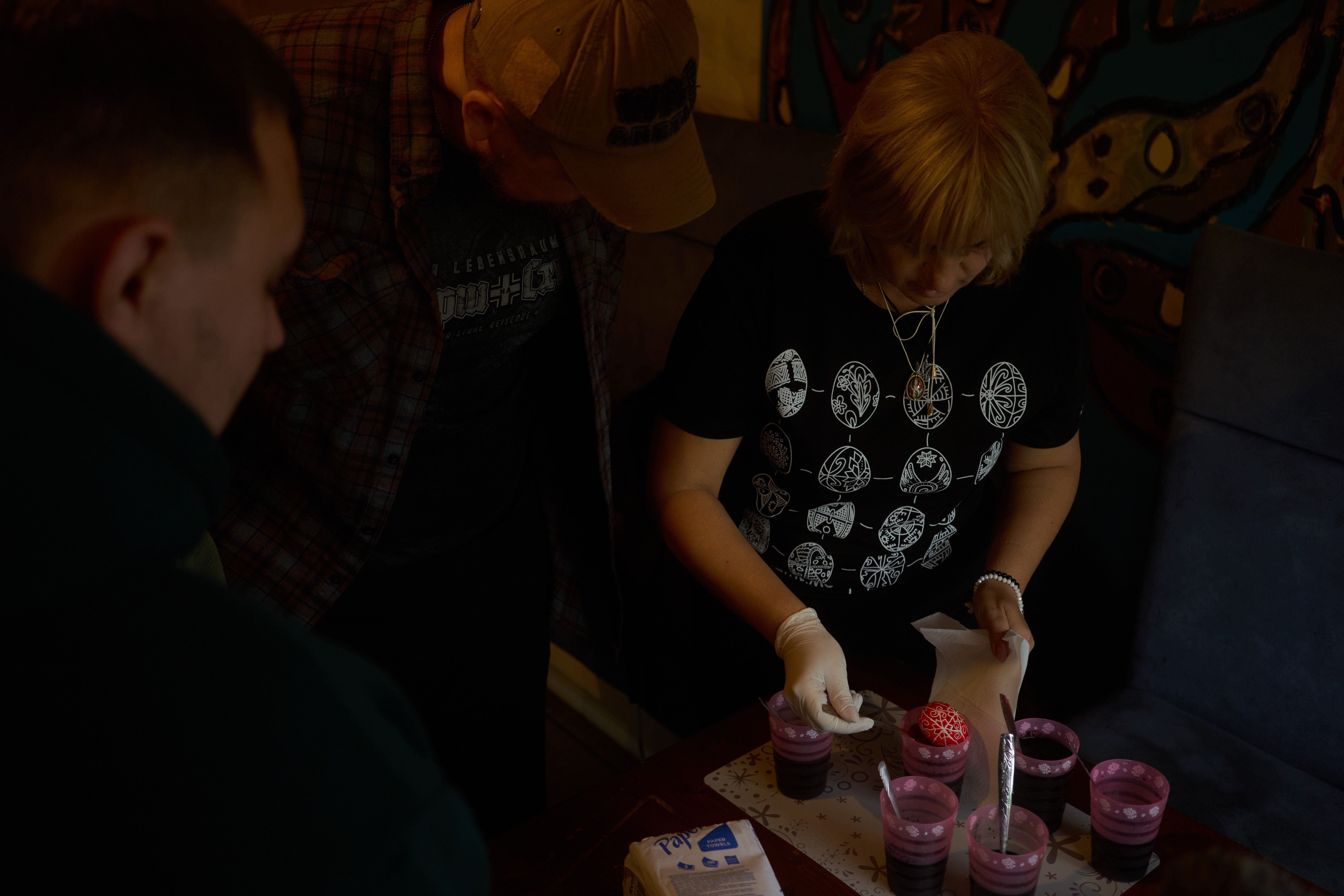
Oksana shares that the participants were fully immersed in the process, and it allowed them to ground themselves—“to be in the moment.” The greatest reward for her, the woman says, is that when the participants saw how beautiful each pysanka was, they rejoiced like children. “And the best gift for me was being able to offer them motherly love.”
“I had seen how it was done, but I never thought I would try it myself, or that it would pull me in like this,” Ruslana says. “It really focuses your attention, and it feels like you’re returning to yourself, pouring your thoughts into the pysanka.”
Returning home
While the program typically brings together about 100 military medics, this time the group was limited to 50—to test how the project would function in Ukraine. All current participants had previously taken part in sessions abroad.
“Time spent abroad lifts your spirits in ways you can’t imagine,” says Viktor, while recalling his time in Sweden. “I’ll never forget walking in uniform through Stockholm—people would greet me, wish me well, soldiers saluted, and everyone wanted to feed me,” he ends laughing.
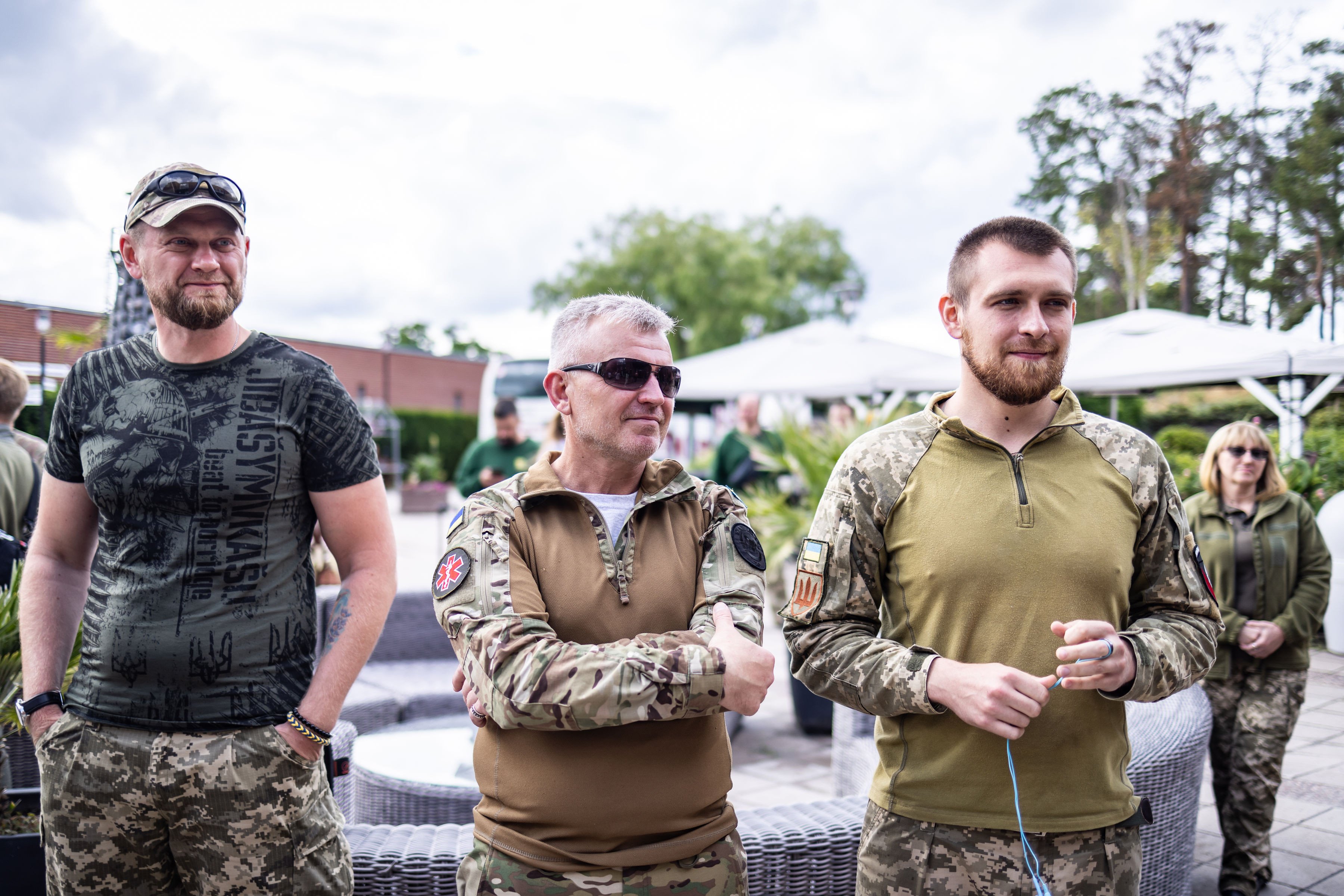
Viktor underlines that for him, the project here is more about physical rest. “The environment is more comfortable, the locations feel familiar, and the food is more like home. Here, the focus is on physical rest, which helps you recover both mentally and psychologically.”
Ruslana also shares her experience: “It was exciting to travel abroad, though flying was a bit frightening—we’re used to thinking of planes as a potential threat.” At the same time, she emphasises: for her home always feels best, adding that “even the soil itself is healing.”
It’s your native land—you take it in with every breath. It brings you back to an incredible feeling you haven’t experienced in ages.
Ruslana Maidaniuk
Combat medic
So why have the organizers decided to return home? Maryna Sadykova, another co-founder of the Repower, explains that they are working to restore motivation—and that the process is easier here. “The beauty of Ukraine is the key element that makes a difference, changing our focus.” It also creates an opportunity to expand the number of people they can help.
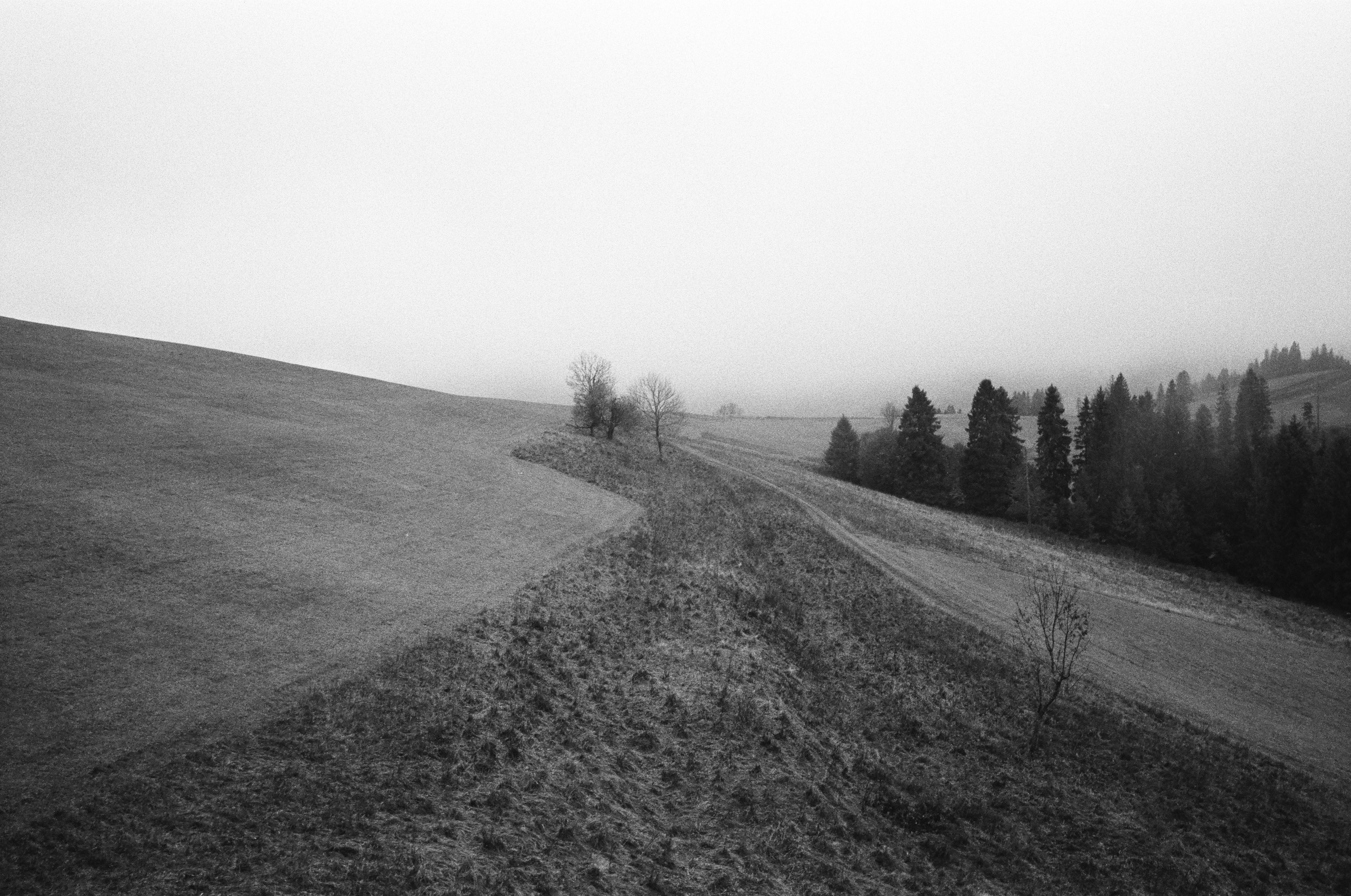
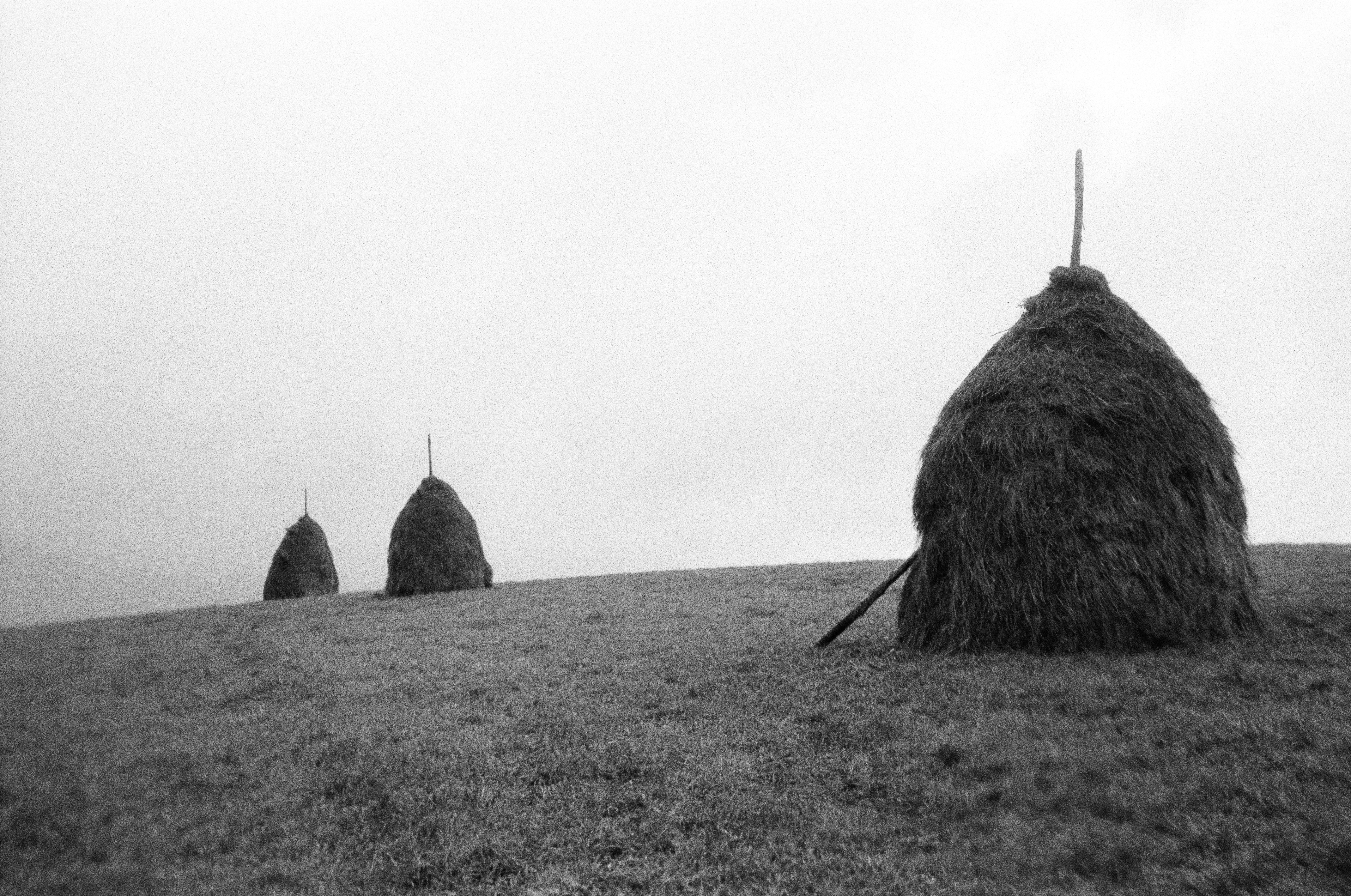
Having already supported 1,200 combat medics across 16 previous projects, Maryna notes that for one organization, that’s an enormous number—an immense amount of work. At the same time, she adds, “When you look at it in the context of all of Ukraine, it’s just a drop in the ocean. And we understand that in order to scale up the support we provide, we need a solid foundation, a system that will allow us to do this continuously, in cooperation with the state.”
For its future projects in Ukraine, the Charitable Foundation plans to build a dedicated facility in the Carpathian Mountains.
To safeguard the military capacity
While the first Repower project took place in December 2022, work on it had started a few months earlier. “Our main goal is to safeguard the military capacity we have,” explains Maryna. “We work with extreme psychological and emotional burnout. We help those who face suicidal thoughts to regain their inner resources and the strength to move forward.”
We created this project the way we would have wanted someone to create it for us.
Maryna Sadykova
Co-founder of the Repower Charitable Foundation
Over the course of its existence, the Сharitable Foundation has developed a clear algorithm for selecting participants. “We have our criteria that people should be serving at the frontline for no less than 60 days,” says Kateryna. “They should have symptoms of PTSD, depression, or burnout. At the same time, they should be able to continue their work, as the niche we're covering here is active military medics and doctors, not veterans. We want this project to prevent possible psychological disorders that might develop.”
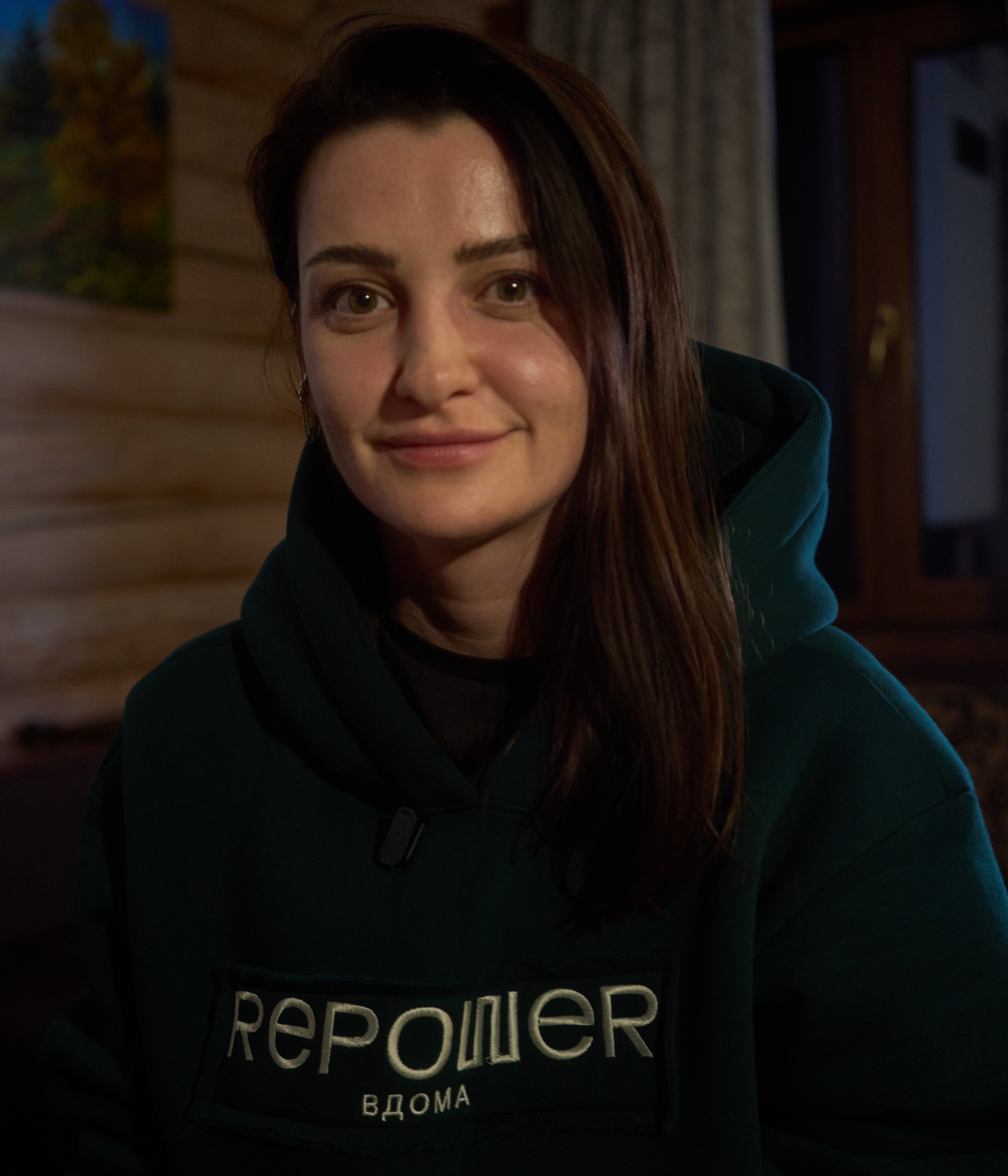
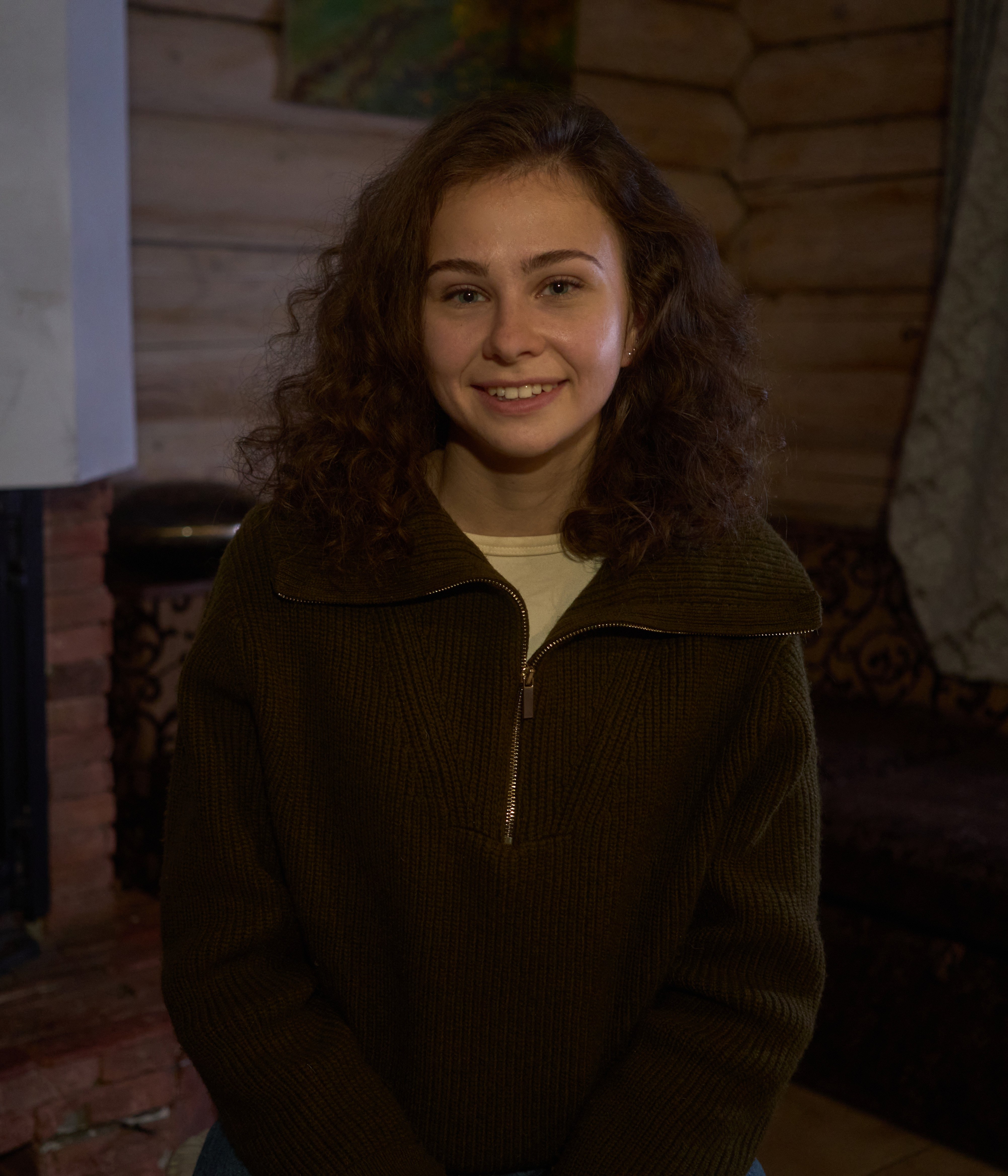
Before the full-scale invasion, both co-founders, Kateryna and Maryna, worked in event planning, in particular organizing team-building activities and gatherings. “In the past, we focused on corporate burnout; now, we’re confronting a kind of global burnout,” Maryna says.
The very first project took place in Sweden. Back then, the group consisted of 100 people—not only medics and doctors, but also volunteers and Ukrainian railway workers. “In the beginning, the whole idea of moving people from Ukraine to Sweden was a huge hurdle,” recalls journalist and filmmaker Sebastian Lindstrom—also, as he says, “a big Repower friend.”
Originally from Sweden, he was in Mexico when Russia launched its full-scale invasion. “For the last 10 years, most of my work has been filming and doing humanitarian work when there are natural disasters. I knew that the full-scale invasion was going to change my life forever and that I would move to Ukraine.” He arrived in Ukraine—a country he’d never been to before—a few weeks after February 24, 2022.
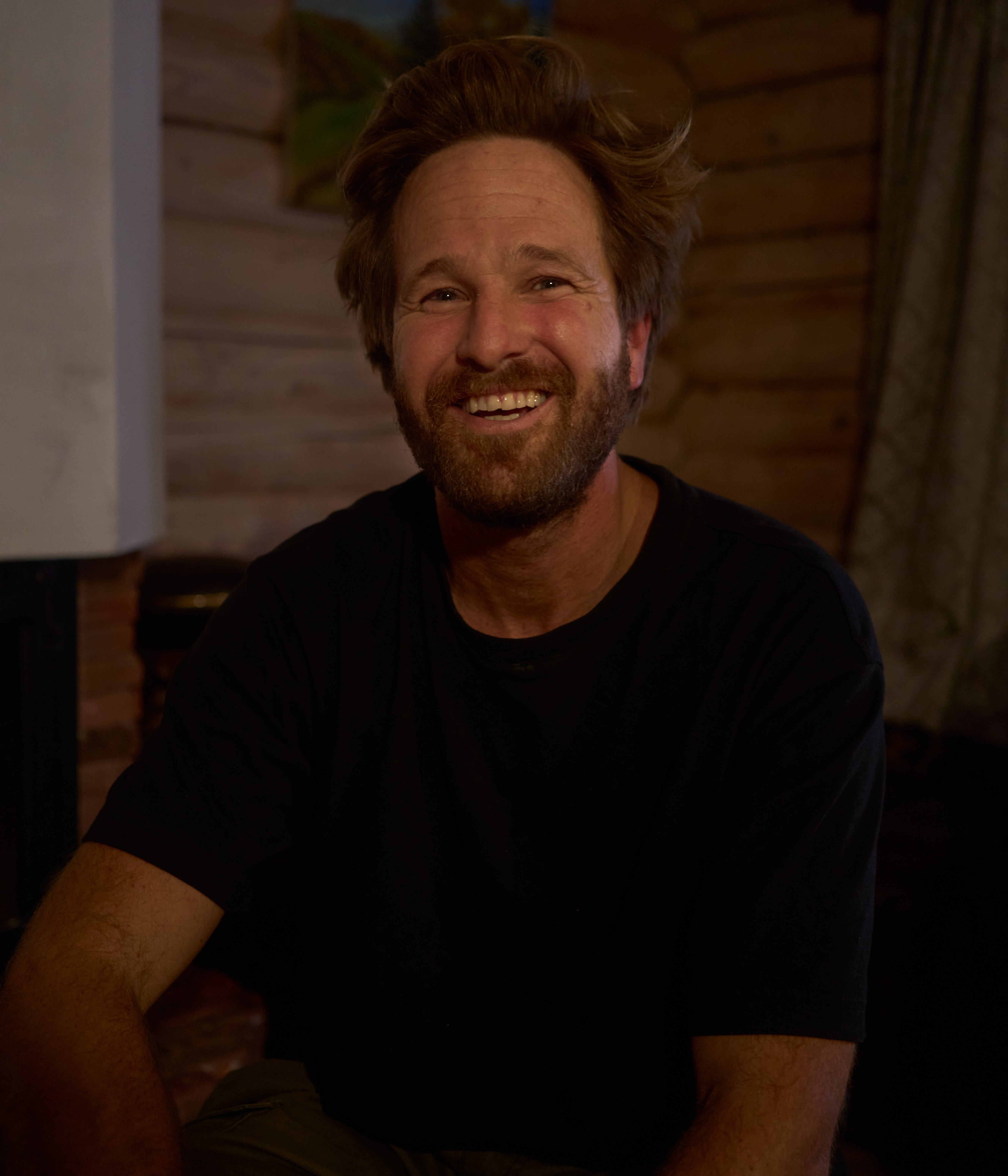
“I felt that I had a moral responsibility, that this was my duty as a Swedish person, as a person that is part of the European family, to do everything I can to support Ukraine,” says Lindstrom. “My military training also gave me a broader understanding that I have a responsibility not only to protect my country, Sweden, but also to protect Europe and our borders at the edge. Ukraine is on the edge of Europe.”
While in Ukraine, Sebastian met Kateryna and Maryna. After working together in the humanitarian sector, they decided to create the first pilot project—to support those who save others. “Because I am from Sweden, it made sense that I would build and support this bridge between Sweden and Ukraine.” Recalling those days, Sebastian stressed: “Just getting financial support from Ukraine, but also from Sweden to make it happen, was one of the hardest things in my life: to explain why this is important, why bringing people outside of Ukraine was the best thing we could do at that moment.”
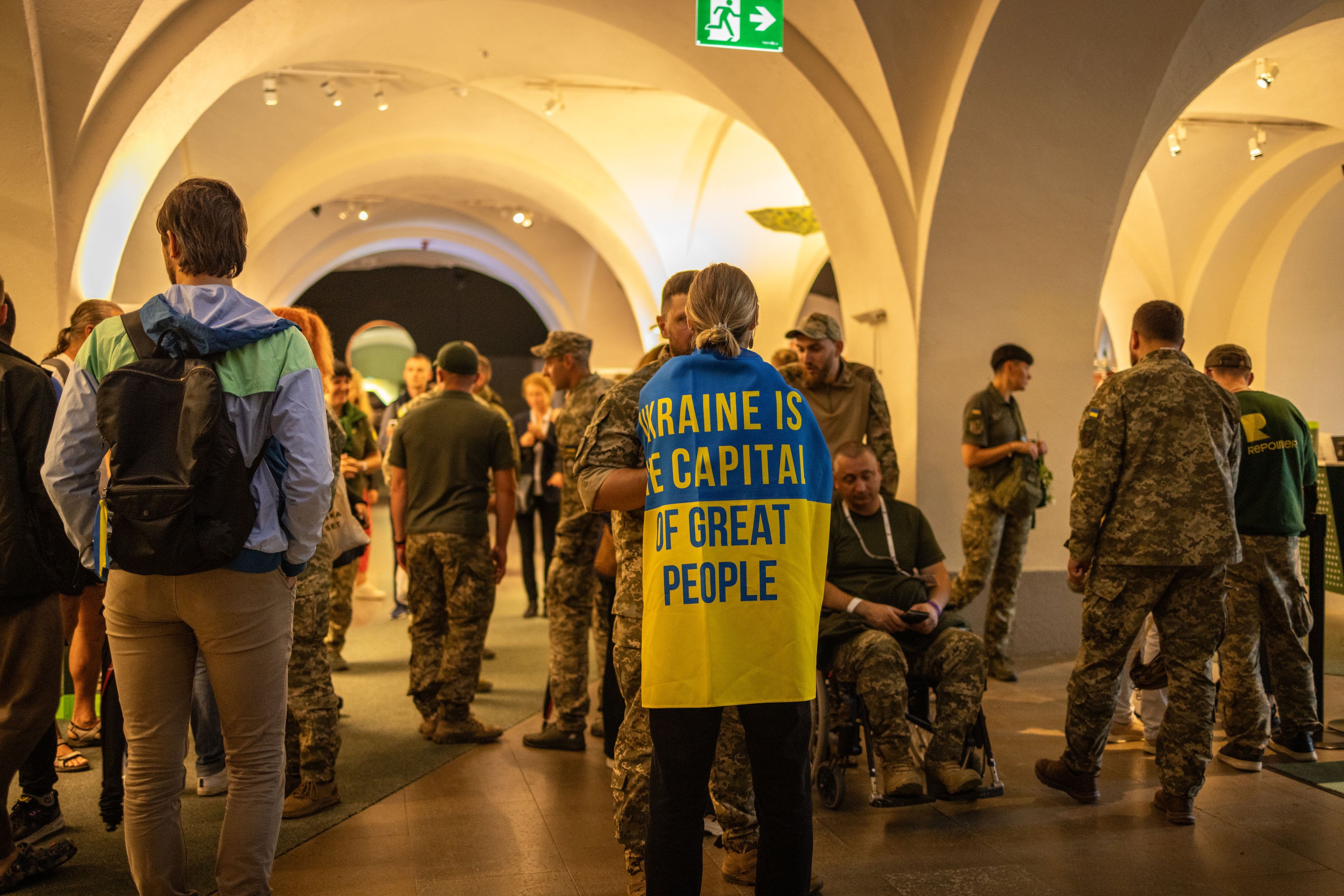
Finally, the very first group arrived in Stockholm. Talking about that trip, the team usually jokes, “It felt like 100 soldiers in uniform had parachuted in.”
“At first, we didn’t know who to contact in Sweden or how to announce our arrival,” Maryna says. “On the third day, men in suits came and asked what we were doing. It turned out they were from the Swedish Defense Ministry—the airport had called them to ask who these people were. Today, Sweden supports us heavily; our organization’s aid is part of Sweden’s 19th package of assistance to Ukraine.”
Looking ahead, the goal is to hold such retreats at least once a month—to help as many people as possible, to support those whose mission it is to save others.
Discuss this article:
-8321e853b95979ae8ceee7f07e47d845.png)


-24deccd511006ba79cfc4d798c6c2ef5.jpeg "Photo of Louis Beaudemont")
-554f0711f15a880af68b2550a739eee4.jpg "Photo of Lucile Brizard")
-4c422f6574674b417eac2384290103ac.jpg "Russia Left This Ukrainian Village 90% Mined. Here’s What Life There Looks Like Now")