- Category
- Opinion
“Fuck Putin, We Love Ukraine”: Before Their Match in London, Palace and Shakhtar Fans United
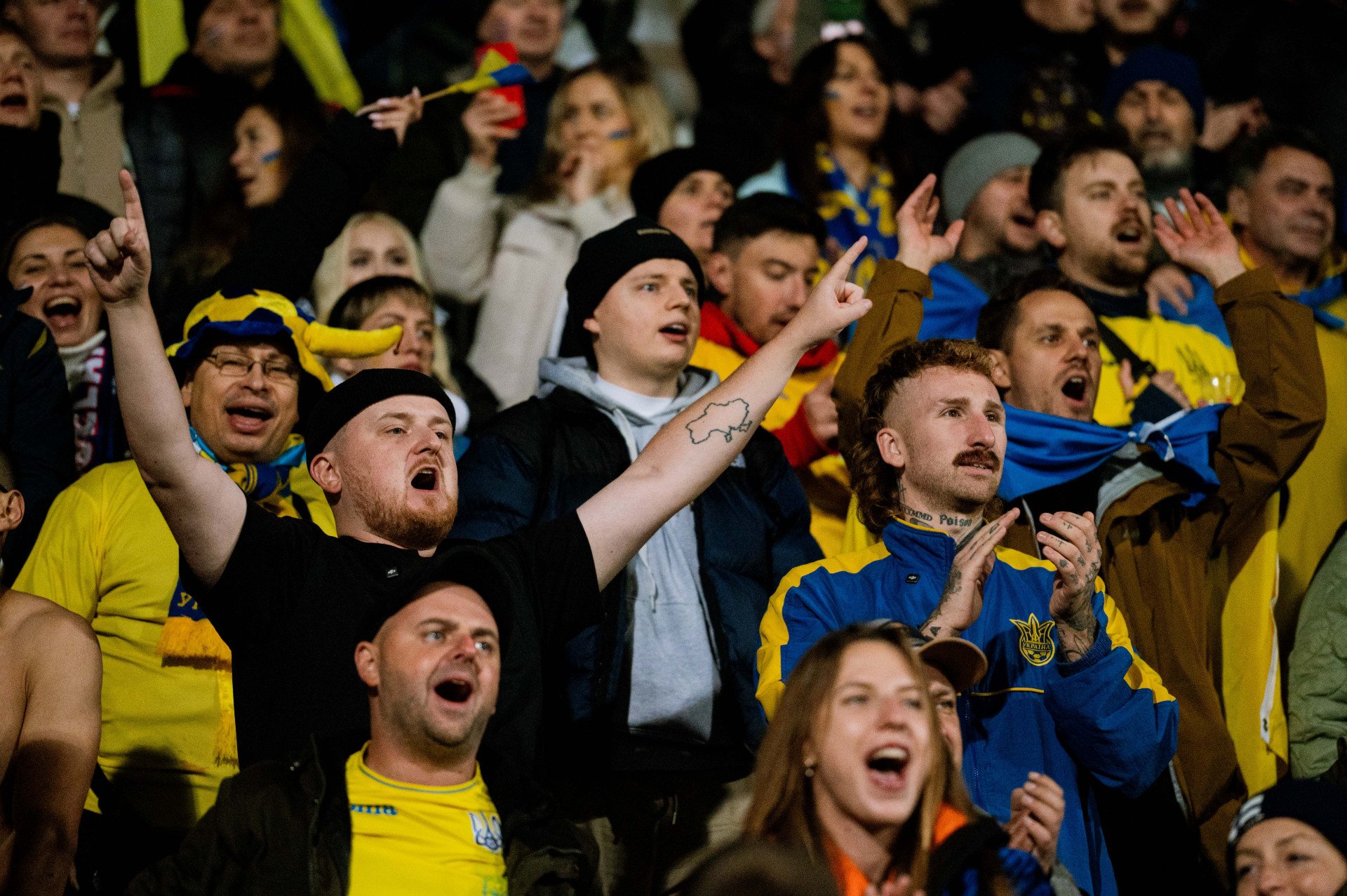
As Shakhtar Donetsk and Crystal Palace prepare to step onto the pitch in London, May 7, the game tells a bigger story. Speaking to two British voices embedded in Ukrainian football, one thing is clear: football is more than sport; it is solidarity, stretching from the UK to Ukraine.
- Authors

-46f6afa2f66d31ff3df8ea1a8f5524ec.jpg "Photo of Jess Daly")
On May 2, 2014, Shakhtar Donetsk played their last match at Donbas Arena, a large, elite-category stadium in Donetsk opened by Beyoncé in 2009 and later, host to Euro 2012. When Russian forces occupied the city that spring, the club lost its home overnight and was forced to rebuild.
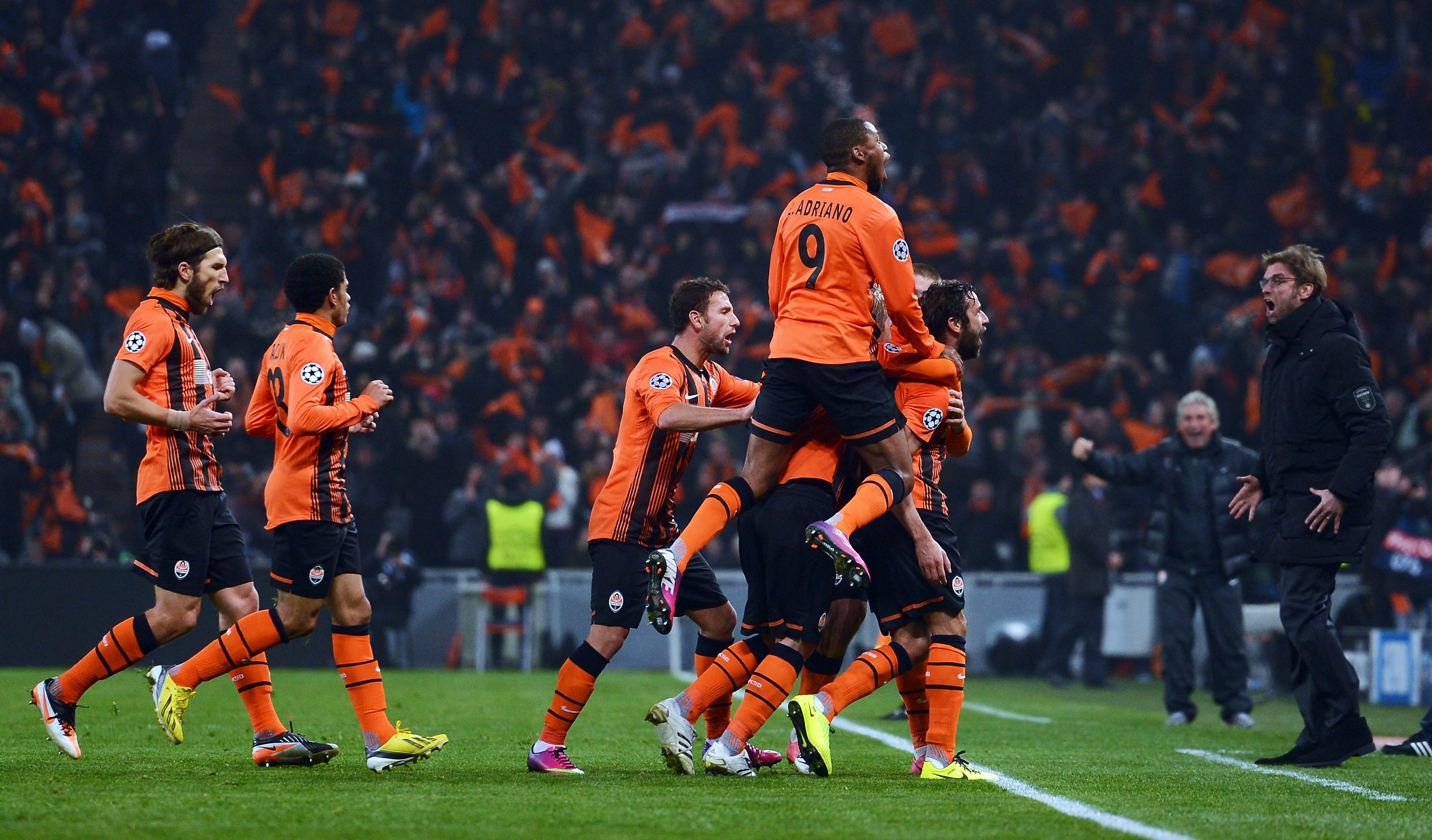
Since then, Shakhtar has relocated multiple times—from Lviv to Kharkiv to Kyiv—and, since 2022, has been a team in exile, forced to play its “home” fixtures across Germany and Poland.
Shakhtar Donetsk, while being a football club, embodies Ukrainian identity and a story of resistance. “Football is more than a game” is a phrase often heard among fans, but in Ukraine, it carries real weight. This week, on Thursday, May 7, Shakhtar will face Crystal Palace at Selhurst Park in London in the second leg of the UEFA Conference League semi-final.
In the Shakhtar stand, UNITED24 Media will be among thousands of Ukrainians in the diaspora—alongside two Englishmen with Ukrainian roots who have been pushing Ukrainian football into the British spotlight since 2018.

Andrew Todos and Michael Jaworskyj are two producers of Gloryhuntas, an English-language YouTube channel that focuses on untold stories from Ukrainian football.
Building and sustaining a club under war conditions is extraordinary. Doing so while carrying the legacy, expectation, and global reputation of Shakhtar makes it even more so.
A British lens on Ukrainian football
Since 2018, Todos has been covering Ukrainian football in both English and Ukrainian. He launched his blog, Zorya Londonsk, after recognizing a lack of English-language coverage of Ukrainian football beyond Ukraine’s borders.
His dad was born in the Ternopil region of Ukraine and moved to London just before the fall of the Soviet Union. His mum was born in London, but both her parents are from Ukraine and moved to the UK just before World War II.
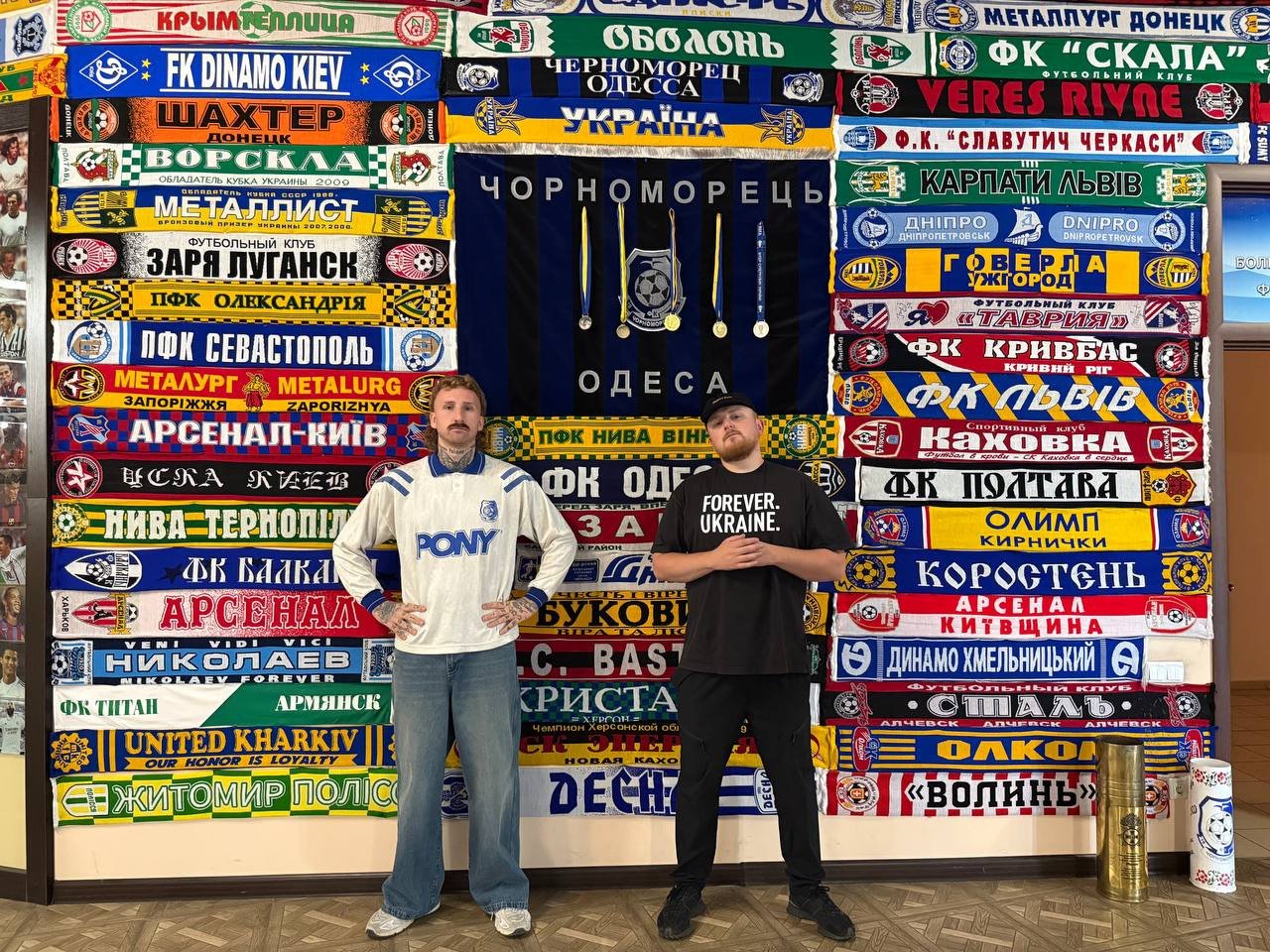
Jaworskyj became known for showcasing his collection of more than 150 retro Ukrainian football shirts; his grandfather left Ukraine after World War II to escape Soviet oppression. Though they never met, he felt connected to his grandfather's roots. Jaworskyj even named his son Artem, after Artem Dovbyk, a player for Ukraine’s national team, highlighting his true passion for Ukrainian football. “There are so many things that make Ukrainian football special,” Jaworskyj says. “It’s not just the game, it's the Ukrainian heritage and culture that comes with it.”
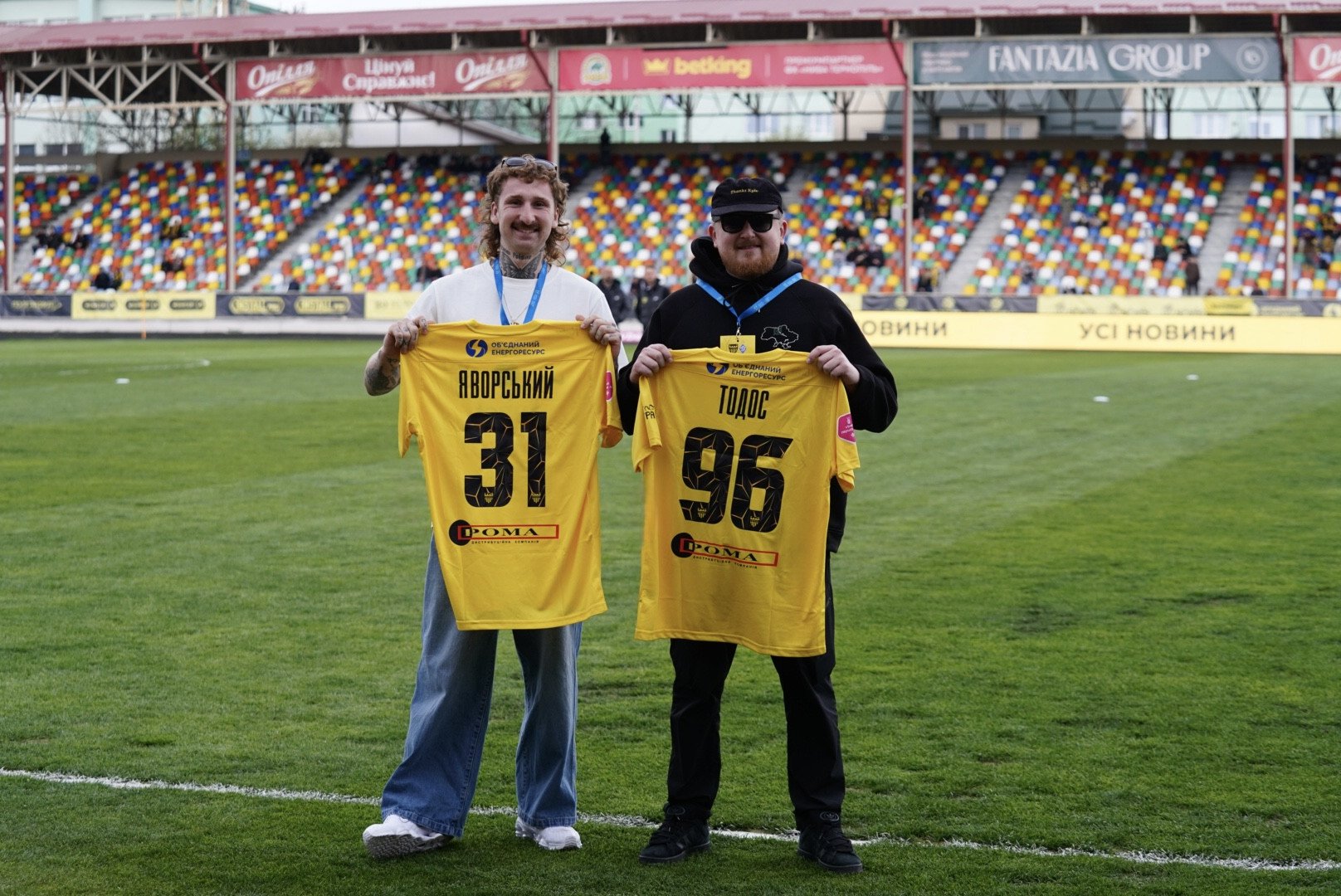
From Lviv to Kherson, Mariupol to Kharkiv, the pair have traveled the length of Ukraine, following clubs through hundreds of matches.
“The team with 40 fans is still as important as the team with 40,000 fans,” Jaworskyj said, “we love all Ukrainian football from the grassroots level, right to the top.”
“Ukrainian football has so much heart and soul,” Todos said. “There are clubs in every city full of interesting stories. The oldest professional footballer in the world is still playing at 60 years old for Real Pharma, on a stadium that has got a chicken coop, a mini vineyard, and a golf course alongside it.”
Football, a game shaped by solidarity
Ukrainian players are becoming increasingly visible across English football, and with them, a growing connection between UK fans and Ukraine.
At Brentford, player Yehor Yarmolyuk has cemented his place as a regular starter. “Every few months or so,” Todos says, “the club highlights his roots, whether it’s Ukrainian food in the canteen or sharing his journey.”
At Everton, player Vitalii Mykolenko has become a mainstay since joining in January 2022, just before Russia’s full-scale invasion. Now a consistent starter, he is also a key figure for the Ukrainian national team and a familiar face for fans.
Ivan Varfolomeev, a young midfielder at Lincoln, has made an immediate impact. “There’s even a chant for him,” Todos says. “People love him. You see Ukrainian flags in the stands when these players are playing”. For many supporters, these players are more than just names on a team sheet.
Todos and Jaworskyj described the upcoming game at Selhurst Park as a significant milestone, a Ukrainian side reaching the semi-finals of a major European competition amid war. Beyond the stakes on the pitch, both expect a different kind of atmosphere in London.
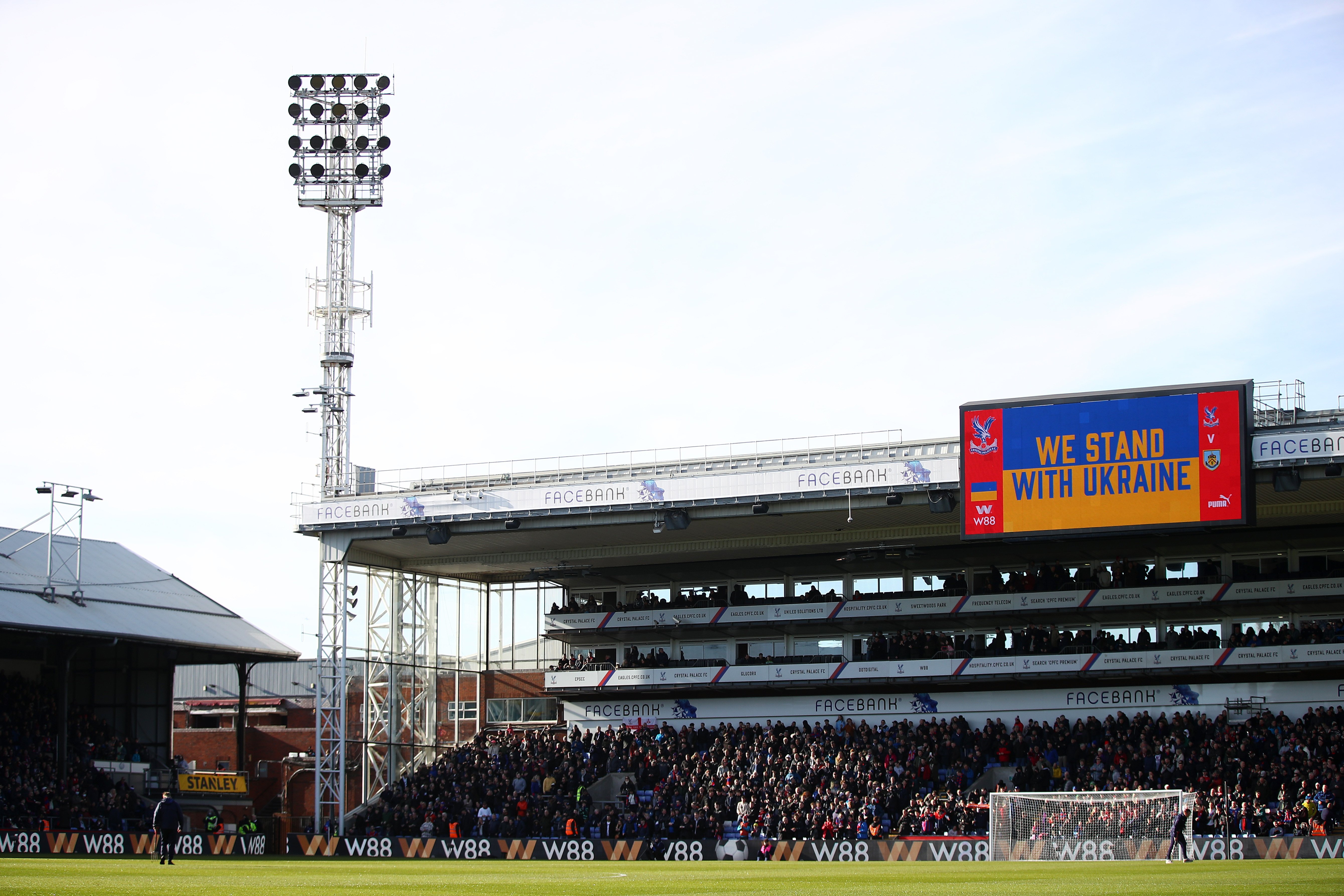
“Last week in Kraków, we saw a Crystal Palace flag that said Слава Україні (Glory to Ukraine) written on it, and another Crystal Palace fan shouted ‘fuck Putin, we love Ukraine’. It's those kinds of connections between both the home and away fans that add that evocative nature of the fact that there is solidarity with Ukraine,” Todos said. “Where else would you get something like that? Realistically, if it wasn't for sport, you probably wouldn't.”
Football under Russian aggression
In March 2022, less than two weeks after Russia’s full-scale invasion began, Shakhtar CEO Serhii Palkin wrote on Facebook that a youth coach from the club had been killed by a fragment of a Russian shell, according to Goal. Addressing the owners, executives, and players of Russian football clubs after the start of Russia’s full-scale invasion, he said:
In sports, fear is a feeling that reduces the probability of victory to zero. Your fear of going against the war in Ukraine has destroyed cities, your fear is thousands and thousands of deaths among civilians, your fear is dead children and maimed fates of millions. Your fear of going against the bloody regime is your greatest defeat.
Serhii Palkin
CEO Shakhtar Donetsk
Ukraine’s Minister of Sports, Matvii Bidnyi, says more than 650 Ukrainian athletes and coaches have been killed since the full-scale invasion, among them, around 100 footballers.
Since February 2022, Russia has been banned by FIFA and UEFA. Its teams can still play friendlies, but remain excluded from major international competitions, including the World Cup, European Championship, and youth tournaments. In 2026, football in Ukraine continues under conditions unlike anywhere else in Europe. Matches in the Ukrainian Premier League are routinely interrupted by air-raid sirens, with play paused mid-game as players and officials leave the pitch for shelter, sometimes multiple times in a single game.
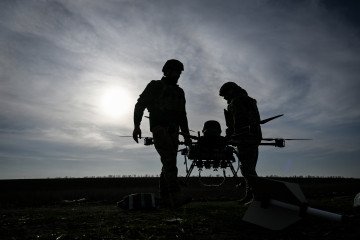
Fixtures can stretch hours beyond the standard 90 minutes, with long delays turning matches into endurance tests. Attendance remains limited by security protocols, while many clubs still play far from their true home grounds. It is a league where constant disruption is the daily reality, where the rhythm of the game can be dictated by the sirens and Russia's weapons.
Even as matches are interrupted, spectators still stand, not just for football, but for escape. It is, as Jaworskyj puts it, a chance for “90 minutes to avoid the difficulties of day-to-day life.”
“Every week, there's a soldier of various disabilities or with various experiences during war taking a commemorative kickoff before the game,” he says. “Every game there's a national anthem, and every game there is a minute's silence for these people. It is a chance to remember those who have been lost.”
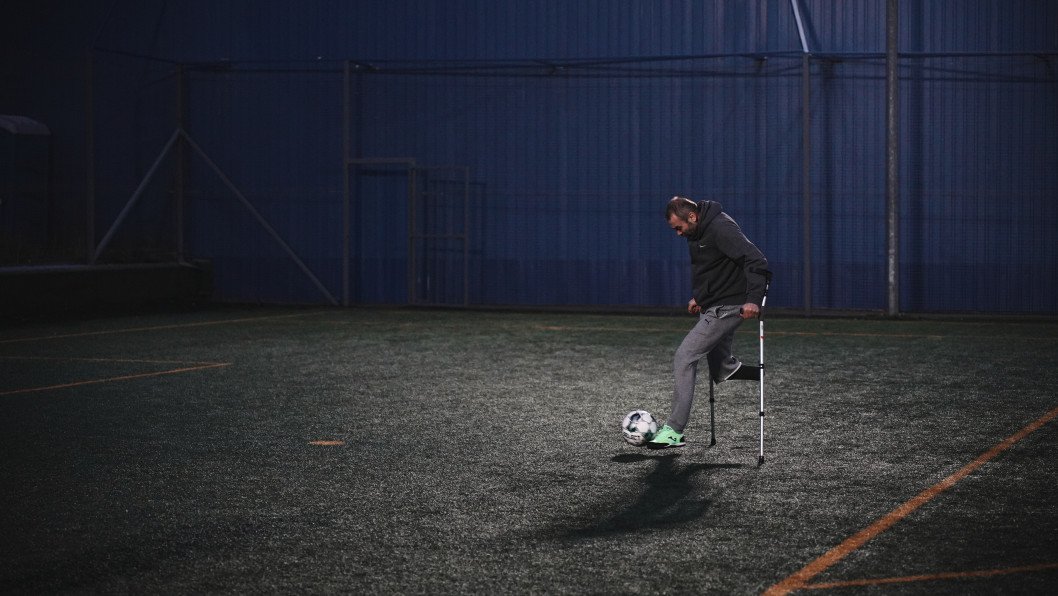
Todos and Jaworskyj hope UK audiences recognize the reality behind Shakhtar’s journey, a team competing not just as footballers, but as people affected by war. With their home in Donetsk lost, the club’s fanbase now spans the country.
Even getting to the game is a challenge.
After facing Crystal Palace in the first leg in Kraków on April 30, the team began the long journey back to Kyiv, crossing borders on buses, spending hours on the road. There, they defeated rivals Dynamo Kyiv on May 3, before setting off once again, retracing their route across Europe to London, this time, by train, bus, and plane. It is a relentless cycle that only a team without a home, competing in the midst of war, can truly understand.
Their journey of traveling across the country for any footballer is almost ridiculous, Todos says, adding that having “two days to recover and prepare for the biggest match of their season and careers, is extremely difficult.”
Shakhtar have been doing these routes all season. “It’s very tiring,” Todos says, “and a testament to Shakhtar.”
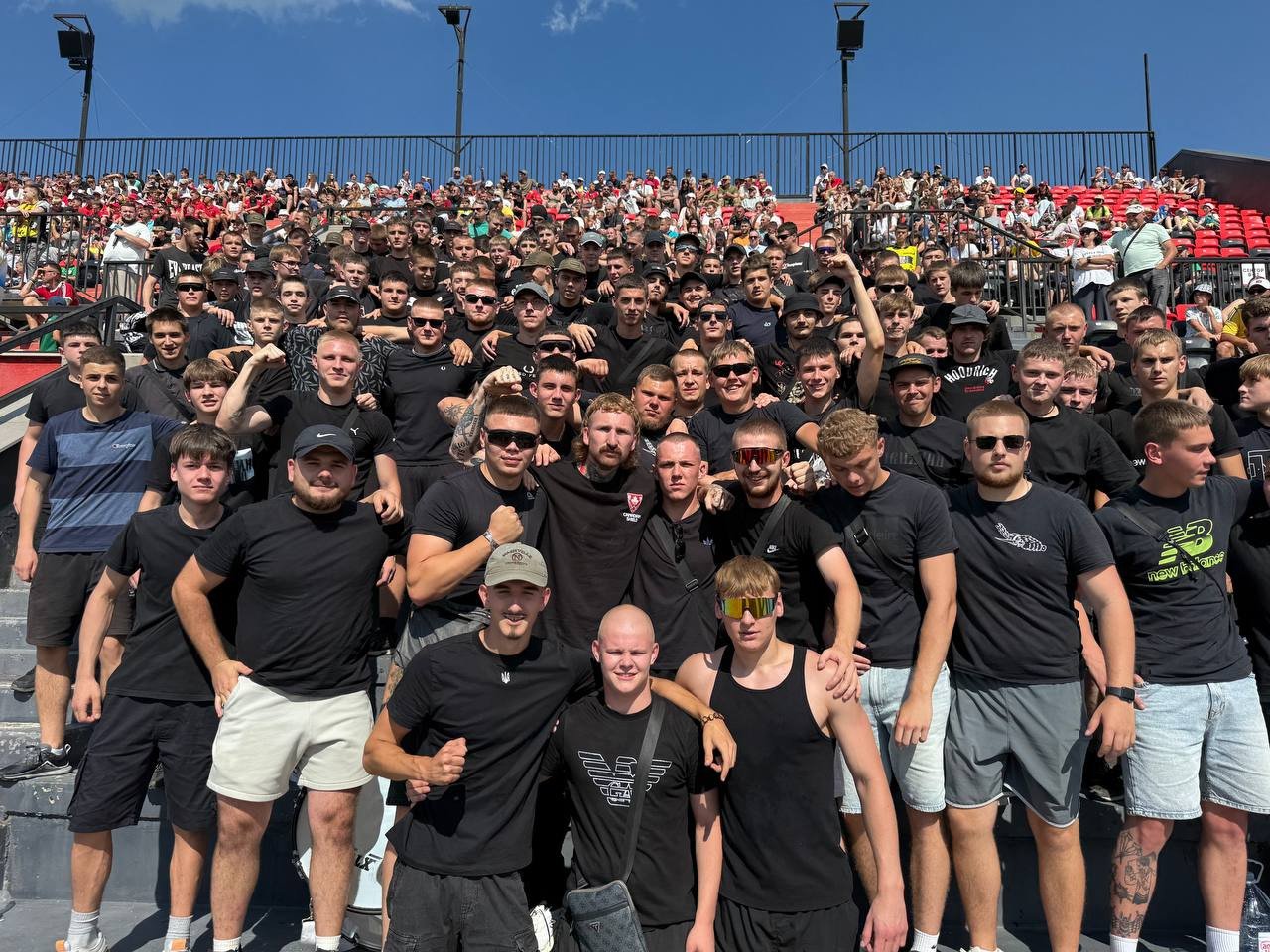
“Football is a community, it's playing together, it's a sense of normality, it's a break in the week,” he says. “People who probably didn’t like football before the war now have this connection to Ukraine through it.”
In stadiums across Europe, Ukrainians gather as one, singing, standing together, and finding “some sense of normality… some sense of connection to being at home,” Jaworskyj explained. Fans that were once divided are now united by circumstance. Todos says that wherever Shakhtar or another club plays, Ukrainians turn up, regardless of club allegiance.
With many unable to travel, including ultras who are “literally defending the front line,” Jaworskyj says the responsibility has shifted. “It’s almost like we at Gloryhuntas, and the diaspora have a responsibility to be that voice for them in the stands,” he says, stepping in for those who cannot be there.
Even amid war, football endures as something more than sport, a space for community, remembrance, and resilience. “What we do at Gloryhuntas is not just talk about ‘war, war, war,’” Todos says. “It’s about showing that Ukraine is still living.”
Discuss this article:
-457ad7ae19a951ebdca94e9b6bf6309d.png)


-4258f90da45ed571f27851d158610665.jpeg "Photo of Valeriya Ionan")