- Category
- War in Ukraine
How Russia Is Targeting Ukraine’s Food Chain, From Factories to Store Shelves

Russian strikes on Ukraine's food production and logistics are increasingly reaching supermarket shelves, where shortages have begun to surface. What began as attacks on distant warehouses is now registering at the checkout, in thinner produce aisles and in new limits on how much shoppers can buy.
 Prefer U24 Media on Google
- Authors

-111f0e5095e02c02446ffed57bfb0ab1.jpeg "Photo of Roman Kohanets")
The retail chain ATB, among Ukraine's largest supermarket networks, has introduced temporary purchase limits on several categories of goods. Customers can buy no more than six units or kilograms of groceries, eggs, and bulk products in a single transaction, the company reported on Facebook.
It attributed the limit to the fallout from Russian strikes and a surge in speculative buying, describing resellers who make wholesale purchases in stores and pile additional pressure on already-stretched logistics. ATB stressed that the restrictions are temporary and that it is doing everything possible to keep shelves supplied.
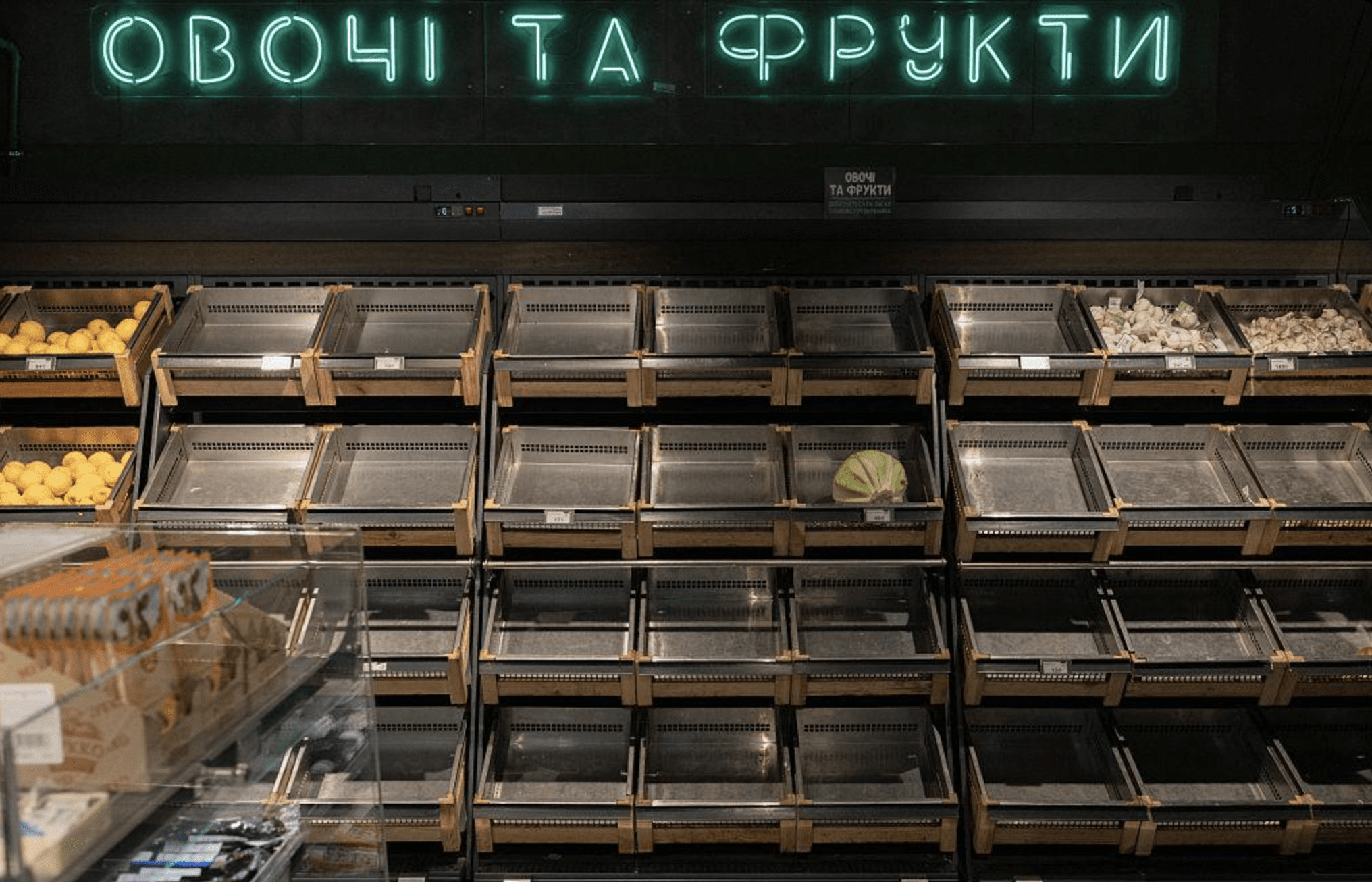
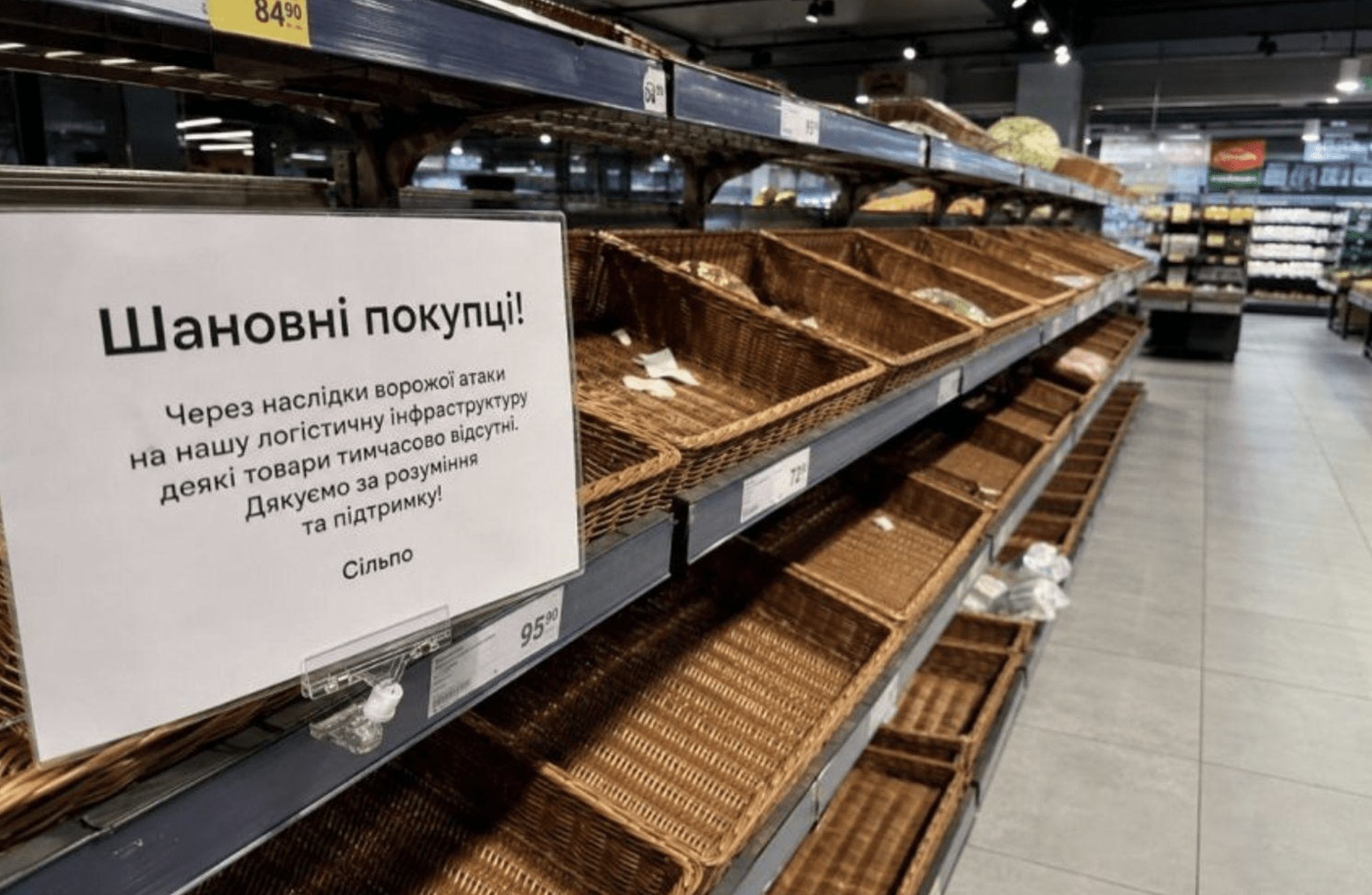
The squeeze is visible in Kyiv, where fresh fruit, vegetables, sugar and dairy have intermittently vanished from some supermarkets as strikes disrupt the depots that feed them.
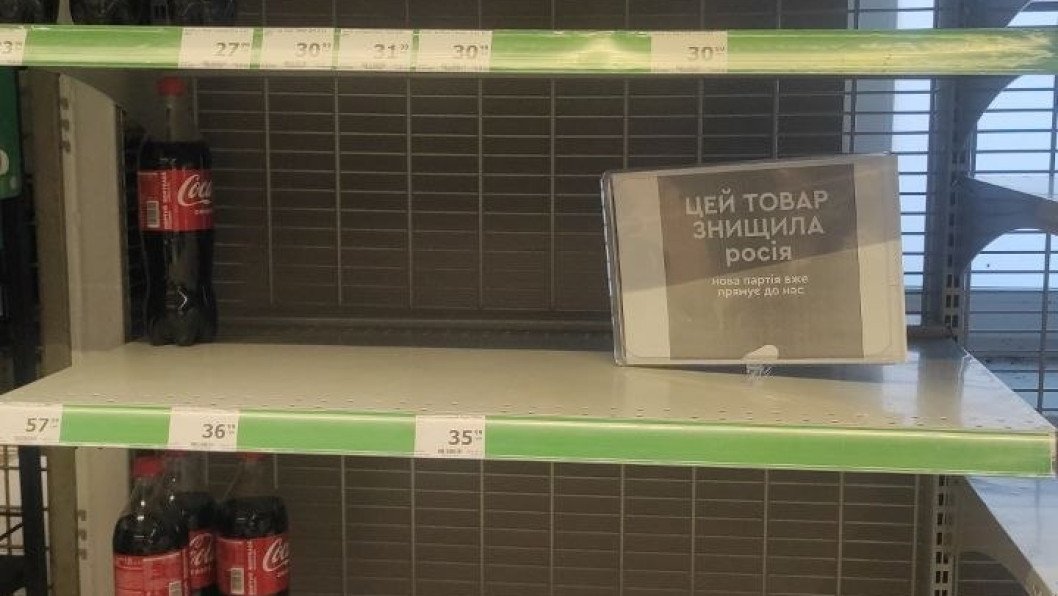
Ninety percent of food retail logistics is destroyed
The pressure on retailers follows weeks of intensifying attacks on warehousing and delivery infrastructure. Agriculture Minister Taras Vysotskyi, cited by Reuters, told reporters in Kyiv that roughly 90% of the food logistics run by retail chains had been wiped out.
"As of today, roughly speaking, 90% of food logistics operated by retail chains have been destroyed, but that doesn't mean Ukrainians will be left without food," Vysotskyi noted.
Both sides have stepped up strikes on economic targets in recent weeks, with Russia concentrating on warehouses tied to Ukraine's leading supermarkets, its top postal service and home-goods stores. The blows have rippled beyond food: a wave of attacks delayed trains across several regions and left passengers stranded, while Kyiv spent close to 15 hours under air-raid alert on a single day.
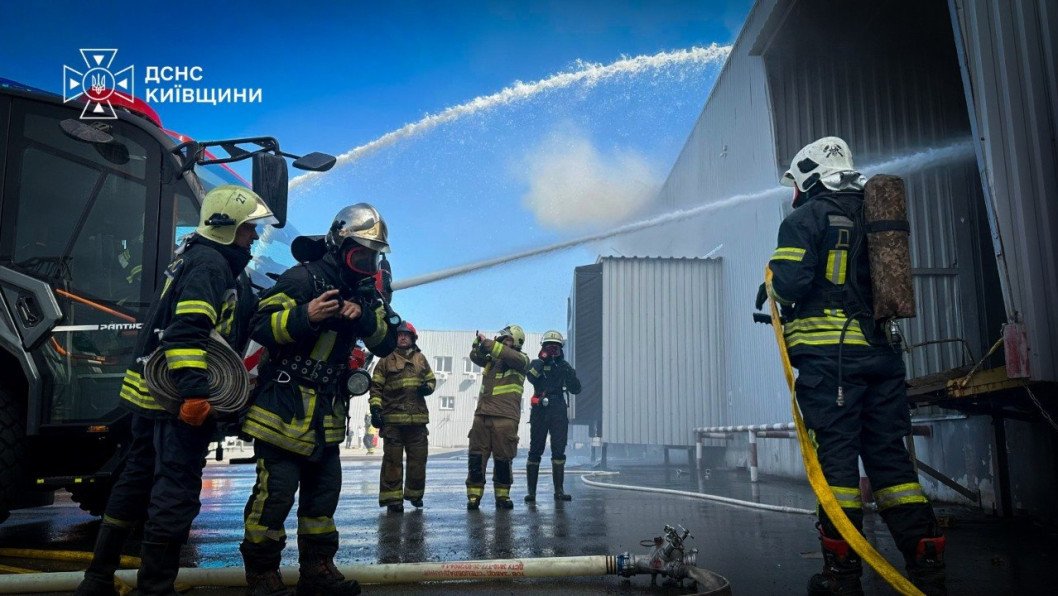
Food producers are hit directly
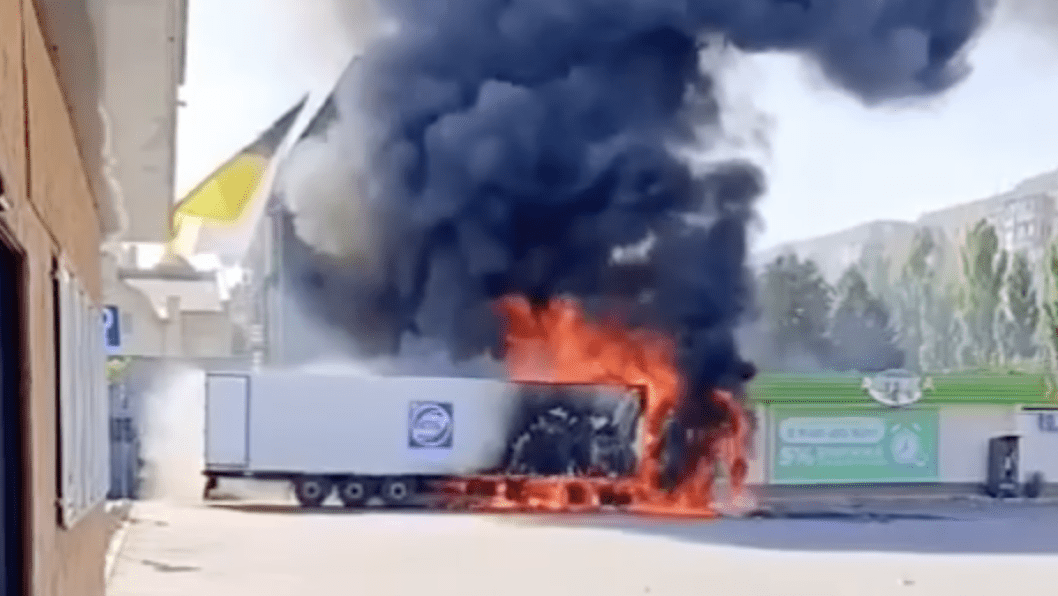
The strikes have repeatedly struck food producers themselves. In Dnipro, Mayor Borys Filatov reported on Telegram that a recent attack had damaged, for the second time in the full-scale war, an oil-extraction plant belonging to the US agribusiness Bunge, maker of the Oleina cooking-oil brand.
Filatov emphasized that the plant stands in the city center and that US Senator Richard Blumenthal had visited it shortly before the strike.
On September 8, a Russian drone hit a food plant operated by Euro Food Service in Bila Tserkva, south of Kyiv. The company stated on LinkedIn that its production and storage facilities had been significantly damaged and that manufacturing and shipments were halted. No staff were injured, and the firm indicated it was working to keep its products on store shelves while it assessed the destruction.
American-owned plants in the crosshairs
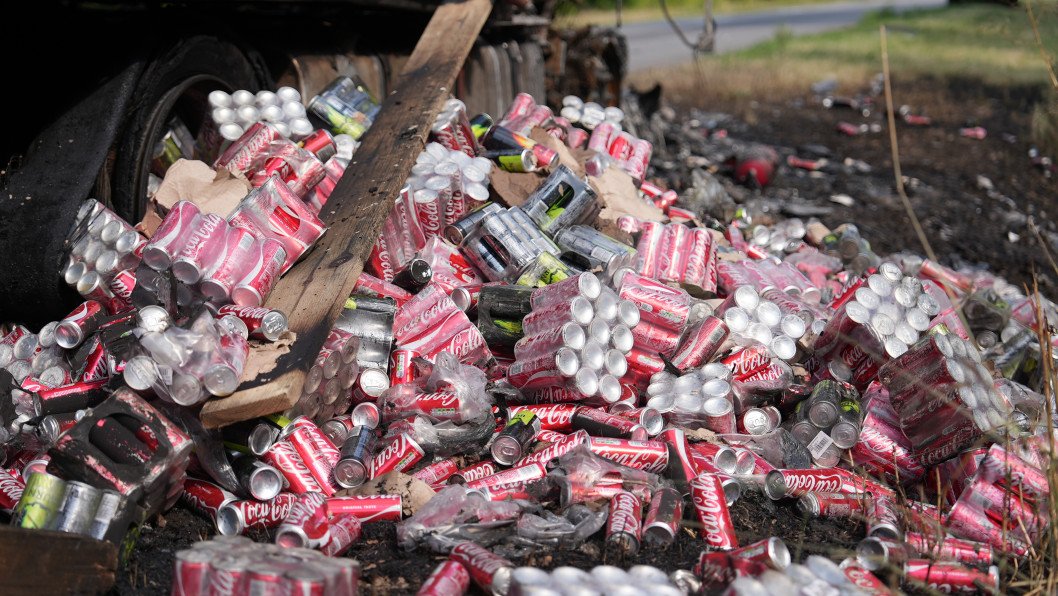
American-owned facilities have featured prominently in the campaign. On September 3, Russian drones set fire to a Coca-Cola plant outside Kyiv, near Brovary, an attack President Volodymyr Zelenskyy framed as a message to Washington.
"It's a clear Russian signal to America. The Russians cannot be unaware that this is an American facility," Zelenskyy declared in his nightly video address. The strikes on Bunge and Coca-Cola, together with the senator's earlier visit, have sharpened Ukrainian appeals for a firmer US response.
The disruption now reaches ordinary consumers. McDonald's reported on September 10 that frequent, prolonged air-raid alerts and delivery delays had forced some Ukrainian outlets to reduce their menus, with items to be restored as supply stabilizes.
Couriers, retailers and aid stockpiles
The wider wave has swept up couriers, retailers and humanitarian stockpiles alike. Reuters reported that recent strikes destroyed Nova Poshta sorting centers near Kyiv and in Sumy, wounded at least four people at an Epicenter home-improvement store in Zaporizhzhia, and gutted a warehouse shipping thousands of book titles a day.
A shopping center in Kharkiv was struck for the second time in two days, while drone attacks on the Kyiv region damaged more than a dozen warehouses and killed one person.
Interior Minister Ivan Vyhivskyi wrote on Telegram that 16 people had been killed across Ukraine in a single day of attacks. "They are hitting civilian businesses, food warehouses, hypermarkets, postal terminals, warehouses where books are stored," he added.
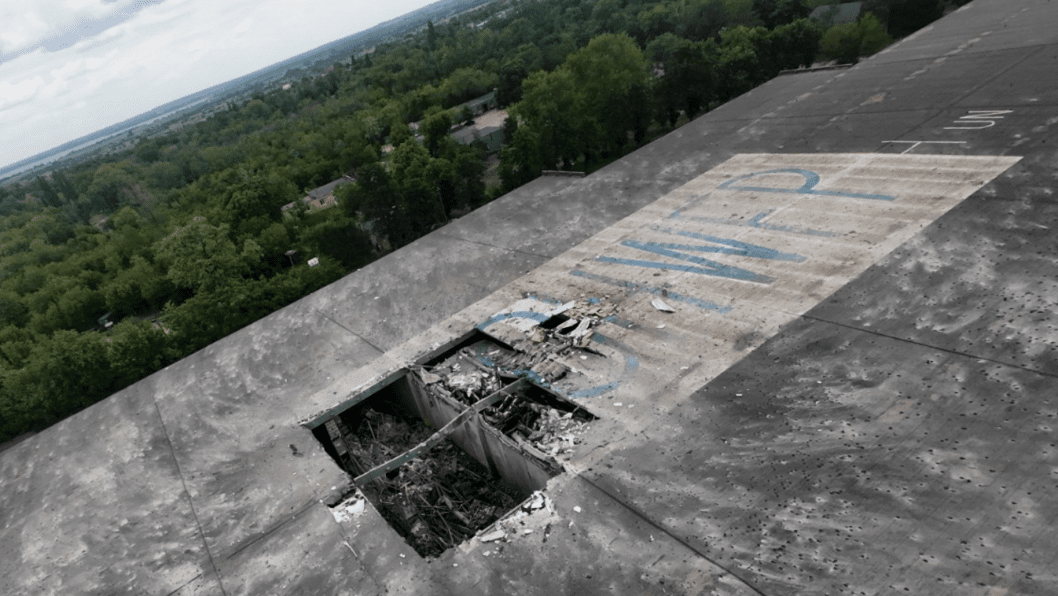
The World Health Organization (WHO), cited by Reuters, confirmed that one of its main medical-supply warehouses in the Kyiv region was struck overnight in early September.
Spokesperson Christian Lindmeier told reporters in Geneva that at least 20 attacks had hit warehouses storing humanitarian supplies during 2026, 15 of them holding health-related goods. An earlier August strike on a WHO depot in Dnipro destroyed half the supplies intended for an estimated 225,000 people in front-line areas.
A deliberate strategy, officials contend
Ukrainian officials have characterized the campaign as a deliberate effort to grind down daily life rather than a run of stray hits. Andriyy Kovalenko, who heads Ukraine's Center for Countering Disinformation, described waves of jet-powered drones aimed at paralyzing the capital and exhausting its defenders and residents.
"The aim—to wear down the air defenses and the population," he indicated. The choice of food depots, hypermarkets and postal terminals, in Vyhivskyi's account, points to civilian supply as the intended pressure point.
What shoppers are being told
Authorities are also advising residents to prepare for potential supply and utility disruptions. Kyiv has begun stockpiling essential food and drinking water ahead of possible prolonged winter blackouts, while maintaining emergency reserves for vulnerable residents and Points of Invincibility.
The city can currently provide hot meals for up to 25,000 people and plans to purchase another 20,000 emergency food kits as Russia continues targeting critical infrastructure.
Vysotskyi has urged households to keep a modest one-week food reserve while ruling out any need for month-long stockpiling, warning that wartime disruptions could recur. Even so, he maintained that goods that are interrupted on the shelf tend to reappear once logistics adapt.
Discuss this article:
-9a7b3a98ed5c506e0b77a6663f5727c5.png)

-c439b7bd9030ecf9d5a4287dc361ba31.jpg "Photo of Katherina Popilnichenko")