- Category
- War in Ukraine
“I Acted on Reflex”: Ukrainian Soldier Saves Civilians After Russian Drone Attack on a Train
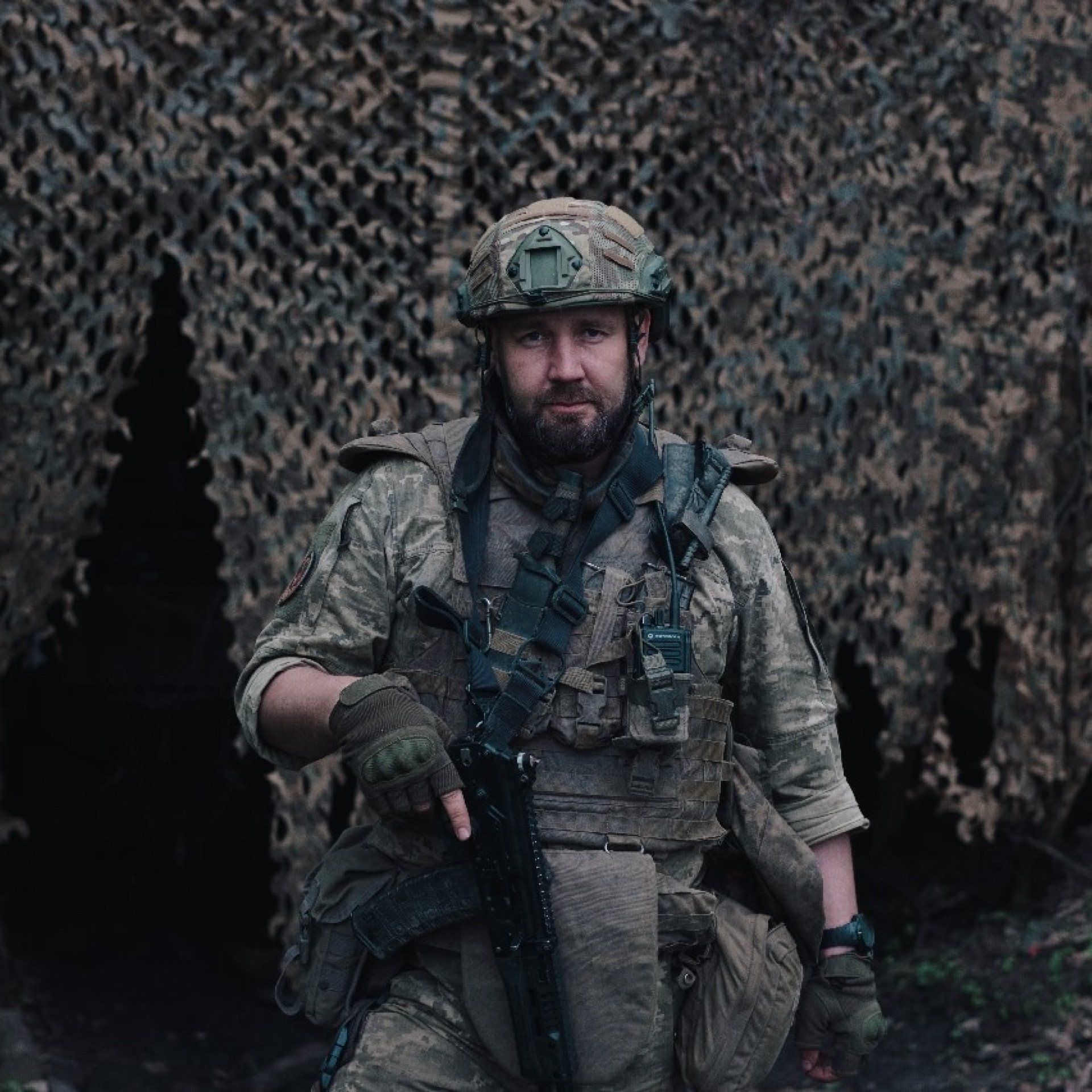
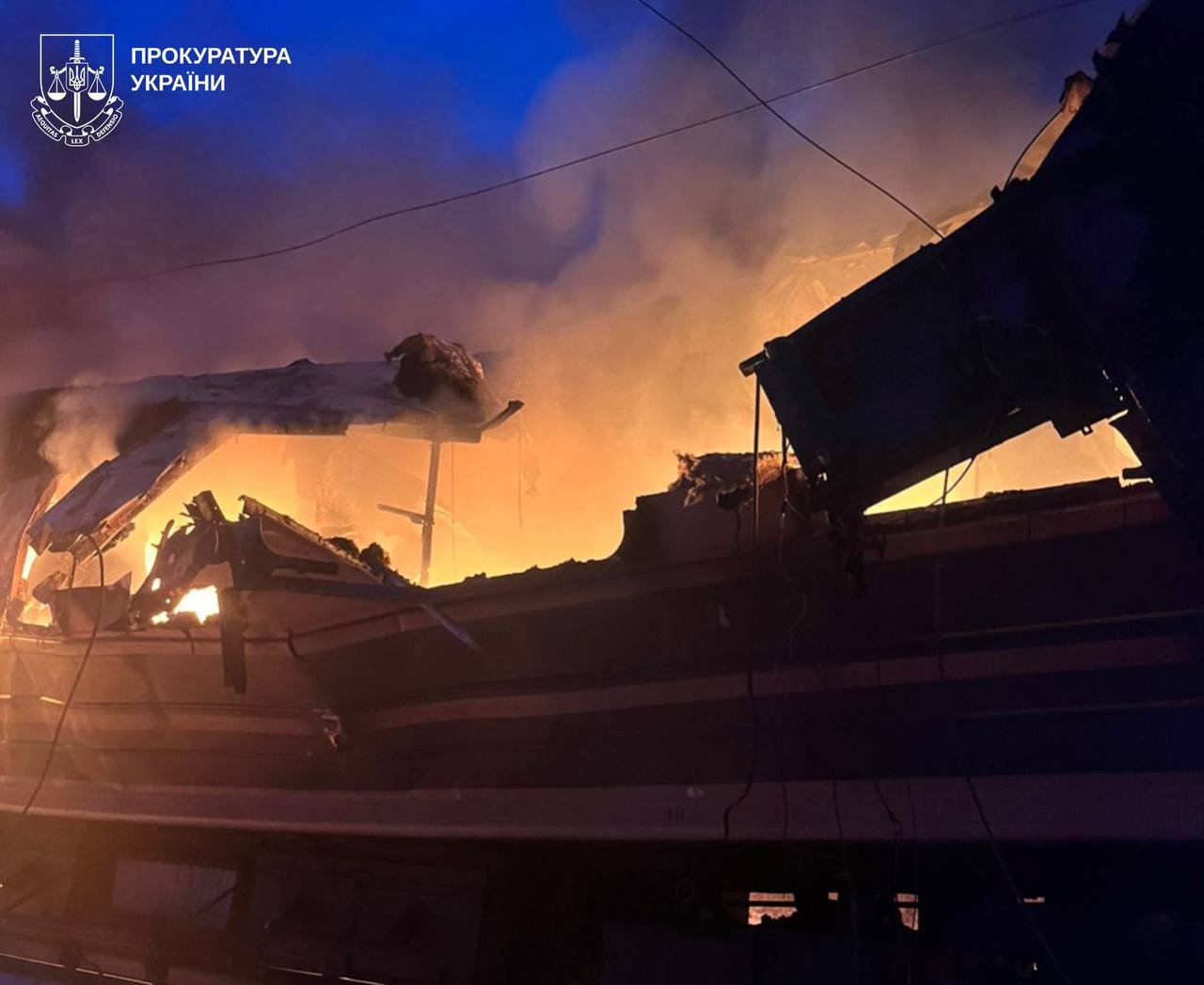
A Russian drone strike hit a passenger train in eastern Ukraine on January 27. One serviceman turned instinct into action, organizing the evacuation of civilians and saving lives.
 Prefer U24 Media on Google
- Authors


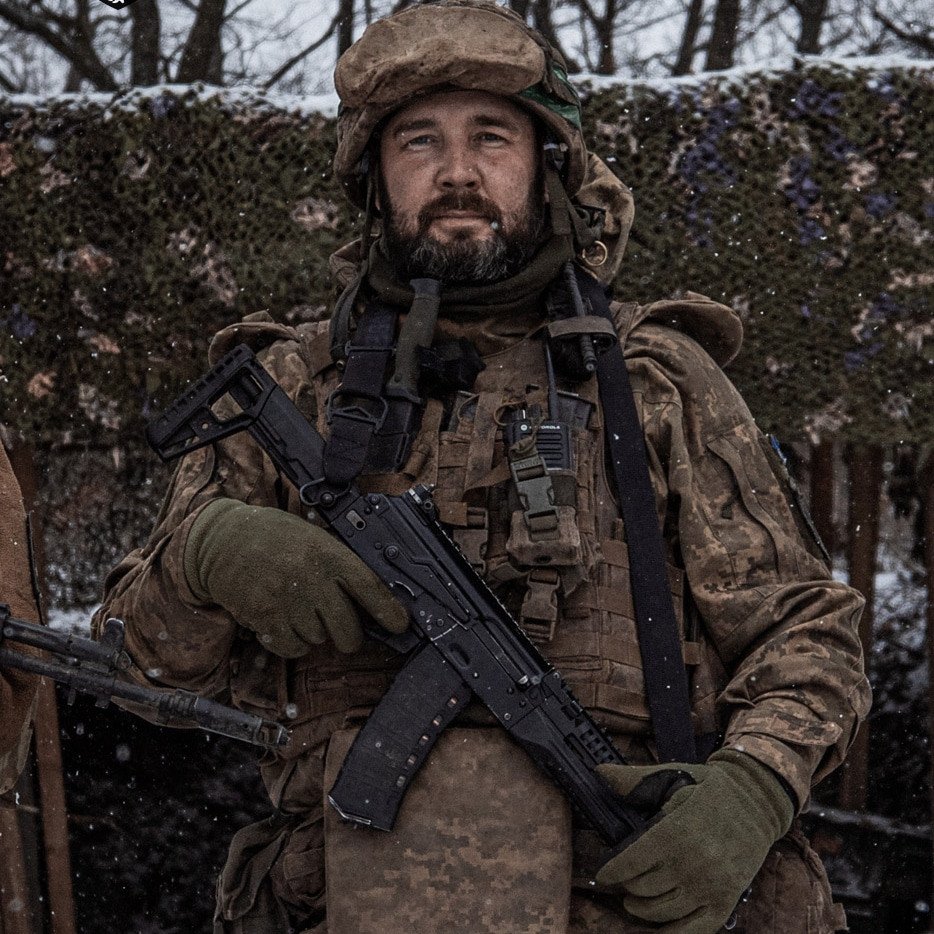
Omar, a Ukrainian soldier, was not supposed to be on the train that day. He decided to travel by rail at the last moment, and that decision would prove critical.
Until 2022, Omar, 39, a platoon commander of strike UAVs, worked at Kyiv City Hall. Immediately after Russia’s full-scale invasion, he saw a column of Russian armored vehicles through the window of his home in the Kyiv region. They saw him as well—and decided to shell the civilian building. Omar survived and saw firsthand how the Russians had come to “liberate” Ukrainians.
When he reached the city, he joined a volunteer military unit. Omar took part in the Battle of Kyiv and, after the Russians were defeated there, drove the troops back almost to the border. It was clear the war would continue, so he joined the 93rd Brigade and fought on various fronts.
Russia attacks a civilian train in the Kharkiv region
On January 27, 2026, he was traveling by train from Kyiv to Barvinkove in the Kharkiv region. He ended up on the train by chance—his car had broken down.
“I left my car at the service station and took the train,” says Omar. “I didn’t want to pull my fellow soldiers away or take another vehicle. Right now, there’s very active resistance against the enemy in our sector.”
Omar says most of the train's passengers were elderly men and women. There were also several young women traveling east to see their husbands or boyfriends who are serving. There were a few servicemen recovering from injuries—they asked Omar to help with their suitcases so their surgical stitches wouldn’t come apart.
As the train approached its final station, the first explosion rang out.
“It was extremely powerful,” says Omar. “I immediately realized it wasn’t some kind of car separation or anything like that—it was a serious explosion. The neighboring car. While I was coming to my senses, a second Shahed arrived very soon. It became clear it might not be the last. From there, I acted intuitively, on reflex.”
Leading the evacuation
Omar jumped out of the compartment and began shouting to people that they had to leave the train because there could be more strikes. He started organizing the evacuation—ordering everyone to run immediately to the nearest tree line, because the Russians could be tracking movement along the railway.
“What helped was that I knew the area fairly well,” says Omar. “In 2022, our brigade was advancing in these exact places; I had been here many times and remembered the location well. We know who we’re fighting, so it was important to disperse so the Russians wouldn’t strike with a drone at people who had fled the train. I told two men who were in the car to move toward the nearby highway, stop vehicles, and transport everyone to the nearest city.”
The Russians struck the passenger train with guided Shahed drones—meaning they could see exactly where they were aiming and deliberately targeted civilians.
After Omar led everyone out and sent them to a safer place, he decided to return and check the car himself.
“That’s the right thing to do; it’s the military way—to make sure. Someone might not be able to move on their own, someone might be concussed.”
Inside the train, he saw a deceased person who could no longer be helped. In total, at least five people were killed in the attack. About 20 passengers were in that car, and nearly 300 were on the train overall.
Discuss this article:
-6c7b568bf1f65853b7afd9dc1c3ca1fe.jpeg)

No one left behind
When Omar returned to the train, it turned out that a young woman with an infant had remained in one of the compartments.
“The explosion was very close; even soldiers who have experienced this would be shaken. And imagine a civilian with a child, with double tempered glass blown out around her—that’s how powerful the blast was. I talked to her a bit, calmed her down. She said, ‘I have a little boy; my husband is waiting for me.’ I carefully led her out of the car.”
Air defense fire could be heard all around. A third Shahed struck near the train. The people Omar had led out dispersed in the tree line or cautiously moved under the cover of trees toward the highway.
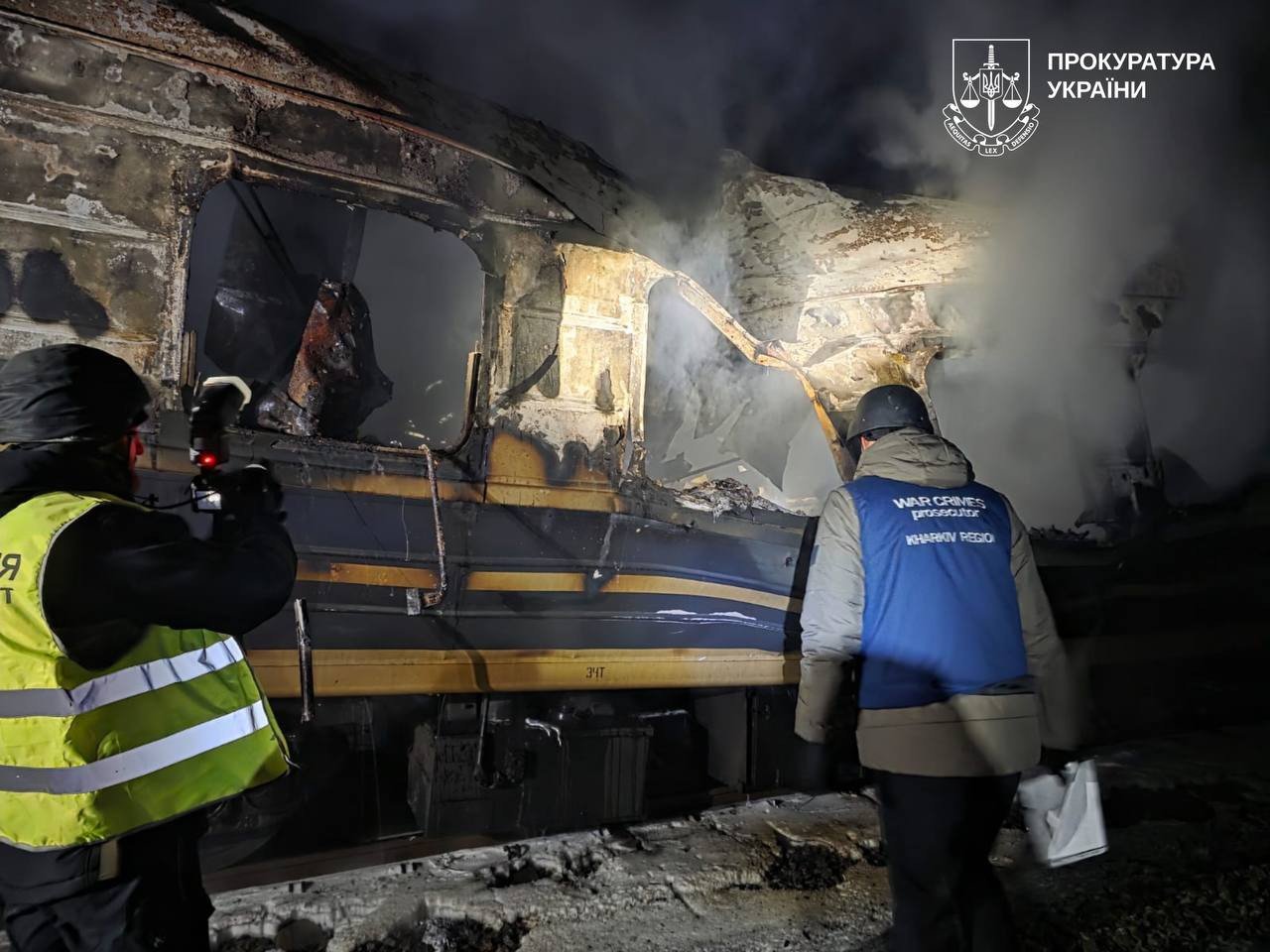
“They simply trusted the serviceman; no one argued, and there was virtually no panic. The conductors also helped very efficiently. So everything went as quickly and cohesively as possible.”
“A real terrorist attack”
That day, Russian forces attacked the Kharkiv region’s railway infrastructure with 15–20 Shahed drones—not only the train Omar was on, but also diesel locomotives at the station, he says.
“This was definitely planned,” says Omar. “For the strike on the train, the Russians deliberately chose an area without access for evacuation, where vehicles can’t reach. It’s essentially a dead end, and getting from the railway to the highway is very difficult. So all of this was a real terrorist attack.”

-c439b7bd9030ecf9d5a4287dc361ba31.jpg "Photo of Katherina Popilnichenko")


-72b63a4e0c8c475ad81fe3eed3f63729.jpeg "Photo of Cyril Barabaltchouk")