- Category
- War in Ukraine
“One Beer Less” for Europeans, “Cost of a Life” for Ukraine: Latvian PM Pushes More Aid and Russian Grain Ban
 Prefer U24 Media on Google
- Authors

-72b63a4e0c8c475ad81fe3eed3f63729.jpeg "Photo of Cyril Barabaltchouk")
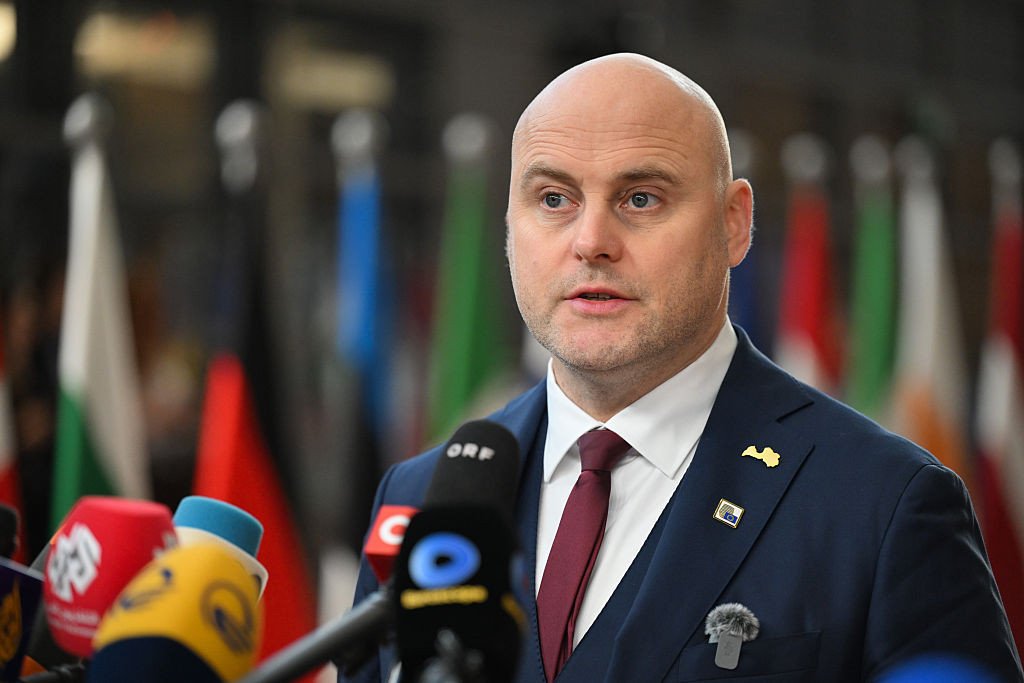
Latvian Prime Minister Andris Kulbergs has called on the European Union to impose a joint ban on Russian grain transit through the Baltic states, arguing that Moscow continues earning export revenue while Russian attacks restrict Ukraine’s agricultural trade, Suspilne reported on October 15.
Kulbergs made the appeal before an EU summit in Brussels, where he argued that Russian grain exports through Baltic countries create unequal economic conditions for Ukraine.
We bring you stories from the ground. Your support keeps our team in the field.
“Russia benefits from the transit of grain through the Baltic states. This creates enormous pressure, and it should not be this way,” Kulbergs told journalists.
According to Suspilne, Latvia and the other Baltic states want the issue addressed at the EU level rather than through separate national restrictions.
Kulbergs linked the proposed ban to broader efforts to support Ukraine’s economy ahead of winter. Russian attacks on Ukrainian Black Sea ports and shipping continue to limit Kyiv’s ability to generate revenue from agricultural exports, while Russian producers retain access to transit routes through the EU.
“This is a crucial winter for Ukraine, and if Ukraine remains strong, then Europe remains strong,” Kulbergs stated. “If it is not strong, we have a huge problem.”
-51cec302c5cc2357376be73c961c99d5.png)
The Latvian prime minister also called on European governments to accept the financial cost of continued support for Ukraine, arguing that the burden remains manageable for EU citizens.
“This is one beer less for one European per year. We can afford it. Ukraine needs it now,” Kulbergs told Suspilne. “For us, that beer is simply a cost. There, it is the cost of a life.”
Kulbergs urged EU governments to focus on Europe’s long-term security and ensure Ukraine receives sufficient financial support as Russia continues its war.
Latvia had already moved to tighten scrutiny of grain shipments linked to Russia. In September, parliament introduced mandatory border checks on third-country grain cargoes to help identify agricultural products stolen from occupied Ukrainian territories and transported under forged Russian documents.
Discuss this article:


-605be766de04ba3d21b67fb76a76786a.jpg "Joseph Place")