- Category
- World
Russia Could Test NATO Regardless of How War in Ukraine Ends, Estonian Defense Minister Says
 Prefer U24 Media on Google
- Authors


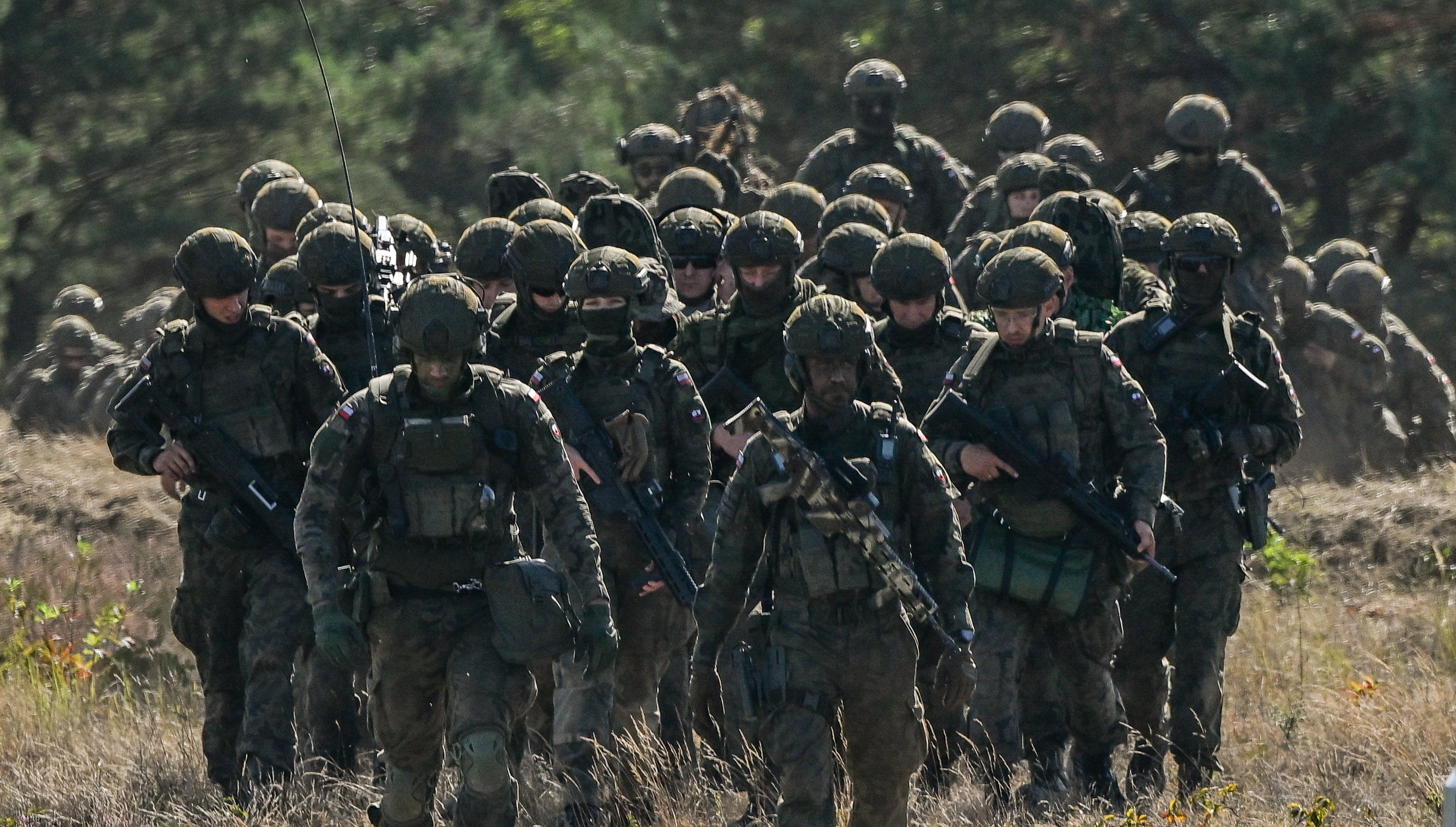
Russia is likely to test the security of a NATO member state regardless of how its war against Ukraine ends, Estonian Defense Minister Martin Herem warned, suggesting that Moscow could seek to undermine the Alliance by exploiting divisions between its members.
In an interview with European Pravda published on October 13, Herem said Russia would begin strengthening its military capabilities as soon as the war in Ukraine came to an end, potentially creating conditions for further aggression against European countries.
We bring you stories from the ground. Your support keeps our team in the field.
According to the Estonian defense minister, the threat would persist regardless of whether Ukraine successfully liberated its occupied territories or the conflict ended with a freeze in hostilities.
“If I take into account the attitude of the Russian state [towards its neighbours], and if I look at what they are producing right now for military purposes, then I think when they stop here [in Ukraine]—it doesn't matter how, whether you kick them out beyond the border, or the war is frozen. And given their attitude, they will definitely test somebody,” Herem said.
While acknowledging the possibility of Russian aggression against Estonia, Herem emphasized that Moscow could choose another country, including neighboring Latvia, as its next target.
-345aee9b57d3b345605d3f95fe51cbf3.jpg)
He argued that Russia's primary objective would not necessarily be territorial occupation but rather the expansion of its political influence through actions designed to weaken trust within targeted countries and among NATO allies.
“Whether their first attack will be against Estonia, I'm not sure. It could be Latvia or somewhere else. What they want to achieve is influence. They need power… They need to harm us and make us distrust each other, both in Estonia and among the Allies.,” he explained.
Herem suggested that Russia could deliberately provoke a confrontation with NATO to undermine the Alliance's unity, potentially conducting operations either below the threshold for invoking Article 5 or through actions that trigger the collective defense provision.
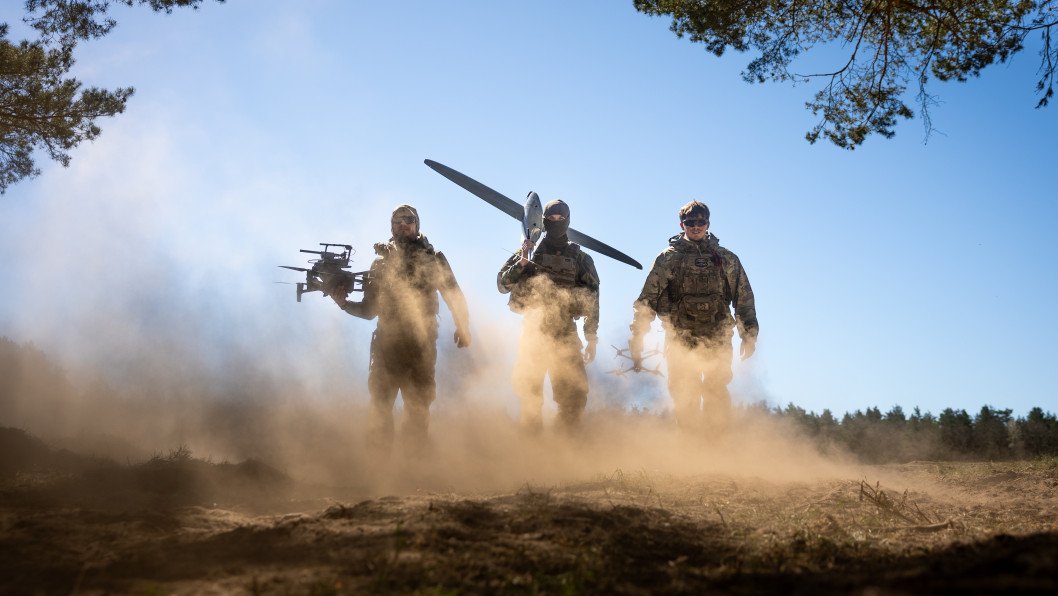
He also warned that Russia could exploit divisions within NATO even if the Alliance successfully defended itself under Article 5. He argued that a costly military victory could trigger criticism among member states over their failure to prevent the conflict, allowing Moscow to propose a return to normal relations and gradually expand its influence over the Alliance.
Asked whether future Russian attacks could be prevented, Herem expressed skepticism about the effectiveness of deterrence alone, arguing that NATO countries must prioritize military preparedness.
“I'm not sure if we can deter the mad person. But what we have to do is to prepare. And that's the only thing. We have to prepare very seriously [for an attack] and if we do that, we may prevent it. We have to be ready,” the minister stated.
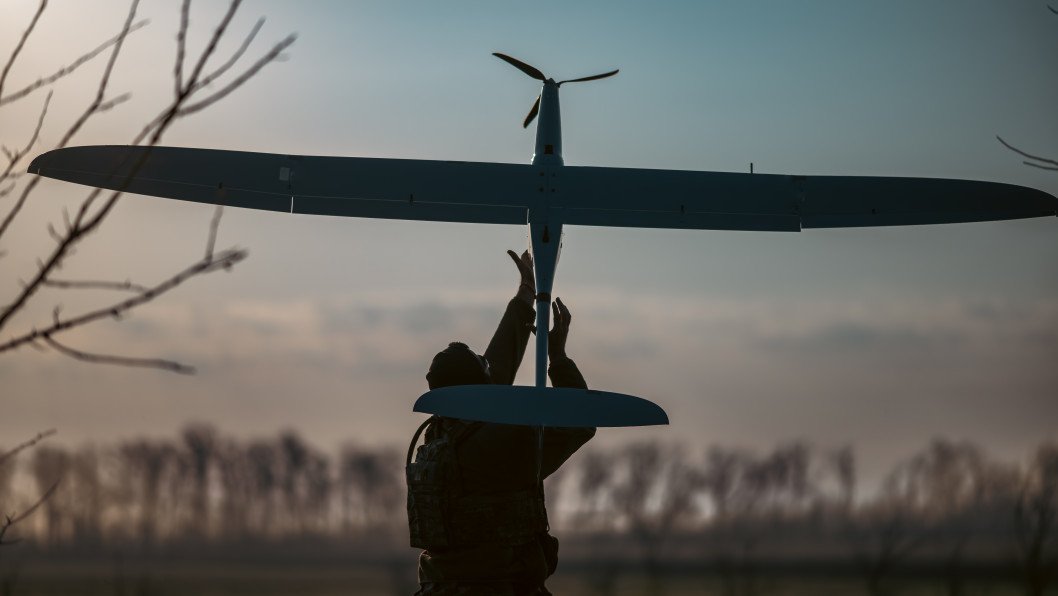
Herem's warning comes as NATO continues developing its military strategy to counter a potential Russian attack, drawing on lessons from Ukraine's experience defending against Moscow's invasion.
According to The Wall Street Journal on October 12, NATO's Supreme Allied Commander Europe, General Alexus Grynkewich, presented a new defense strategy known as the “Theory of Victory” during the Warsaw Security Forum. Its classified version had been finalized three months earlier.
The strategy focuses on stopping an initial Russian offensive, preventing further advances, and systematically weakening attacking forces. Drawing on Ukraine's battlefield experience, it also emphasizes what Grynkewich called “affordable mass,” prioritizing relatively inexpensive drones to complement NATO's advanced weapons systems and strengthen the Alliance's defensive capabilities.
Discuss this article:


-206008aed5f329e86c52788e3e423f23.jpg "Photo of Oleksandr Moiseienko")


-c439b7bd9030ecf9d5a4287dc361ba31.jpg "Photo of Katherina Popilnichenko")