- Category
- World
Poland’s Nawrocki at NATO: Russia Could Use Military Against Central and Eastern Europe
 Prefer U24 Media on Google
- Authors


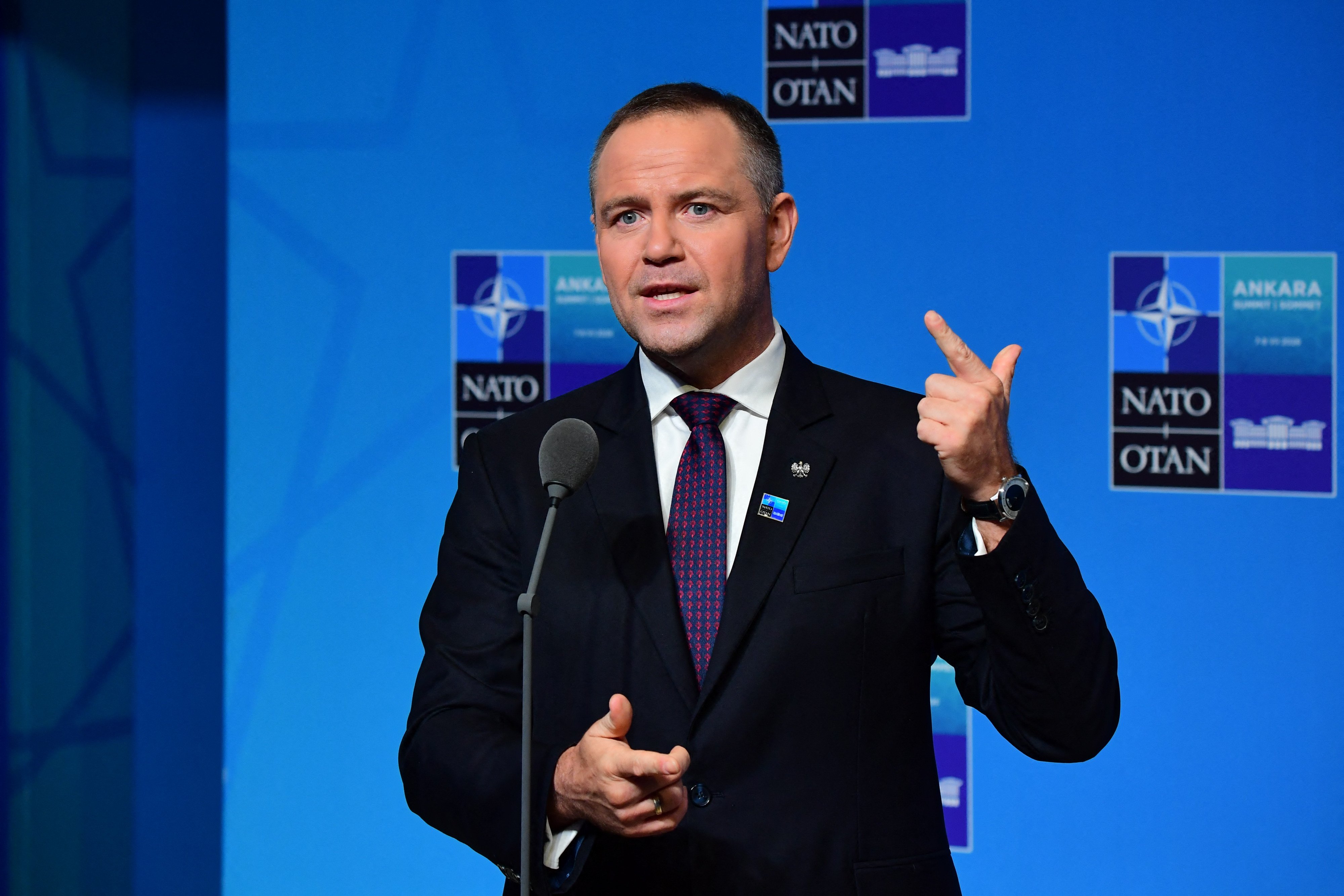
Russia remains the principal security threat to Central and Eastern Europe and could use its military against countries in the region, Polish President Karol Nawrocki said ahead of the 2026 NATO Summit in Ankara, according to UNITED24 Media correspondent on July 8.
Speaking to journalists, Nawrocki said Poland and its allies must continue strengthening their defense capabilities in response to the risks posed by Moscow.
We bring you stories from the ground. Your support keeps our team in the field.
“It’s always possible that [Rissian leader] Vladimir Putin will use the military corps of the Russian Federation against countries in East Central Europe,” Nawrocki said.
The Polish president stressed that Warsaw is working to reinforce both its national defense and NATO's collective security framework.
“We try to solidify not only in NATO, but also in Poland to build a strong Polish military service and we are here to solidify each other and recognize the main threat of the Russian Federation,” he said.
-d27fb003db75dc63b6ed68cb0d9937bf.jpg)
Nawrocki's remarks come amid reports that Russia may be preparing an armed provocation on Polish territory intended to test NATO's unity and weaken Western support for Ukraine, according to The Telegraph, citing Polish outlet Onet and sources familiar with the matter.
The scenarios include missile or drone strikes against critical infrastructure in Poland, including energy facilities, as well as limited cross-border incursions by Russian personnel into NATO territory. Polish security officials told the outlet they have not ruled out the possibility of Russian or Belarusian troops deliberately crossing the border in an incident that Moscow could later describe as accidental.
-1878bbb9756a82e446b7fc4936c7eb36.jpg)
Ahead of the summit, the leaders of Estonia and Latvia likewise warned that Russia remains NATO's most immediate security challenge, arguing that the Alliance must reinforce its eastern flank while sustaining long-term military support for Ukraine.
Speaking to reporters before the summit on July 8, Estonian Prime Minister Kristen Michal said NATO must continue reinforcing its eastern defenses in response to the threat posed by Russia.
“NATO needs strong forward defense against Russia. Russia is a credible and acute threat to everybody,” Michal said.
The prime minister also urged Allies to establish concrete objectives for continued assistance to Ukraine, arguing that Ukraine's fight directly contributes to the security of Europe and the broader transatlantic alliance.
-b275cabd7aa8b8e67b0305a0b94bb4f0.jpg)
“We should mention concrete goals in helping Ukraine. Because for us—for Europe, for NATO—Ukraine is fighting for us, for a rule-based world and for freedom. Their blood is spilled for us also,” he said.
Meanwhile, Latvian President Edgars Rinkēvičs stressed that continued military support for Kyiv remains essential to the security of NATO, particularly for countries on the Alliance's eastern flank.
“I think it’s important that we continue to support Ukraine. If Ukraine wins, we are all safer. If Ukraine has issues, the whole NATO—and especially my region, the Baltic region—is not so safe,” Rinkēvičs said.
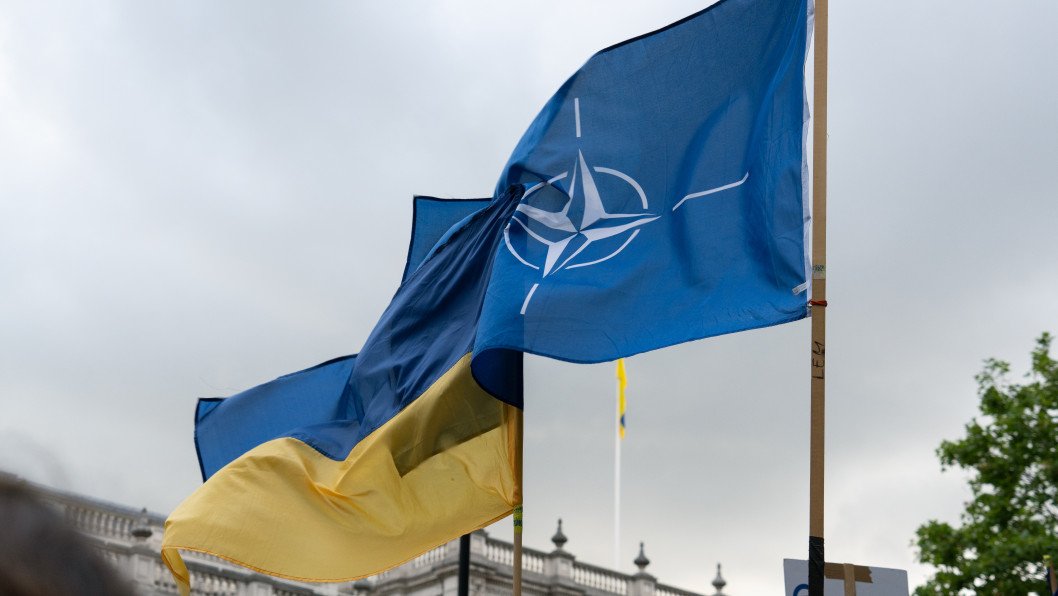
The president also warned against allowing Russian threats to undermine Allied unity, saying Moscow seeks to intimidate NATO members.
“What I’m noticing is that Russia loves that we are scared,” he said. “So what’s important when we speak of any kind of threat against the Eastern Flank, we also need to say that NATO is going to stand behind. And if they say that there’s going to be an attack, we also need to say that we will fight.”
NATO Secretary General Mark Rutte echoed those warnings, delivering a direct message to Russian leader Vladimir Putin and reaffirming the Alliance's collective defense commitments.
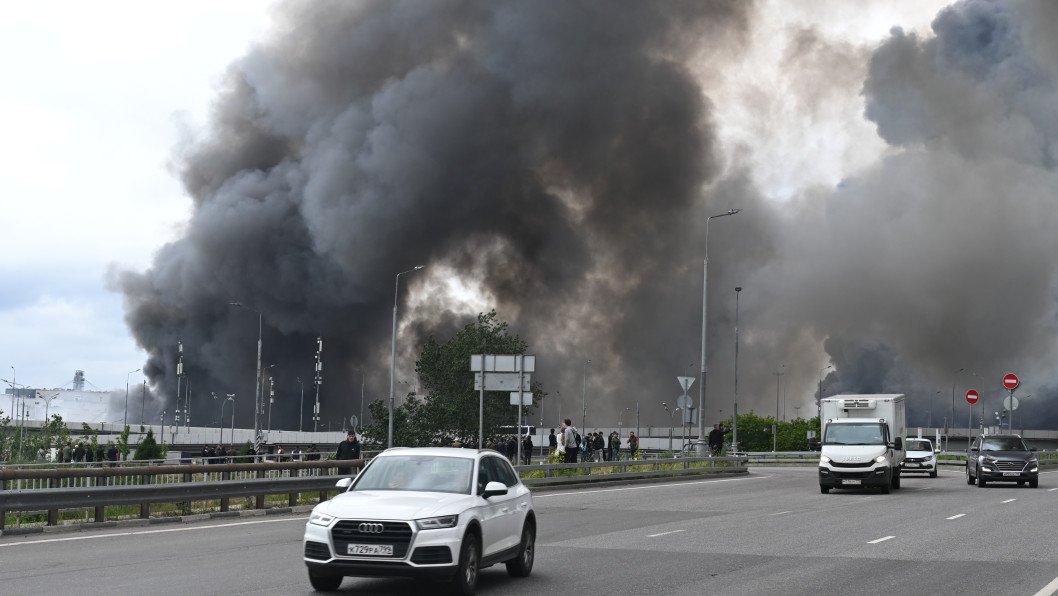
“My message is that this Alliance of 1 billion people, living in Europe, living in Canada, living in the United States, this Alliance will defend every inch of our territory, that you cannot win from NATO,” Rutte said.
He emphasized that NATO remains a defensive alliance.
“We are defensive, we will never attack anyone, we will only defend our way of life, our democracies, our territories. So don’t play with us,” Rutte added.
On July 6, NATO Secretary General announced that European NATO allies and Canada have already increased their defense and security spending to roughly 4% of GDP, only a year after agreeing on a decade-long roadmap toward the Alliance's new 5% target.
Discuss this article:
-4a56a6b482ec132402c16ef6fcabf9a2.png)


-c439b7bd9030ecf9d5a4287dc361ba31.jpg "Photo of Katherina Popilnichenko")

-72b63a4e0c8c475ad81fe3eed3f63729.jpeg "Photo of Cyril Barabaltchouk")