- Category
- War in Ukraine
Russia Attacked Privoz — One of Odesa’s Most Iconic Markets and a Cultural Landmark of the City
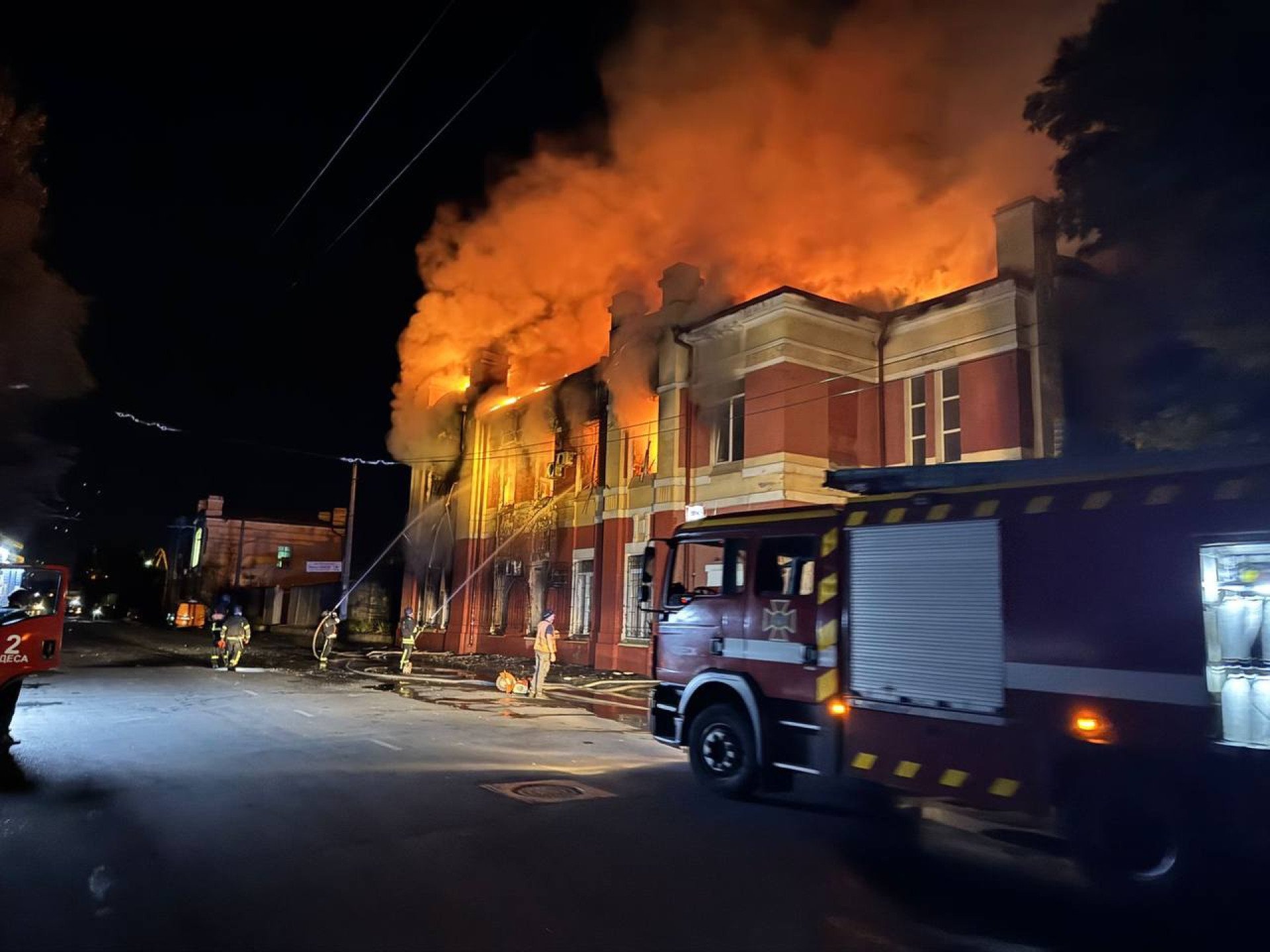
The Russian army has once again shelled the city of Odesa, located on the Black Sea coast. This time, one of the city’s most recognizable symbols came under attack — Privoz Market, one of the two most famous markets in Odesa, with a history stretching back nearly 200 years.
 Prefer U24 Media on Google
- Authors

-29a1a43aba23f9bb779a1ac8b98d2121.jpeg "Photo of Illia Kabachynskyi")
Following a massive missile strike on July 23, a fire broke out at Privoz Market. The blaze caused significant damage to the market's commercial spaces — and even greater losses in terms of cultural heritage. Privoz is often described as a place of power for the city, a must-visit location for anyone coming to Odesa. For locals, shopping there is a weekly ritual; for tourists, it’s part of the experience — stopping by Privoz for fresh fruit during a seaside holiday.
Privoz Market has a long and storied history. Although official records mark its founding in 1827, locals insist that trade began here much earlier — as far back as 1797. That’s when farmers reportedly began bringing their goods to sell directly under the open sky, from wooden crates. Locals would come to buy fresh vegetables, fish, and meat. That’s where the market gets its name — “Privoz” literally refers to goods being “brought in.”
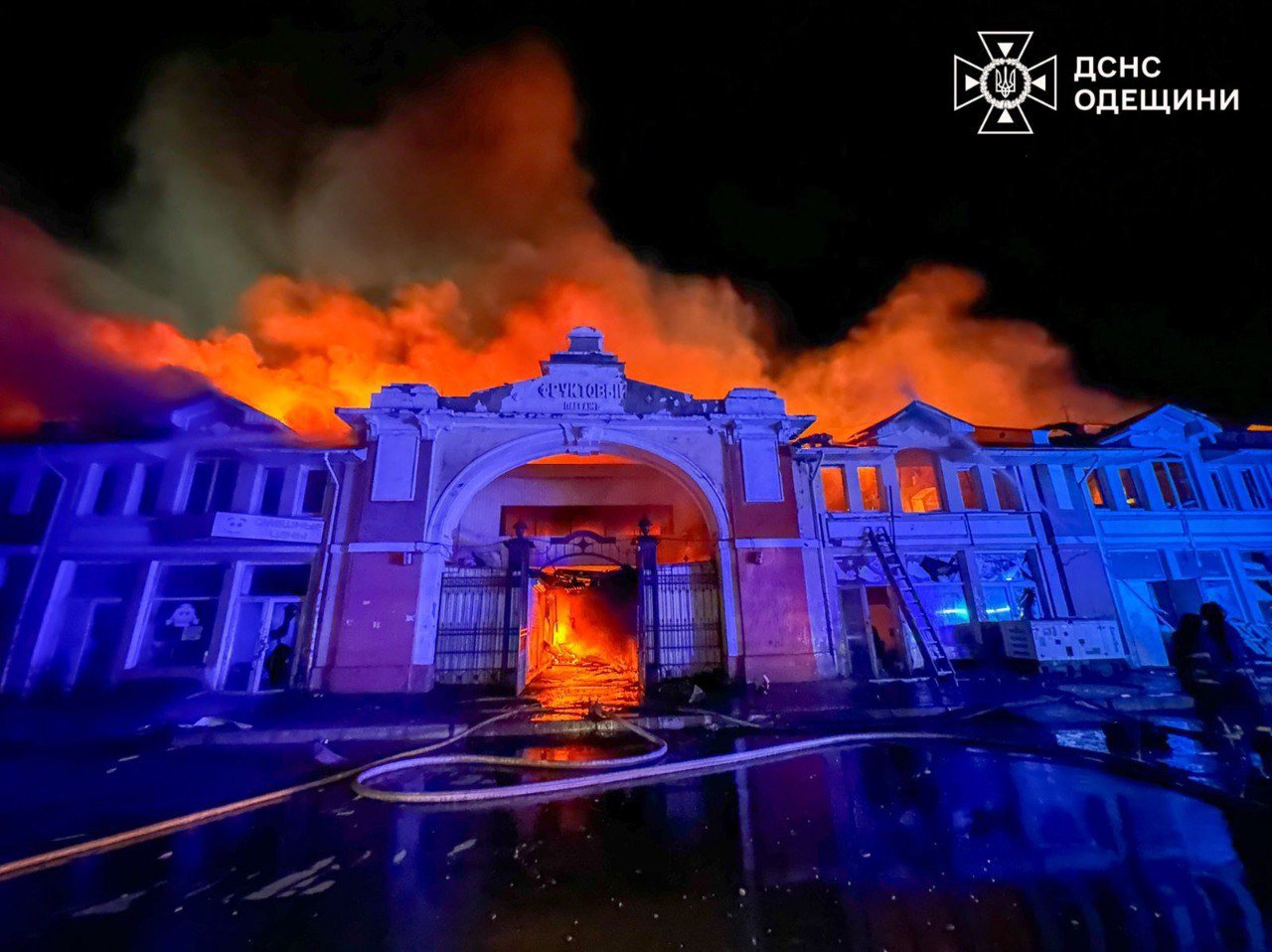
By the 19th century, the chaotic open-air trade had become more organized. Since Odesa was built by Europeans, the establishment of proper market rows was inevitable. Wooden crates were replaced by counters, and commerce took on a more structured format. Over time, the market saw repeated upgrades — including the construction of indoor pavilions.
Privoz gained a unique character, attracting vendors from across Ukraine and large crowds of customers. Languages, dialects, and accents mingled. Sellers often competed fiercely for buyers’ attention. This atmosphere is said to have given rise to Odesa’s famous tradition of haggling — bargaining down prices — and its signature local speech: a lively mishmash where everyone spoke in their own way. Some even joke that Privoz has its own brand of humor.
Interestingly, even communist Moscow failed to erase Privoz. After the 1917 revolution, Soviet authorities tried to rename it the “October Market” in typical ideological fashion — but the idea never took hold. The people of Odesa kept calling it what they always had: Privoz.
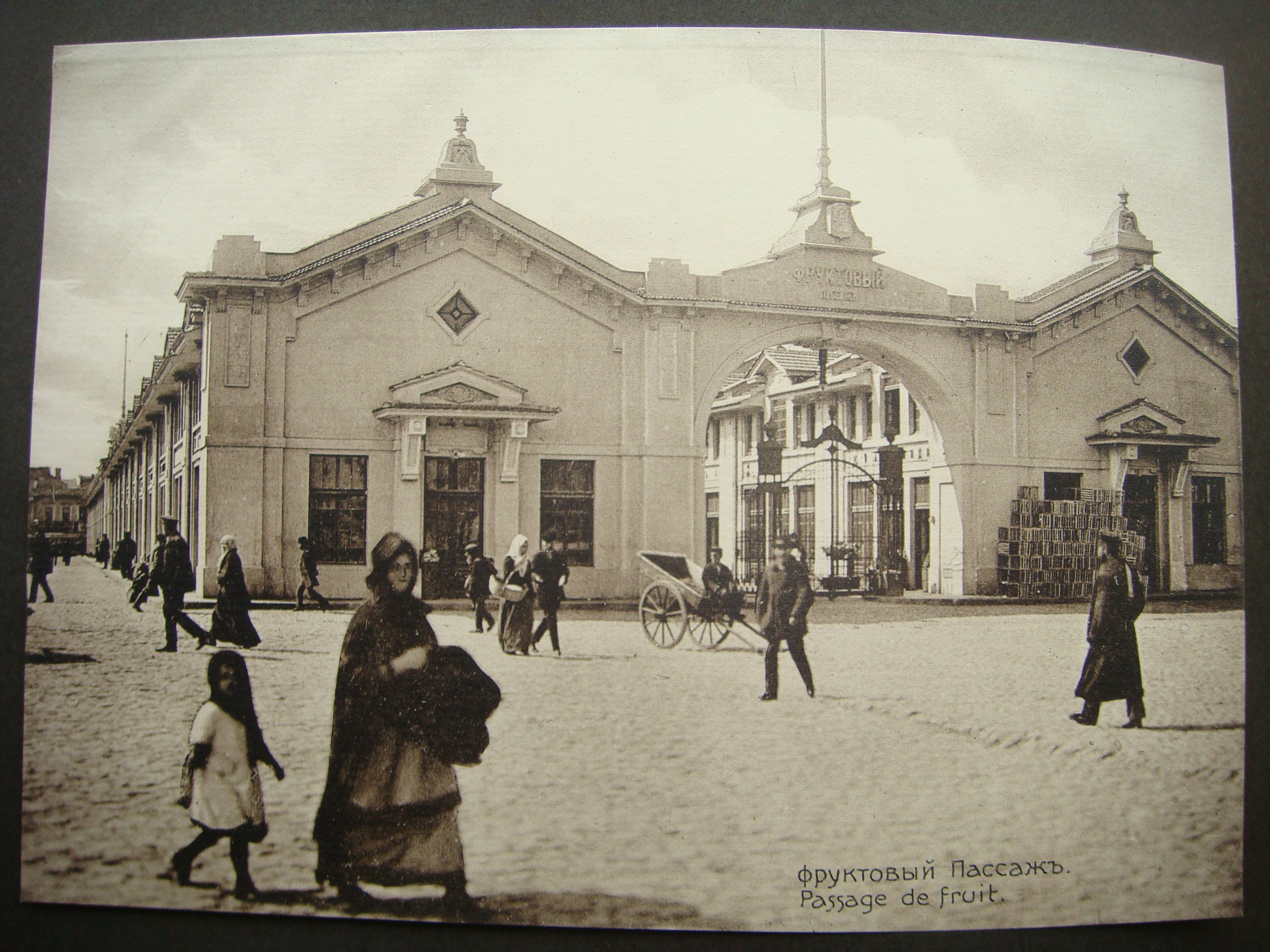
Over the years, Privoz has become more than just a market — it’s an attraction. Tourists coming to Odesa for the sea and sun still make the trip to Privoz for fruit, even if it means a long tram ride. It’s considered the best place in the city for flavorful and affordable produce. Locals come for freshly caught fish — another Privoz hallmark. It’s not uncommon for people to buy the same items from the same vendors for years — a tradition passed down through generations.
This isn’t the first time Privoz has faced destruction. In the early 20th century, it was burned down during a plague outbreak in Odesa. The Soviet authorities paid little attention to preserving it. And yet, every time, the people of Odesa rebuilt Privoz and brought it back to life. Russian missiles will not change that.
Discuss this article:

-c439b7bd9030ecf9d5a4287dc361ba31.jpg "Photo of Katherina Popilnichenko")