- Category
- War in Ukraine
Russia Upgrades Shahed Drones With EW Systems to Jam Ukrainian Defenses
 Prefer U24 Media on Google
- Authors


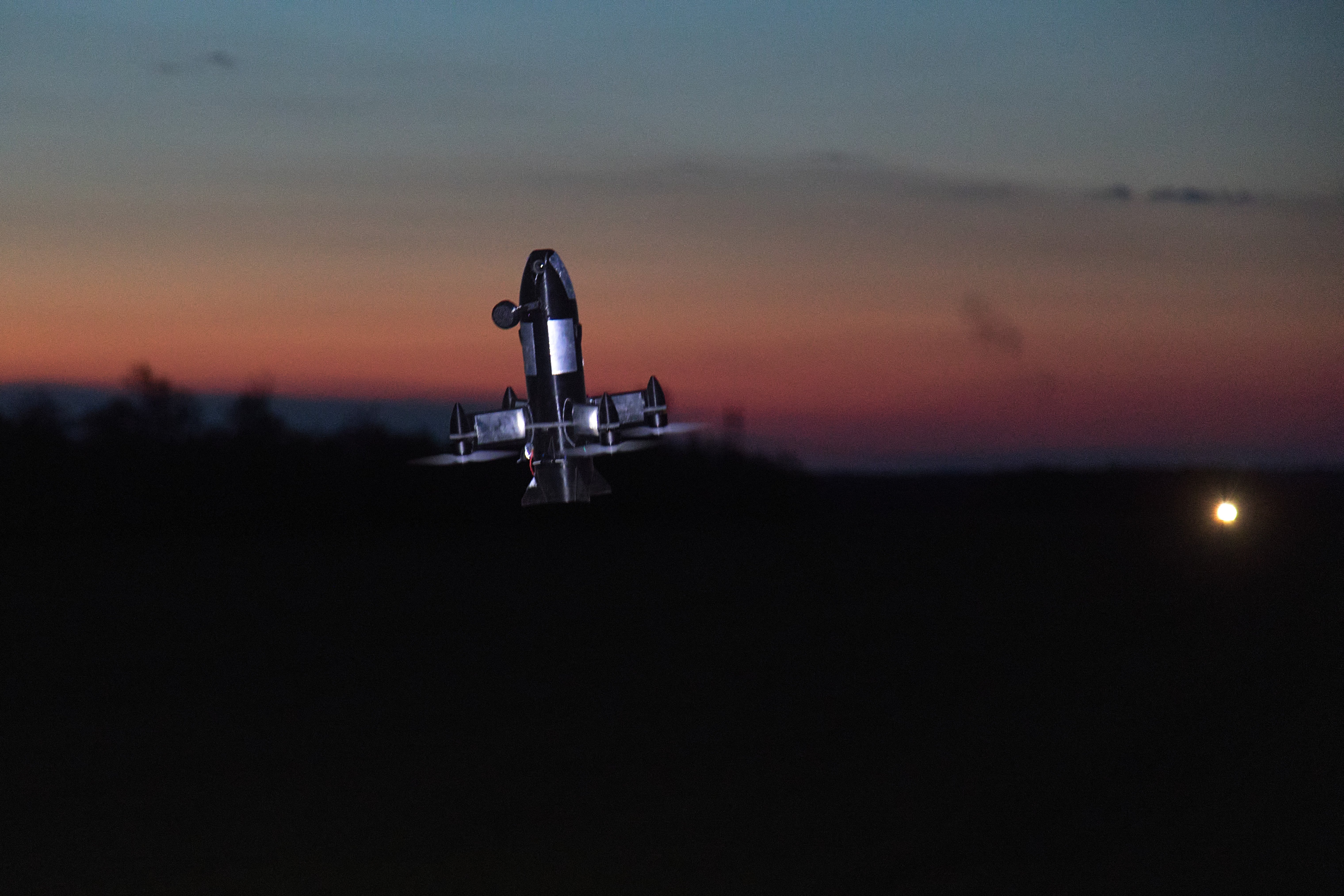
Russia is attempting to enhance the survivability of its one-way attack drones by equipping them with electronic warfare systems designed to counter Ukrainian interceptor drones, according to Ukrainian officials.
In an interview with Business Insider on May 28, Ukraine’s First Deputy Minister of Defense Oleksiy Vyskub confirmed that Russian forces have begun installing electronic warfare equipment on Shahed-type drones regularly used in strikes against Ukrainian cities and critical infrastructure.
We bring you stories from the ground. Your support keeps our team in the field.
“These modified drones fly in our country and try to suppress our interceptor drones,” Vyskub said, referring to systems designed to disrupt or degrade electronic communications and navigation through jamming and other interference methods.
Electronic warfare broadly encompasses technologies that interfere with an adversary’s signals, including navigation and communications systems, with the aim of reducing operational effectiveness.
Vyskub said Ukrainian forces had detected Shahed drones fitted with rear-mounted frequency suppression systems during recent attacks. However, he stressed that the modification does not represent a significant technological breakthrough for Russia.
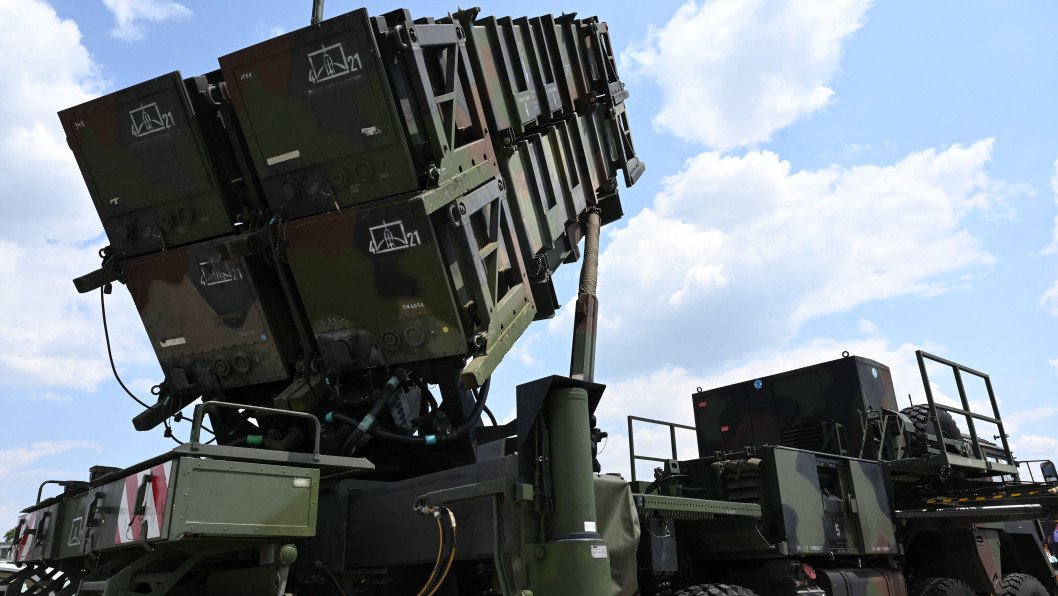
According to Samuel Bendett, a drone specialist focusing on Russia and an adviser at the US-based Center for Naval Analyses, Moscow began experimenting with portable electronic warfare systems on uncrewed platforms last year in response to the growing use of Ukrainian interceptor drones.
“The result of using this technology is mixed so far, since most such attempts dealt with light fixed-wing ISR drones carrying this tech,” Bendett said, as reported by Business Insider, adding that such systems have likely been deployed in insufficient numbers to meaningfully counter the expanding use of Ukrainian interceptors.
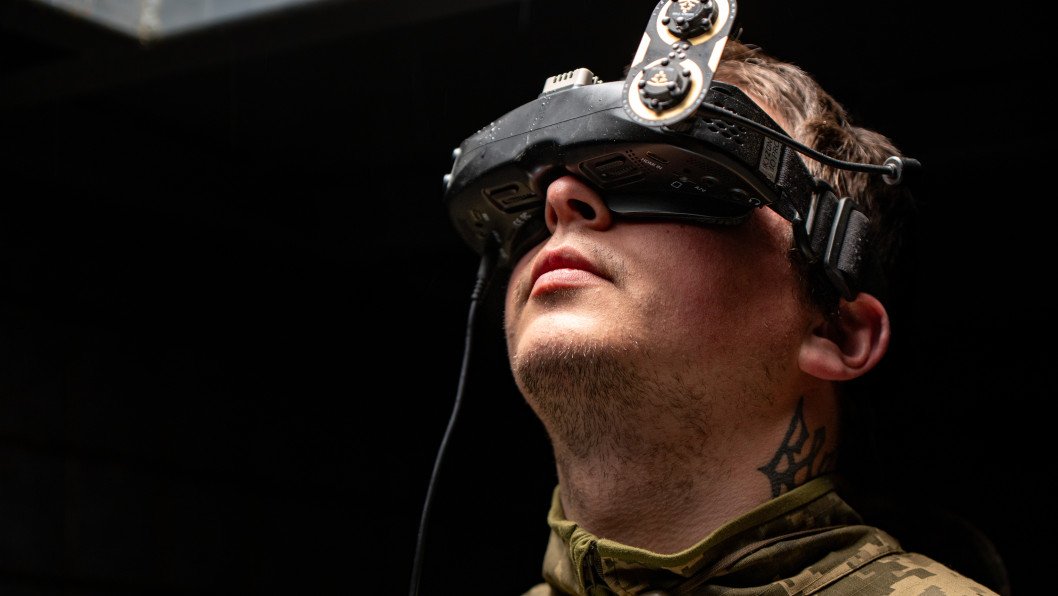
Meanwhile, Ukrainian interceptor drones have doubled their success rate against Russian-launched Shahed drone attacks over the past four months, according to Ukrainian Defense Minister Mykhailo Fedorov.
Speaking to journalists and cited by Interfax on 21 May, Fedorov highlighted the growing role of what he described as Ukraine’s “small” air defense system.
“We continue to build up the ‘small’ air defense system, thanks to which the interception rate of Shaheds has significantly improved,” Fedorov said. “The percentage of Shaheds shot down by interceptor drones has increased twofold over the last four months.”
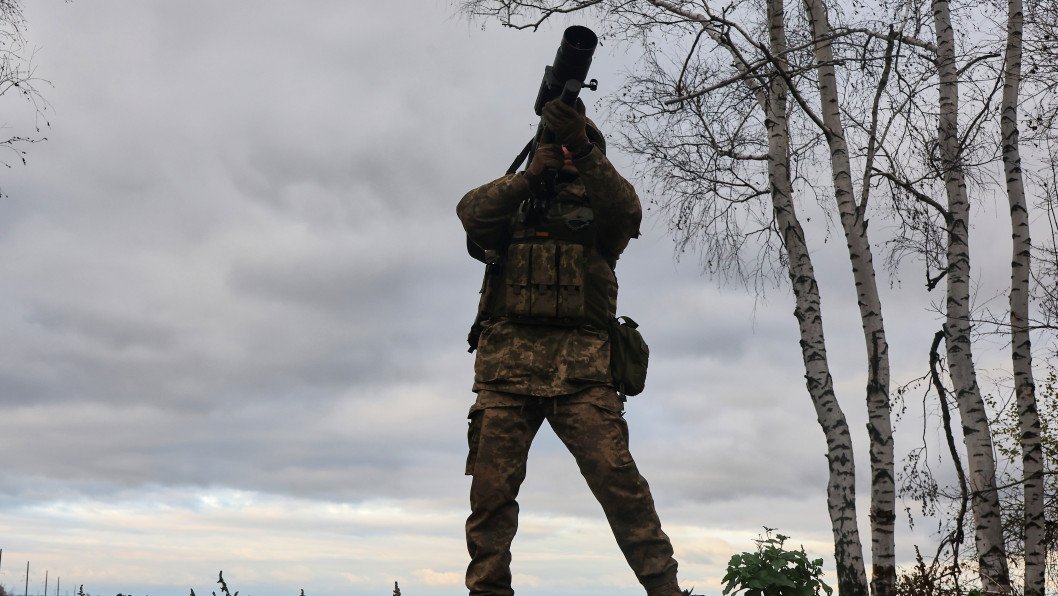
These systems rely heavily on FPV and specialized interceptor drones that engage incoming Shaheds at relatively low cost, either by direct collision or by detonating near the target. Despite these improvements,
Fedorov noted that the scale of Russian attacks continues to grow, with the monthly volume of Shahed launches increasing by approximately 35%, placing sustained pressure on Ukraine’s layered air defense network.
The increase in interception rates is attributed to highly effective frontline units deploying systems such as “Sting” interceptor drones, which operators say achieve a success rate of up to 95% even in adverse weather conditions.
Discuss this article:


-c439b7bd9030ecf9d5a4287dc361ba31.jpg "Photo of Katherina Popilnichenko")


-29a1a43aba23f9bb779a1ac8b98d2121.jpeg "Photo of Illia Kabachynskyi")