- Category
- War in Ukraine
Russian Forces Deploy Drone-Dropped Mines in Bid to Isolate Chasiv Yar
 Prefer U24 Media on Google
- Authors


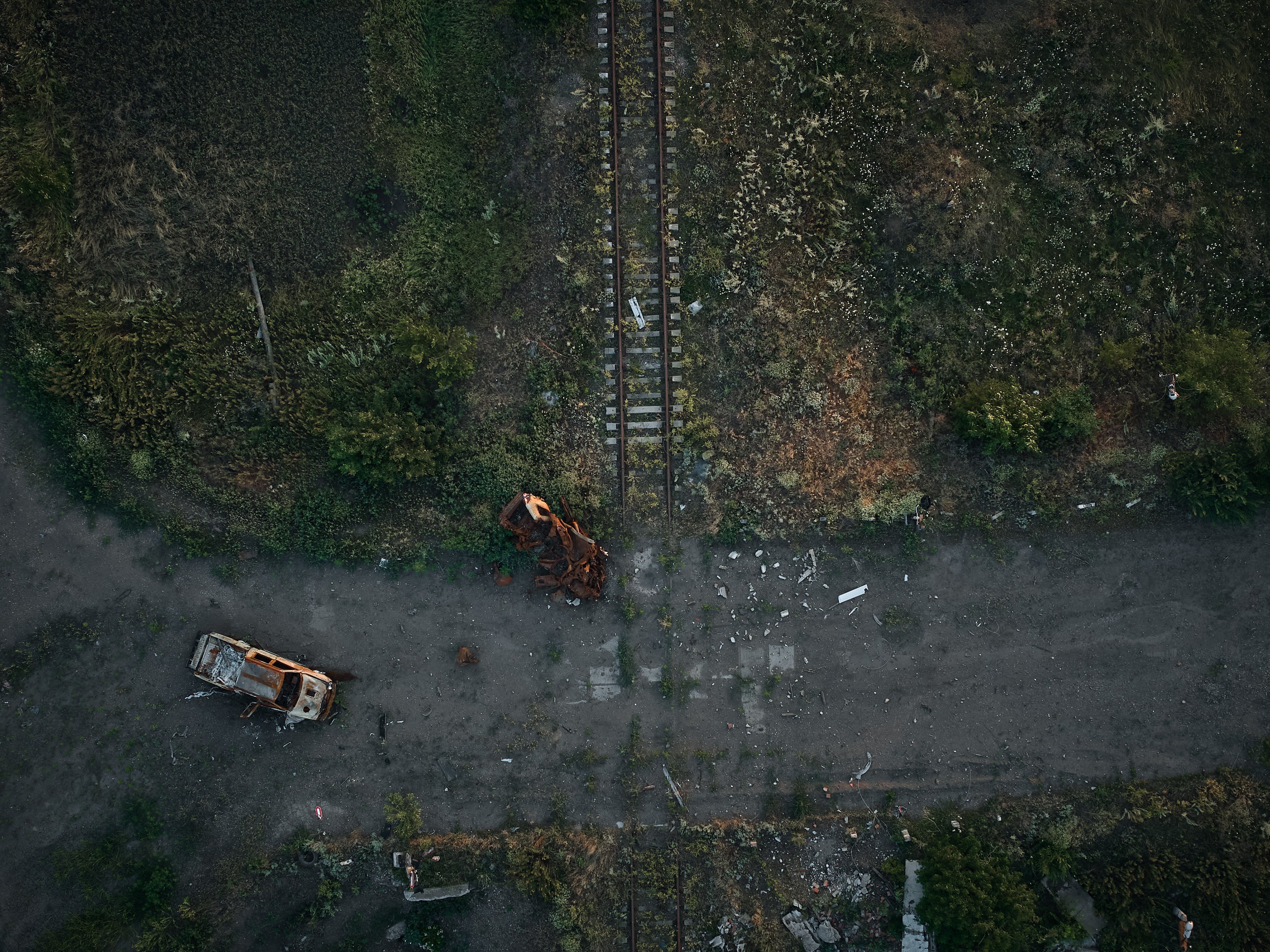
Russian occupation forces are increasingly mining Ukrainian logistical routes in the area of Chasiv Yar in Donetsk region, using a combination of unmanned aerial systems and improvised explosive devices.
Speaking on May 22 during a broadcast on Suspilne Studio, Konstantyn Melnykov, press officer of the 24th Separate Mechanized Brigade named after King Danylo, said that Russian forces are attempting to disrupt and complicate Ukrainian supply lines near Chasiv Yar and the nearby Kostiantynivka sector.
We bring you stories from the ground. Your support keeps our team in the field.
“The situation is typical for any logistical routes, because the enemy’s main task now is to complicate or make any logistics impossible, but they are not succeeding. That is why so-called ‘waiting drones’ are helping the enemy in this,” he said.
Melnykov explained that Russian forces are conducting remote mining of roads leading to Chasiv Yar, using various methods including drone-dropped explosive devices and magnetic mines.
According to him, Ukrainian troops are constantly forced to monitor and clear these routes, including by conducting aerial reconnaissance before logistical movements.
“These can be ‘waiting drones,’ and the enemy also drops various explosive devices, magnetic mines from drones. As best as we can, we try to counter this. Our soldiers are constantly forced to ‘clear’ these routes—either by flying drones over the roads or by demining them. Mining of roads is now a fairly frequent phenomenon in this sector of the front,” he said.
He added that Ukrainian forces use aerial reconnaissance prior to any logistical missions and, when possible, attempt to destroy stationary enemy drones using FPV systems.
“If there is an opportunity, we approach and shoot down these ‘waiting drones’ from an angle where they cannot see us, or we engage those drones sitting on the road and waiting using other FPV drones,” Melnykov said.
-6355068bd01af5f9dd5f1479bde0ef76.jpg)
As reported by Suspilne soldiers of the 24th Brigade have been holding defensive positions in the Chasiv Yar area for nearly two years. He noted that Russian forces continue to exert pressure through repeated infantry assaults on Ukrainian positions.
However, Ukrainian forces continue to engage Russian troops, striking an assault group advancing toward Chasiv Yar in the Donetsk region with FPV drones and artillery as it moved in from the direction of Bakhmut, targeting both infantry and equipment.
According to Ukraine’s 24th Separate Mechanized Brigade and the operational-strategic grouping “Khortytsia,” the strike was conducted in coordination with the 427th Separate Unmanned Systems Brigade “RAROG.”
Video published on May 13 shows Russian troops moving in the open as they approached the city before coming under coordinated Ukrainian drone strikes.
The brigade reported that more than 20 Russian servicemen advanced openly from the Bakhmut direction, adding that they were detected by reconnaissance assets and subsequently engaged by artillery and unmanned systems.
“Reconnaissance detected them, artillery and drones dismantled them. The operation was carried out in coordination,” the unit said.
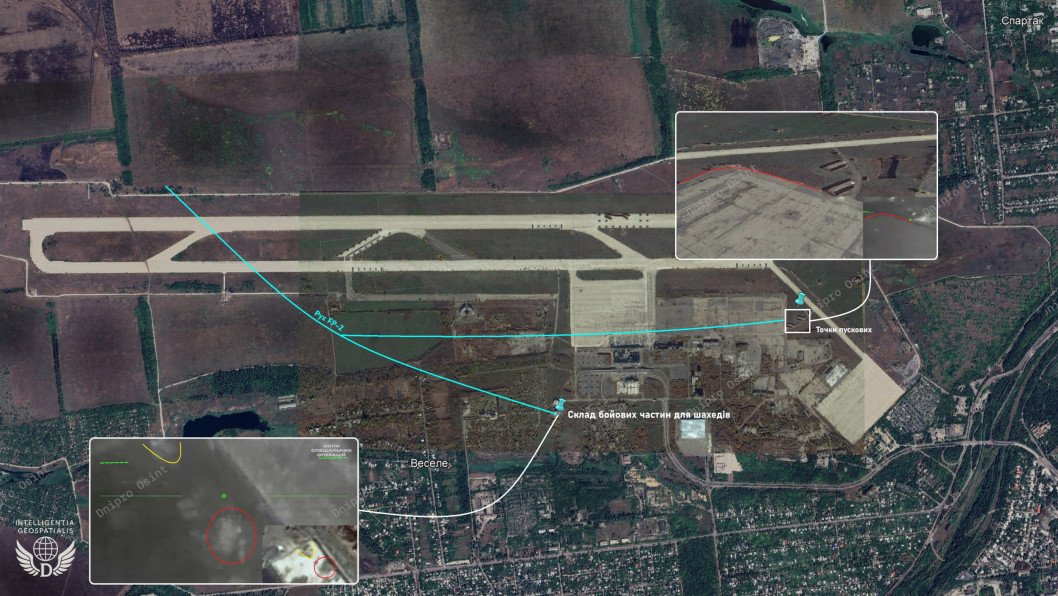
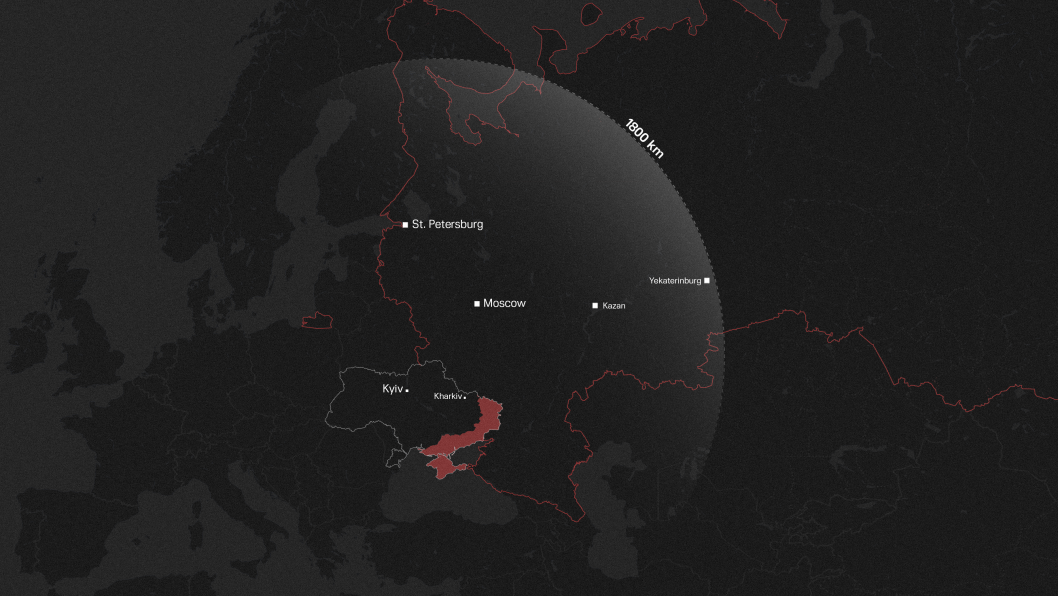
In a saparate operation, Ukraine’s Special Operations Forces said they carried out a series of medium-range drone strikes targeting Russian command posts, ammunition storage sites, logistics centers, repair facilities, and drone infrastructure across occupied parts of Donetsk, Luhansk, and Zaporizhzhia regions, as well as Russia’s Belgorod region.
Discuss this article:
-9bd5e1532102621f8fb1c4ba871a3171.png)





-c439b7bd9030ecf9d5a4287dc361ba31.jpg "Photo of Katherina Popilnichenko")