- Category
- War in Ukraine
Russian Forces Fortify Temporarily Occupied Crimea Against Potential Ukrainian Landing
 Prefer U24 Media on Google
- Authors

-c439b7bd9030ecf9d5a4287dc361ba31.jpg "Photo of Katherina Popilnichenko")

The Russian military is reinforcing its defensive positions across temporarily occupied Crimea due to fears that Ukrainian forces will launch an amphibious landing operation.
This includes the complete shutdown of the Chonghar bridge following drone attacks on June 7 and June 9, as well as additional restrictions placed on the vital bridge connecting Henichesk and the Arabat Spit starting the morning of June 10. Dmytro Pletenchuk, the spokesperson for the Ukrainian Navy, discussed these developments in an interview with the Kyiv Independent.
We bring you stories from the ground. Your support keeps our team in the field.
He explained that according to military rules, "territory is not liberated until an infantryman steps on it." For the Navy, this critical task falls to the marine corps, which is currently training for amphibious operations.
Russian forces are taking the possibility of an assault seriously and are working to secure the most vulnerable parts of the coastline. Pletenchuk noted that "the enemy views this as a real threat. Russians are reinforcing areas in Crimea vulnerable to amphibious landings because they consider it quite likely."
However, executing such a maneuver is highly complex and would not happen in isolation. The naval spokesperson explained that amphibious operations are exceptionally difficult and are only carried out as part of a much larger offensive action. "If necessary, we will, of course, carry out any operation required to liberate Ukrainian Crimea," Pletenchuk stated.
To illustrate the scale of the challenge, the spokesperson compared a potential landing in Crimea to the historic World War II operation at Omaha Beach. Ukrainian troops would have to break through heavily fortified and mined coastlines, machine-gun nests, and bunkers while operating under enemy air support.
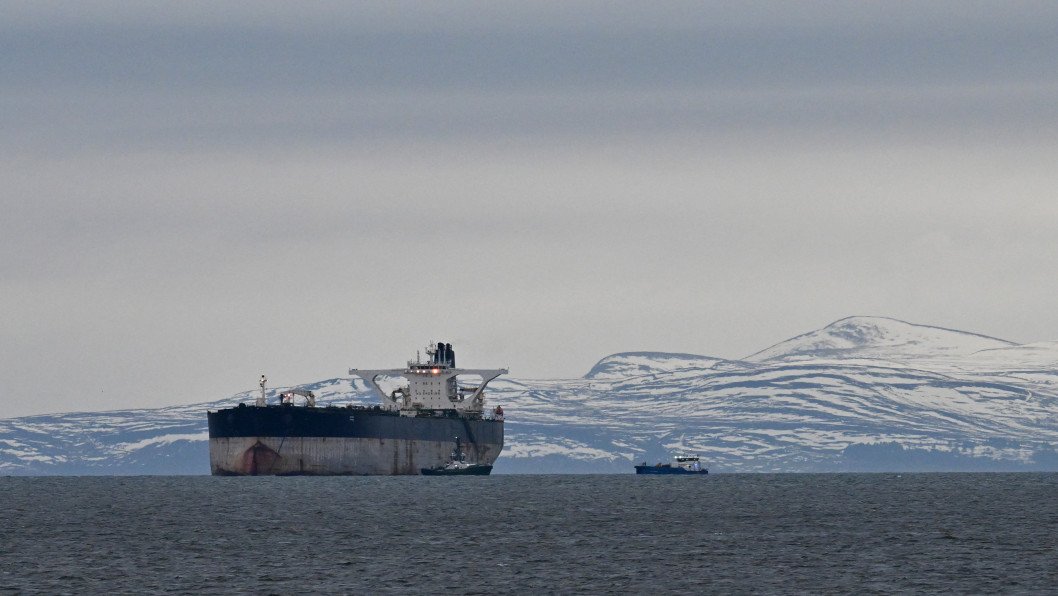
This defensive buildup follows significant disruption to Russia's supply lines connecting the mainland to the peninsula. Following the initial strike on the Chonghar bridge on June 7, traffic was temporarily restricted to a reversible format. A second drone attack on June 9 knocked the bridge completely out of service, forcing the occupation administration to redirect traffic through Armyansk and Perekop.
Overnight June 11, Ukrainian forces reportedly conducted strikes targeting four bridges linking Russia-occupied areas of the Kherson region with Crimea.
Vladimir Saldo, the Moscow-appointed governor of temporarily occupied Kherson region, said there was initial evidence of damage and that specialists were examining the structures to determine their condition.
According to him, the affected crossings included bridges over the North Crimean Canal near the settlements of Preobrazhenka and Myrne, a road bridge on the Perekop–Armiansk route, and a bridge in the vicinity of Stavky.
Discuss this article:
-9a7b3a98ed5c506e0b77a6663f5727c5.png)





-fd827d4182afa4dd7c505b26cac2315b.jpg "A shopping mall damaged during Russia’s missile and drone attack on Kyiv on October 19, 2026. (Source: hromadske)")