- Category
- War in Ukraine
Russian Strikes Damage 533 Ukrainian Rail Locomotives, Forcing Kyiv to Seek Replacements
 Prefer U24 Media on Google
- Authors

-72b63a4e0c8c475ad81fe3eed3f63729.jpeg "Photo of Cyril Barabaltchouk")
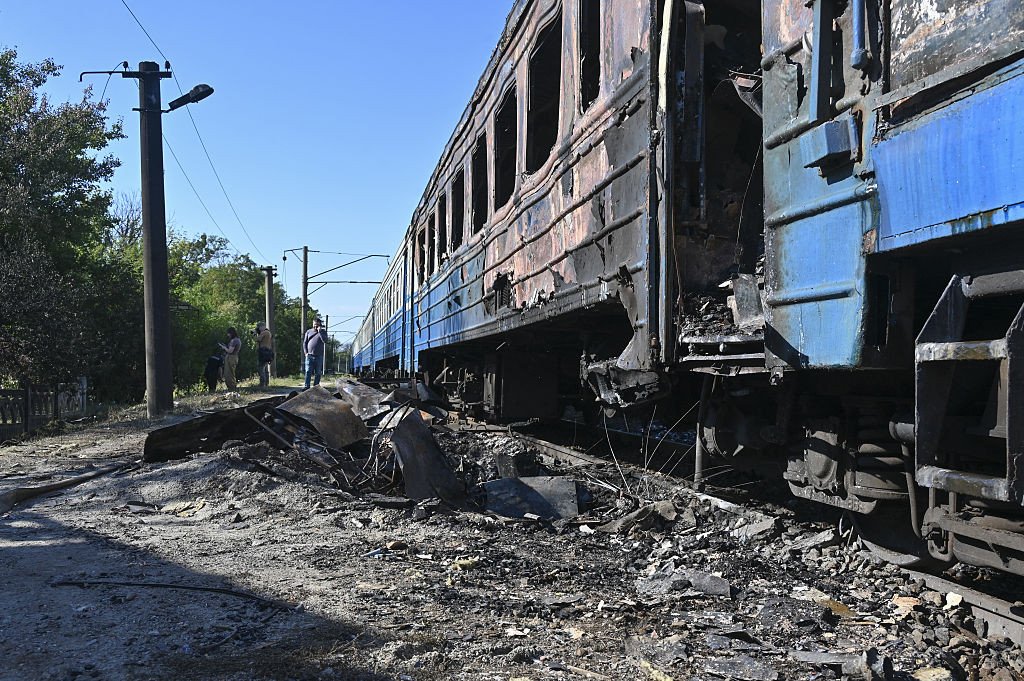
Ukraine is seeking replacement locomotives from European partners after repeated Russian strikes nearly exhausted its reserves and threatened rail deliveries supporting Black Sea exports, the Financial Times reported on October 5.
Agriculture Minister Taras Vysotskyi told the Financial Times that Kyiv is negotiating with countries that use the same 1,520-millimeter railway gauge to secure locomotives compatible with the Ukrainian network.
We bring you stories from the ground. Your support keeps our team in the field.
In 2026, Russian forces increasingly targeted locomotives, passenger trains, and stations, repeatedly disrupting services and forcing temporary evacuations of passengers.
The shortage is already affecting logistics around Ukraine’s port of Pivdennyi. Mykyta Hrubov, chief executive of port operator TIS , told the FT that three locomotives had been lost near the company’s terminal, creating a bottleneck for cargo deliveries.
Russian forces have intensified attacks on trains carrying grain and iron ore in recent weeks, putting additional pressure on the rail system that connects Ukrainian producers with Black Sea ports.
Radio Liberty reported on October 1 that Russian attacks had damaged 533 Ukrzaliznytsia locomotives and another 75 belonging to private industrial companies since the start of the full-scale invasion, citing Ukraine’s Infrastructure Ministry.
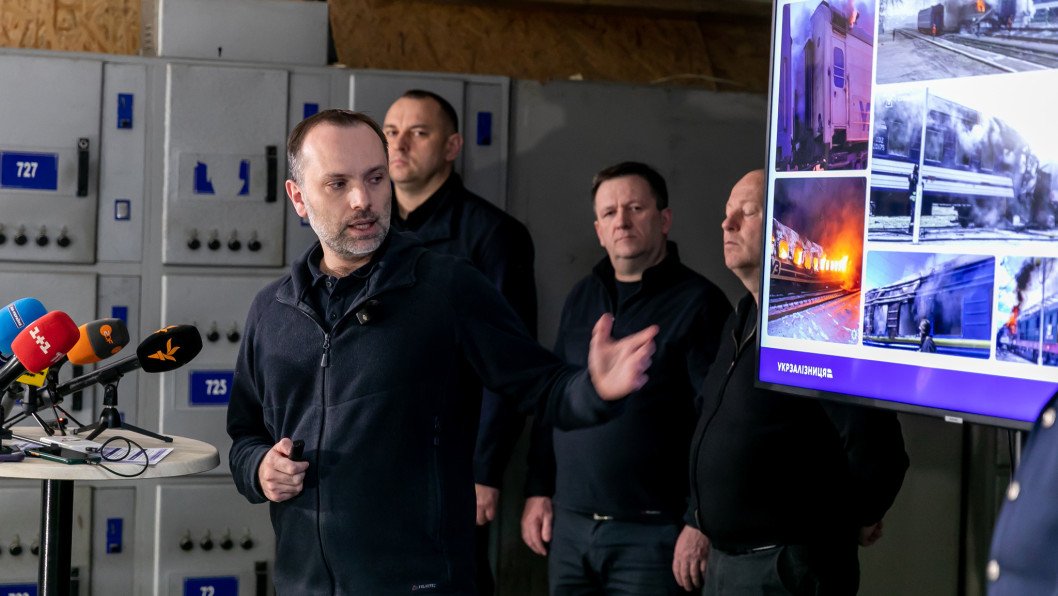
Ukraine is working with the European Commission and international railway organizations to identify locomotives available abroad, First Deputy Infrastructure Minister Serhii Derkach told Radio Liberty. Negotiations include Azerbaijan, neighboring countries, and private operators.
Slovakia has offered three locomotives, while Lithuania has agreed to provide another three. Derkach added that Lithuania has 27 broad-gauge locomotives that could potentially be purchased for Ukraine.
“We see that the number of locomotives currently available and that can be delivered to Ukraine can, in principle, ensure the normal operation of Ukrzaliznytsia for now,” Derkach stated.
He cautioned that the outlook would depend on the intensity of further Russian strikes and Ukraine’s ability to protect its rolling stock.
Ukraine has also secured $100 million through the World Bank’s RELINC program to purchase locomotives, Derkach noted, according to Radio Liberty.
-f32507fd9c6689c428f06b3e0334a6c6.jpg)
Partners are additionally helping Kyiv explore purchases of used rolling stock as the fastest replacement option.
“The first priority, of course, is finding used locomotives that are in working condition, so they can be acquired, brought to Ukraine, and immediately put into service,” he explained.
The pressure on Ukraine’s locomotive fleet is part of a broader Russian campaign against the country’s railway system. In 2026, Russian forces intensified strikes not only on locomotives but also on passenger trains and stations, forcing regular service disruptions and temporary passenger evacuations.
Days earlier, a Russian overnight attack damaged the Kyiv-Pasazhyrskyi railway depot, along with data centers, business centers, and residential buildings in the capital. Ukrainian President Volodymyr Zelenskyy condemned the strikes as attacks and stated that emergency crews were working almost continuously to deal with the aftermath.
Discuss this article:
-9a7b3a98ed5c506e0b77a6663f5727c5.png)