- Category
- War in Ukraine
Satellite Images Reveal Damage to Russian Oil Facility in Armavir After Ukrainian Strike
 Prefer U24 Media on Google
- Authors


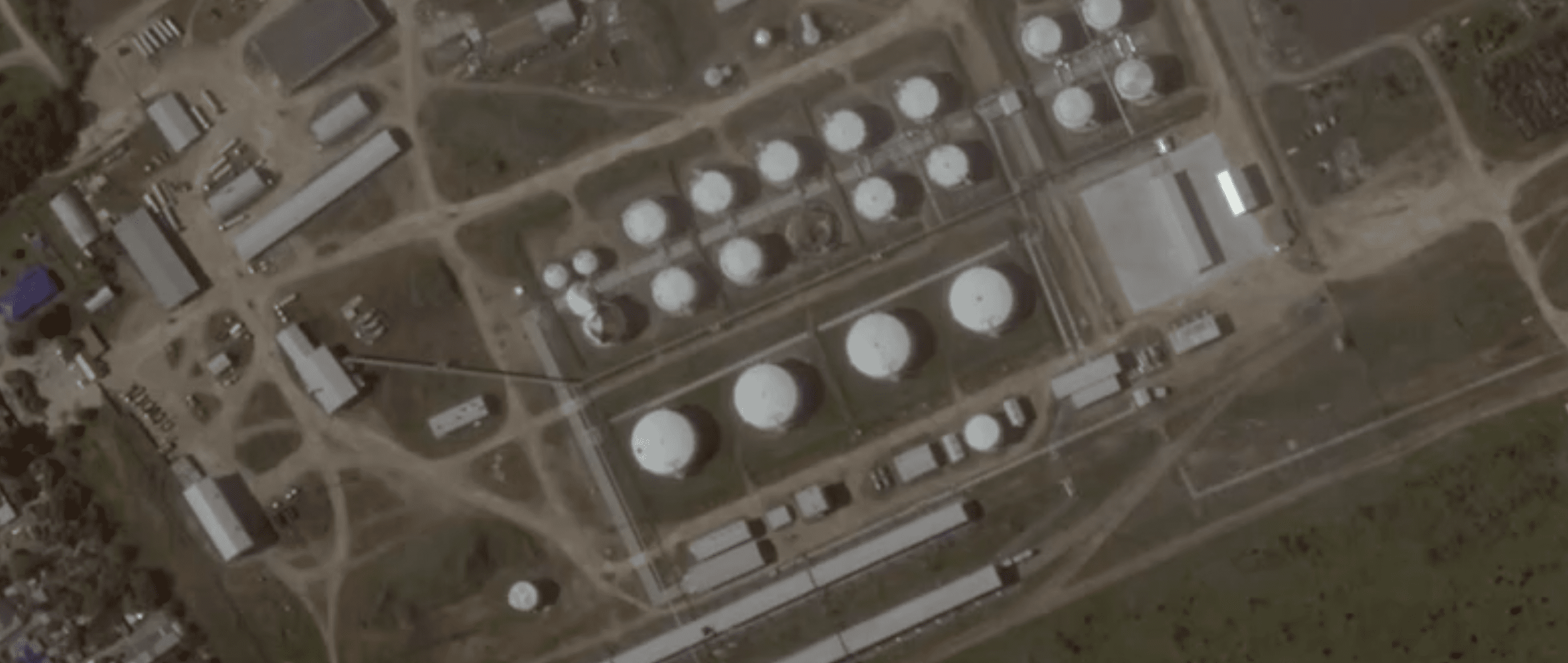
Satellite imagery has revealed damage to a Russian oil infrastructure facility in the southern Krasnodar region following a reported Ukrainian drone strike, according Radio Liberty/Radio Free Europe’s project “Schemes” on June 1.
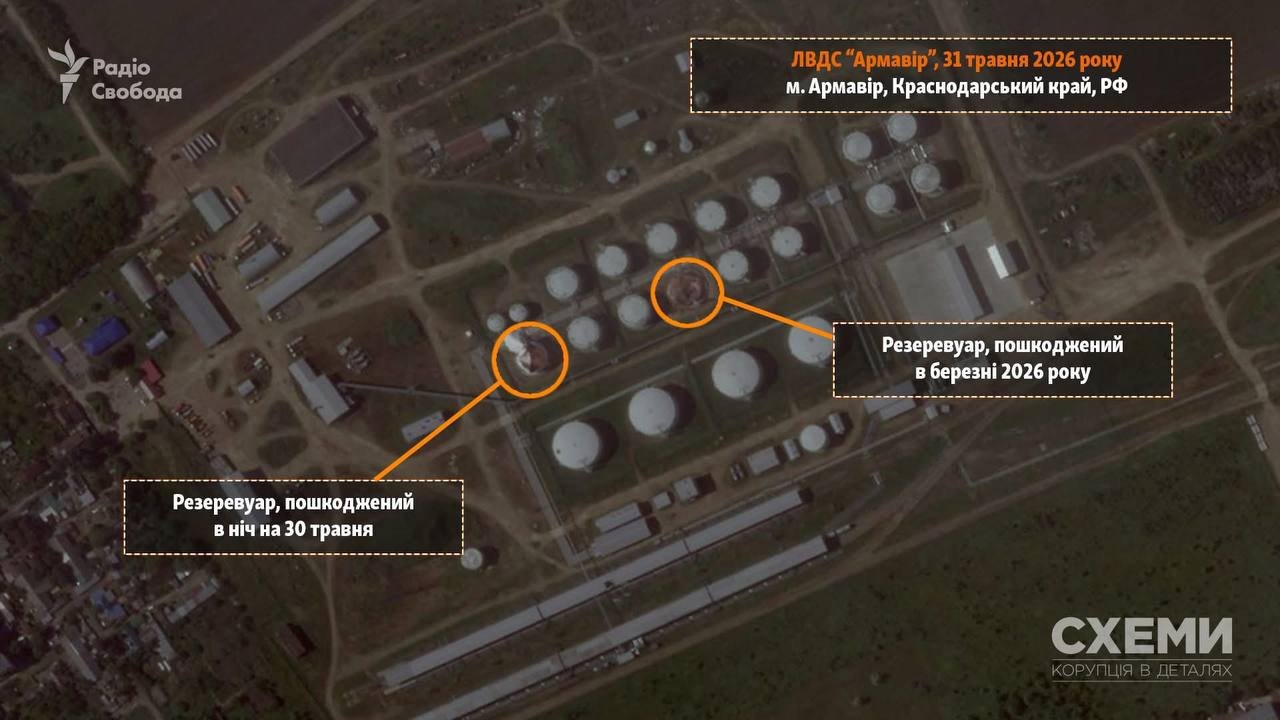
A Planet Labs satellite image dated 31 May shows the aftermath of an attack on a linear production dispatch station in the city of Armavir. The imagery indicates that at least one fuel storage tank at the facility sustained damage.
We bring you stories from the ground. Your support keeps our team in the field.
The analysis also shows that another tank, previously struck in March, has not been repaired or replaced, suggesting prolonged disruption at the site. Ukrainian Defense Forces had earlier reported damage to the facility, which was also referenced by monitoring channels tracking strikes on Russian energy infrastructure, according to “Schemes.”
The strike was first publicly confirmed on 30 May by Ukrainian President Volodymyr Zelenskyy, who said the operation was carried out by the Security Service of Ukraine as part of long-range strikes targeting Russia’s energy sector.
Describing the attack, Zelenskyy said such operations form part of Ukraine’s strategy to pressure Moscow into ending its war.
“These are our new long-range sanctions, and this is 500 kilometres from our state border. We are fully justly bringing the war back to where it came from. Russia could have ended its aggression long ago, but chose instead to prolong it. So another target of Russia’s oil industry has been hit: Armavir, Krasnodar region,” he said.
This is not the first time the Armavir oil infrastructure in Russia’s Krasnodar region has come under attack, with earlier reports in March indicating a drone strike that triggered a large fire at a key fuel facility.
On March 8, a drone strike targeted the Armavir Linear Production Dispatch Station overnight, according to regional authorities and Russian Telegram channels. The Krasnodar region’s operational headquarters confirmed that unmanned aerial vehicles hit the facility during the night, although the claims could not be independently verified at the time.
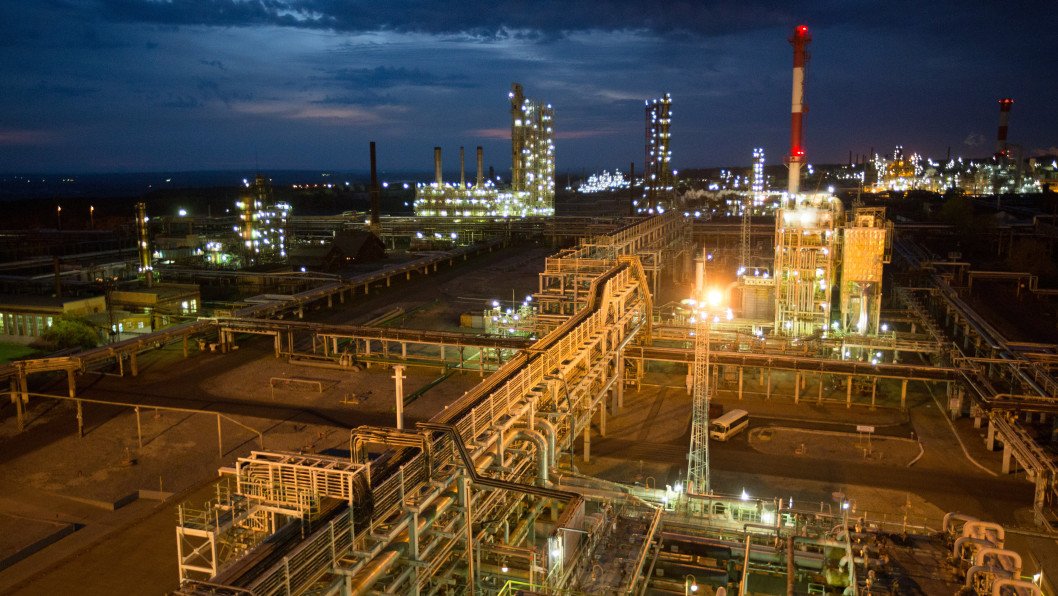
Videos circulating online showed explosions followed by a significant fire, with fuel storage tanks reportedly engulfed in flames at the site near the industrial city of Armavir in southern Russia.
According to the OSINT project CyberBoroshno, the Armavir station is a key component of Russia’s pipeline infrastructure operated by state-owned Transneft. The facility is used for pumping petroleum through major pipelines, storing fuel in tank farms, and loading it onto railway systems for further distribution across the country.
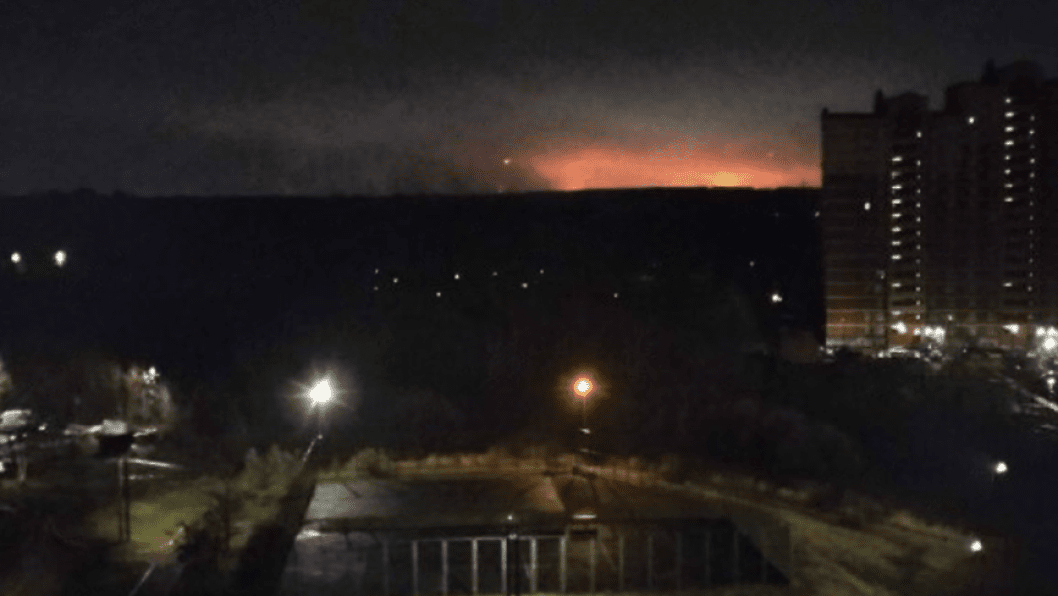
Separately, a fire was reported at the Saratov oil refinery in Russia following an overnight drone attack on 31 May, based on open-source monitoring data, local reports, and satellite fire detection imagery.
Saratov regional governor Roman Busargin said air defense systems were activated during the attack. He reported damage to civilian infrastructure but made no mention of a strike on the refinery itself. These claims could not be independently verified.
Discuss this article:




-f8b795e6bf1d73fc2fdbfd74f5e7ea96.jpeg "Massive flames and thick black smoke rise from the Omsky Kauchuk chemical plant in Russia following a Ukrainian drone strike on October 24, 2026. (Source: Exilenova+)")