- Category
- War in Ukraine
Sweden and Ukraine: How Two Countries Built One of Europe's Most Important Defence Partnerships
Ukraine and Sweden are steadily building one of the strongest defence partnerships in Europe. Stockholm has supplied Kyiv with advanced military equipment, from Archer artillery systems to Giraffe radars. The cooperation may soon reach a new level: Sweden has already announced its intention to transfer Gripen fighter jets to Ukraine. In return, Ukraine is providing the Swedish defence industry with invaluable real-world combat experience that no test range can replicate.
 Prefer U24 Media on Google
- Authors

-29a1a43aba23f9bb779a1ac8b98d2121.jpeg "Photo of Illia Kabachynskyi")
Ukraine plans a major upgrade of its fighter fleet, and Sweden is one of the partners at the centre of that effort. The two countries already have a plan for the delivery of 100–150 modern Gripen aircraft, one of the most anticipated elements of their bilateral cooperation. It will begin with an initial batch of just under 20 jets, with further deliveries expected in the coming years.
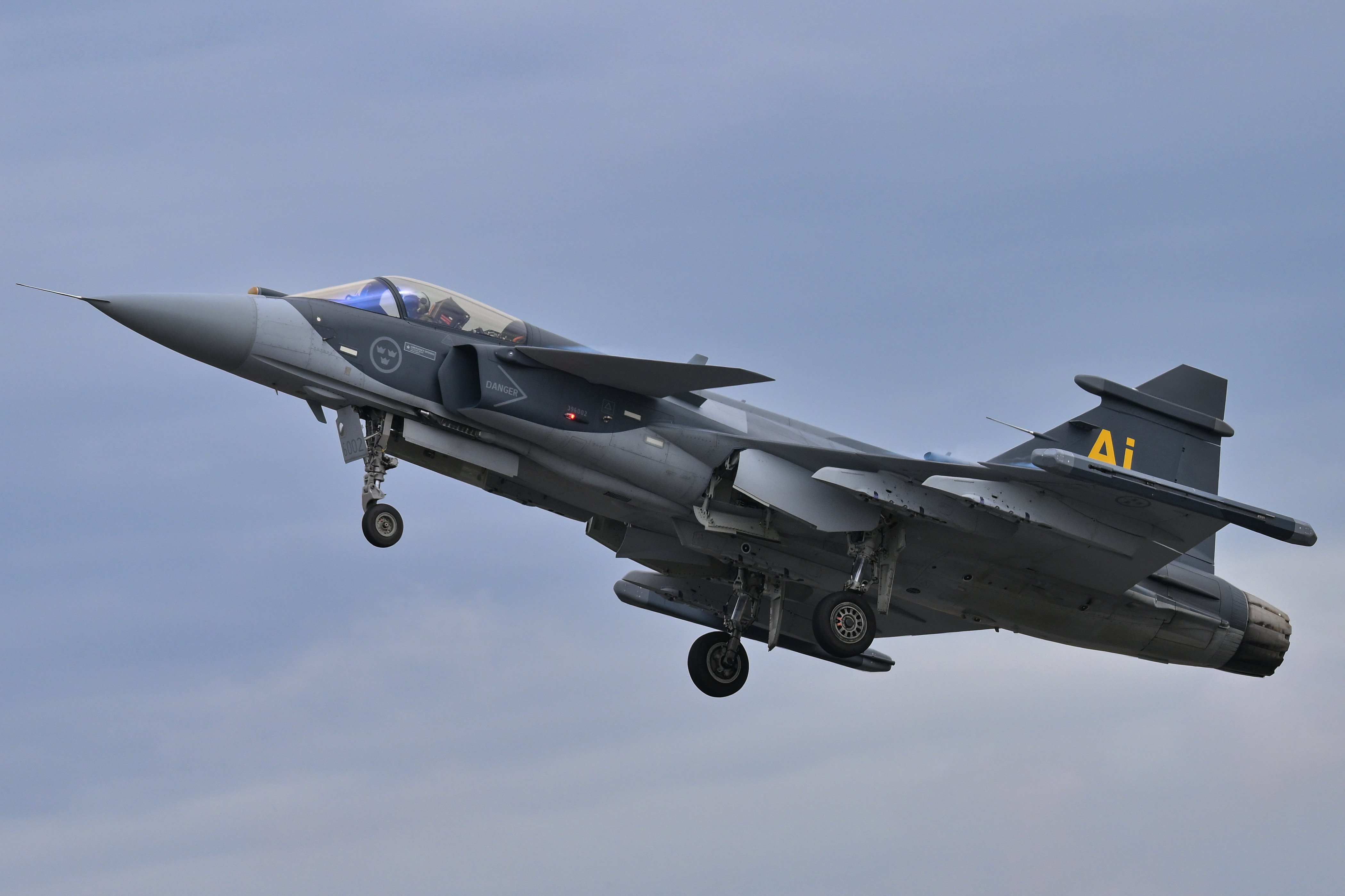
For Ukraine, the Gripen is appealing not simply as another modern fighter. It was essentially designed for a scenario that closely mirrors the current war. During the Cold War, Swedish military planners assumed that major air bases would be among the first targets destroyed in an enemy strike. The aircraft therefore had to be capable of operating from short runways, motorways, and improvised sites.
We bring you stories from the ground. Your support keeps our team in the field.
The Gripen requires fewer maintenance personnel than many other Western aircraft, and its operating costs are lower. For a country fighting a gruelling, multi-year war, that matters enormously.
Equally important is the Gripen's integration with a wide range of modern weapons and targeting systems. In time, Ukraine's air force could gain not merely a new aircraft, but a key component of Sweden's broader aerial warfare ecosystem.
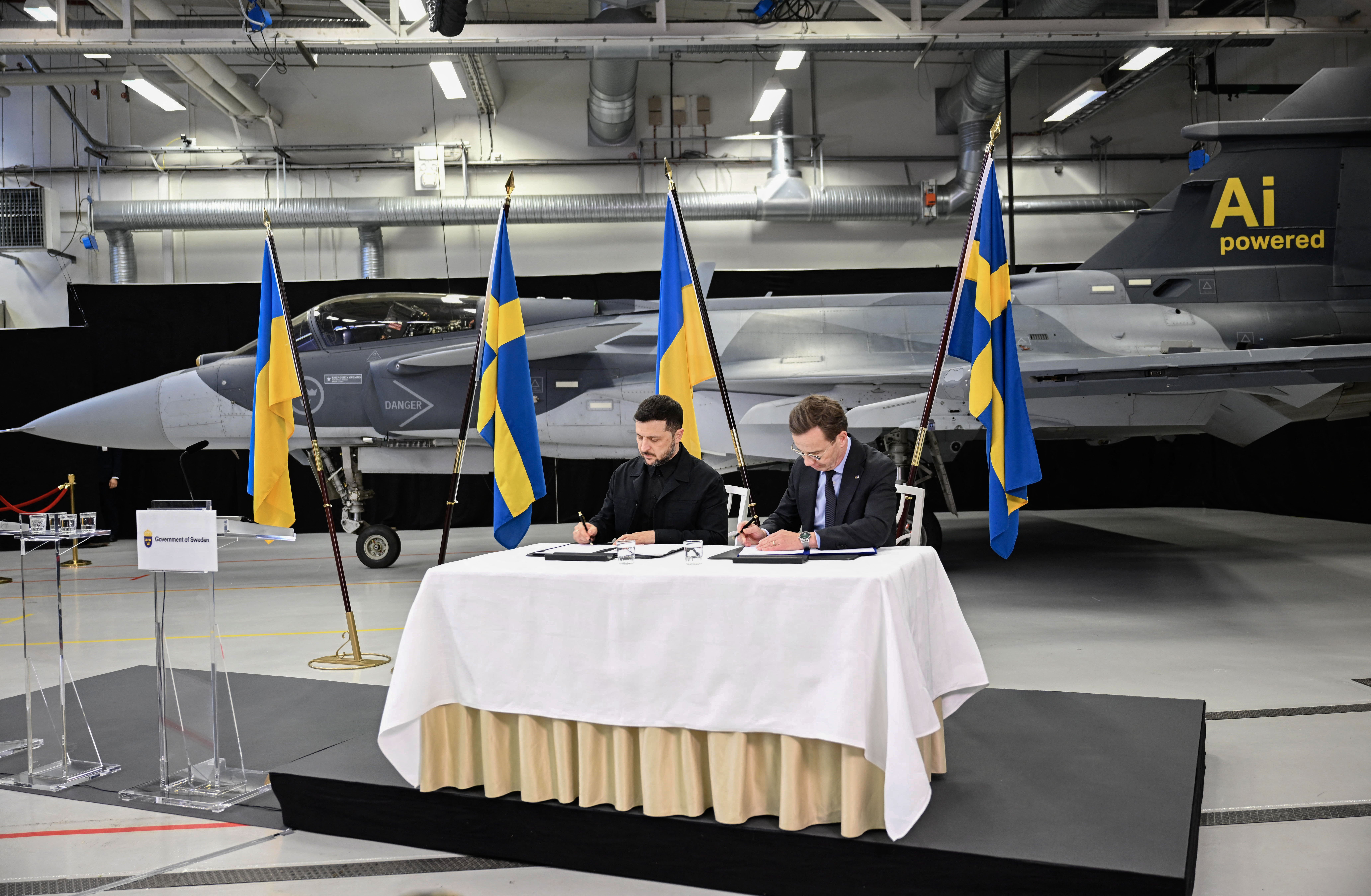
The delivery of these jets represents a major step forward in the bilateral relationship, but the partnership began at the very outset of the full-scale invasion. Stockholm has backed Kyiv consistently, both financially and with its own weapons systems.
Archer, one of the world's finest artillery systems
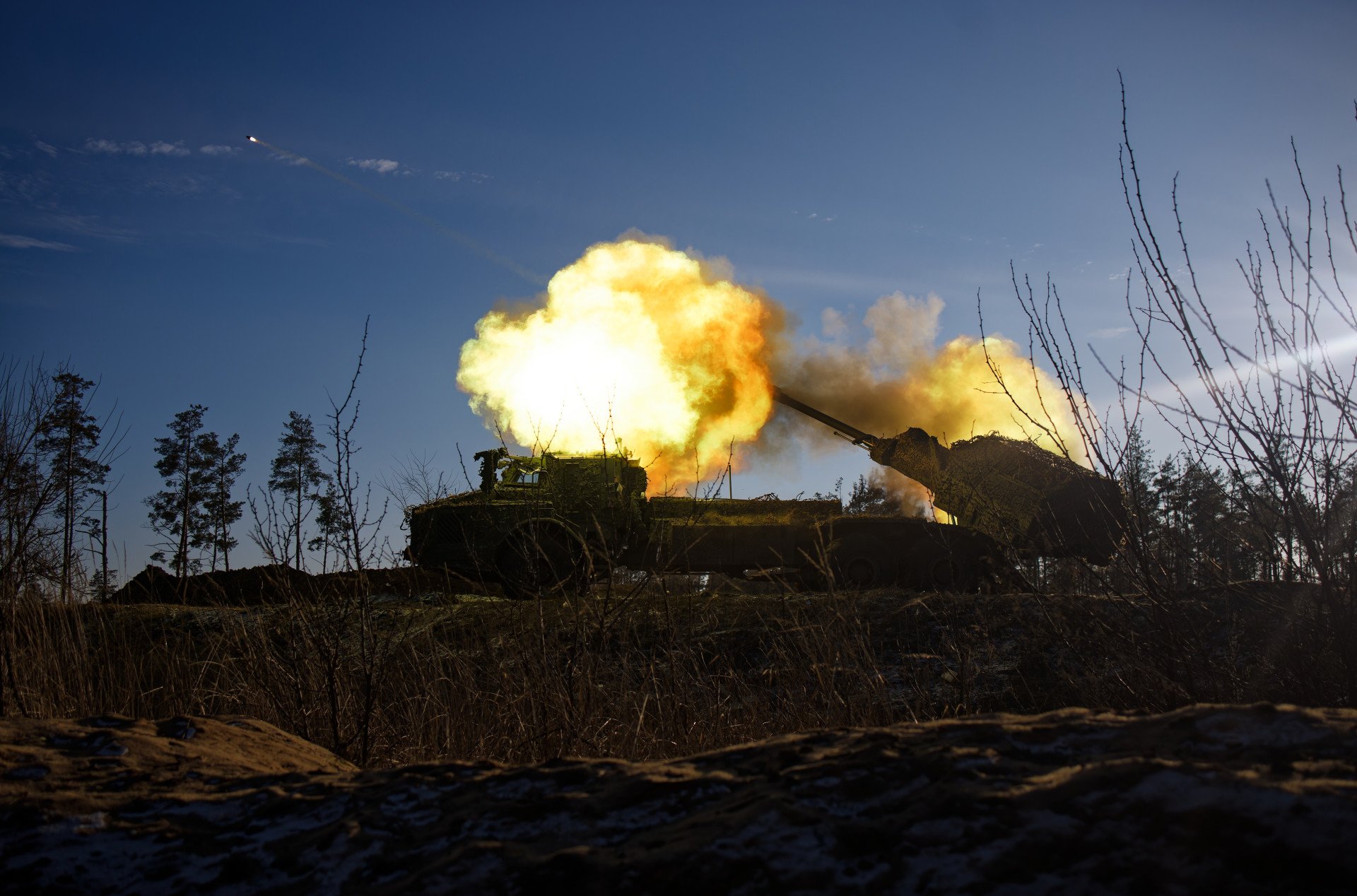
One of the emblems of Swedish assistance is the Archer self-propelled howitzer. Dozens of these systems have been transferred to Ukraine, and they remain active on the battlefield despite the growing prominence of drone warfare.
Archer's defining strength is speed. The system can complete a fire mission in a matter of minutes: move into position, deliver a salvo, and leave the area before the enemy can respond.
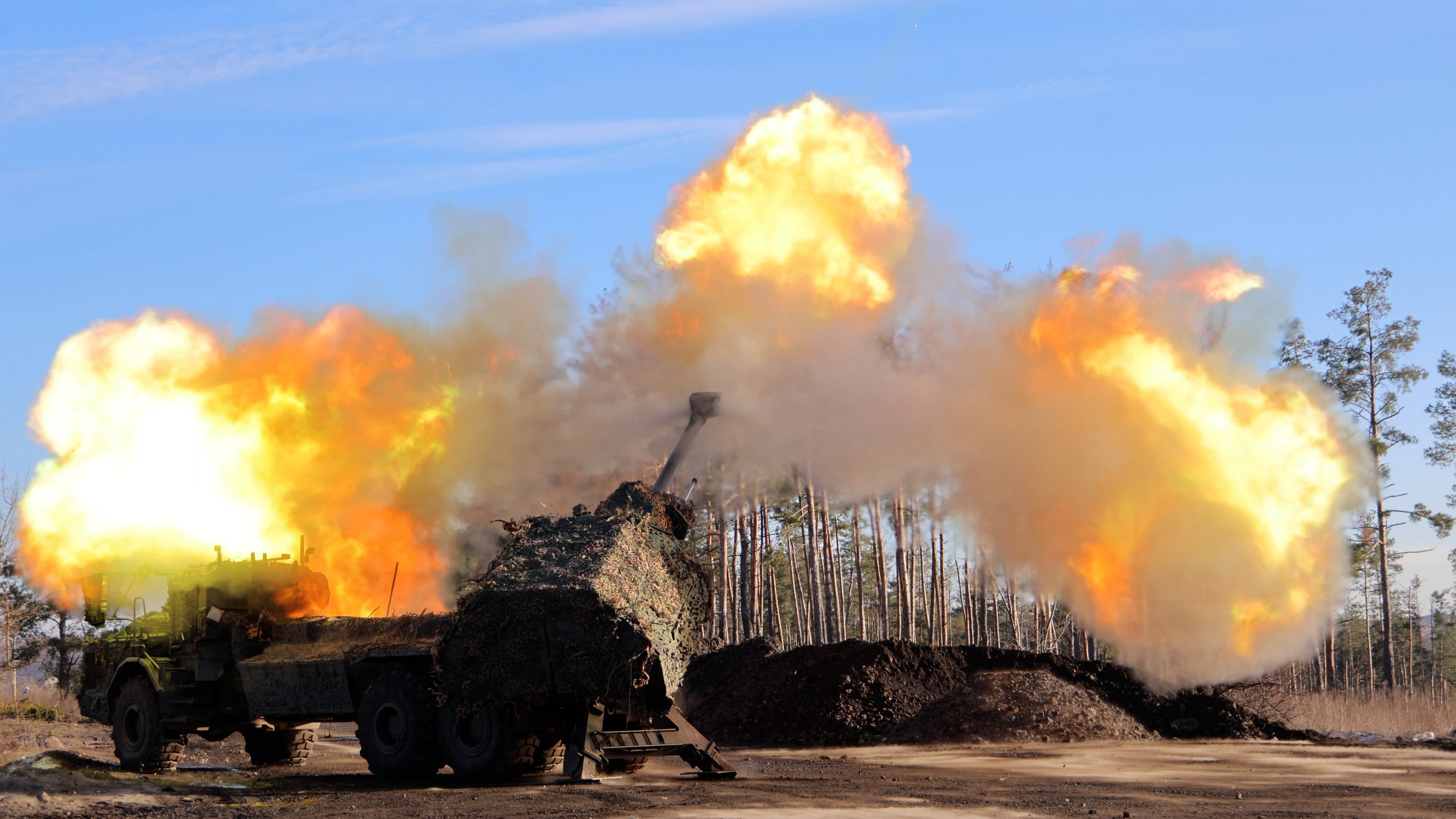
On the Ukrainian front, this is critical. Russia makes extensive use of counter-battery radars and drones to locate artillery. The longer a gun stays in position, the greater the risk of it being destroyed. The "shoot-and-scoot" concept has therefore become one of the defining requirements of modern warfare, and Archer is widely regarded as one of its finest implementations.
Ukrainian forces have repeatedly praised the system, highlighting its accuracy, automation, speed of operation, and overall technological sophistication.
The war has also served as a genuine test for Archer. The howitzer has never before been deployed in combat of this intensity. That creates the opportunity to evaluate the system under real conditions and gather feedback to support further improvement.
Giraffe radars
Modern warfare is not only about aircraft and missiles. Seeing the enemy in time is equally vital, which is why Sweden's Giraffe radars have proven so important for Ukraine. These systems can detect a broad range of airborne threats, from aircraft and helicopters to cruise missiles and drones. The Giraffe is considered among the best radars in the world, at a competitive price point.
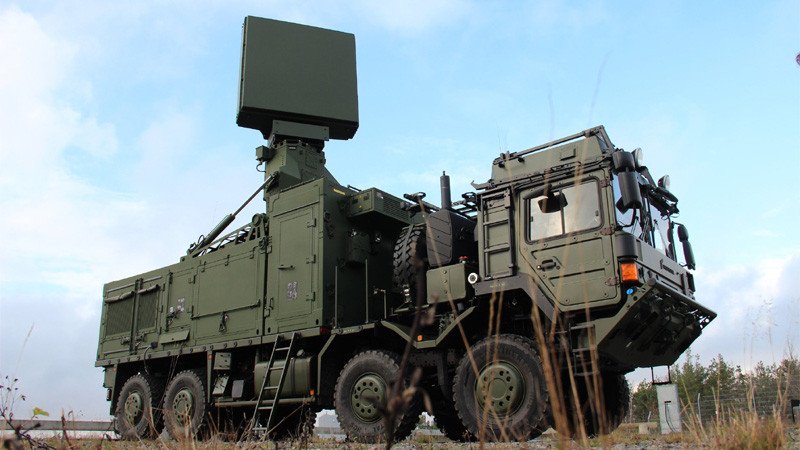
Its significance has grown particularly since Russia began mass use of Shahed strike drones and cruise missiles against Ukrainian cities and energy infrastructure. Low-altitude targets often attempt to hide behind terrain or urban structures, making advanced detection systems all the more critical.
The Giraffe attracts far less public attention than Patriot missile batteries, but without it, defending against the hundreds of drones Russia launches against Ukraine almost daily would be vastly more difficult.
The Swedish assistance architecture
Sweden's support for Ukraine is comprehensive, addressing several key dimensions of defence simultaneously. For example, the Gripens will be delivered with Meteor missiles, enabling Ukraine to drive back Russian aircraft, and thereby reduce the number of guided aerial bombs being launched in the first place. The logic targets the cause, not just the symptom. It mirrors the same reasoning behind Ukraine's systematic strikes on Russian factories producing weapons components.
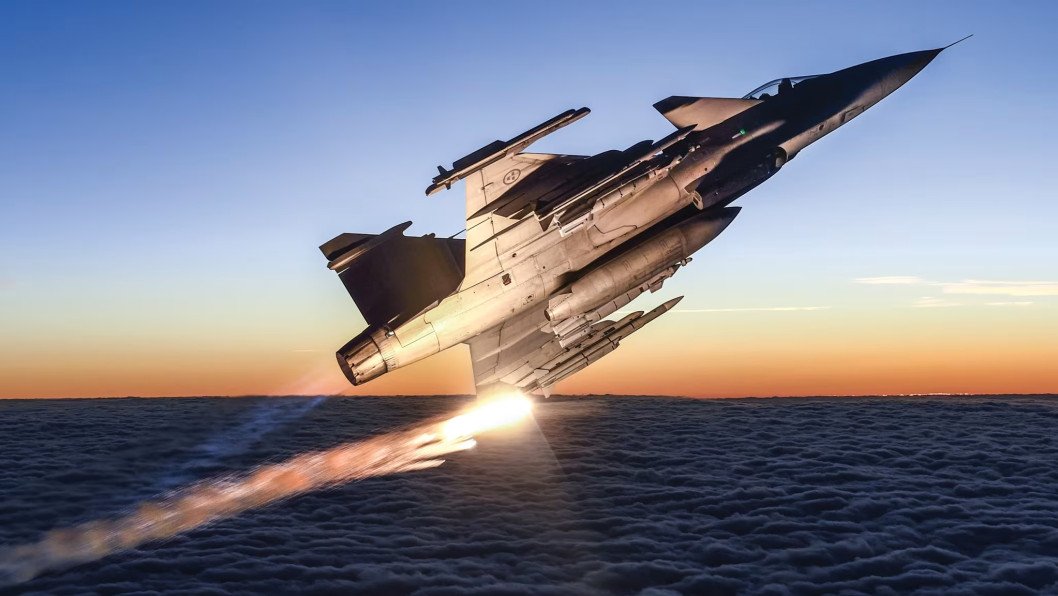
Gripen, Giraffe, Archer, the ASC 890 airborne early warning aircraft, CV90 infantry fighting vehicles, and other systems together form elements of a single, coherent ecosystem.
Sweden has spent decades building its defence around the principle of technological superiority over a more numerous adversary. Much of its development is therefore oriented towards rapid information sharing, automation, and the integration of different weapons systems with one another.
For Ukraine, which is building a next-generation army, this approach holds particular value.
And the partnership works both ways. Ukraine receives cutting-edge weapons, but it simultaneously provides the Swedish defence industry with something no NATO member state currently possesses: genuine, lived experience of the largest technology-driven war of the twenty-first century.
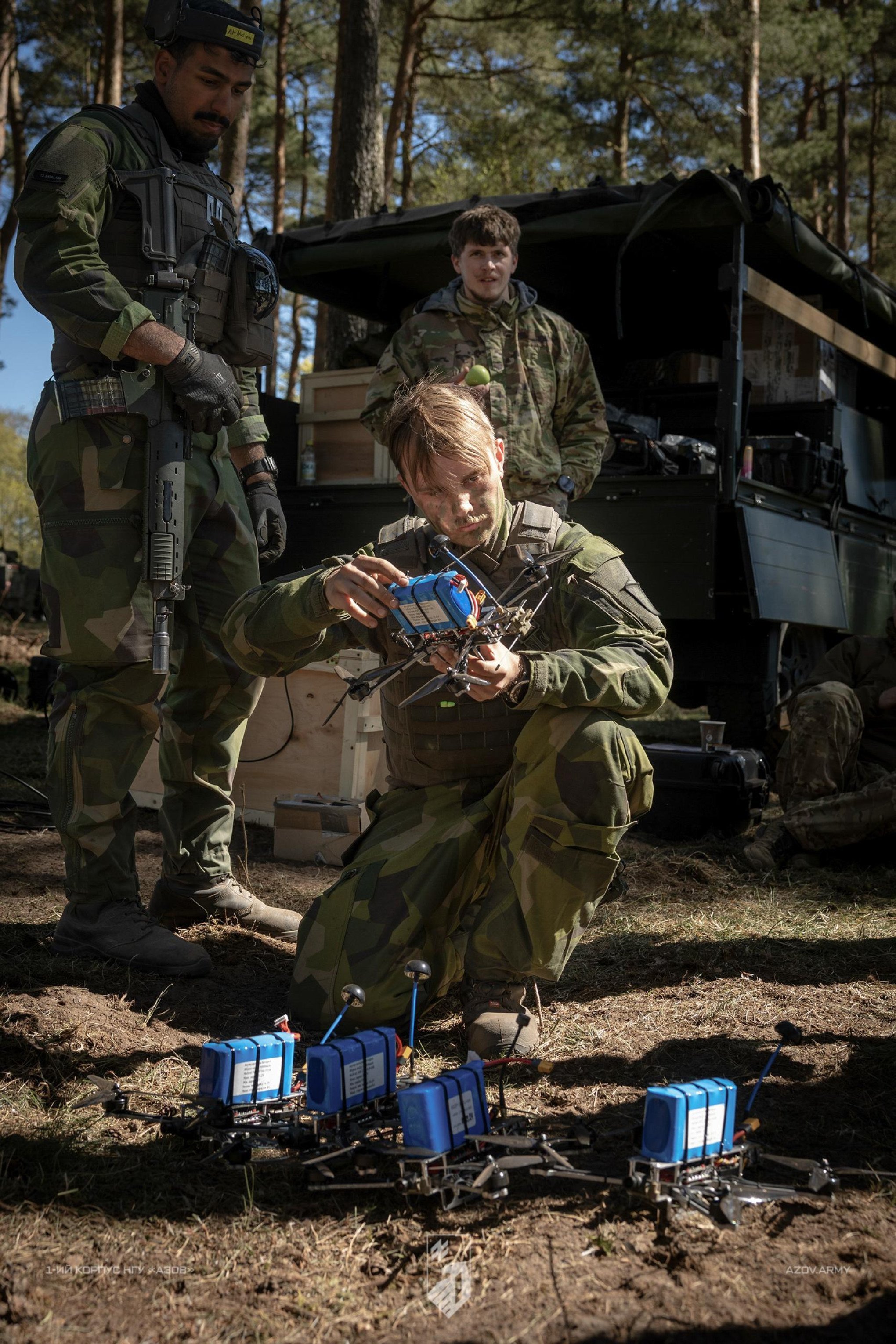
Every day on the front line, drones, electronic warfare systems, precision artillery, air defence assets, and digital command-and-control systems are deployed in active combat. This generates an enormous body of data on how weapons behave under real battlefield conditions.
For weapons manufacturers, that information is extraordinarily valuable. It enables faster modernisation, identification and correction of weaknesses, and adaptation of systems to emerging threats.
This is why the relationship between Kyiv and Stockholm is increasingly understood as a full partnership. Ukraine gains access to advanced technology and weapons systems. Sweden gains insight into the real warfare of the future, along with the ability to refine its own systems based on hard-won combat experience.
Both sides win. And the Ukraine–Sweden defence partnership is gradually becoming one of the most successful examples of such cooperation in contemporary Europe.
Discuss this article:
-4a56a6b482ec132402c16ef6fcabf9a2.png)


-111f0e5095e02c02446ffed57bfb0ab1.jpeg "Photo of Roman Kohanets")