- Category
- War in Ukraine
Thousands Lost, Thousands Deserted: What Leaked Files Reveal About One Russian Division
 Prefer U24 Media on Google
- Authors


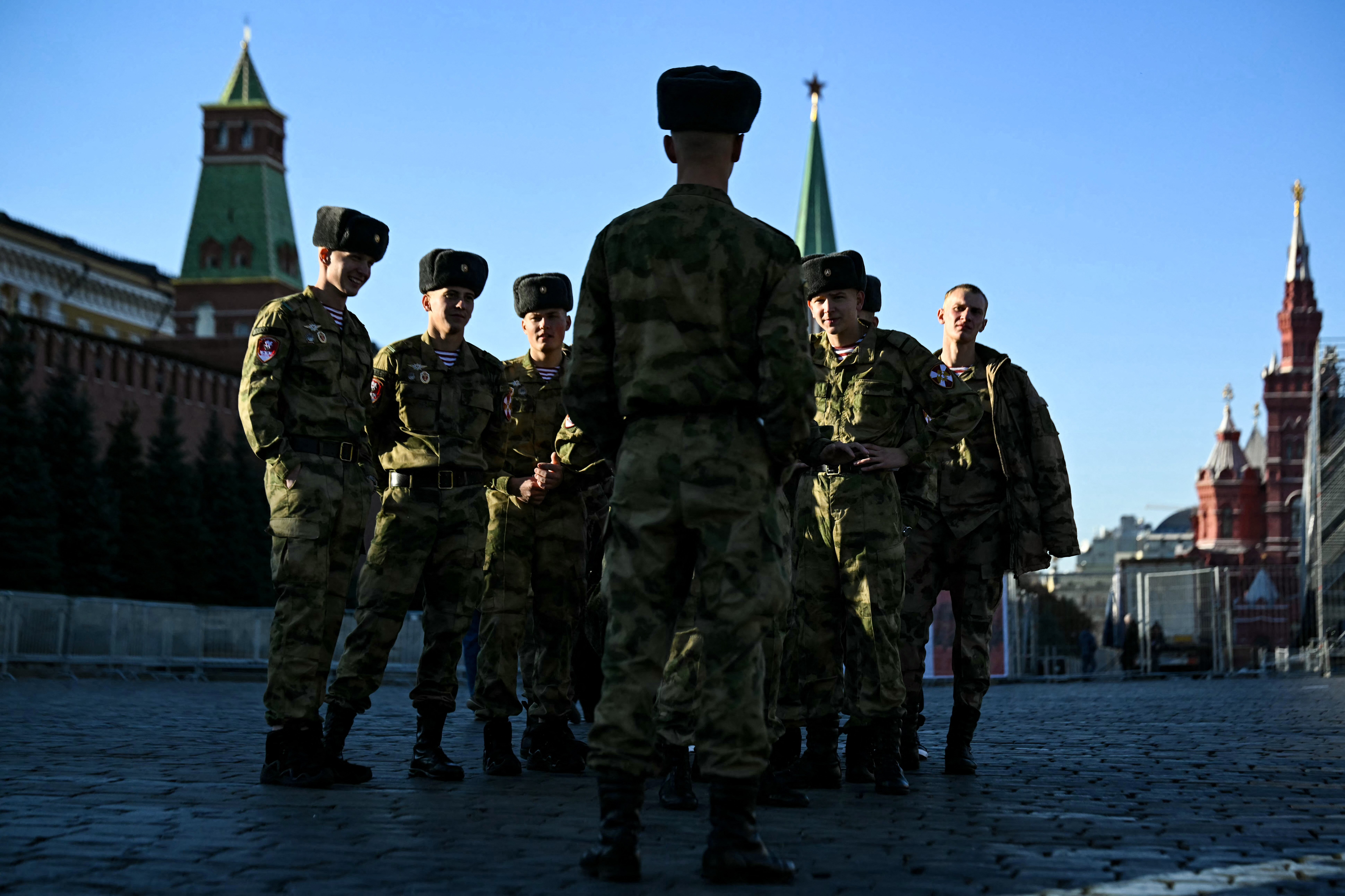
Internal Russian military documents obtained by Cyber-ATESH show battlefield losses, mass unauthorized absences, suicides, and serious disciplinary problems inside Russia’s 127th Motor Rifle Division, ATESH partisan movement reported on September 29.
When combined with battlefield reporting and independent Russian investigations, the documents suggest the division’s official casualty accounting may lag significantly behind losses recorded at the front—and that some of its units are suffering from deep problems with morale and command.
We bring you stories from the ground. Your support keeps our team in the field.
According to a Cyber-ATESH document dated March 5, 2025, the division had recorded 1,762 soldiers killed, 1,863 missing and 9,018 wounded since Russia launched its full-scale invasion of Ukraine.
That means 3,625 troops were officially listed as either dead or missing by that point.
The same records showed 228 servicemen with officially recognized disabilities, including 12 requiring prosthetics. At least 51 families had still not received one or more mandatory payments owed after a soldier’s death.
Ukraine’s 110th Separate Mechanized Brigade reported that units of the 127th Division suffered 1,215 irreversible losses in September 2025 alone during fighting in the Novopavlivka sector.
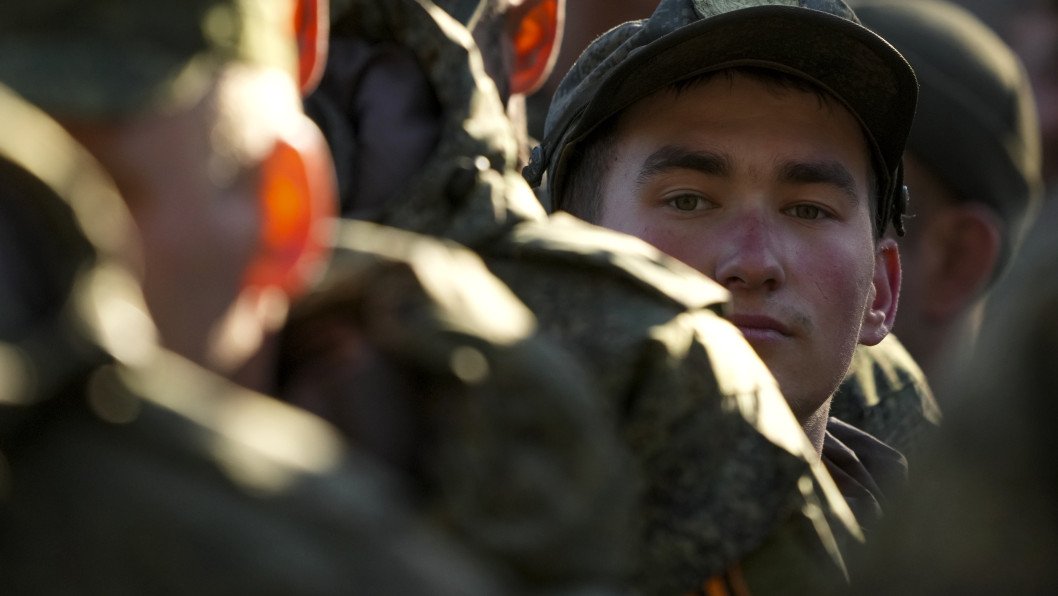
That single-month figure is much higher than the average implied by the division’s own cumulative records through March.
But Cyber-ATESH argues that the gap raises serious questions over how quickly casualties enter Russia’s internal accounting—and whether commanders have incentives to understate them when reporting upward.
Further evidence from 2026 suggests that heavy losses continued. Between March 28 and April 15, one battalion of the division’s 394th Regiment reportedly lost 31 troops killed, 24 missing and another 24 wounded—a total of 79 casualties in less than three weeks.
Using the available internal documents, battlefield reports and known periods of particularly intense fighting, Cyber-ATESH estimates that cumulative losses by September 2026 could plausibly have reached between roughly 5,100 and 7,650 personnel. The division’s theoretical strength is around 8,500 troops.
-f14be43f0648c4b4c92dc8a933010e69.jpg)
That does not mean the formation literally has only hundreds of soldiers remaining—Russia continually sends replacements into depleted units—but it suggests the division may have already lost the equivalent of most, or potentially all, of its original frontline combat personnel.
The documents also point to another problem: soldiers leaving their units. During 2024 alone, the 127th Division recorded 2,096 cases of unauthorized absence. Of those troops, 1,412 were eventually located, while 684 remained wanted.
Another 218 cases were recorded during the portion of 2025 covered by the internal report.
Together, the documents reviewed by Cyber-ATESH show more than 2,300 unauthorized absences—equivalent to more than a quarter of the division’s nominal strength, although some individuals may have returned to service.
Noncombat deaths add another layer to the picture. Internal records list 42 noncombat losses during 2024, including six suicides.
-98a798cd835614c7dfcf5e872eaf63a9.jpg)
A separate document dated April 8, 2026, examined the suicide of a sergeant in the division’s 114th Regiment. The investigation identified inadequate oversight by the commander of his assault detachment as a contributing factor and issued a reprimand to another officer responsible for military-political work for failing to establish a system to identify personnel considered at risk of suicide.
The 114th Regiment has also faced years of allegations over the treatment of its own soldiers.
Russian servicemen and their relatives have accused commanders of beatings, extorting combat pay, pressuring troops into contracts, sending seriously wounded soldiers back to combat and confining men who refused orders or had been declared medically unfit in locked rooms described as “cages.”
Independent Russian media reported that at least 33 complaints concerning the regiment reached the Russian human rights commissioner’s online office between late April and early September 2025.
Previously, Russian leader Vladimir Putin issued a new executive order adding 15,500 active service members to the Russian Armed Forces, bringing the total military headcount to 2,441,630, including 1,550,500 active military personnel.
Discuss this article:




-46f6afa2f66d31ff3df8ea1a8f5524ec.jpg "Photo of Jess Daly")