- Category
- War in Ukraine
Ukraine Just Got More French Crotale Air Defenses. Bad News for Russia’s Shaheds and Cruise Missiles
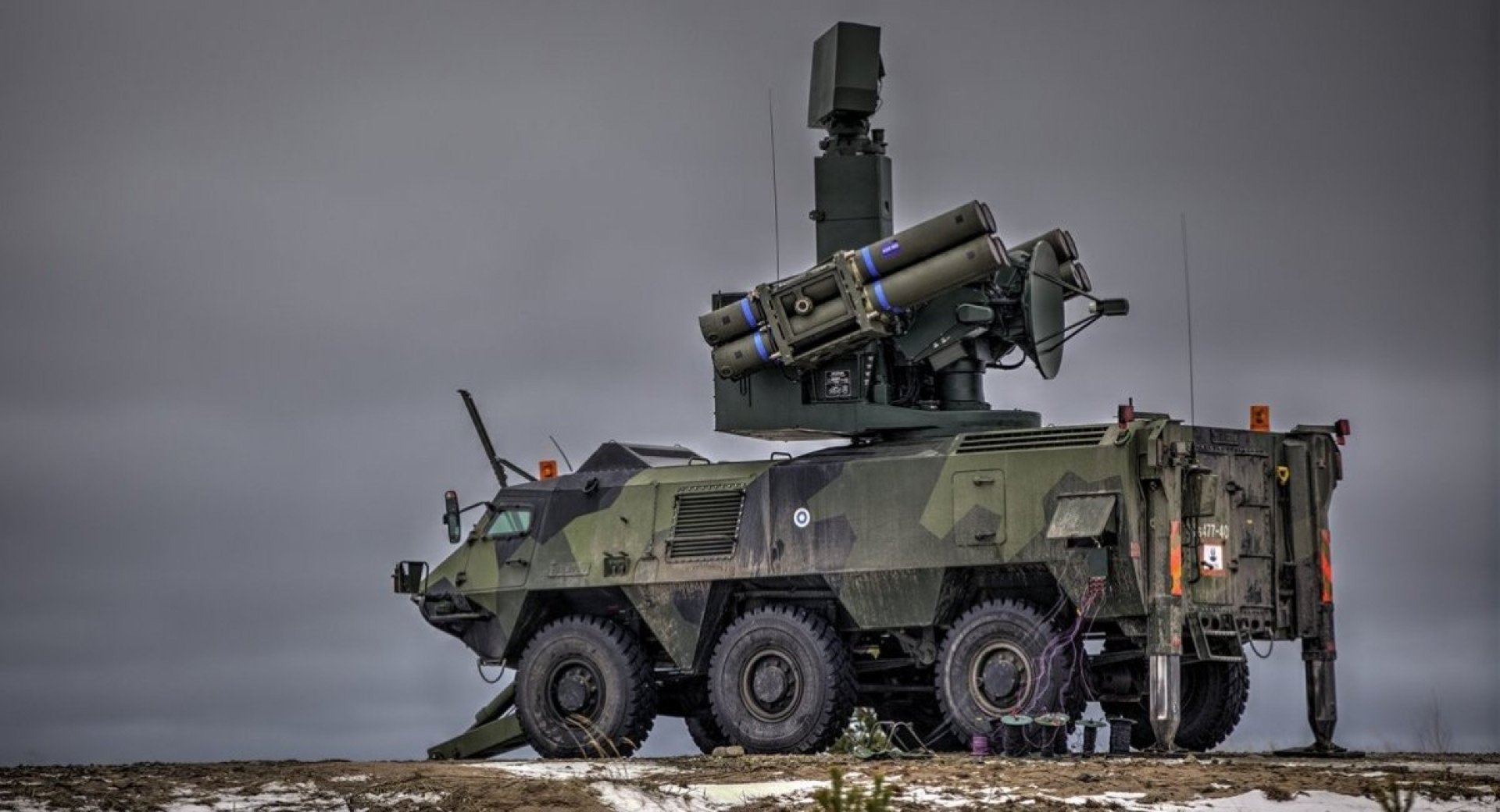
Ukraine’s skies face relentless Russian attacks by drones and missiles, making every layer of air defense critical. Now, partner countries have reinforced that shield with additional Crotale systems—French air defense systems capable of neutralizing some of Russia’s aerial threats.
 Prefer U24 Media on Google
- Authors

-29a1a43aba23f9bb779a1ac8b98d2121.jpeg "Photo of Illia Kabachynskyi")
Partner countries provided additional Crotale air defense systems, along with missiles for them, said Ukrainian President Volodymyr Zelenskyy during a press conference on August 25.
The paradox of this type of air defense system is that it was developed quite some time ago, yet continuous upgrades have kept it relevant to this day. Thanks to its rapid reaction time, it is effective against drones, helicopters, and cruise missiles.
These systems are not new to Ukraine. France first supplied them in 2022, when Ukraine may have received four systems. The exact number included in the latest delivery has not been disclosed.
What is the Crotale air defense system?
The history of Crotale began in South Africa. In 1964, South Africa signed a contract with the French company Thomson-Houston—later Thomson-CSF and now part of Thales Group—to develop a mobile, all-weather air defense system capable of destroying targets at low and extremely low altitudes, precisely where the long-range systems of the time were least effective. The first systems, named Cactus, underwent testing in 1971 and were immediately adopted by the South African military.
The French military adopted its own version of the system in 1972, named Crotale, which literally means “rattlesnake” in French. The name reflects the system’s core concept: rather than massive, stationary defenses, it delivers a fast, mobile “bite” in response to a sudden threat.
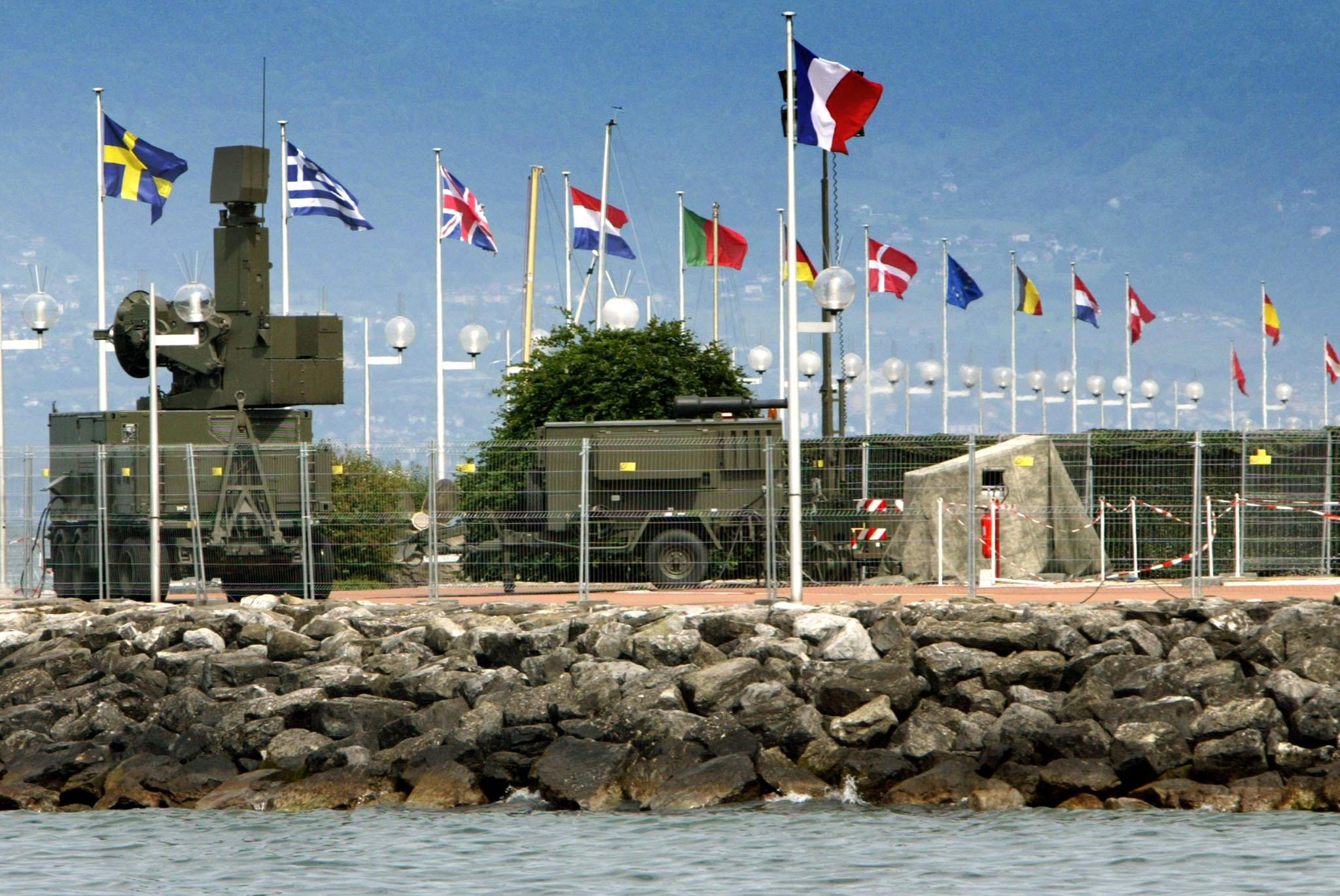
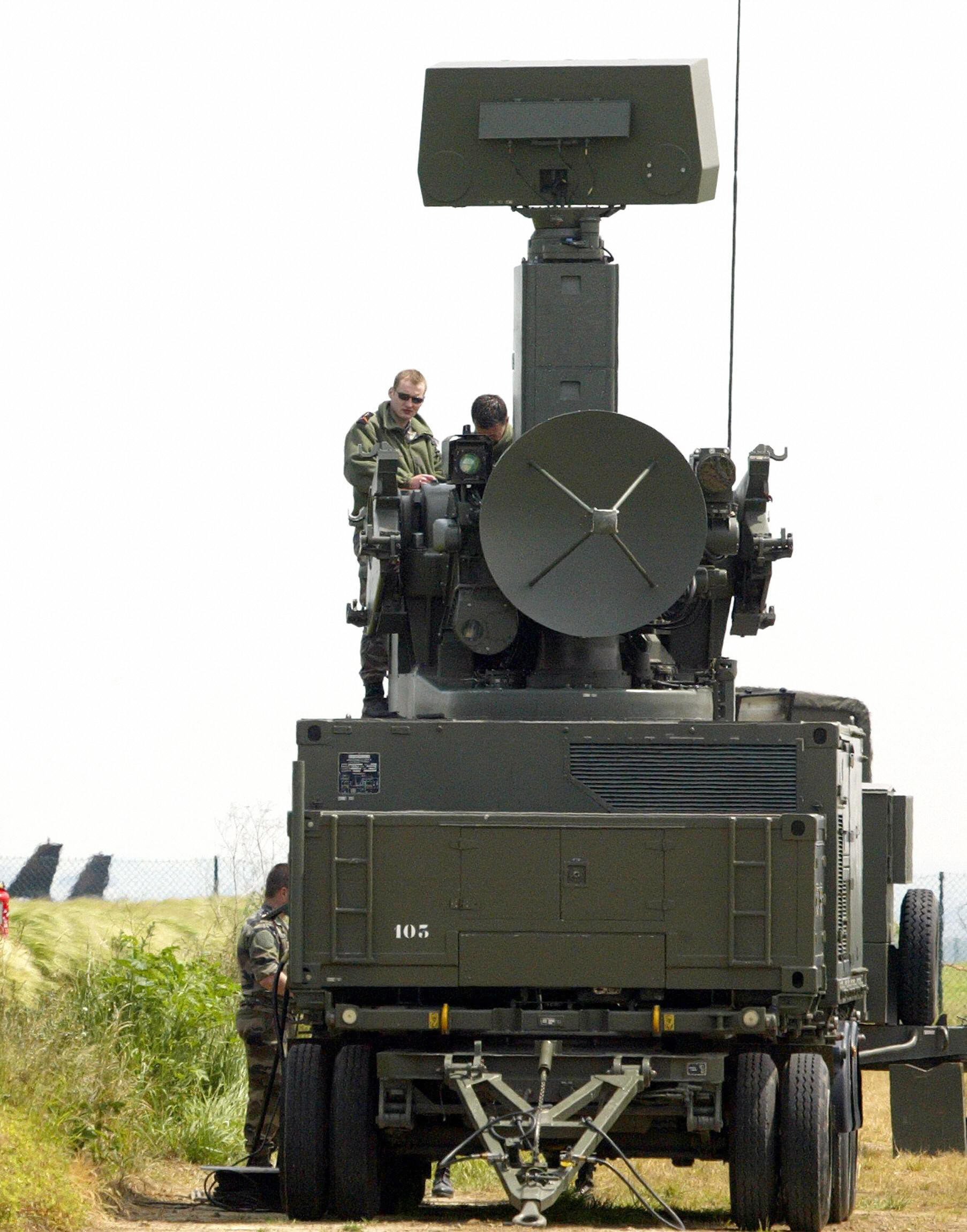
Over more than 50 years, the system has gone through several generations of upgrades. Today, France and its partners operate the Crotale NG (Next Generation), which features enhanced radar capabilities and an increased ammunition load of up to eight missiles per launcher.
Today, Crotale NG serves as a last line of defense. In Ukraine’s case, this means primarily Shahed-type drones and the decoys that accompany them during large-scale attacks, as well as cruise missiles. The system is generally deployed where Patriot or NASAMS systems are less effective because the target is too close.
Its engagement range is 10–20 kilometers (6–12 miles), with a maximum altitude of 6 kilometers (3.7 miles). A missile takes only about 10 seconds to cover a distance of 8 kilometers (5 miles).
The system can detect up to 30 targets simultaneously, track the 12 most dangerous among them, and engage four at once.
A key advantage is the VT-1 missile's speed and maneuverability, which enable it to intercept targets that are actively maneuvering or flying at extremely low altitudes, where long-wavelength radars are less effective. The system combines radar and electro-optical tracking with radio-command guidance, meaning it can continue operating even when the enemy attempts to suppress it with electronic warfare.
All subsystems—the radar, thermal imager, infrared sensors, launchers, and fire-control station—are integrated into a single platform and can be connected to the broader air defense network by exchanging data with other systems.
What can Crotale shoot down?
When the first Crotale NG systems arrived in Ukraine in 2022, they were immediately deployed against Shahed drones. The rationale was clear: the drones flew at low altitudes, using expensive Patriot or NASAMS missiles against them was impractical, yet protection was still necessary. The French air defense systems were well-suited to the task.
Today, Ukraine uses Crotale both near the front line to destroy Russian aircraft and helicopters and in the rear to intercept cruise missiles, protecting critical infrastructure and key facilities.
In 2026, the system remains relevant precisely because it continues to perform its intended missions, including shooting down drones and cruise missiles. Given that Russia has increased the scale of its Shahed launches from just a handful at a time in 2022 to thousands per day today, having weapons of this type is critically important for Ukraine.
Discuss this article:

-c439b7bd9030ecf9d5a4287dc361ba31.jpg "Photo of Katherina Popilnichenko")