- Category
- War in Ukraine
Ukraine Opens the Race to Build Combat Exoskeletons
 Prefer U24 Media on Google
- Authors


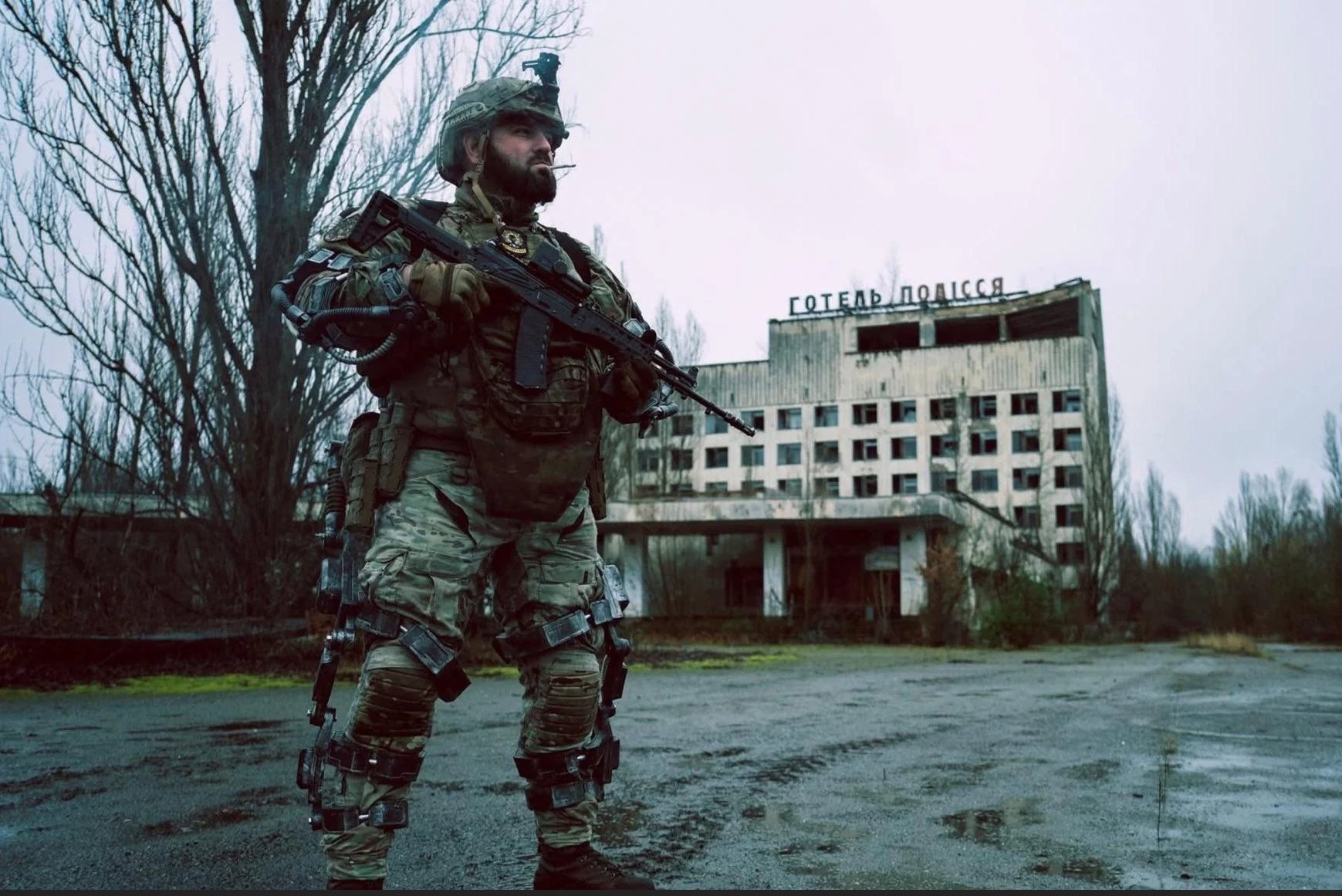
Ukraine has expanded its defense innovation funding program, placing combat exoskeletons among its highest development priorities as the government seeks to accelerate new battlefield technologies for the Armed Forces.
We bring you stories from the ground. Your support keeps our team in the field.
According to Ukraine’s Ministry of Defense, the state-backed defense innovation cluster Brave1 has increased the maximum grant available for a single project to 8 million hryvnias (about $190,000) while introducing dozens of new technology priorities aimed at strengthening Ukraine’s domestic defense industry.
The updated program, developed jointly with Ukraine’s Defense Forces, identifies 53 technology priorities across nine categories.
Funding ranges from 500,000 hryvnias (about $12,000) to 8 million hryvnias (about $190,000), depending on the technology’s readiness level (TRL), and is intended to support projects from early concept validation through prototype development and testing, the Ministry of Defense said.
Alongside the main grant program, Brave1 is launching a dedicated initiative called BraveTech EU, focused on breakthrough defense technologies. Unlike the standard grants, projects selected under BraveTech EU may receive up to 8 million hryvnias (about $190,000) regardless of their initial technology readiness, provided they deliver a working prototype.
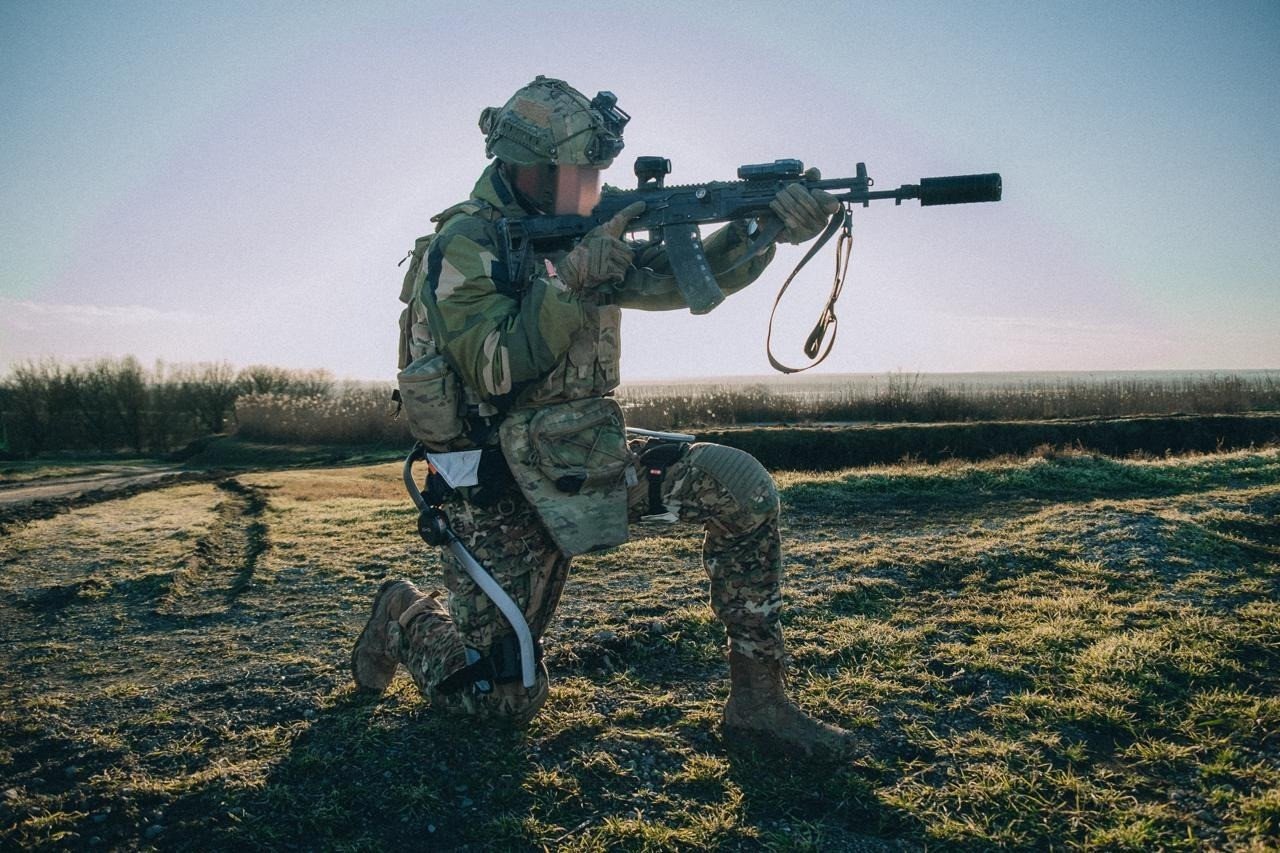
Combat exoskeletons are among the flagship priorities of the new program, alongside casualty evacuation drones, active protection systems for armored vehicles, high-speed strike weapons, lightweight torpedoes, and bunker-penetrating munitions. According to the Ministry of Defense, BraveTech EU has identified more than 40 priority technologies for future development.
Military exoskeletons have drawn growing interest from armed forces worldwide as developers seek ways to reduce soldiers' physical workload during long marches, urban combat, and casualty evacuation.
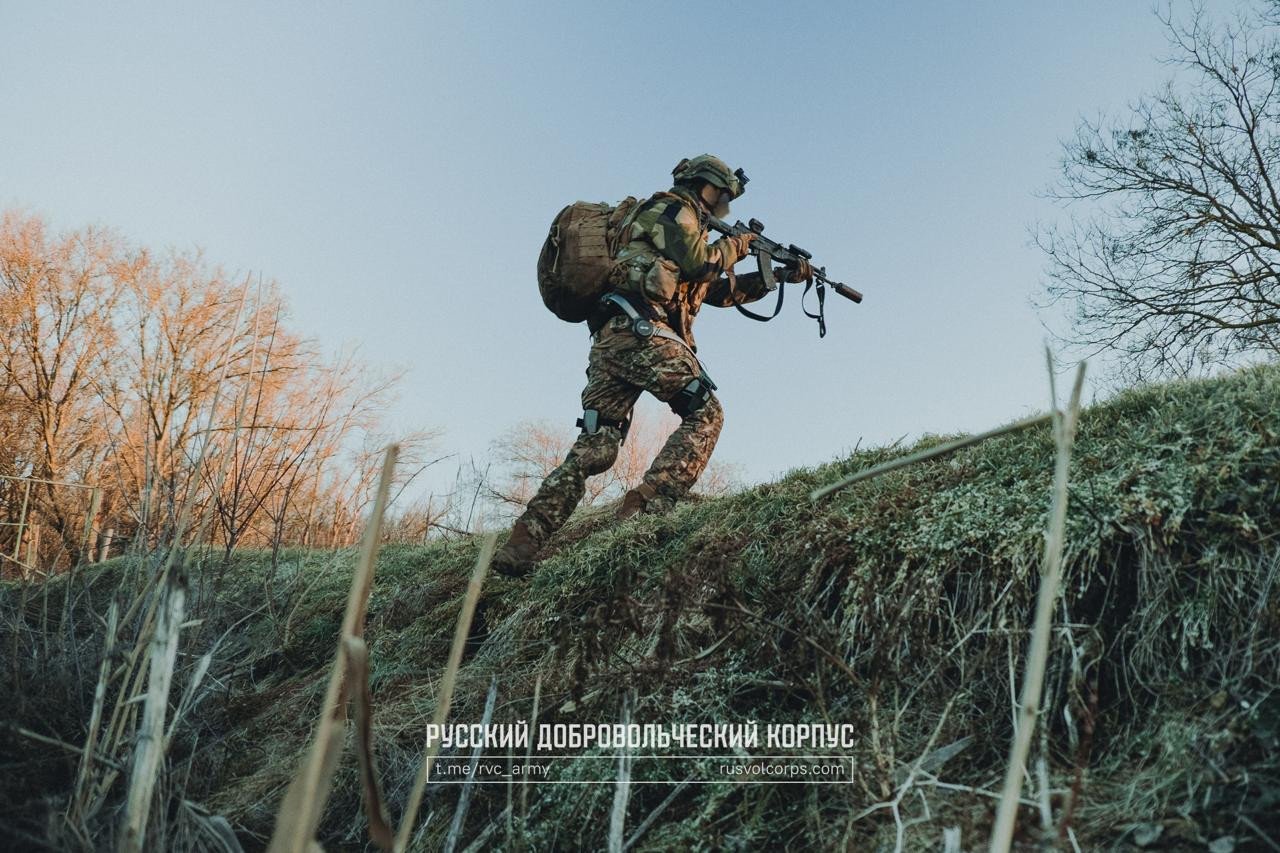
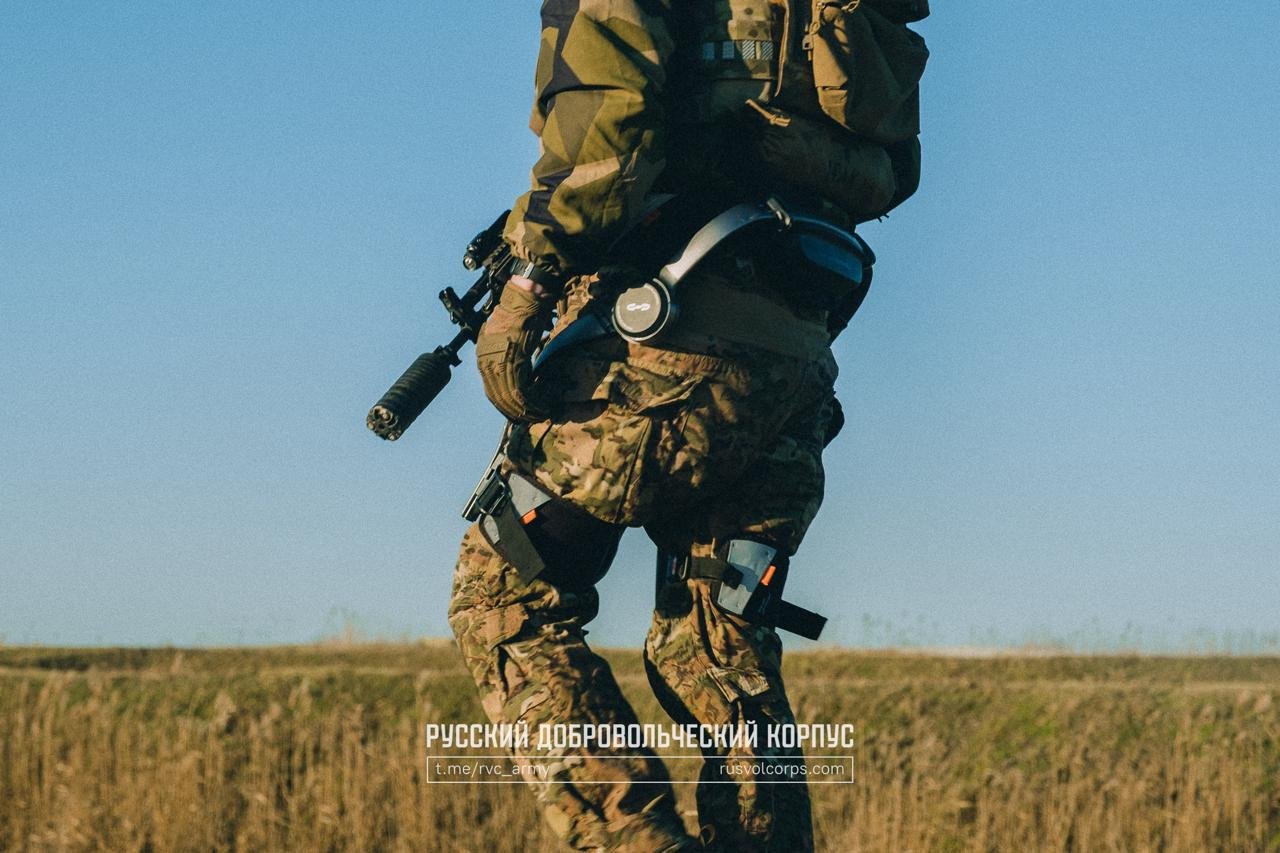
Modern powered and passive systems are designed to help troops carry heavier equipment, improve endurance, and lower the risk of musculoskeletal injuries, though relatively few have progressed to operational military service.
Brave1 has become one of Ukraine’s primary platforms for accelerating military innovation, connecting private developers with the Armed Forces while providing state funding for technologies considered critical to the country’s defense capabilities.
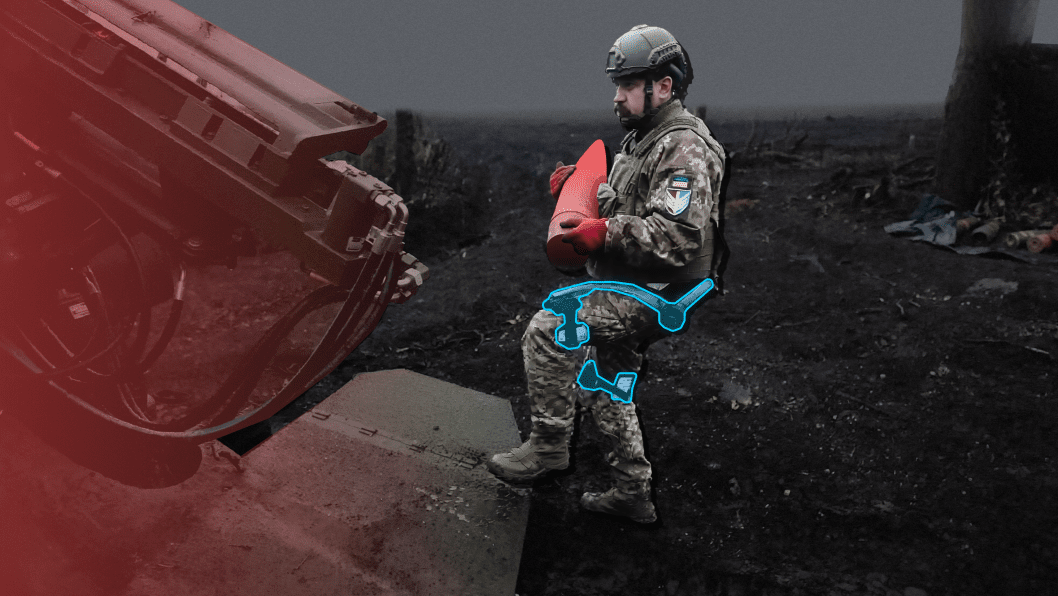
Ukraine has already begun testing domestically developed military exoskeletons. In April 2026, the Defense Forces started field trials of the passive Gyurza-1 exoskeleton, designed to reduce physical strain on soldiers carrying heavy equipment, ammunition, or evacuating wounded personnel.
Weighing less than two kilograms, the mechanical system can help users carry loads of up to 70 kilograms without batteries or electronic components, reflecting Ukraine’s growing investment in technologies aimed at improving soldiers' endurance and battlefield effectiveness.
Discuss this article:
-9a7b3a98ed5c506e0b77a6663f5727c5.png)



-efa69d4733b5af9f7cd0a642f85424a6.jpeg "Thick black smoke rises from the heavily damaged Proton-Electrotex plant in Orel, Russia, following a reported strike. (Source: Exilenova+)")