- Category
- War in Ukraine
Ukraine Uncovers Russia’s Secret Fleet of Unmanned Sea Vessels
 Prefer U24 Media on Google
- Authors

-c439b7bd9030ecf9d5a4287dc361ba31.jpg "Photo of Katherina Popilnichenko")
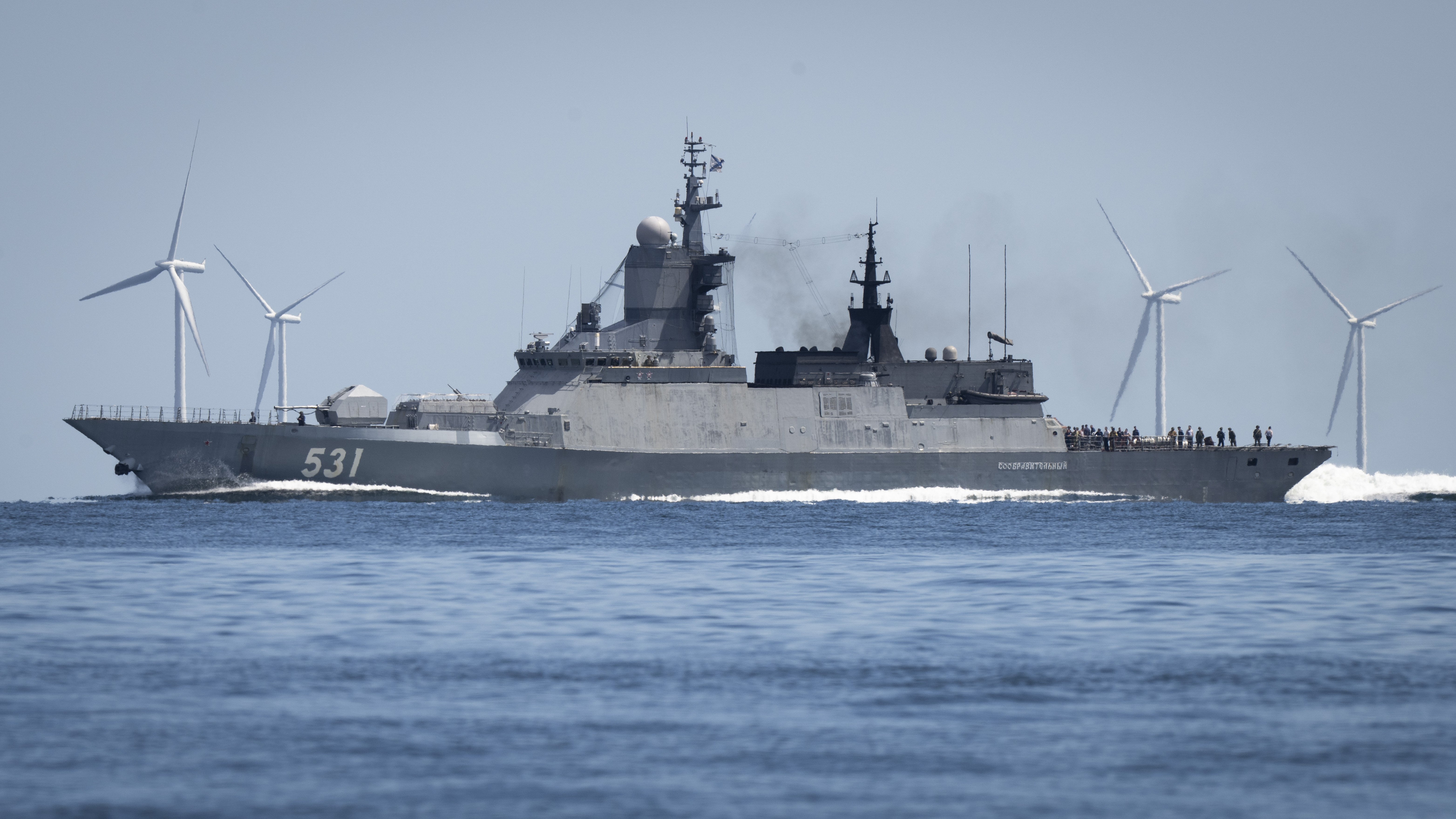
Ukrainian defense intelligence has released details on Russia’s uncrewed surface vessels (USVs) on its official website on August 18. The update revealed platforms capable of carrying up to 1 metric ton of payload.
These maritime drones can operate at ranges reaching 500 kilometers and attain speeds of up to 55 knots.
We bring you stories from the ground. Your support keeps our team in the field.
The catalog of unmanned platforms ranges from early reconnaissance and hydrographic craft to multi-purpose combat platforms designed for coastal attacks, anti-ship strikes, and serving as motherships for FPV drones.
Early Russian projects include the Skanda, an uncrewed vessel tested on Lake Ladoga in 2014 and in occupied Sevastopol in 2019, which offers a range of up to 150 km at speeds of at least 20 knots.
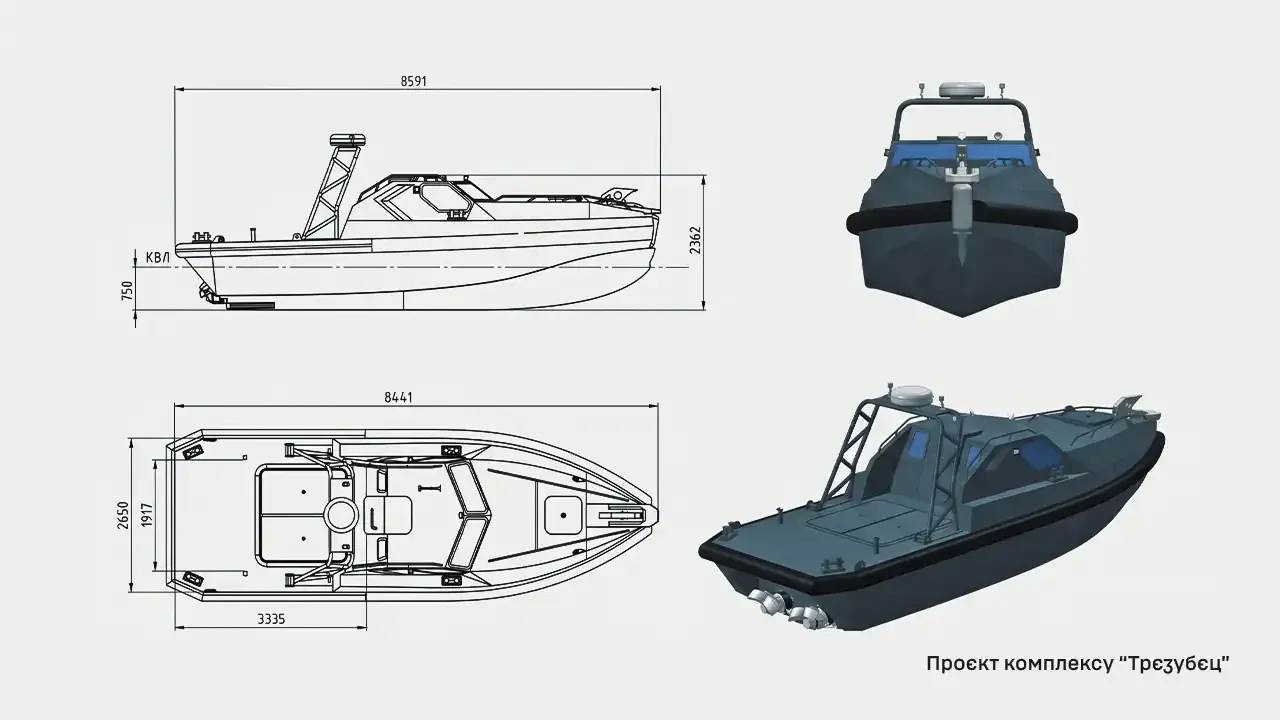
Subsequent developments include the Iskatel, capable of carrying 600 kg at 25 knots with up to seven days of endurance, and the Farvater, a planing catamaran featuring an operational range of at least 250 km and speeds up to 32 knots. Additionally, the 8.6-meter Trezubets delivers speeds up to 30 knots via twin 320-horsepower engines.
Russia's combat-oriented platforms feature significant payload capacities and specialized features. The Vizir-700 carries up to 600 kg at speeds up to 80 km/h, equipped with a bow weapon station for machine guns and rocket launchers, alongside a newer Vizir-2M variant.
The Zefir/Orkan system provides an operating range of up to 400 km, speeds up to 35 knots, and a 400 kg payload capacity. Heavyweight models include the BEK-1000, which carries up to 1 ton of payload across distances over 500 km at 40 knots, and the Katran, designed to launch FPV drones over ranges of 100 to 200 km.
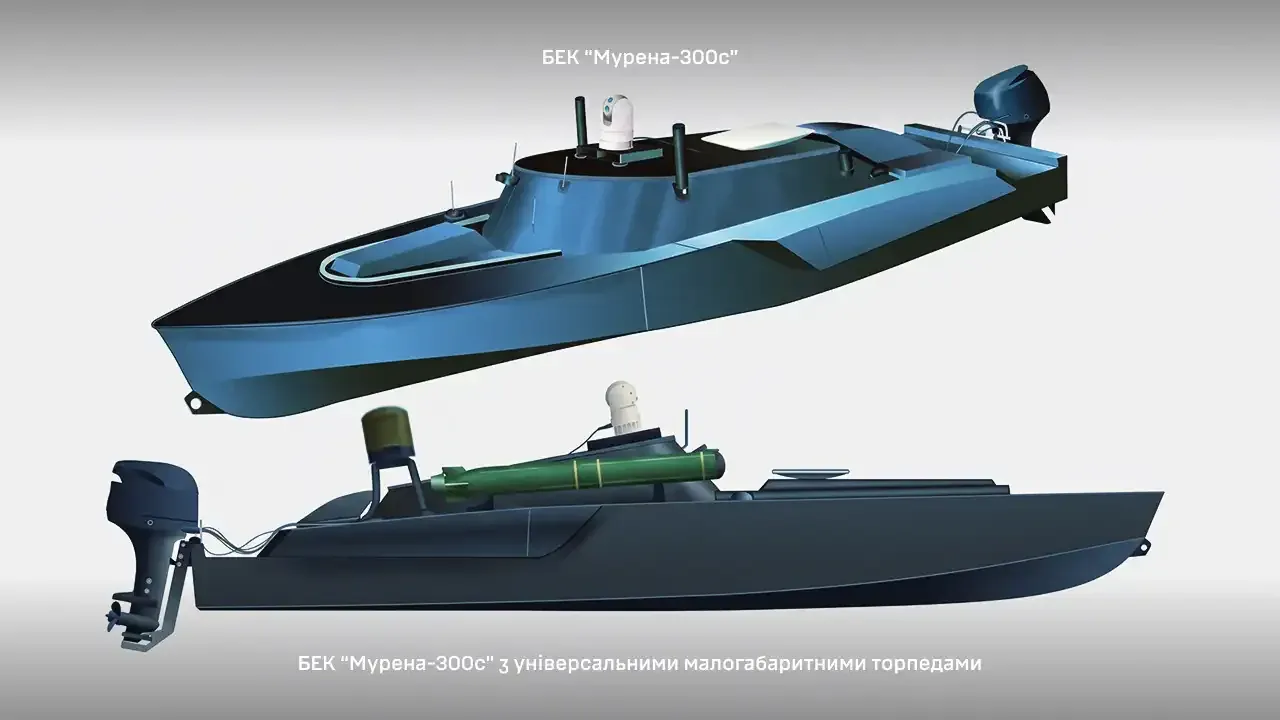
Other specialized models include the Murena-300s, which features a 500 km range, a tethered aerial drone that ascends up to 100 meters, and options for torpedoes or FPV deployment.
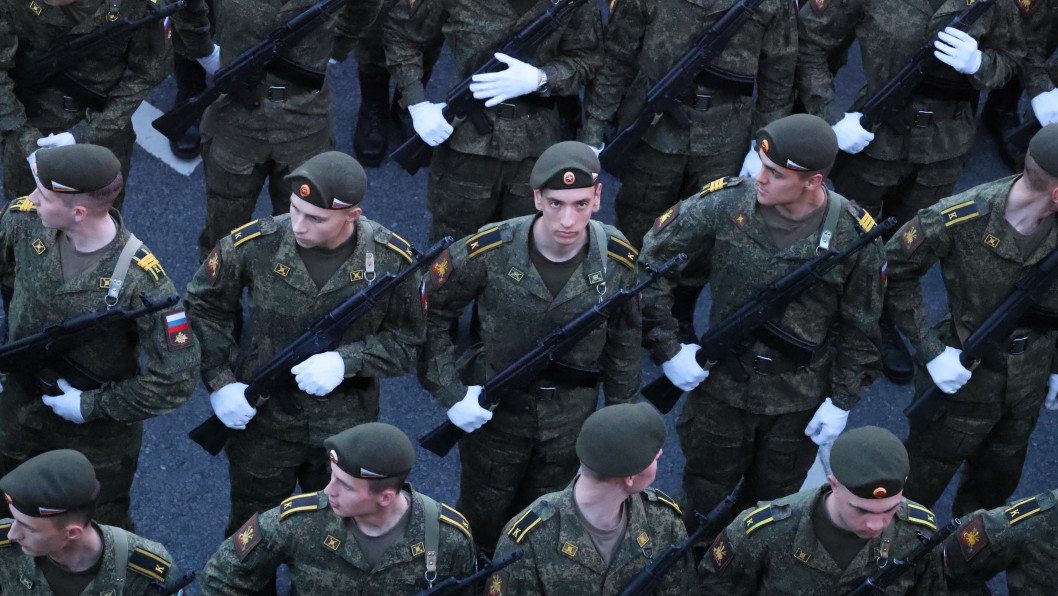
Defense intelligence reiterated that all production facilities manufacturing these Russian vessels represent legitimate military targets during Russia’s full-scale invasion of Ukraine.
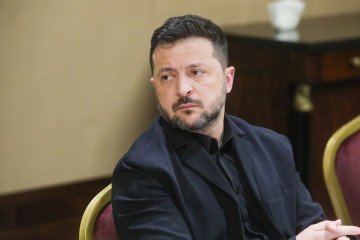
During the Ukrainian Youth Forum on August 12, President Volodymyr Zelenskyy announced that Ukraine and its partner nations had established a joint action plan aimed at ending Russia’s full-scale invasion of Ukraine.
He stressed the necessity of expanding domestic pressure against the invading power, stating, "We need to bring the war back to the territory of Russia," so that Russian society would feel the consequences and exert pressure on its authorities.
At the same time, the Ukrainian leader urged international partners to strengthen defense support, specifically regarding air defense systems, as Moscow was preparing a new wave of autumn mobilization following pseudo-parliamentary elections.
Discuss this article: