- Category
- War in Ukraine
Ukraine’s Naval Success Officially Drives Major Transformation of Britain’s Royal Navy
 Prefer U24 Media on Google
- Authors


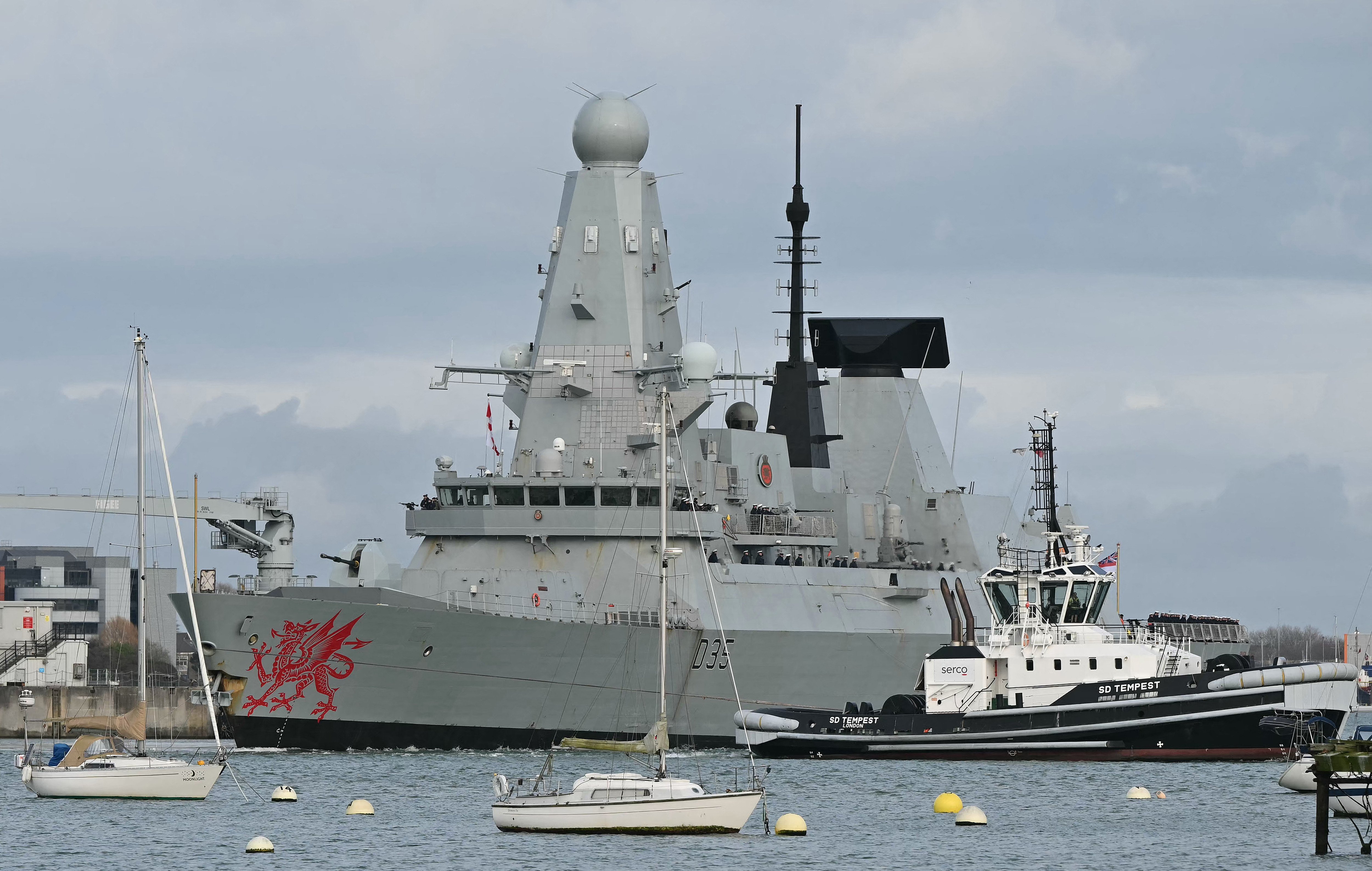
The United Kingdom is moving toward a new “hybrid fleet” model centered on autonomous naval systems after studying Ukraine’s use of maritime drones against Russia in the Black Sea.
We bring you stories from the ground. Your support keeps our team in the field.
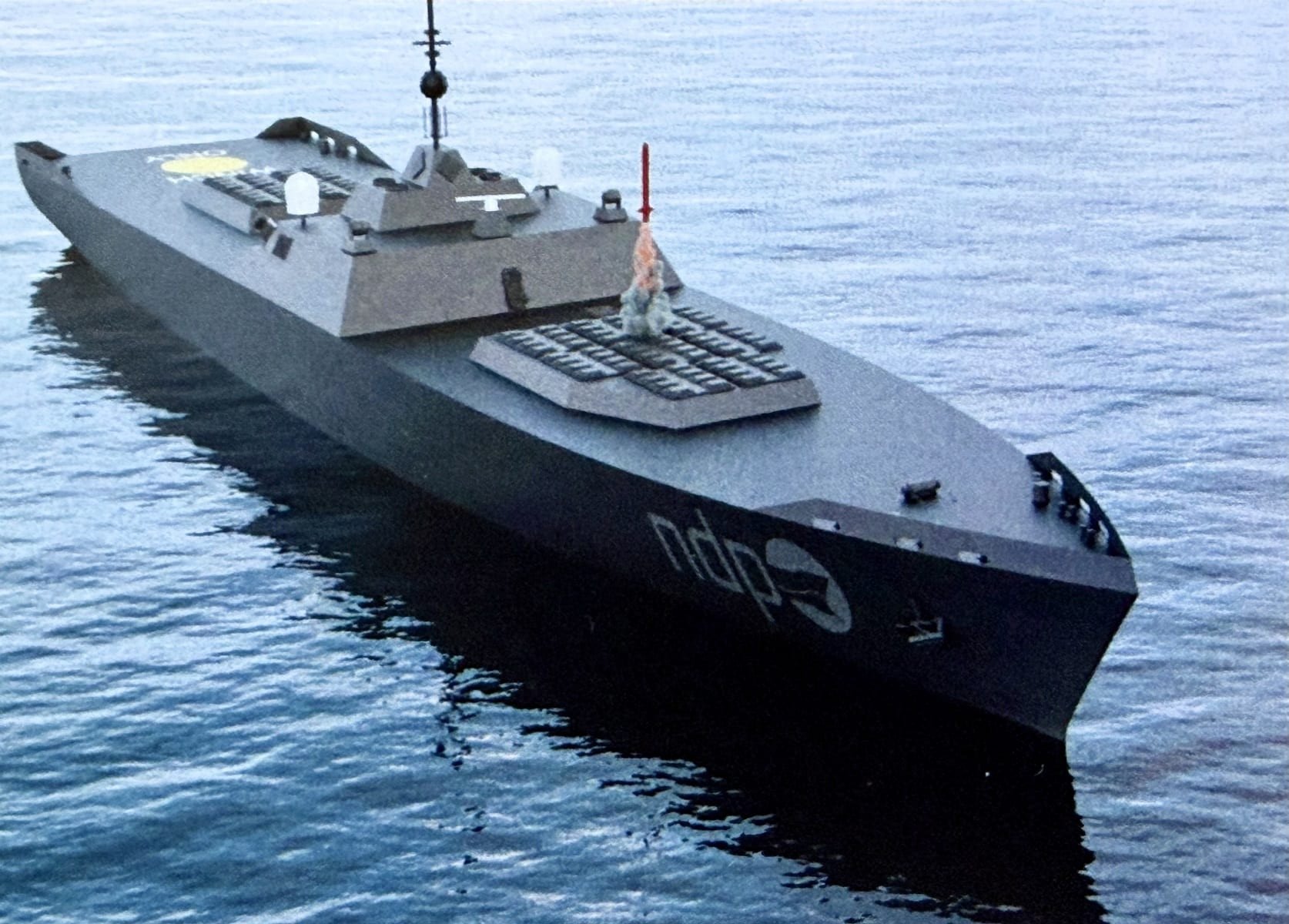
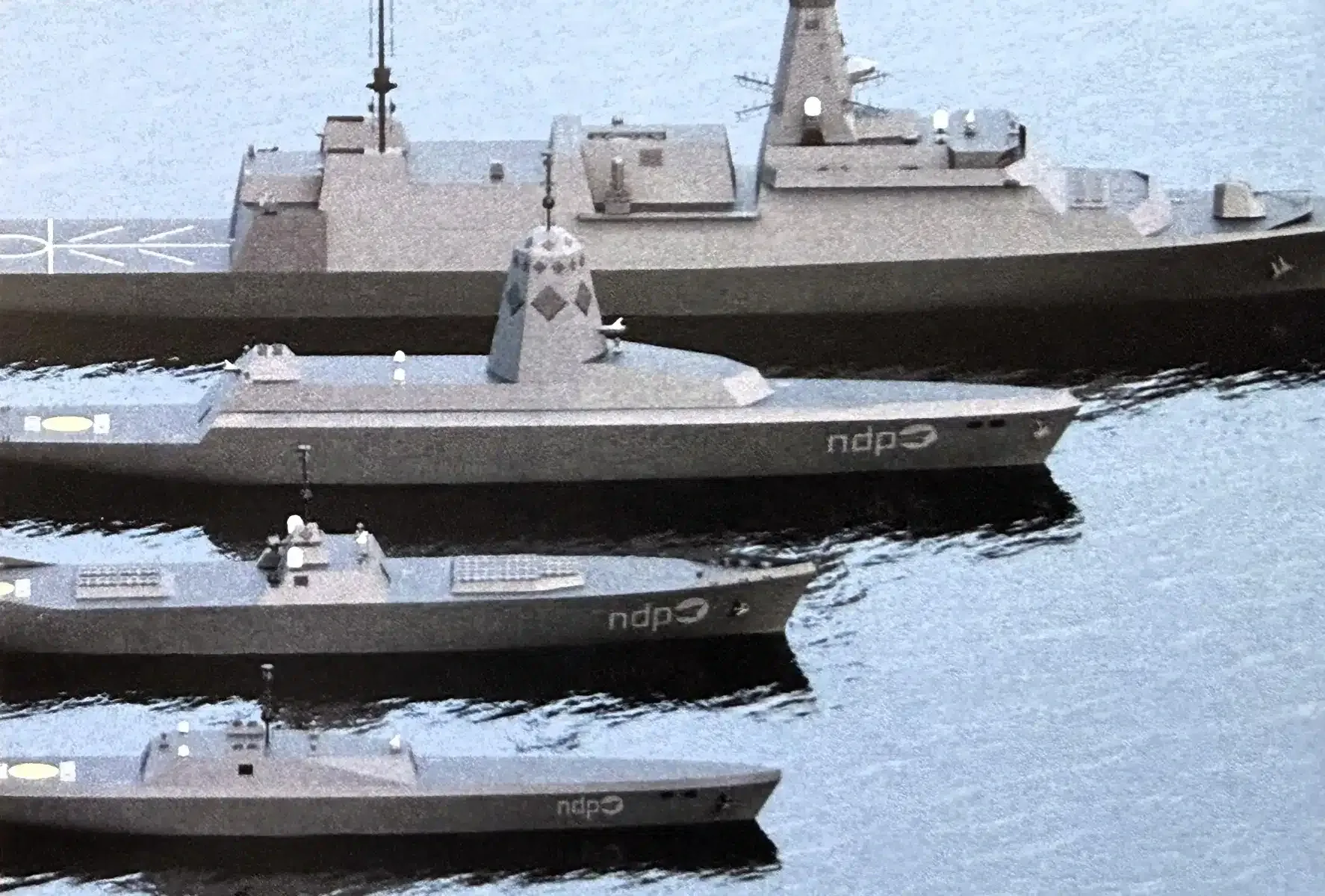
According to Defense Express, citing statements by First Sea Lord Adm. Gwyn Jenkins published by Naval News on May 26, the Royal Navy’s future force structure will combine traditional crewed warships with autonomous surface vessels, underwater platforms, and unmanned aerial systems operating as an integrated combat network.
Jenkins outlined the concept during the Defence Leaders Combined Naval Event conference, where he said the transformation was necessary for future operations in the North Atlantic and Arctic regions against Russian threats.
“We have a plan, we are implementing it, and we are prepared to transform the Royal Navy because we must, because there is no choice,” Jenkins said, according to Naval News.
The planned restructuring shifts away from relying on a limited number of highly specialized warships toward a larger distributed force that includes autonomous systems performing combat, reconnaissance, air defense, and strike functions.
According to Defense Express, the Royal Navy believes the model can increase fleet mass and operational flexibility while reducing costs compared with traditional force structures.
Jenkins also said that “there is no time to indulge cynicism or traditionalists because autonomy is already visibly changing the character of warfare.”
The concept was reportedly influenced by Ukraine’s maritime campaign in the Black Sea, where Ukrainian naval drones have repeatedly targeted Russian warships, patrol vessels, and military infrastructure since the start of Russia’s full-scale invasion.
According to Defense Express, British naval planners intend to adapt lessons from those operations for use in northern maritime theaters, including the North Atlantic and the Arctic.
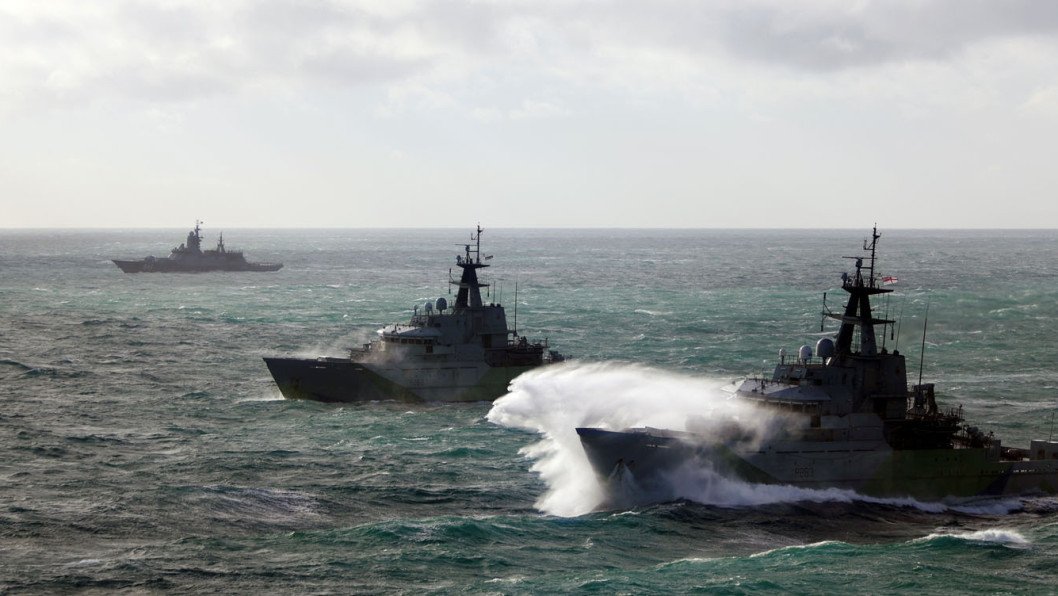
The outlet reported that the Royal Navy has already tested elements of the hybrid fleet concept during large-scale exercises designed to evaluate the integration of crewed and autonomous systems. The drills reportedly demonstrated improvements in air defense, missile defense, and response readiness.
Earlier, the United Kingdom announced plans to revive elements of its Cold War-era “war book” system for national wartime preparedness, citing lessons from Russia’s war against Ukraine and growing concerns over threats to critical infrastructure.
Discuss this article:
-9a7b3a98ed5c506e0b77a6663f5727c5.png)


-80134f2dc17b4a887d01513a1c7bc929.png "Illustration of Russian military infrastructure targeted by Ukrainian strikes in temporarily occupied eastern Ukraine. (Source: General Staff of the Armed Forces of Ukraine)")