- Category
- War in Ukraine
US Aviation Giant Bell Textron Explores Manufacturing Hub in Ukraine
 Prefer U24 Media on Google
- Authors

-72b63a4e0c8c475ad81fe3eed3f63729.jpeg "Photo of Cyril Barabaltchouk")
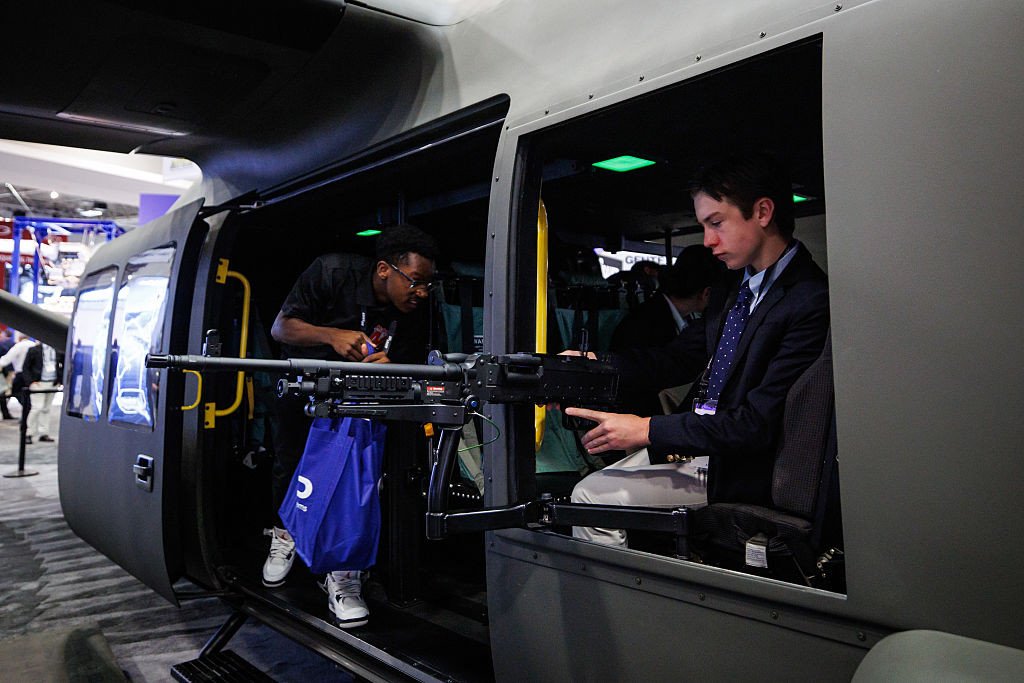
American aviation giant Bell Textron has established a legal entity in Ukraine and entered negotiations to explore local helicopter manufacturing, signaling a long-term investment in the country’s defense sector, Aeronaut.media reported on June 2.
The company recently signed a Letter of Intent (LOI) with the Ukrainian government to evaluate industrial cooperation inside the country. The partnership focuses on the potential localization, assembly, and maintenance of Bell’s H-1 helicopter platform, which includes the AH-1Z Viper attack helicopter and the UH-1Y Venom multi-purpose helicopter.
We bring you stories from the ground. Your support keeps our team in the field.
“Our recent announcement of creating a legal entity in Ukraine is a deliberate step within a long-term strategy aimed at establishing possible industrial cooperation inside the country,” Bell Textron Ukraine Director Phil Fickes said in an interview with Aeronaut.media. “The cooperation between Bell and Ukraine has a great future, and we are glad to see how our partnership is developing.”
The initiative aims to position Ukraine as a central player in European defense infrastructure rather than treating the country solely as an export market. Fikes explained that once the current invasion concludes, the Kremlin’s war will have reshaped regional security, making Ukraine a logical center for Western defense production.
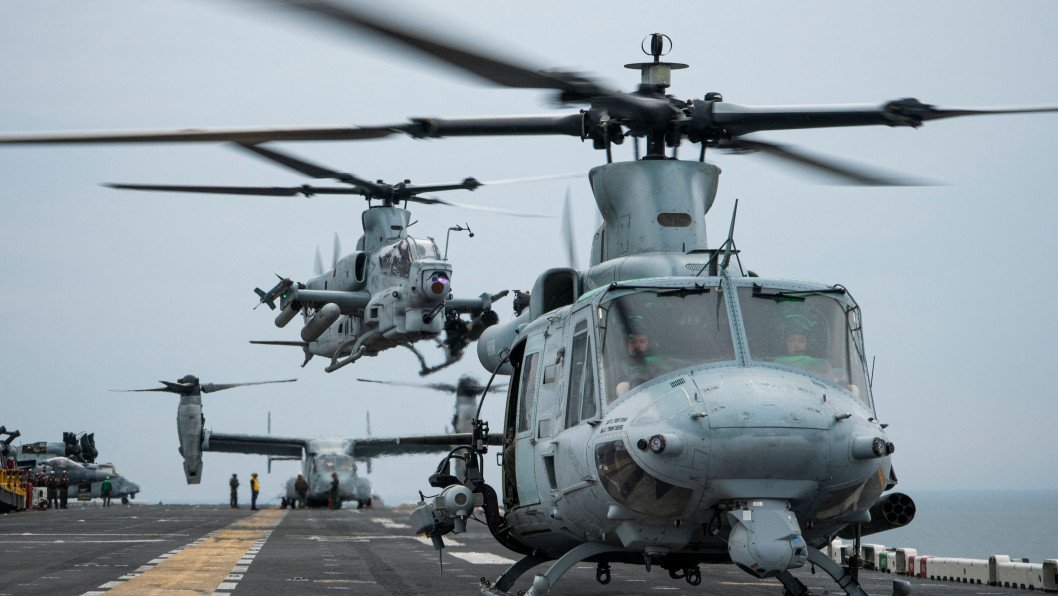
“If we look into the future, after the conclusion of the conflict, the country could become a key site for assembling H-1 platform aircraft, as well as a center for their maintenance and repair in Europe,” Fikes noted, according to Aeronaut.media. “Ukraine is not just a potential new sales market. This initiative is capable of taking Bell Textron to an even higher global level.”
The choice of the H-1 platform offers significant logistical advantages for Ukraine’s armed forces, Aeronaut.media writes. The AH-1Z Viper and UH-1Y Venom share 85% component commonality, including identical servicing procedures, support equipment, and powertrain parts. This high level of uniformity allows a single engineering team to service both attack and transport fleets, significantly lowering operating costs and streamlining wartime supply chains.
While deploying manufacturing capabilities to a country facing regular missile strikes involves clear operational risks, Bell Textron is working directly through official Washington channels to safeguard the initiative. Future procurement and industrial setup will be managed under the US Foreign Military Sales (FMS) program.
“We clearly adhere to every stage of the Foreign Military Sales procedure under the supervision of the US Government to minimize as many risks as possible, ensure compliance with all protocols, and take necessary protective measures,” Fikes stated.
Aeronaut.media notes that Bell Textron has already initiated preliminary discussions with Ukrainian aerospace enterprises to evaluate local technical capabilities, though the company declined to name specific candidates like Antonov or Motor Sich at this early stage. The program also outlines plans to train Ukrainian personnel, which may include embedding local engineers directly within Bell’s core engineering groups in the United States to fully master the technical specifications of the Viper and Venom platforms.
This industrial cooperation aligns with larger Ukrainian efforts to integrate its defense logistics with Western allies. Ukraine’s Defense Procurement Agency had recently launched a multinational coalition named CORPUS alongside Finland, Italy, Norway, Sweden, and the United Kingdom.
The alliance standardizes supply chains and exchanges procurement data, while establishing an official framework that could eventually streamline the export of Ukrainian-made weapons to international partners.
Discuss this article:
-9a7b3a98ed5c506e0b77a6663f5727c5.png)


-c439b7bd9030ecf9d5a4287dc361ba31.jpg "Photo of Katherina Popilnichenko")