- Category
- War in Ukraine
What If Ukraine Could Strike Military Targets Deep Inside Russia From the Very Start?
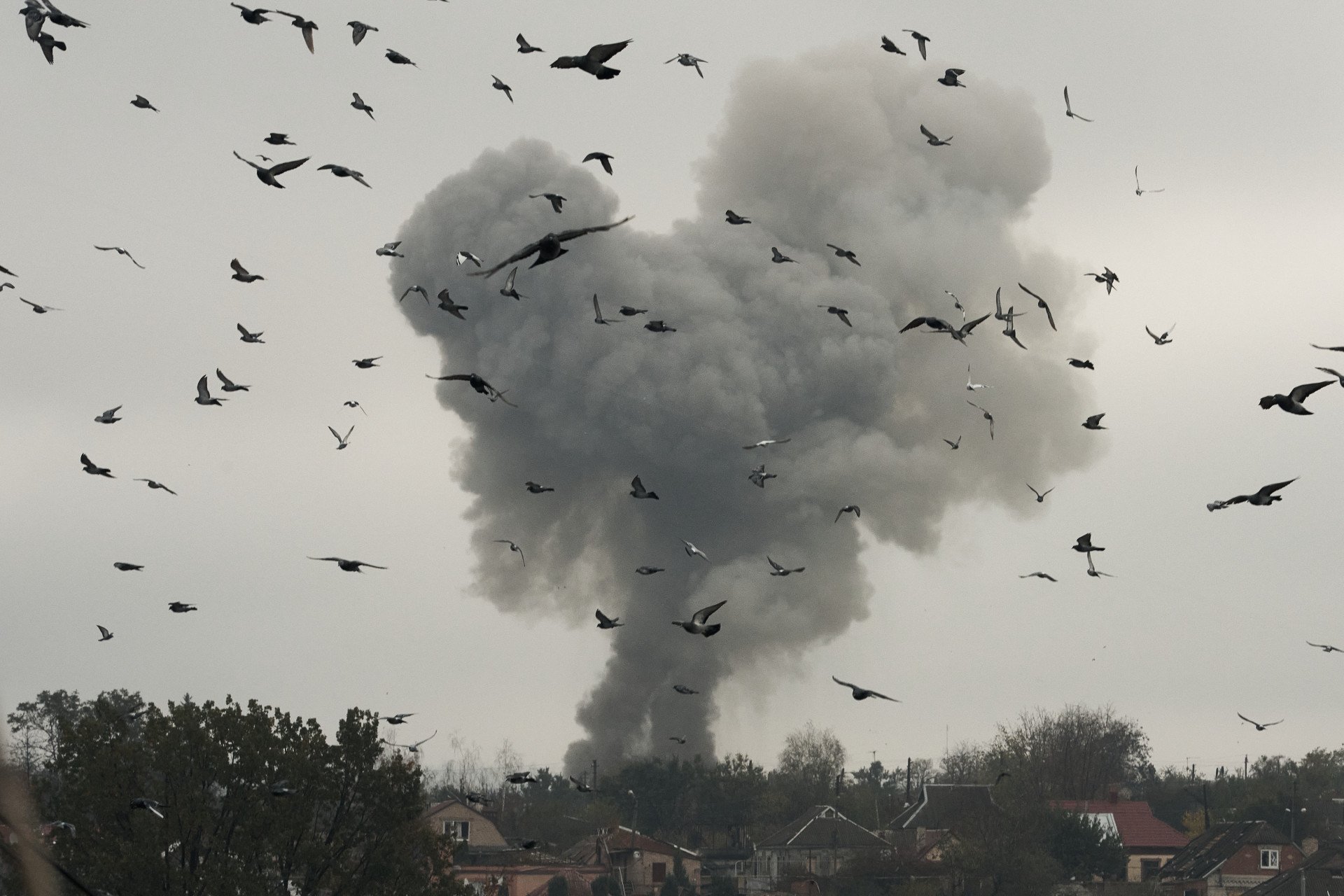
Not long ago, Ukraine’s offensive capabilities were limited—the weapons it received couldn’t be used against military targets inside Russia without outside approval, slowing the country down at critical moments. Now, having learned from that experience, Ukraine is relying on itself to take control of the war it didn’t start.
 Prefer U24 Media on Google
- Authors


Washington is currently mulling the transfer of dozens of Tomahawk cruise missiles to Ukraine, as it is considered yet another crossing of Russia’s “red lines.” President Trump, acknowledging the potential for escalation posed by the Russian side, has framed the missiles less as vital military aid and more as leverage to bring Russia back to the negotiating table.
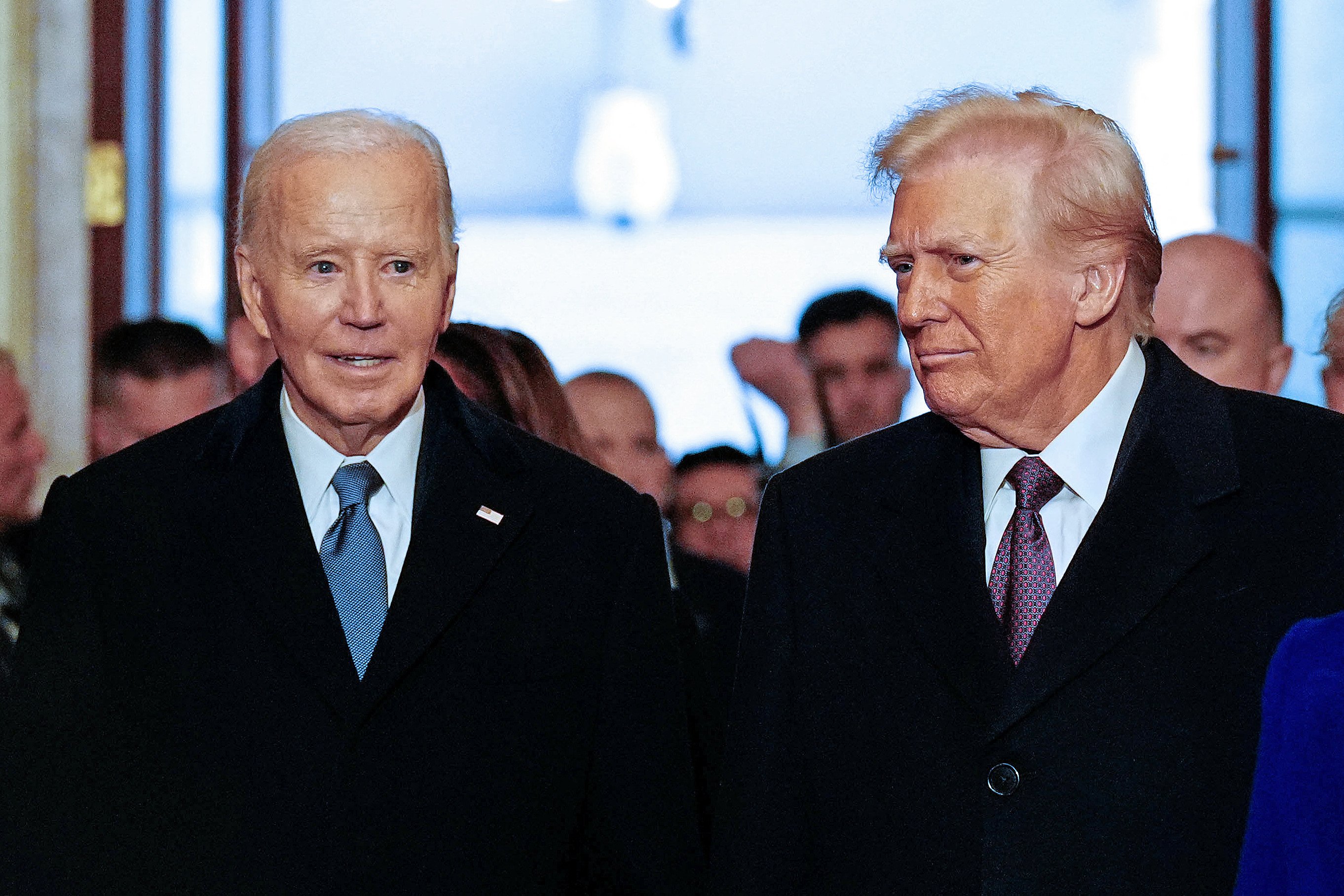
“It is very hard, if not impossible, to win a war without attacking an invader’s country,” Trump wrote on his Truth Social page. “It’s like a great team in sports that has a fantastic defense, but is not allowed to play offense. There is no chance of winning! It is like that with Ukraine and Russia.”
Now, Trump faces a similar dilemma—deciding how far to go, what to give, and when. Ukraine does need more long-range weapons, and Tomahawks could help blunt Russian assaults and save lives, yet Moscow is far better prepared now than it was in 2022. The debate over their approval so far reminds some of the same cautious calculus that has defined this war from the start.
The missed window
Coming off a successful defense against Russia’s initial land grab in 2022, Ukraine’s armed forces launched two major counteroffensives that liberated 54% of the territory Russia had occupied. Building on that momentum, former Ukrainian Commander-in-Chief Valerii Zaluzhnyi, in coordination with the Pentagon and NATO advisors, subsequently planned a larger operation—intended to bring the war closer to an end.
Photos possibly from that failed assault earlier this week south of Mala Tokmachka of what looks like 2 Leopard 2A6 tanks, 2 Bradley M2, a Bergepanzer ARV, a MaxxPro, and 3 Leopard 2R breaching vehicles, and other destroyed/abandoned Ukrainian vehicles.https://t.co/tvU6kurNwu pic.twitter.com/iMc4uW4lGf
— Rob Lee (@RALee85) June 11, 2023
Rob Lee, a defense analyst and senior fellow at the Foreign Policy Research Institute, said that Western governments misread both the tempo and trajectory of the war. “Ukraine’s foreign supporters underestimated how long this war would last and what kinds of materiel and ammunition it would need to fight for so long,” Lee told UNITED24 Media. “Failing to sufficiently invest in increasing ammunition and equipment production capacity in 2022 was a clear misstep.”
Not only logistics or stockpiles mattered. Strategy was as important. “There was also a lack of a clear long-term plan about how to end the war on favorable terms for Ukraine,” Lee said. “In particular, it doesn’t seem there was a clear plan if the 2023 offensive failed.”
By the time Ukraine launched that offensive, Russia’s brigades were no longer undermanned or unprepared. They had spent months digging in, building the kind of layered fortifications that came to define the so-called Surovikin Line. It would prove to be too much for Ukraine’s forces to penetrate through.
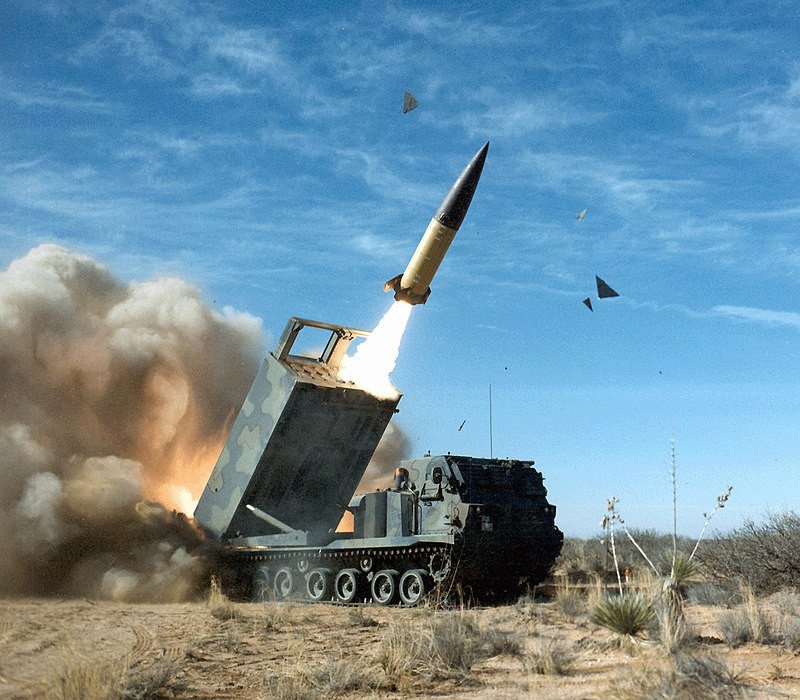
“It was an open question of whether Ukraine’s supporters had provided sufficient offensive capabilities,” Lee said. “Providing ATACMS would have been quite useful before the offensive began. Ukraine already operated HIMARS, so it would not require significant additional training, and ATACMS could engage critical Russian targets, such as attack helicopters at Berdyansk airfield.”
Those systems arrived months too late. By October, when Washington finally approved ATACMS, the offensive had already stalled. “It’s difficult to predict how successful the offensive would have been with the provision of ATACMS or other capabilities before it began,” Lee said, “but it was a foreseeable mistake not to provide them.”
From shortages to self-sufficiency
In the aftermath of the Zaporizhzhia counteroffensive, the pace of the war slowed, and the Ukrainian side shifted its focus from territorial gains to technological advancement. The inevitability of a protracted war of attrition had the Ukrainians looking towards ways of engineering force multipliers and launching a more deliberate campaign aimed at weakening Russia’s ability to sustain the war. Drone warfare and deep strikes gradually replaced armored assaults, and the frontline turned into a testing ground for new weapons and tactics.
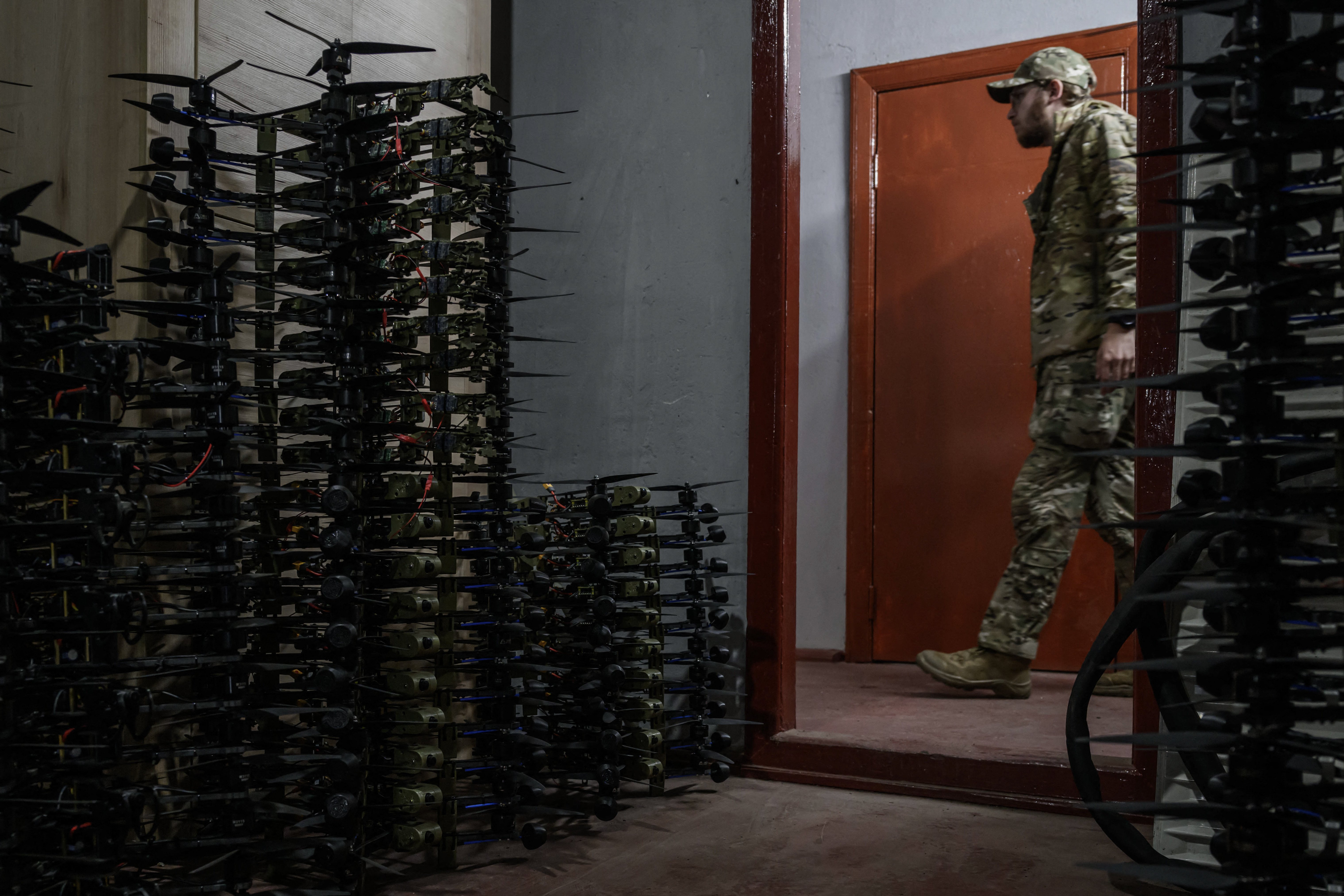
Ukraine began developing its own production base, focusing on unmanned systems, electronic warfare, and precision strike technology. Shortages of imported equipment became the driving force behind rapid innovation.
Factories were converted for military production, and small workshops across the country began manufacturing drones and jamming systems. “The deficit of everything forced Ukrainians in civil society and the military to look for alternative solutions,” said Volodymyr Havrylov, Ukraine’s former Deputy Defense Minister and longtime defense attaché to Washington. “We started to move very fast to technological, unmanned systems.”
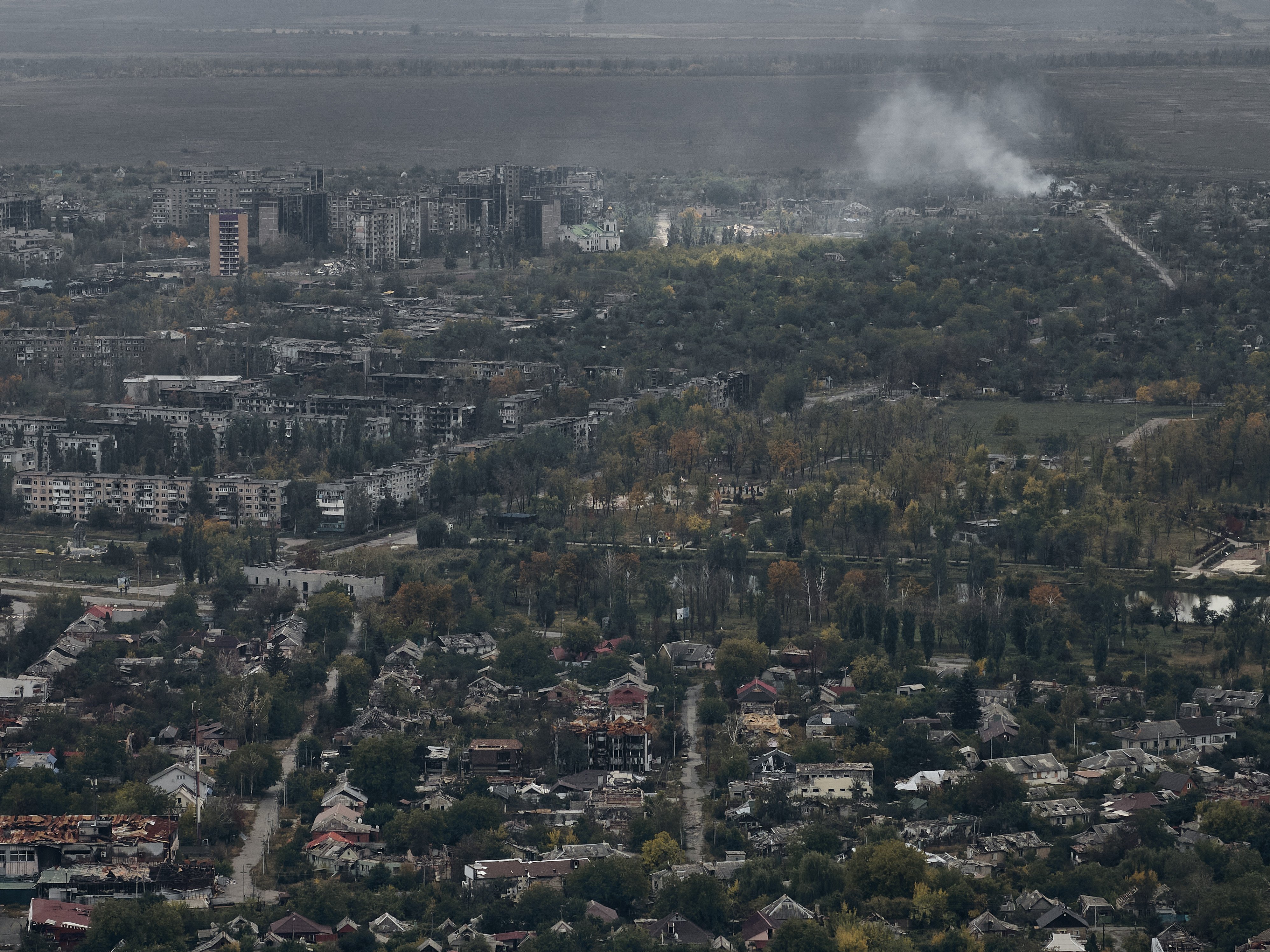
By 2025, Ukraine had established a functioning defense-industrial network capable of supplying much of its own battlefield needs. Drones, in particular, became central to Ukraine’s strategy. They replaced artillery in many roles, offering flexibility and lower costs. The emergence of a growing “gray zone”—areas too dangerous for either side to hold—reflected this shift. “We don’t see the enemy,” Havrylov said. “We see them only through the optic cameras of our drones.”
At the start of the invasion, this zone was just a few kilometers wide. By late 2024, it stretched as far as twenty, reflecting the extent of drone surveillance and firepower on both sides. What began as an emergency response to supply shortages evolved into a durable system of domestic production. By mid-2025, most drones used on the battlefield were Ukrainian-made, often using Ukrainian components. Havrylov emphasizes that this was not the result of long-term planning. “It was not strategic,” he said. “It was survival.”
The war that the delay built
The transition from dependency to autonomy didn’t happen overnight. It came from years of waiting—for approval, for funding, for permission to strike back. The same slow diplomatic crawl that defined the Biden years has resurfaced under Trump, this time under the banner of caution and dealmaking.
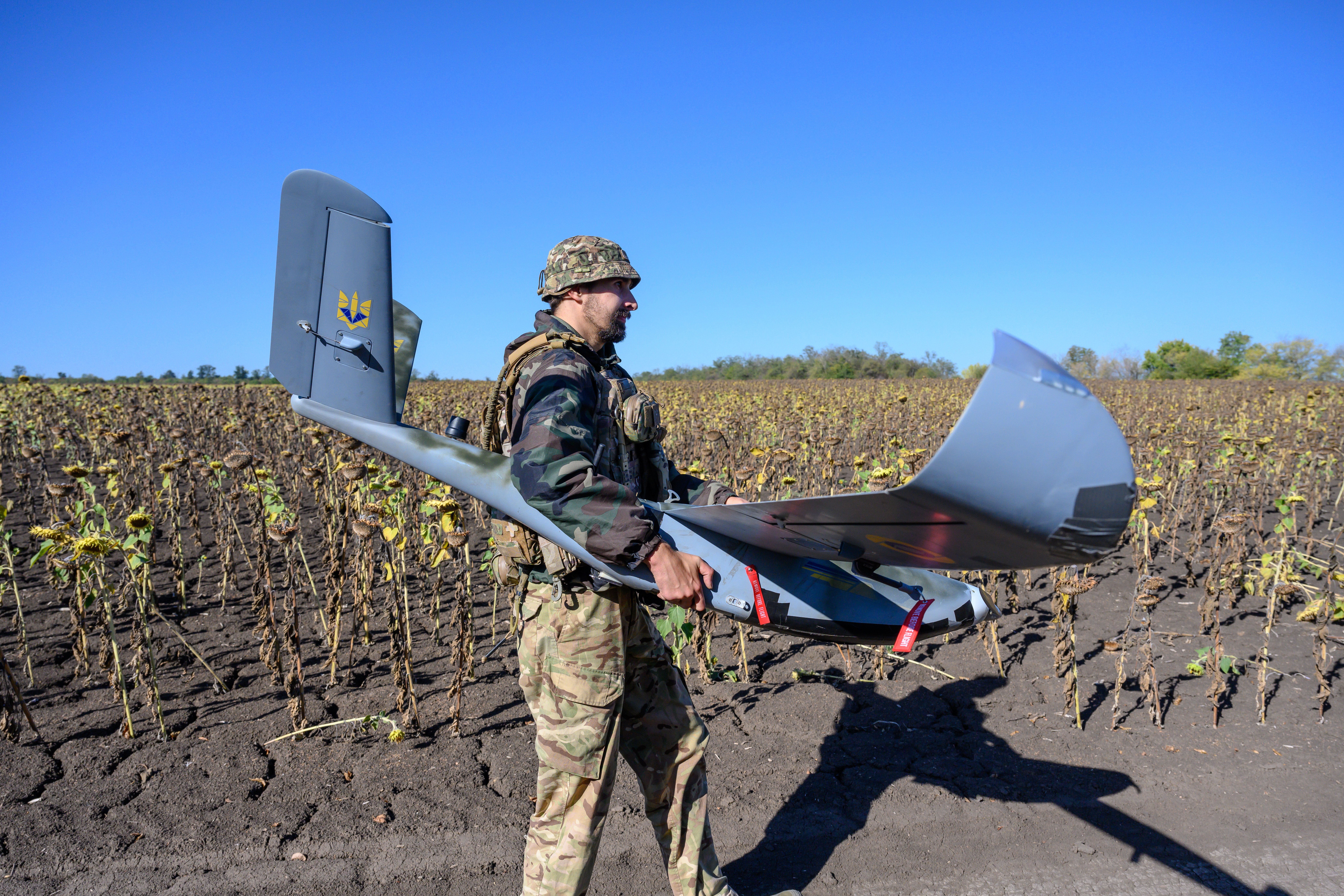
Yet the battlefield no longer moves at the pace of diplomacy. “In traditional war, surprise was one of the real instruments of success,” Havrylov said. “It’s not possible now.” The modern battlefield is transparent—an environment where every movement is seen, every mistake recorded, and every hesitation exploited.
For Russia, this transparency has become a liability. “They can’t achieve the goals of their operation,” Havrylov explained. “There is no military solution on the ground.” As the gray zone widens, control itself is being redefined. To hold territory now means denying it—not occupying it.
At first glance, time appears to favor Russia. But as Ukraine’s ability to strike military targets deep into Russian territory has expanded, its partnerships with G7 economies have reinforced its endurance.
In the end, the country with a more powerful economy will survive.
Volodymyr Havrylov
Former Deputy Minister of Defense
Backed by allies whose combined GDP towers over Russia’s tenfold, Ukraine has the advantage (at least for now) in the only contest that now matters—economic and technological staying power.
One thing is for sure: Ukraine no longer needs to wait for permission. Some Western missiles may still sit idle, but Ukrainians keep building their own. Massive defense clusters are growing, creating future tech in which Ukrainian weapons are sold or co-developed with the same countries they were dependent on.
Discuss this article: