- Category
- War in Ukraine
With a New 100+ km Range, Russia’s KAB Bombs Now Endanger Ukrainian Cities Once Thought Out of Their Reach
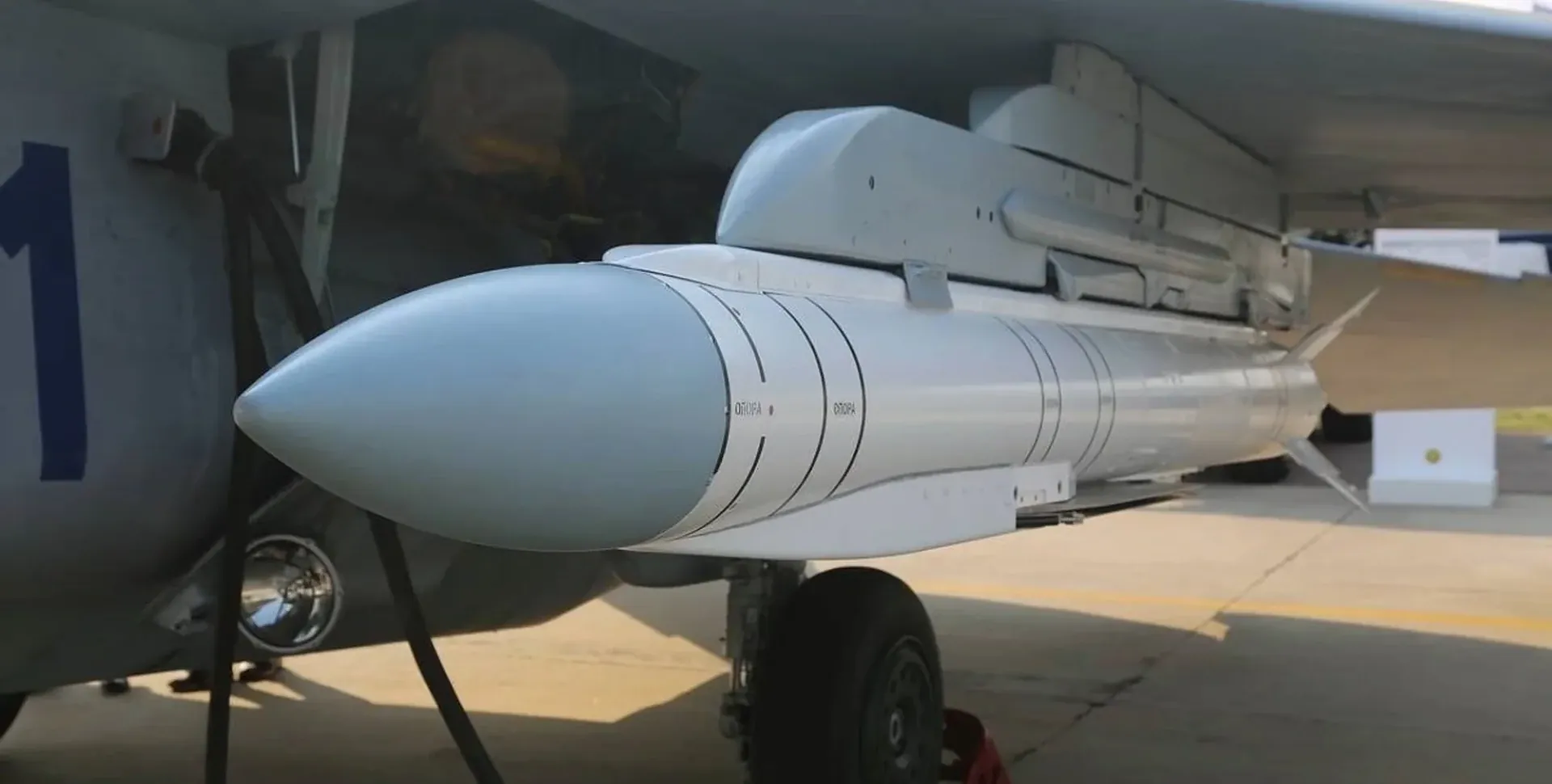
The necessity of defending Ukrainian cities has become even more urgent: Russia has improved its guided aerial bombs, one of the cheapest means of air attack. They are hard to shoot down, and Russia has plenty of them.
 Prefer U24 Media on Google
- Authors

-29a1a43aba23f9bb779a1ac8b98d2121.jpeg "Photo of Illia Kabachynskyi")
New troubling reports have appeared recently in Ukrainian news feeds: Russian guided aerial bombs (KABs) have started to reach a number of Ukrainian cities that were previously outside the range of this type of air weapon. Since the start of October alone, the following have fallen into their strike zone:
It has become clear that no part of Ukraine is beyond danger. Russia targets even its most distant regions with cruise and ballistic missiles and Shahed drones.
Now KABs—which can fly farther than before—have been added to the list of dangerous air attack weapons.
At the start of the Russian full-scale invasion, most KABs had a range of about 60–70 kilometers. They were later upgraded to reach 90. Now Russia has pushed that distance to nearly 150 kilometers, allowing its aircraft to launch bombs from safer positions, beyond the reach of Ukrainian air defenses and fighter jets, and to strike deeper targets such as Dnipro, Odesa, or Poltava.
Earlier, Russia used KABs primarily against Ukrainian fortifications, front-line positions, and towns caught in the fighting. Cities like Toretsk, Vovchansk, Mar’inka, and Bakhmut were leveled by this weapon.
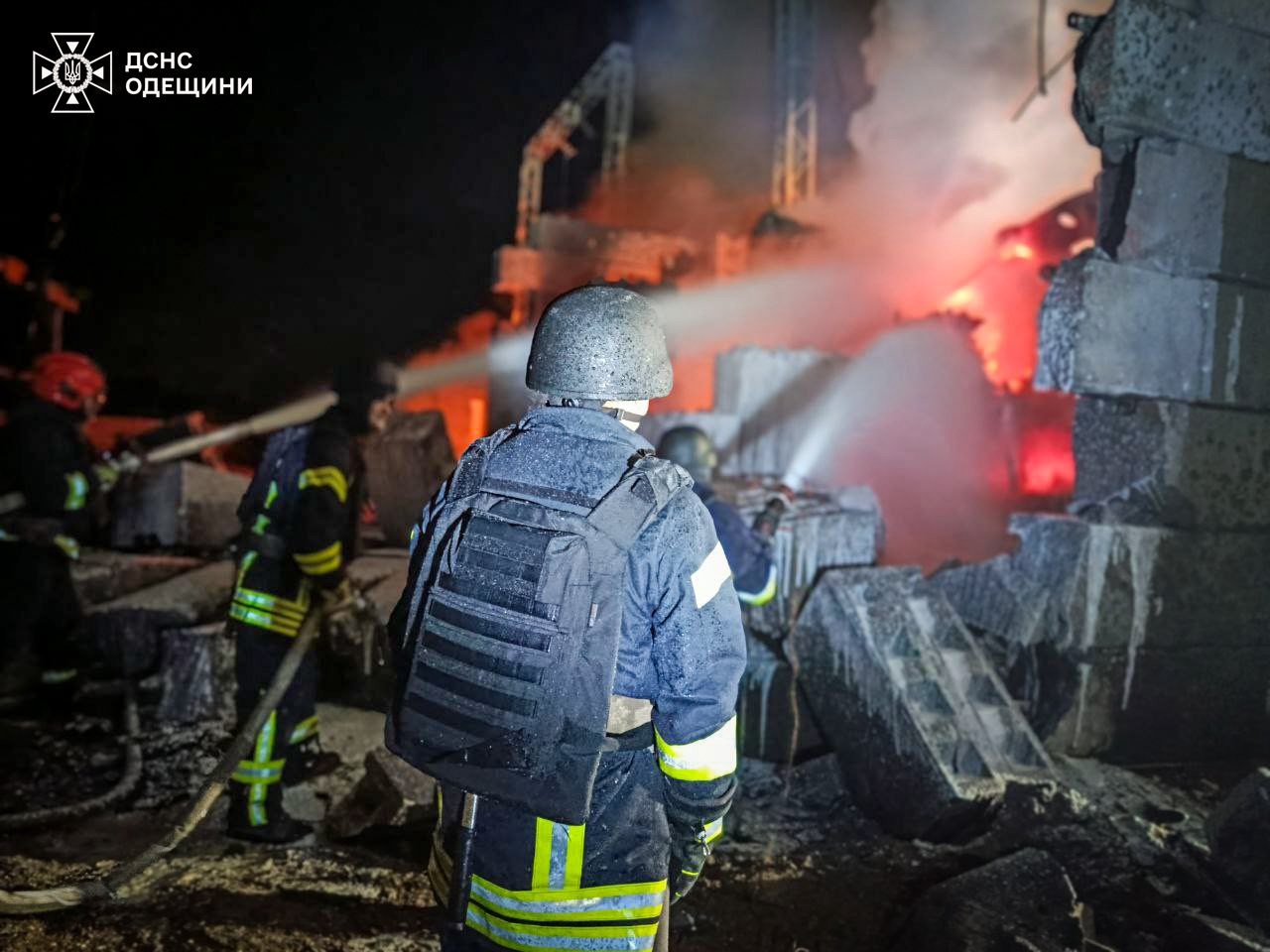
For many months now, Russia has been using these weapons to terrorize peaceful cities and inflict maximum harm on civilians. KABs are not precision munitions, and any talk of targeted strikes is meaningless—they are weapons of terror.
Another danger is that Russia holds vast stockpiles of these bombs and continues to accelerate their use. In 2024, it launched around 200–300 each month; by mid-October, that number had surged to 1,370 in just one week—alongside 3,270 drones. It’s an overwhelming volume of targets Ukraine must intercept daily to protect its cities and energy infrastructure.
What is the solution? The answer is not new: Ukraine needs more air defense systems to shoot down Russian missiles, drones, and bombs. While the country now produces weapons capable of striking deep inside Russia, it still relies on European and American systems to protect its skies—and it needs many more of them.
Another essential step is strengthening its air fleet. Long-range air-to-air missiles can keep Russian aircraft at bay, preventing them from approaching Ukrainian territory, while fighter jets play a key role in intercepting incoming threats. That is why the delivery of F-16s and their accompanying weapons from partner nations remains so critical.
Discuss this article:
-9bd5e1532102621f8fb1c4ba871a3171.png)


-c439b7bd9030ecf9d5a4287dc361ba31.jpg "Photo of Katherina Popilnichenko")