- Category
- World
Billionaires Hide Energy Revenues Outside Russia as Ruble Collapses
 Prefer U24 Media on Google
- Authors

-c439b7bd9030ecf9d5a4287dc361ba31.jpg "Photo of Katherina Popilnichenko")
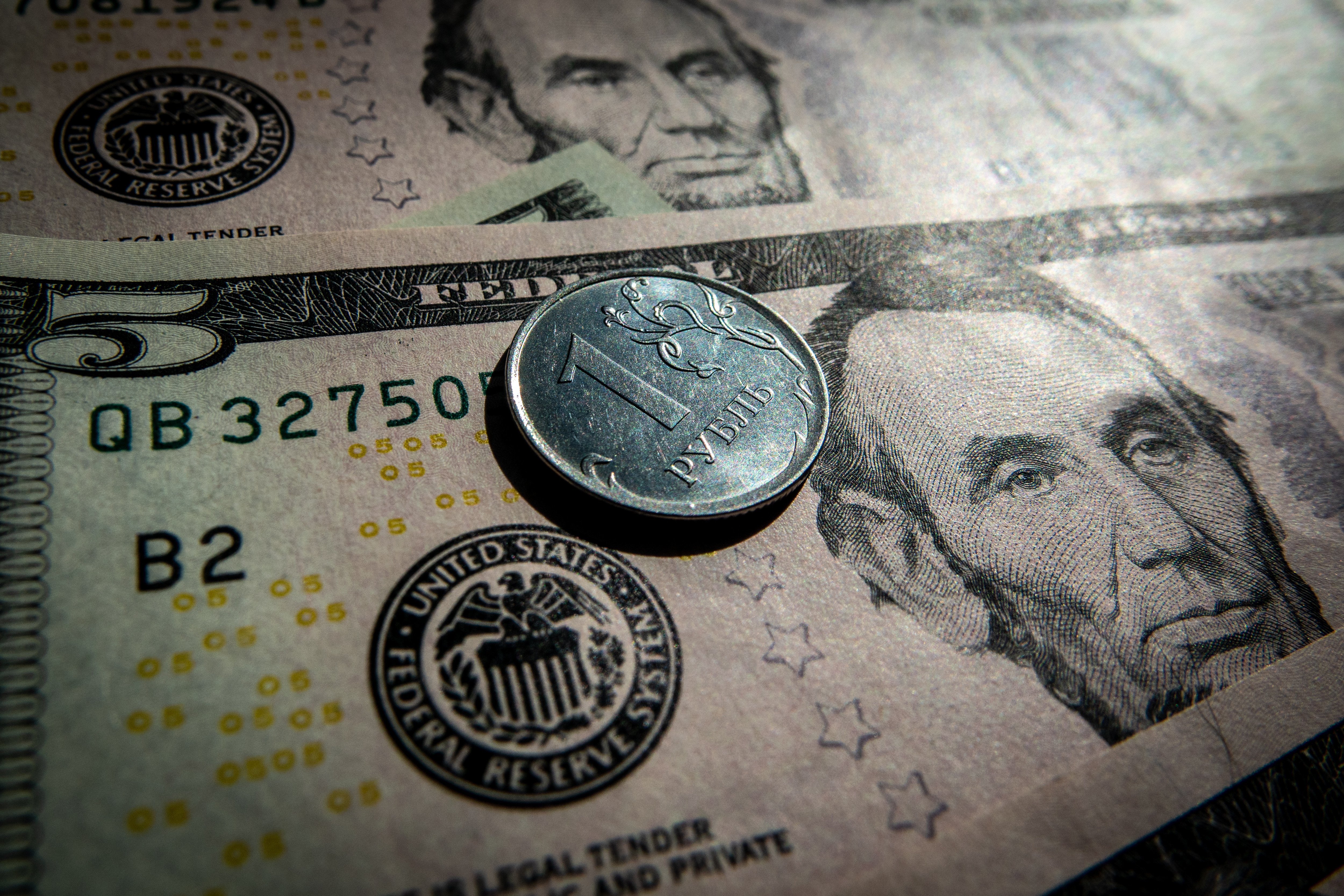
Major Russian raw material exporters, including state corporations and private companies owned by top oligarchs, have resumed the practice of retaining foreign currency earnings abroad, as reported by The Moscow Times on August 27.
According to the Central Bank of Russia, 43 major exporting firms sold just $2.2 billion in foreign currency on the domestic exchange in July, marking the lowest monthly volume in four years of records.
We bring you stories from the ground. Your support keeps our team in the field.
This represents a 3.5-fold drop compared to June, a nearly fourfold drop compared to July 2023, and a 6- to 7-fold decline compared to levels from two years ago. Monthly foreign currency sales reached $12 billion to $14 billion in the first half of 2024.
The sharp reduction in currency sales comes despite a 15% increase in Russian export revenue during the first half of the year, bringing in an additional $30 billion, according to central bank data. Meanwhile, the price of Urals crude, Russia's primary export commodity, decreased by 7% in July, falling from $63.52 to $59.02 per barrel, while corporate foreign currency sales plunged by 71% over the same period.
Alexander Potavin, an analyst at the investment company Finam, noted a fundamental gap between total export revenues and the actual inflow of foreign capital into the domestic market, pointing out that businesses were permitted to hold currency abroad following the gradual rollback of mandatory sales quotas.

The requirement, introduced in late 2023 when the ruble dropped to 100 per US dollar, was reduced in stages from 80% to 60%, then to 40%, before being removed entirely a year ago.
According to sources close to Russian business circles, major exporters are attempting to keep assets out of view of domestic authorities over concerns regarding potential asset nationalization.
Recent actions by the Prosecutor General's Office have resulted in the state confiscation of industrial plants, factories, and ports valued at $51 billion (€43.76 billion), leading corporate insiders to express growing concern over the security of private property.
The decline in foreign currency supply has put renewed pressure on the domestic currency market, where the US dollar, euro, and Chinese yuan have risen by more than 20% since the start of the summer. The euro has traded above 100 rubles ($1), while the US dollar continues to move toward 90 rubles ($0.90).
Russian authorities have reduced public access to information about the country’s remaining financial reserves. The Moscow Times reported on August 13 that the government had stopped publishing official figures on cash reserves held in its single treasury account, a key financial cushion for unallocated budget funds.
Russia’s Federal Treasury removed daily operational data covering ruble deposits placed with commercial banks, money market transactions, and the total amount of cash available across different levels of the budget system.
Discuss this article:



-111f0e5095e02c02446ffed57bfb0ab1.jpeg "Photo of Roman Kohanets")

-72b63a4e0c8c475ad81fe3eed3f63729.jpeg "Photo of Cyril Barabaltchouk")