- Category
- World
Latvia Lets Border Guards Open Fire to Defend Infrastructure From Hybrid Attacks
 Prefer U24 Media on Google
- Authors


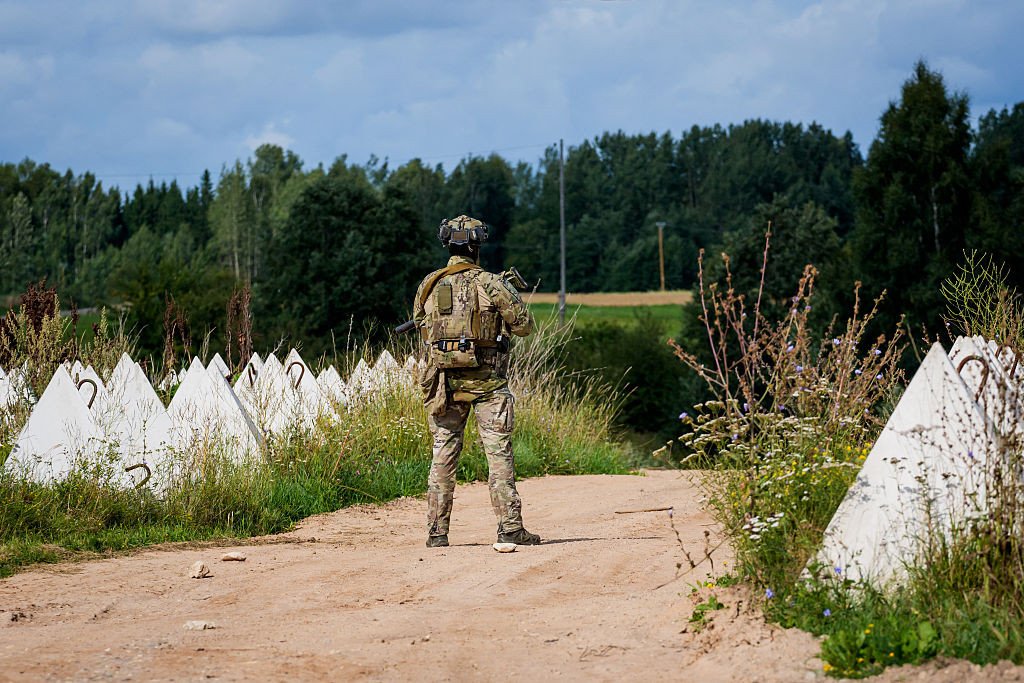
Latvian border guards will be allowed to use weapons not only in self-defense but also to repel attacks on border infrastructure, under amendments adopted by the Saeima , LSM reported on October 29.
The changes expand the State Border Guard’s powers to respond to hybrid attacks targeting infrastructure along Latvia’s borders, according to LSM, as Russia’s hybrid campaign in Europe has included sabotage, cyberattacks, drone incidents, and pressure on critical infrastructure. UNITED24 Media documented Russian-linked operations targeting airports, defense sites, energy networks, and government systems.
We bring you stories from the ground. Your support keeps our team in the field.
Border guards will be permitted to use physical force, special combat techniques, special equipment, firearms, and service dogs to stop attacks on facilities protected by the State Border Guard or on state border infrastructure.
LSM noted that weapons may be used without warning when giving a warning is impossible in the circumstances.
Raimonds Bergmanis, chair of the Saeima Defence Commission, previously stated that protecting the state border and its infrastructure during hybrid warfare is an important part of Latvia’s territorial integrity.
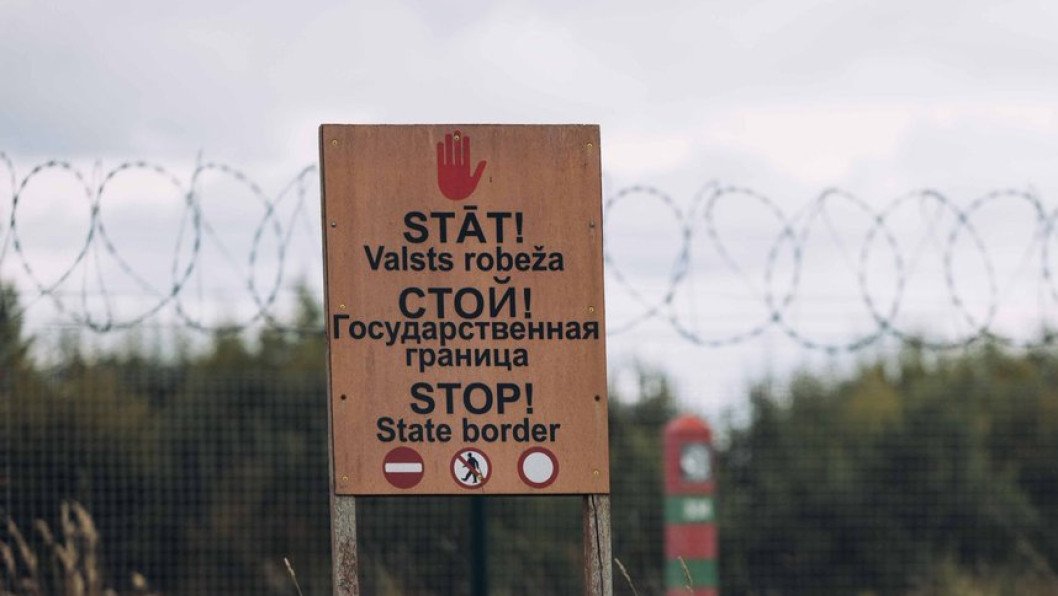
The amendments also require the Border Guard to notify prosecutors immediately, and no later than 24 hours, if the use of a weapon causes injury or death.
Separate changes to Latvia’s Criminal Procedure Law provide that alleged offenses committed by border guards while performing duties under an enhanced border-security regime will be investigated by authorized State Border Guard officials.
Latvia’s enhanced border-security regime is currently in place through December 31, 2026, LSM reported.
The changes follow an incident in early October in which masked and armed escorts from Belarus attempted to push a group of migrants across the border into Latvia.
According to LSM, the armed escorts threatened Latvian military personnel while forcing the group toward Latvian territory.
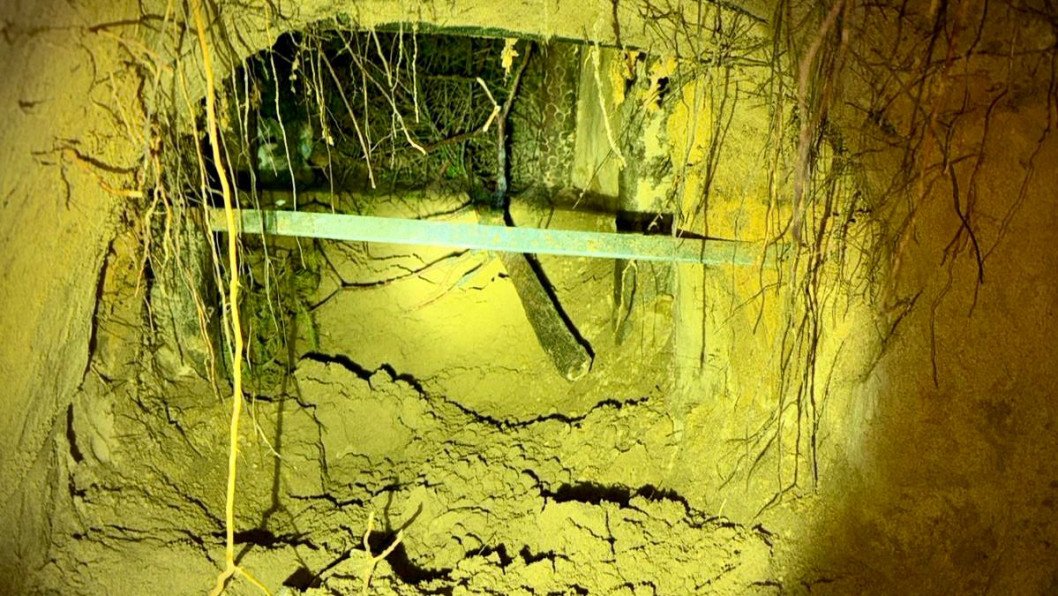
Responsibility for the incident was later claimed by a little-known group calling itself “Black Rus.” Analysts cited by LSM described the group as a possible cover structure created by Belarusian and Russian security services for hybrid operations.
Latvia’s State Security Service opened a criminal investigation into the creation of a criminal organization, while the government decided on October 13 to expand the use-of-force powers available to services involved in border protection.
Latvia has faced migration pressure organized by Belarus since August 2021. Its Vilkatis operation against illegal migration, launched on August 11, was later extended through the end of 2026, according to LSM.
The changes come as Belarus continues upgrading infrastructure that could support Russian military movement toward NATO’s Baltic states. A recent report found that Belarus is modernizing railways, communications networks, and defense production along routes leading toward Latvia, Lithuania, and Poland.
Discuss this article: