- Category
- World
Leaked Files Reveal How Russian Missile Giant Uses Front Brands to Bypass Sanctions
 Prefer U24 Media on Google
- Authors

-72b63a4e0c8c475ad81fe3eed3f63729.jpeg "Photo of Cyril Barabaltchouk")
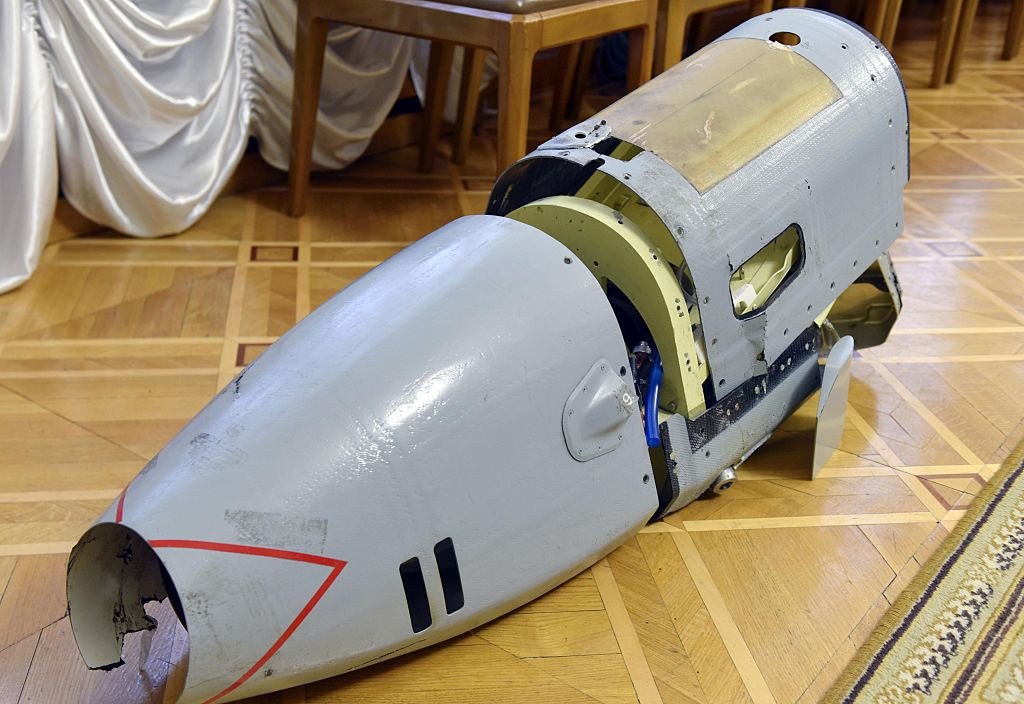
Internal procurement documents from Russia’s Khrunichev Centre—a key state enterprise behind the Angara launch vehicles—reveal how the country’s military-industrial complex bypasses international sanctions by utilizing front companies and rebranded foreign machinery, according to an investigation by Dallas Analytics, posted on August 13.
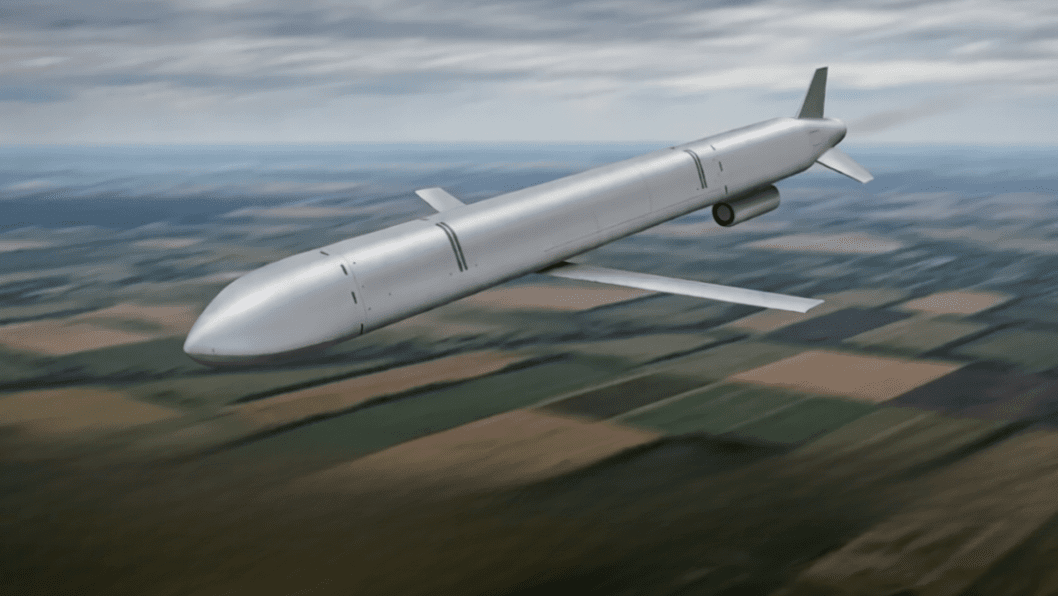
This scheme fits a broader pattern of restricted dual-use technology powering Moscow’s defense industry. Western-made computer numerical control (CNC) machine tools from American, European, and Japanese manufacturers continue to reach Russian weapons facilities—including plants producing the nuclear-capable Oreshnik missile—through third-party supply chains and Chinese intermediaries.
We bring you stories from the ground. Your support keeps our team in the field.
While the documents list planned equipment purchases as domestic or originating from China, an analysis by Dallas Analytics shows that Russian “import substitution” relies heavily on relabeling industrial machine tools manufactured in Taiwan, China, and Japan.
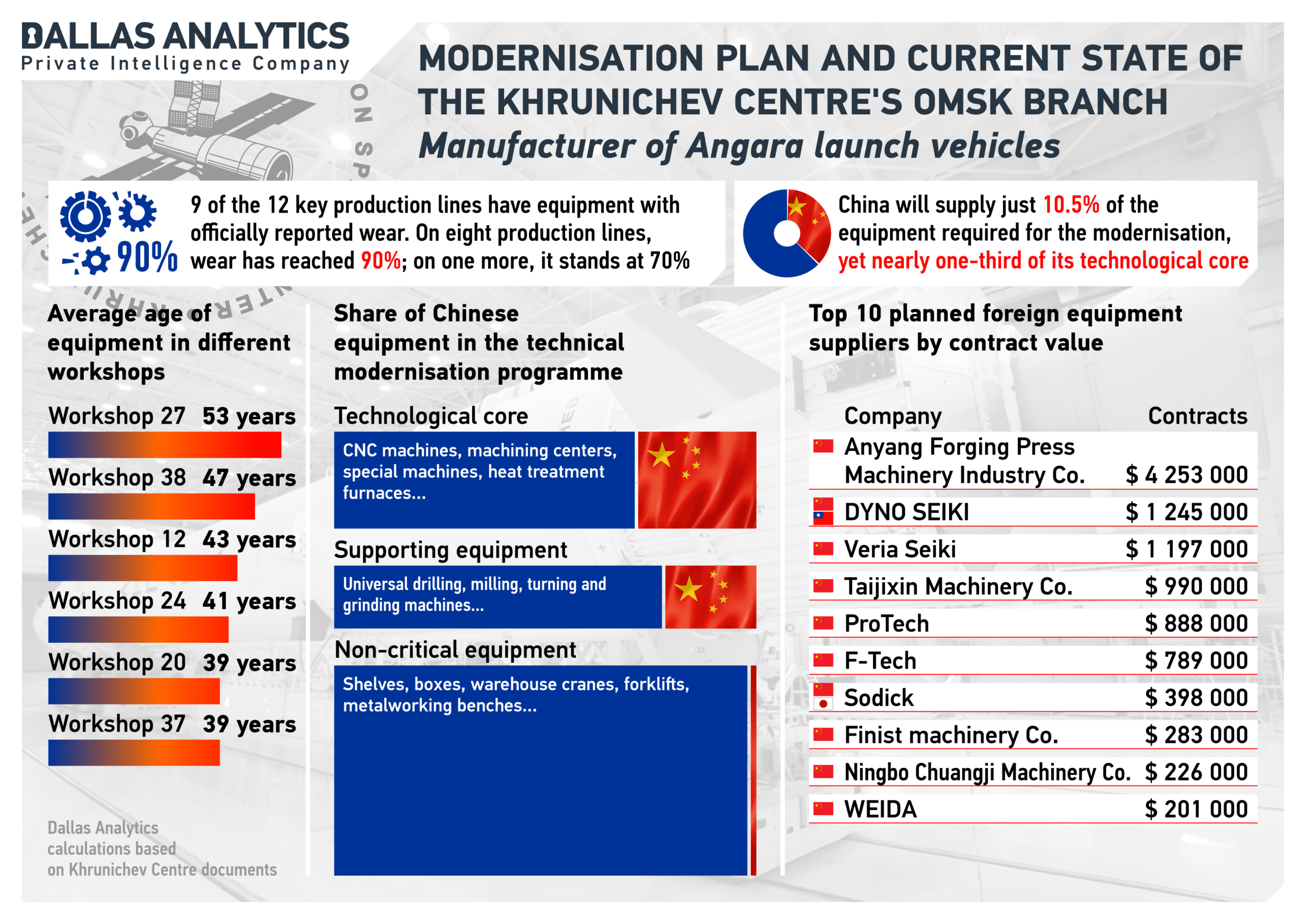
The rebranding strategy: “Russian” umbrella brands
Russian companies presenting themselves as domestic machine-tool manufacturers frequently act as importers for foreign equipment, concealing the actual producers to insulate both themselves and their suppliers from international sanctions.
Dallas Analytics highlighted three key brands used in Khrunichev’s procurement plans:
ProTech: Classified in the internal documents as Chinese, the brand’s most expensive listed item—the PFG-50150AHR surface grinder—is actually produced by PERFECT, a Taiwanese firm. PERFECT stated it officially ended its relationship with ProTech in March 2024 and did not supply that specific model directly.
However, it acknowledged that global distributors could be circulating its products. The Russian legal entities tied to ProTech—JSC ProTekhnologii and LLC ProTekhnologii—remain unsanctioned by major Western jurisdictions.
![The Middleman Keeping Russia’s Missile Industry Running]()
F-tech: Advertised as a manufacturer of CNC machining centers, F-tech lists a partner office in Shanghai that could not be verified in public databases. However, Russian regulatory filings tie the brand to F-TECH CNC LATHE in Anhui Province, China, sharing an address with machine-tool builder WMT.
F-tech’s affiliated Russian legal entities, TD VtorTsvetMet LLC and ChVCM-RESURS LLC, are currently not designated under US, EU, or UK sanctions, Dallas Analytics wrote.
![The West Builds the Chips, China Supplies Them, Russia Fires the Missiles—Inside the Leaked Files]()
Finist: Marketed by the Russian Finval group, the brand’s FF-38BSY machine tool is a direct rebrand of the SZ-386F manufactured by Chinese firm Shenzhen SOWIN Precision Machine Tool. While SOWIN is sanctioned by the UK and Ukraine, it is not subject to EU sanctions.
Finval is sanctioned by the US, but the specific entity named in the Khrunichev procurement files—Finist Machinery Co., Ltd.—is not listed under any international sanctions regime.
-69d03af11a3e9f45431b68b50d18e51c.png)
Silence and gaps in enforcement
When contacted by Dallas Analytics regarding their supply chains to Russia, most Chinese manufacturers—including Anyang Forging Press, Ningbo Chuangji Machinery, and SOWIN—did not respond.
Taiwanese manufacturer Goodway Machine Tool Group similarly did not comment on findings indicating that its division, AWEA, may be the origin behind Khrunichev’s planned DYNO SEIKI imports.
Japanese manufacturer Sodick responded directly, stating that it halted trade with Russia in 2022 and conducts end-user verification. Dallas Analytics noted that the company stated that monitoring does not extend to equipment sold before 2022, despite current advertisements for Sodick tools continuing to circulate on Russian industrial websites.
The findings demonstrate that private-sector oversight and current end-user tracking mechanisms remain insufficient. Closing these loopholes will require government intervention from Taiwan, Japan, and Western nations, alongside fuller utilization of EU market access leverage to hold foreign suppliers accountable.
This flow of restricted industrial machinery parallels Russia’s illicit acquisition of Western microelectronics. According to another recent investigation, a massive, structured international supply system continues to channel high-reliability electronic components from major Western firms into Russia’s arms industry.
Through industry trade shows like ExpoElectronica, hundreds of Chinese distributors and Russian intermediaries—such as the unsanctioned supplier LifeElectronics—openly facilitate deliveries of restricted microchips to Russian defense contractors for the production of glide bombs, missiles, and other state defense orders.
Discuss this article:

-111f0e5095e02c02446ffed57bfb0ab1.jpeg "Photo of Roman Kohanets")
-605be766de04ba3d21b67fb76a76786a.jpg "Joseph Place")