- Category
- World
Fico’s Slovakia Revives Moscow Ties With Energy and Trade Talks Set for November
 Prefer U24 Media on Google
- Authors

-72b63a4e0c8c475ad81fe3eed3f63729.jpeg "Photo of Cyril Barabaltchouk")
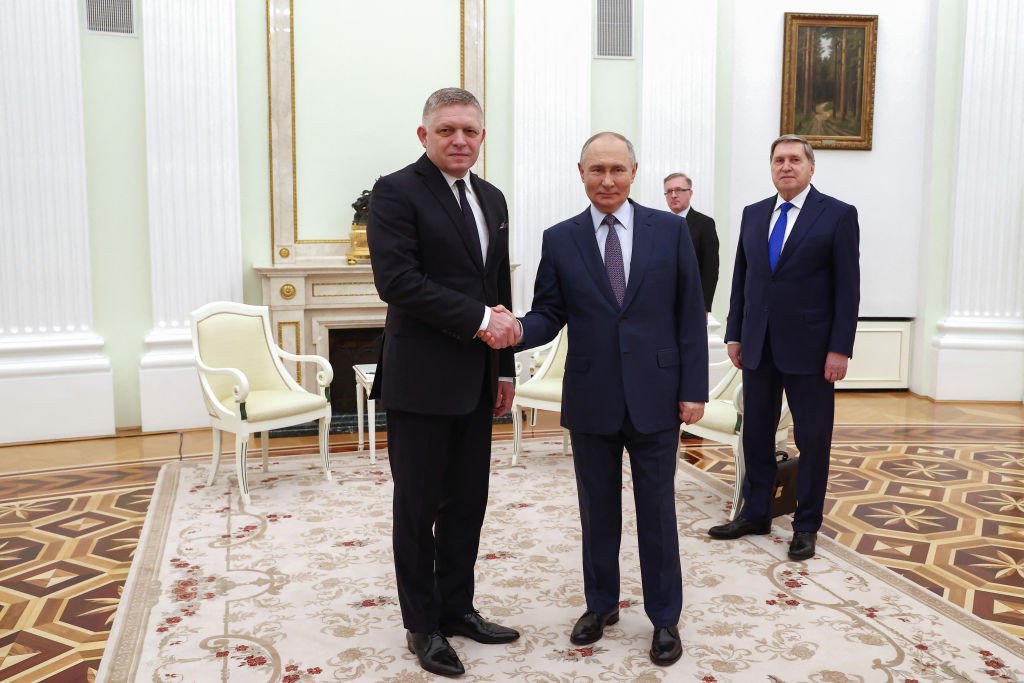
Slovakia is preparing to revive a dormant cooperation forum with Moscow, with Russian energy supplies, nuclear fuel, and the treatment of Russian athletes expected to feature prominently, POLITICO reported on October 15.
According to a Russian government note obtained by POLITICO, Slovak Foreign Minister Juraj Blanár agreed during an August 20 video call to hold a meeting of the Russian-Slovak Intergovernmental Commission in Moscow. Slovak Prime Minister Robert Fico announced that the meeting is scheduled for November 25.
We bring you stories from the ground. Your support keeps our team in the field.
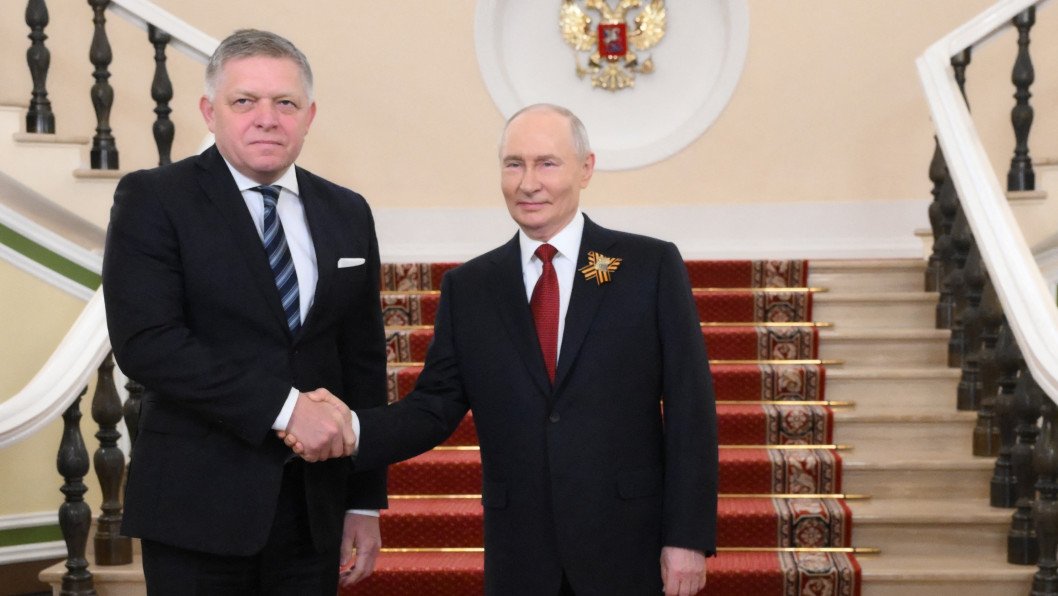
Slovakia under Prime Minister Robert Fico has repeatedly taken positions closer to Moscow than most EU governments, including halting state military aid to Ukraine, criticizing sanctions on Russia, and maintaining energy ties with Moscow. In May, Fico visited Putin, in Moscow and described himself as the EU’s “black sheep” for supporting dialogue with Russia.
The Russian-Slovak Intergovernmental Commission covers economic, scientific, and technical cooperation and has been dormant since Russia launched its full-scale invasion of Ukraine in February 2022. Its previous session was held in Bratislava in November 2021.
POLITICO reported that the Russian note was written by Science and Higher Education Minister Valery Falkov and dated September 10. The outlet could not independently verify the document but noted that it bore the hallmarks of a legitimate Russian ministerial communication.
Blanár had raised Slovakia’s opposition to the EU phaseout of Russian gas imports and requested that energy supplies be discussed at the Moscow meeting, according to the note.
Slovak representatives also emphasized continued Russian oil deliveries through the Druzhba pipeline and welcomed regular shipments of Russian nuclear fuel to Slovak power plants, POLITICO reported.
Fico has argued that ending Russian energy imports would increase costs for Slovakia, which remains heavily dependent on Russian oil and gas. During a May 9 meeting in Moscow, the Russian leader, Vladimir Putin, stated that Russia would continue working to meet Slovakia’s energy needs.
The planned agenda extends beyond energy. According to POLITICO, the two sides are considering cooperation on culture, tourism, agriculture, and environmental protection, as well as the status of the Russian Center for Science and Culture in Bratislava.
The Russian note also recorded Blanár’s opposition to what it described as “discrimination against Russian athletes” in international competitions. That issue is expected to be discussed at the November meeting.
“We pursue a policy in all directions and maintain dialogue with all countries that are interested in pragmatic cooperation with us for the benefit of the Slovak Republic’s national interests,” Blanár stated after the August 20 call, POLITICO wrote.
The renewed Slovak-Russian dialogue follows Fico’s May visit to Moscow and comes after Viktor Orbán’s defeat in Hungary’s April election. POLITICO noted that Orbán had previously been one of Putin’s closest partners inside the EU.
Before leaving office, Orbán’s government had also revived Hungary’s own intergovernmental economic cooperation commission with Russia. Budapest and Moscow later agreed on a 12-point plan covering energy, trade, and cultural ties.
The Slovak initiative now mirrors parts of that approach, with energy cooperation serving as a central component of renewed ties with Moscow.
-4d94609e181600057db513cf38760c1e.jpg)
POLITICO also linked the effort to Russia’s broader attempts to expand energy relationships abroad.
After speaking with Putin, US President Donald Trump recently announced a deal under which Russia would supply diesel to US and global markets, potentially providing Moscow with additional revenue while Ukraine continues striking Russian oil infrastructure.
Discuss this article:

-111f0e5095e02c02446ffed57bfb0ab1.jpeg "Photo of Roman Kohanets")