- Category
- World
Lithuania Moves Toward Lifting Constitutional Ban on Nuclear Deployments
 Prefer U24 Media on Google
- Authors

-c439b7bd9030ecf9d5a4287dc361ba31.jpg "Photo of Katherina Popilnichenko")

Lithuania’s parliamentary Committee on Legal Affairs has voted 7–2 to approve a proposal removing constitutional restrictions against hosting foreign military bases and weapons of mass destruction, according to tv3.lv on September 9.
The decision moves the Baltic nation closer to allowing NATO nuclear forces on its territory, following a broader political consensus reached by parliamentary parties earlier this summer.
We bring you stories from the ground. Your support keeps our team in the field.
If passed by the full Seimas and signed by the president, the measure will strike Article 137 from the Lithuanian Constitution. The clause currently prohibits the deployment of weapons of mass destruction and foreign military bases, regardless of NATO collective defense arrangements or security threats from Russia.
Lawmakers supporting the constitutional amendment emphasized that lifting the restriction is essential for regional security and deterrence. Lithuanian Parliamentary Speaker Juozas Olekas highlighted the country's unique position among allies: “When agreeing on common collective defense plans, and especially deterrence, Lithuania looks like a black sheep in the Alliance, as it is the only one with such a restriction.”
Olekas added during the committee hearing: “Nuclear weapons today are the most powerful deterrent capable of stopping an aggressor crossing our borders.”
The Ministry of Justice has voiced strong backing for the change, with Deputy Minister Martynas Dobrovolskis confirming full support during the meeting.
However, some opposition remains within parliament. Raimondas Šukys, a committee member from the Reminisce of Nemunas party, urged lawmakers to hold a consultative referendum before finalizing the constitutional update.
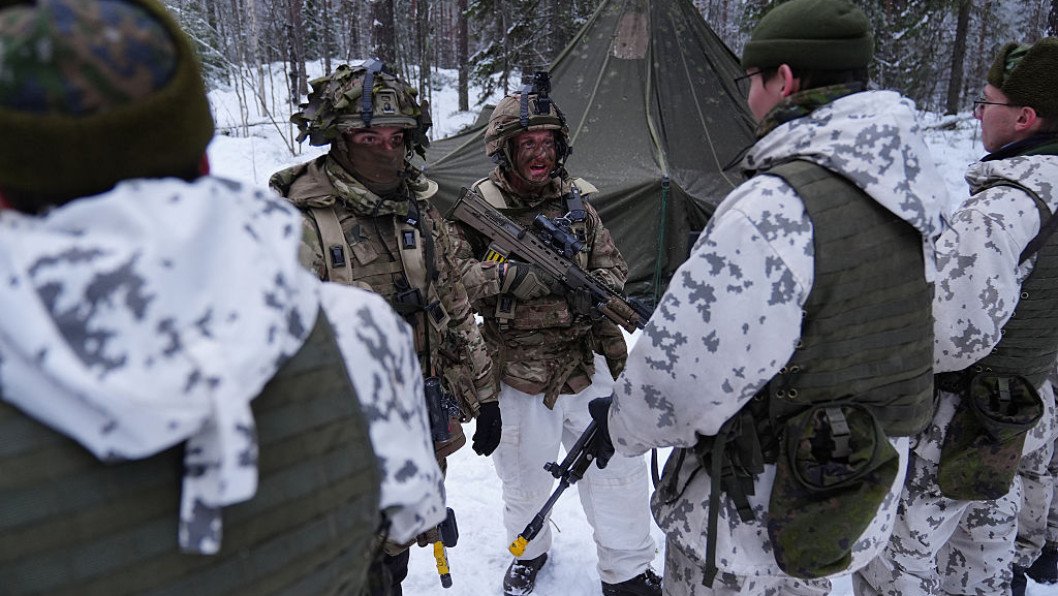
The initiative follows similar action taken by Finland in June, when the Finnish parliament passed legislation permitting the import, transit, and storage of nuclear weapons for national defense purposes. The bill was later signed into law by Finnish President Alexander Stubb.
Finnish Defense Minister Antti Häkkänen previously noted that ending the ban strengthens national defense capabilities and ensures full access to NATO's nuclear deterrence framework. The Finnish government stated that its decision came in response to deteriorating European security conditions.
Discuss this article:




-72b63a4e0c8c475ad81fe3eed3f63729.jpeg "Photo of Cyril Barabaltchouk")