- Category
- World
Putin Avoids EU Leaders, So Europe Is Searching for Someone He Might Talk To
 Prefer U24 Media on Google
- Authors


European governments are considering appointing a representative to negotiate directly with the Russian leader Vladimir Putin over peace in Ukraine, POLITICO reported on October 21.
The discussion has intensified following US special envoy Steve Witkoff's visit to Russia, where he presented a proposal for trilateral negotiations involving Putin, US President Donald Trump, and Ukrainian President Volodymyr Zelenskyy. According to the outlet, european officials fear their governments could be sidelined during negotiations determining Ukraine's future.
We bring you stories from the ground. Your support keeps our team in the field.
Czech President Petr Pavel urged European governments to “identify a person or a group of people who would speak for Europe” during an interview with the Axel Springer Global Reporters' Network.
Pavel explained that Putin does not recognize the European Union as an authoritative negotiating partner. The Russian leader avoids direct communication with European Commission President Ursula von der Leyen, EU foreign policy chief Kaja Kallas, and French President Emmanuel Macron, he noted.
According to POLITICO, European diplomats remain divided over who should represent the continent. Potential candidates include von der Leyen, European Council President António Costa, Kallas, and Finnish President Alexander Stubb.

Stubb’s candidacy has attracted particular attention because of his relationship with Trump and Finland's longstanding experience dealing with Russia. The countries share approximately 1,300 kilometers of border and have a history of military conflict.
One European diplomat cited Finland's extensive knowledge of Russian security policy as a significant advantage. Another told POLITICO that Stubb was the only political figure so far demonstrating the leadership needed to represent Europe at a future peace summit.
Stubb participated in negotiations with Zelenskyy and Witkoff in Oslo on October 20, ahead of the US envoy's visit to Russia. Von der Leyen's senior aide, Bjoern Seibert, also attended the meeting. Seibert has previously participated in national security discussions organized through the Coalition of the Willing.
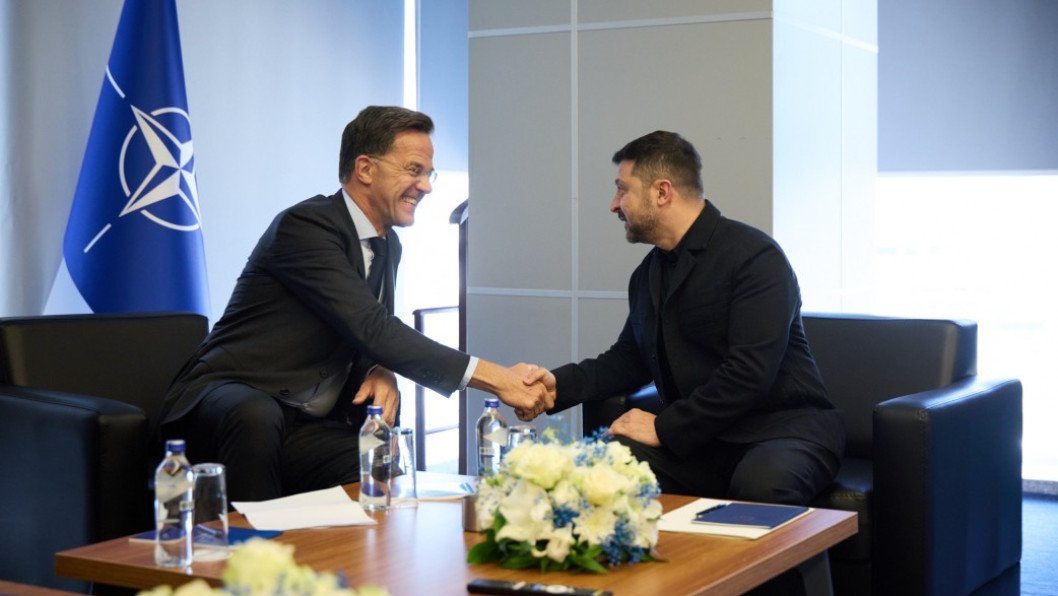
António Costa has emerged as another potential candidate. According to a fourth European diplomat interviewed by POLITICO, European leaders discussed whether Costa should contact Putin during the previous week's Brussels summit.
Costa declined to initiate direct communication immediately. However, the diplomat argued that maintaining no direct European channel to Moscow could undermine the continent's influence over negotiations.
The diplomat also suggested António Costa could be a more acceptable intermediary than von der Leyen or Kallas, who are perceived as closely aligned with Ukraine.
“Costa comes across as more of an honest broker,” the diplomat told POLITICO.
The debate over Europe's seat at the table comes as diplomatic efforts to end the war intensify. On October 20, Ukrainian President Volodymyr Zelenskyy met Stubb, Norwegian Prime Minister Jonas Gahr Støre and US envoy Steve Witkoff in Oslo, with Jared Kushner joining online.
Ukraine and its European allies advanced proposals that included a potential trilateral leaders' summit, which Witkoff planned to present during a visit to Russia on October 21. Kyiv also backed a US proposal for an energy ceasefire, offering to halt strikes on Russian energy infrastructure if Moscow stopped attacking Ukrainian facilities, an offer Putin has rejected.
Discuss this article: