- Category
- World
Rostec Merges Russia's Struggling Airlines Into One Holding to Mask Mounting Losses
 Prefer U24 Media on Google
- Authors

-111f0e5095e02c02446ffed57bfb0ab1.jpeg "Photo of Roman Kohanets")
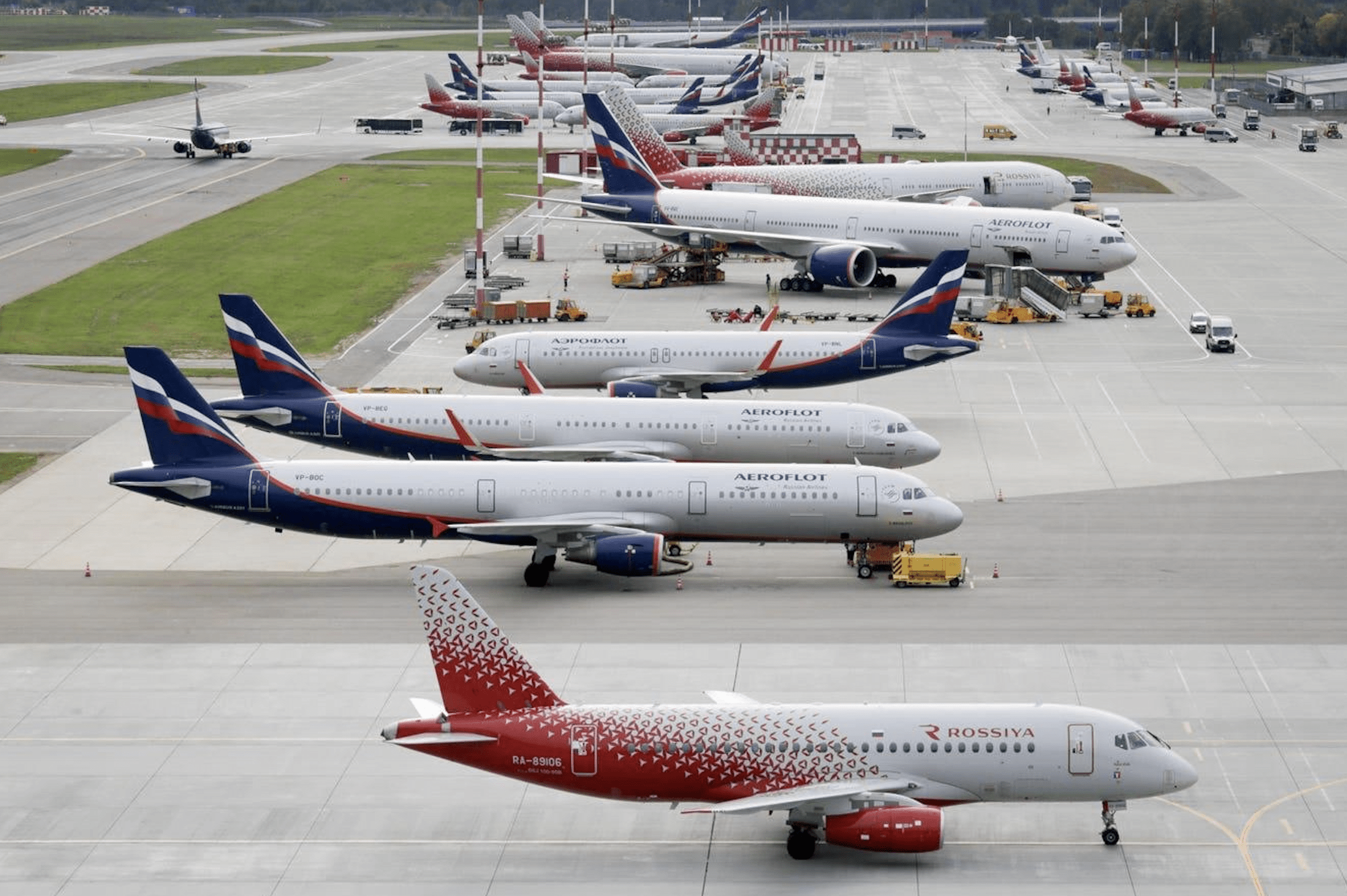
Russia's state corporation Rostec is preparing to consolidate several struggling aviation assets into a single holding in what Ukrainian intelligence describes as an attempt to mask mounting structural problems rather than resolve them.
The assessment was published by Ukraine's Foreign Intelligence Service (SZRU) on its official website on July 26.
We bring you stories from the ground. Your support keeps our team in the field.
The holding would combine passenger airline Red Wings, cargo operator Skygates, the National Air Ambulance Service, and the leasing firm Aviakapital-Service, with management expected to pass to Ilyushin Finance Co. Rostec confirmed the consolidation is "being discussed at the corporate level," Russian state news agency TASS reported.
Rostec has cast the merger as an administrative fix, saying it will streamline management and build a centralized system to service, repair, and staff its aircraft and helicopters, TASS added.
Ukraine's Foreign Intelligence Service reads it differently. The plan, as assessed by the service, is meant to "hide the bankruptcy of individual assets behind the holding's overall reporting."
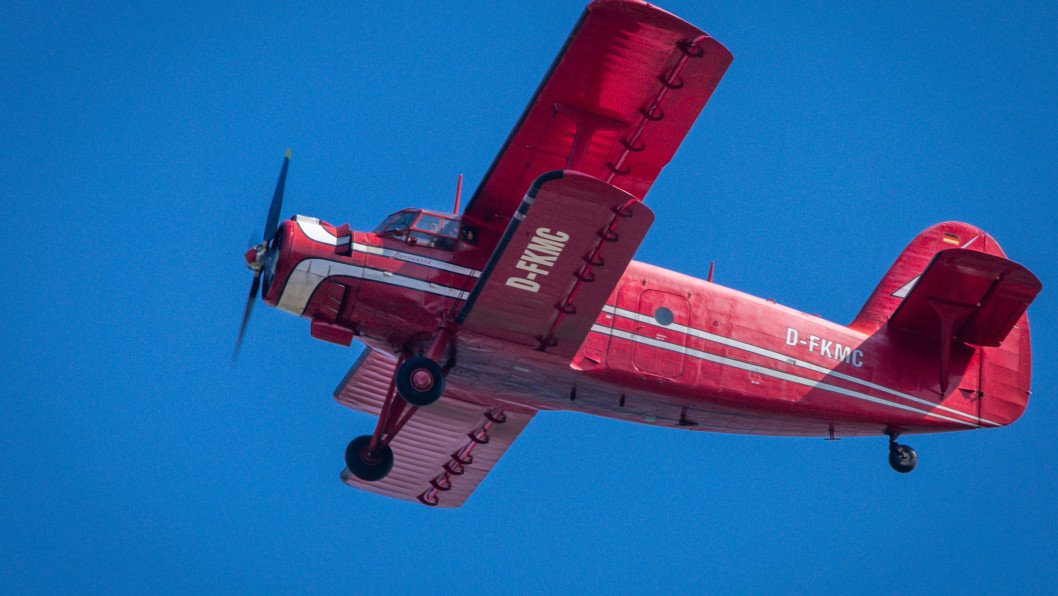
The strain shows first at Red Wings, which the service reported can no longer sustain even its own charter program. Of its three Boeing 777s, only one flies scheduled routes; a second sits in reserve, and the third is effectively grounded.
With its Western jets idle, Red Wings has shifted flights onto Soviet-designed Tu-204 and Tu-214 aircraft, Russian aviation media reported. Years of management disputes have driven out qualified staff, the service noted.
Skygates is faring no better. The cargo carrier operates a handful of Soviet-era Il-96 and Il-76 freighters and, according to Ukraine's sanctions monitors, is under Red Wings within Rostec's aviation cluster.
It is squeezed by shortages of engines and spare parts, lengthening repairs, and an aging fleet that it can no longer keep aloft under sanctions, the Ukrainian service added.
The reshuffle solves none of this, the agency found. It moves scarce money, staff, and parts among the same failing carriers. Rostec will sacrifice its weaker operators to keep others flying, not add new aircraft, engines, or specialists to the fleet.
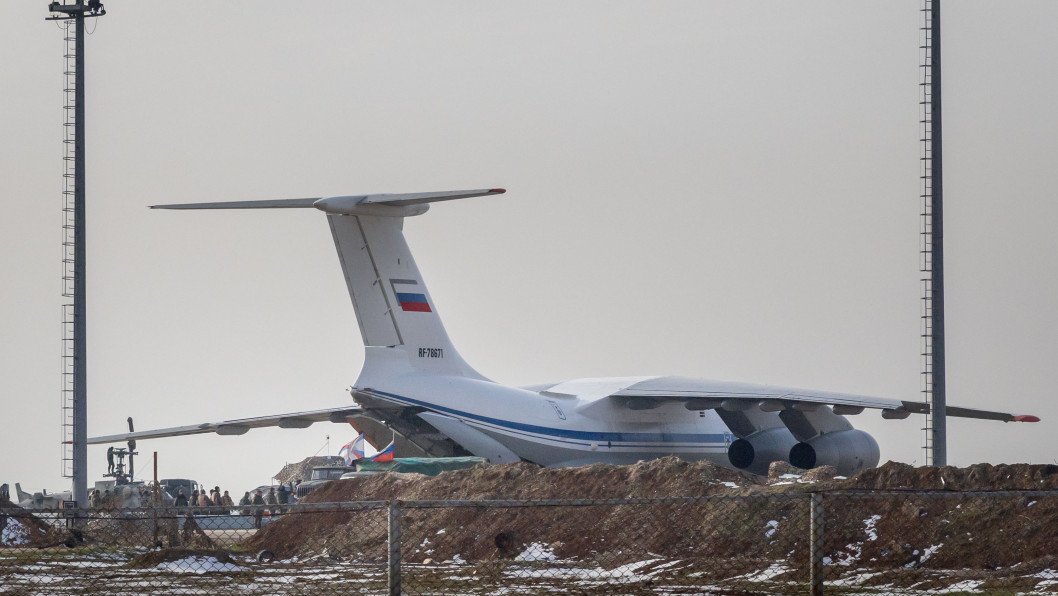
No reorganization can return Western components to Russia's airlines, speed serial production of domestic aircraft, or halt the exodus of workers worn down by years of crisis management, the service concluded.
However, in early June, the Russian United Aircraft Corporation began assembling a prototype supersonic airliner, a Tu-144 successor, even as sanctions choked access to advanced electronics and aircraft components.
Each new merger or showcase project follows the same pattern: Russia replaces lost industrial capacity with administrative changes. Sanctions have cut access to Western parts and technology, while aircraft and engines age faster than they can be repaired.
Discuss this article:


-72b63a4e0c8c475ad81fe3eed3f63729.jpeg "Photo of Cyril Barabaltchouk")